You want the best for your cat, especially when it comes to their food. But how do you know when it’s time to switch from kitten food to adult food?
Feeding your cat the right diet at the right age is crucial for their health and happiness. If you’re unsure about when to make this change, you’re not alone. Keep reading to discover the exact age to feed your cat adult food and why timing matters more than you might think.
Your cat’s well-being depends on it.

Credit: www.tippaws.com
When To Switch To Adult Cat Food
Switching your kitten to adult cat food is an important step in their growth. The right timing ensures they get the nutrients needed for a healthy life. Feeding adult food too early or too late can affect their development and health.
Knowing when to switch depends on several factors. Watch your kitten closely for signs they are ready. Understand the typical age range for this change. Always check with your veterinarian to make the best choice.
Signs Your Kitten Is Ready
- Kitten stops growing rapidly
- Teeth are fully developed
- Shows less playful, kitten-like behavior
- Begins eating solid food easily
- Weight gain slows down
Typical Age Range
Kittens usually switch to adult food between 9 and 12 months old.
Some breeds or individual cats may need more or less time.
Smaller breeds often mature faster, while larger breeds take longer.
Consulting Your Veterinarian
Your vet knows your cat’s specific needs best.
They can suggest the right age and type of adult food.
Regular check-ups help monitor your cat’s growth and health.
Differences Between Kitten And Adult Food
Understanding the differences between kitten and adult cat food is essential for your cat’s health and development. Kitten food is designed to support rapid growth and high energy levels, while adult food focuses on maintenance and long-term wellness. Feeding your cat the right food at the right age ensures they get the proper nutrients without overfeeding or causing health issues.
Nutritional Needs
Kitten food contains higher levels of essential nutrients like vitamins, minerals, and fatty acids to support brain development and strong bones. Adult cat food has a balanced nutrient profile that helps maintain muscle mass and supports organ function. Are you aware that feeding adult cats kitten food for too long can lead to unnecessary weight gain?
Calorie Content
Kittens burn more energy as they grow, so their food is packed with more calories per serving. Adult cats need fewer calories because their activity levels stabilize, and too many calories can cause obesity. Have you noticed how your cat’s appetite changes as they grow older? Adjusting their food accordingly is key.
Protein Levels
Protein is a building block for your cat’s muscles and tissues. Kitten food typically has higher protein levels to fuel growth and development. Adult cat food contains adequate protein to maintain health but in lower amounts to avoid putting stress on kidneys. Do you check your cat food labels to compare protein content?
How To Transition Your Cat’s Diet
Cats usually switch to adult food around one year old. Gradually mix adult food with kitten food over a week. This helps your cat adjust smoothly without stomach problems.
Transitioning your cat’s diet from kitten food to adult food is a significant step in ensuring their health and well-being. This change typically happens when your cat reaches around one year old. However, the transition process is crucial to avoid any digestive issues or discomfort for your feline friend. Let’s dive into how you can make this transition smooth and stress-free for both you and your cat.Gradual Food Change
Start by mixing a small amount of the new adult food with your cat’s current food. Gradually increase the proportion of adult food over a week or two. This method helps your cat adjust to the new taste and texture without shocking their digestive system. A sudden switch can lead to stomach upset, so patience is key. Consider measuring portions to ensure a consistent mix and gradually adjust the quantities. This approach also allows you to monitor how your cat reacts to the new food.Monitoring Your Cat’s Reaction
Keep a close eye on your cat’s behavior and health as you introduce the new food. Look for signs of acceptance like continued eating and normal stool consistency. If your cat shows signs of distress, such as vomiting or diarrhea, you may need to slow down the transition. You know your cat best, so trust your instincts. Is your cat more lethargic than usual, or are they refusing to eat? These could be signs that the transition isn’t going as smoothly as planned.Avoiding Digestive Issues
To prevent digestive issues, always ensure your cat has access to fresh water. Proper hydration is essential, especially during diet changes, as it aids in digestion. In addition to water, consider incorporating wet food if your cat primarily eats dry kibble. Wet food can ease the transition by offering a different texture, which some cats might find appealing. Remember, every cat is unique, and what works for one might not work for another. Have you ever noticed how some cats can be incredibly particular about their food? Respect their preferences while gently nudging them towards the healthier adult diet.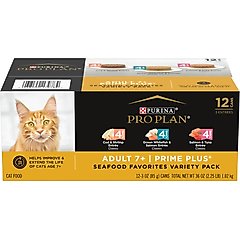
Credit: www.chewy.com
Special Considerations For Different Breeds
Feeding your cat adult food isn’t a one-size-fits-all decision. Different breeds have unique needs that affect when and how you should make the switch. Paying attention to these special considerations helps ensure your cat stays healthy and happy through every stage of life.
Small Vs. Large Breeds
Small breeds like Singapura or Munchkin cats mature faster and may need adult food sooner, often around 9 months. Large breeds such as Maine Coons grow for a longer time, sometimes up to 3-4 years, so switching to adult food too early can leave them lacking essential nutrients.
Have you noticed your large breed cat still acting like a kitten well past a year? It might be a sign to wait before fully transitioning their diet. Tailoring feeding times based on breed size supports proper growth and energy levels.
Indoor Vs. Outdoor Cats
Indoor cats generally burn fewer calories, so their adult food should be lower in fat to prevent weight gain. Outdoor cats expend more energy and need higher calorie counts to stay active and healthy.
Think about your cat’s daily activity level when choosing adult food. Does your indoor cat seem sluggish or your outdoor cat losing weight? Adjusting diet based on lifestyle can make a big difference.
Health Conditions Impacting Diet
Some breeds are prone to health issues that affect what kind of adult food they need. For example, Persians often face kidney problems, requiring diets low in phosphorus and protein.
If your cat has diabetes, obesity, or allergies, consult your vet before switching to adult food. Personalized diets help manage these conditions and improve quality of life.
Common Mistakes To Avoid
Feeding your cat adult food at the right time is crucial for their health, but many pet owners make avoidable mistakes that can affect their cat’s well-being. Understanding common pitfalls helps you make smarter choices and avoid unnecessary health issues. Let’s look at some frequent errors that can impact your cat’s diet transition and overall nutrition.
Switching Too Early Or Late
Changing your cat to adult food too soon can leave them without enough nutrients needed for their growth. Kittens require extra protein and calories, so switching before 12 months may stunt their development.
On the other hand, waiting too long to switch means your cat could consume excessive calories meant for growing kittens. This can lead to weight gain and digestive problems. Watch for signs of maturity, like their size and activity level, to decide the best time.
Ignoring Nutritional Labels
Not reading the ingredients and nutritional information on cat food packages can lead you to feed your cat an unbalanced diet. Some adult foods lack essential vitamins or have fillers that don’t support your cat’s health.
Check for high-quality protein sources listed near the top of the ingredient list. Also, compare calorie content and nutrient percentages to ensure the food meets your cat’s specific needs. Have you checked your cat food label lately?
Overfeeding Adult Cats
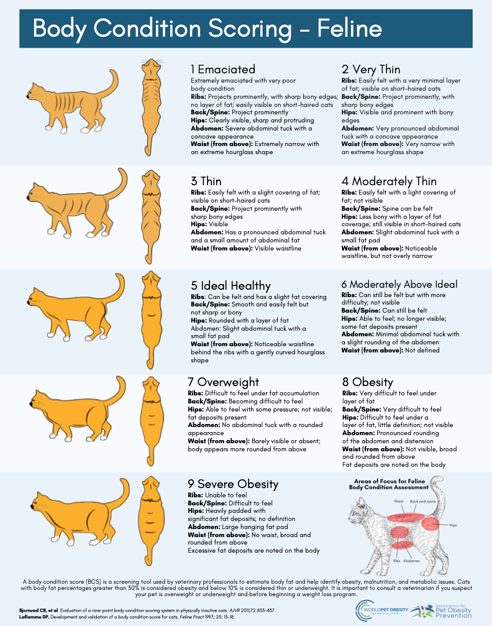
Many cat owners overfeed their pets, thinking more food means better care. Overfeeding causes obesity, which can lead to diabetes, joint pain, and shorter lifespans.
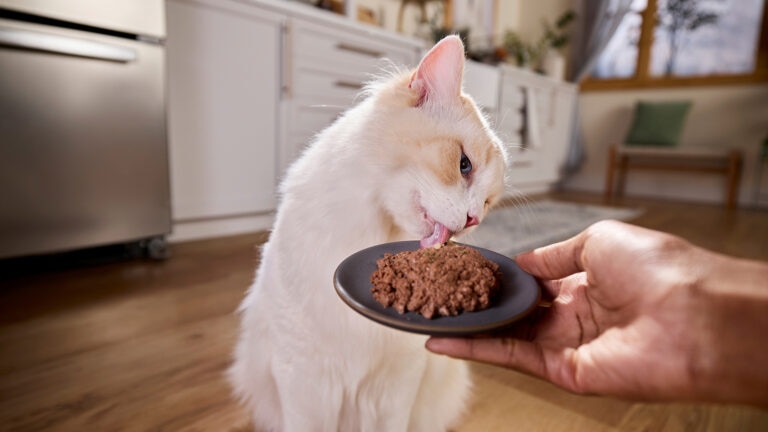
Measure portions carefully and follow feeding guidelines based on your cat’s weight and activity. If your cat is gaining too much weight, reduce portion sizes or consult your vet for advice. Are you confident your cat is getting the right amount of food?
Credit: www.chewy.com
Benefits Of Feeding Adult Cat Food
Feeding adult cat food at the right age offers many health benefits. Adult formulas have balanced nutrients made for cats’ mature bodies. These foods help keep cats strong, active, and healthy. Proper nutrition supports a cat’s overall well-being throughout adulthood.
Maintaining Healthy Weight
Adult cat food contains the right calories to avoid weight gain. It helps cats stay fit without overeating. Proper weight reduces risks of diabetes and joint problems. Feeding the correct food supports a healthy metabolism.
Supporting Dental Health
Many adult cat foods have ingredients that clean teeth gently. Crunchy textures help reduce plaque buildup. Good dental health prevents bad breath and infections. Healthy teeth make eating comfortable and pain-free.
Promoting Longevity
Balanced nutrients in adult food support long life. Vitamins and minerals strengthen the immune system. A strong immune system fights diseases better. Feeding adult food helps cats live happier, longer lives.
Frequently Asked Questions
When Should I Switch My Kitten To Adult Cat Food?
You should switch your kitten to adult cat food at about 12 months old. This age marks the end of their rapid growth phase. Adult food meets their nutritional needs better after this stage. Always transition gradually over 7-10 days to avoid digestive upset.
Can I Feed Adult Cat Food To Kittens?
No, feeding adult cat food to kittens is not recommended. Kittens require higher protein, fat, and calorie content. Adult food lacks essential nutrients for their growth and development. Use specially formulated kitten food until they reach one year old.
What Are The Signs To Change Cat Food Age?
Signs to change cat food include slowed growth and reduced energy needs. Around one year, kittens mature into adults. Weight stabilization and decreased playfulness indicate readiness for adult food. Consult your vet for personalized advice on the best feeding time.
How Long Should The Food Transition Process Take?
Transitioning from kitten to adult food should take 7 to 10 days. Gradually mix increasing amounts of adult food with kitten food. This method helps prevent digestive problems. Monitor your cat for any adverse reactions during this period.
Conclusion
Cats usually switch to adult food around one year old. This change helps meet their growing needs. Feeding the right food supports their health and energy. Watch your cat’s behavior and health closely. Adjust food type if your cat has special needs.
Proper nutrition keeps cats happy and strong. Remember, every cat is unique. Consult a vet to find the best feeding plan. Healthy cats live longer and enjoy life more. Choosing the right food is a simple but important step.

Leave a Reply