Are you wondering if your 11-month-old kitten can start eating adult cat food? Making the right choice for your furry friend’s diet is important for their health and growth.
You want to be sure you’re giving your kitten the right nutrients without risking any problems. Keep reading to find out when it’s safe to switch, what signs to look for, and how to make the transition smooth for your kitten.
Your cat’s well-being depends on it!
Kitten Growth Stages
Understanding the kitten growth stages is key to deciding when to switch from kitten food to adult cat food. Kittens don’t grow at a steady pace; their nutritional needs shift dramatically as they develop. Knowing these stages helps you provide the right diet that supports their health and energy levels at each phase.
From Newborn To Juvenile
Newborn kittens rely solely on their mother’s milk or a milk replacement formula for the first few weeks. Their tiny bodies need frequent feeding and gentle care to build strong bones and muscles.
By about 4 weeks, kittens start exploring solid foods, but their digestive systems are still delicate. Gradually, their diet includes specially formulated kitten food, which is richer in calories and nutrients than adult cat food.
Between 6 to 12 months, kittens enter the juvenile stage. Their growth rate slows but remains steady. This is the time when they develop coordination and muscle strength, requiring a balanced diet that supports this active phase.
Nutritional Needs By Age
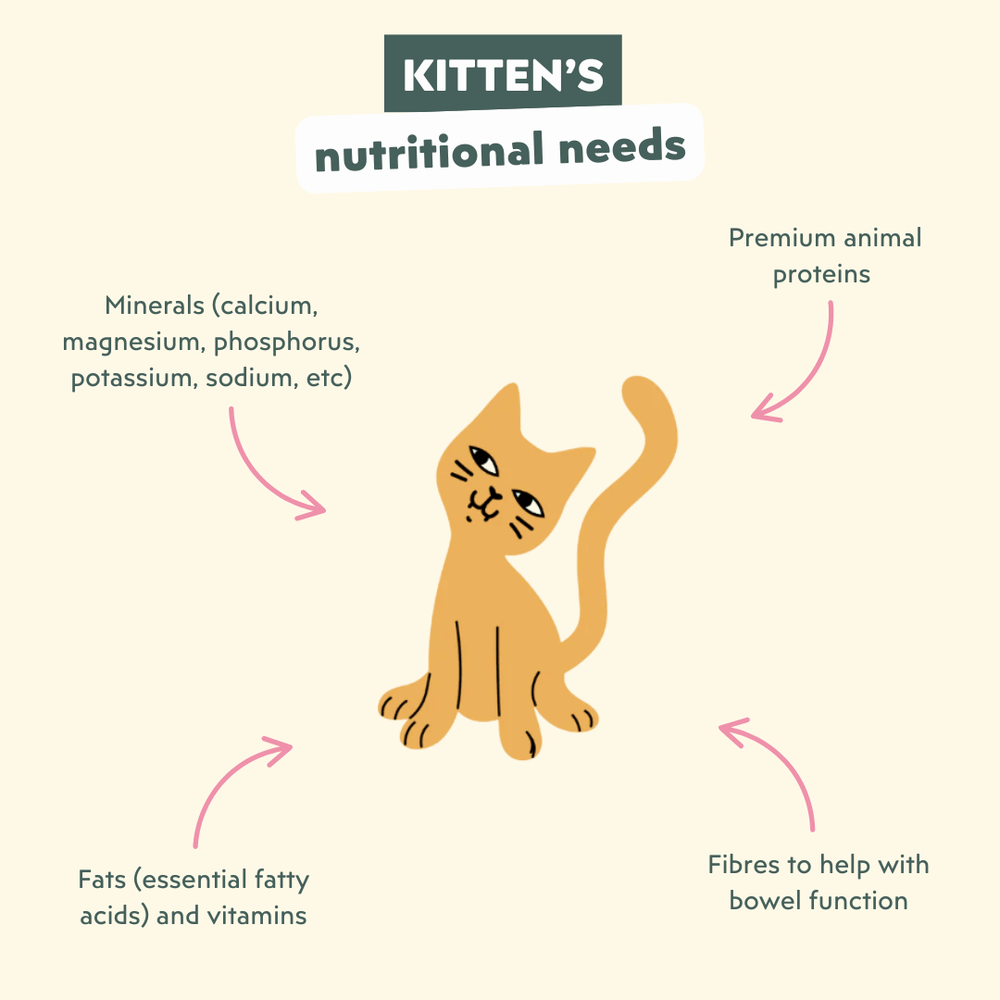
During the first six months, kittens need food high in protein, fat, and essential vitamins to fuel rapid growth. Kitten formulas usually have around 30-40% protein and higher fat content compared to adult cat food.
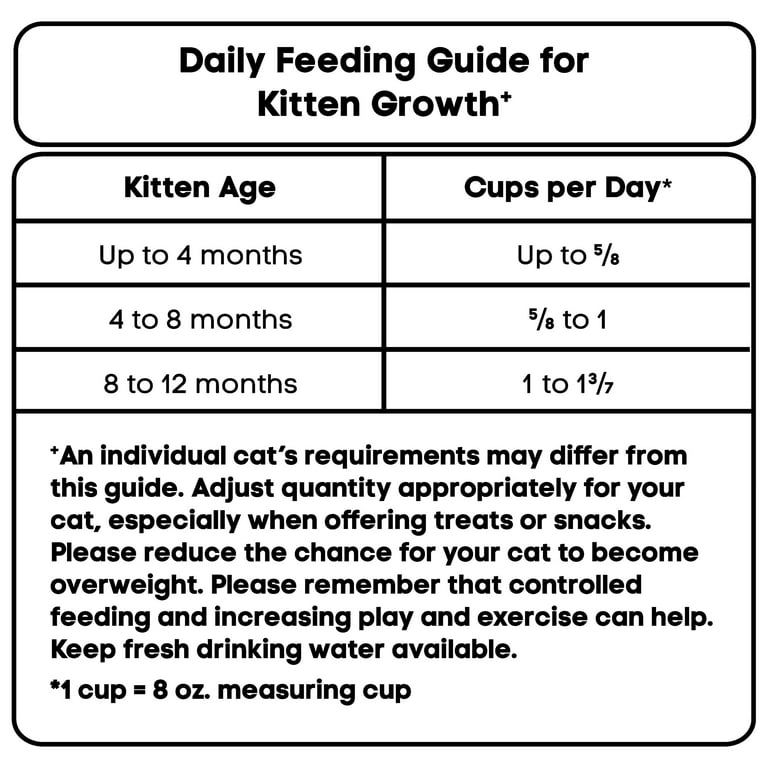
After 6 months, some kittens can begin transitioning to adult food, but many benefit from kitten food until they reach full maturity at 12 months. Adult cat food has fewer calories and less fat, which might not meet the energy demands of a growing kitten.
Ask yourself: Is your 11-month-old kitten still energetic and growing? If yes, sticking with kitten food a little longer could be better. Watch their weight and activity closely to decide the right time to switch.
Credit: www.walmart.com
Differences Between Kitten And Adult Cat Food
Understanding the differences between kitten and adult cat food is key to making the right choice for your 11-month-old feline friend. Their bodies and nutritional needs change as they grow, and feeding the wrong type of food can impact their health. Let’s break down the main differences so you know what to look for.
Nutrient Composition
Kitten food is packed with higher levels of protein, fat, and essential vitamins to support rapid growth and brain development. Adult cat food has lower protein and fat because mature cats don’t need as much energy to maintain their bodies.
Have you noticed how your kitten seems more energetic than your older cat? That burst of energy comes from the extra nutrients in their food. Switching too early to adult food might leave your kitten lacking important building blocks for healthy bones and muscles.
Calorie Requirements
Kittens burn a lot of calories during their growth phase. Their food is calorie-dense to meet this high demand. Adult cats have slower metabolisms, so their food contains fewer calories to prevent weight gain.
If your 11-month-old kitten starts to slow down or gain weight after switching to adult food, it’s a sign their calorie needs haven’t been met properly. Are you monitoring your kitten’s weight as they transition? It’s an easy way to catch nutritional imbalances early.
Texture And Size
Kitten food usually comes in smaller kibble or softer textures, making it easier for tiny teeth and developing jaws to chew. Adult cat food is often firmer and larger, designed for stronger teeth and jaws.
Have you noticed your kitten struggling with larger kibble? It might seem minor, but texture affects how much they enjoy their food and how well they digest it. Offering the right size and texture can make mealtime more comfortable and appealing.
When To Switch To Adult Cat Food
An 11-month-old kitten is close to adulthood and can start eating adult cat food. Transition gradually to avoid stomach upset and ensure proper nutrition. Watch for your cat’s growth and energy levels during the change.
Switching your kitten to adult cat food is a significant milestone in their development. It’s important to make this transition at the right time to ensure your feline friend receives the nutrients they need for optimal health. Not all kittens mature at the same rate, so understanding when to make the switch is crucial.Signs Of Readiness
Your kitten might start showing signs they’re ready for adult food. One noticeable sign is their growth rate slowing down. Kittens grow rapidly during their first few months, but this growth typically tapers off as they near a year old. Observe your kitten’s energy levels and behavior. If they seem less bouncy and more settled, they might be transitioning from the playful kitten phase to a more mature adult cat demeanor. A change in appetite can also indicate readiness. If your kitten seems less interested in their kitten food, it might be time to consider adult options.Recommended Age Range
Most experts recommend transitioning kittens to adult cat food around the 12-month mark. However, some breeds mature more slowly, and you might find your kitten ready slightly earlier or later. Consider your kitten’s individual needs rather than strictly adhering to a timeline. Consult with your veterinarian to determine the best time to switch based on your kitten’s health and growth patterns. Every kitten is unique, and their dietary needs might differ from the general recommendations. Have you noticed any signs your kitten might be ready for the switch? Your observations and the guidance of your vet can make this transition smoother for your furry companion.Risks Of Early Transition
Switching an 11-month-old kitten to adult cat food too soon can cause problems. Kittens need special nutrients to grow healthy and strong. Adult cat food may not provide all these nutrients. This early change can lead to health issues that affect your kitten’s development.
Nutritional Deficiencies
Kittens need more protein and fat than adult cats. Adult cat food often has lower levels of these nutrients. This can cause your kitten to miss important vitamins and minerals. Lack of these nutrients can slow growth and weaken the immune system. Kittens may also develop bone problems or poor muscle tone.
Digestive Issues
Kitten digestive systems are sensitive. Adult cat food has different ingredients that may upset their stomach. Early transition can cause diarrhea, vomiting, or constipation. These symptoms make kittens uncomfortable and can lead to dehydration. It is important to keep their digestion stable during growth.
How To Transition Safely
Transitioning your 11-month-old kitten to adult cat food requires care and patience to avoid digestive issues. Sudden changes can upset their stomach and disrupt eating habits. Let’s look at how you can make this switch smooth and safe for your furry friend.
Gradual Food Mixing
Start by mixing a small amount of adult cat food into your kitten’s current food. For example, try 25% adult food with 75% kitten food for a few days. Slowly increase the adult food portion every 3-4 days until it’s 100% adult food.
This slow change helps your kitten’s digestive system adjust without stress. If you notice any refusal to eat or vomiting, pause and maintain the current mix longer. Have you noticed your kitten’s preferences when trying new foods?
Monitoring Health And Behavior
Watch your kitten closely during the transition for signs like diarrhea, constipation, or loss of appetite. Changes in energy levels or unusual behavior can also indicate discomfort. Keep a daily log to track eating habits, litter box activity, and mood.
Regular vet check-ups during this period are a smart move. They can spot any nutritional gaps or health issues early. What changes in your kitten’s behavior might signal it’s time to slow down the food transition?
Credit: www.whiskas.co.uk
Special Considerations For 11-month-old Kittens
Special considerations are important when deciding if your 11-month-old kitten can start eating adult cat food. At this stage, your kitten is nearing full maturity but still has unique nutritional needs. Understanding these needs helps you provide the right diet that supports healthy growth without causing digestive issues.
Growth Milestones
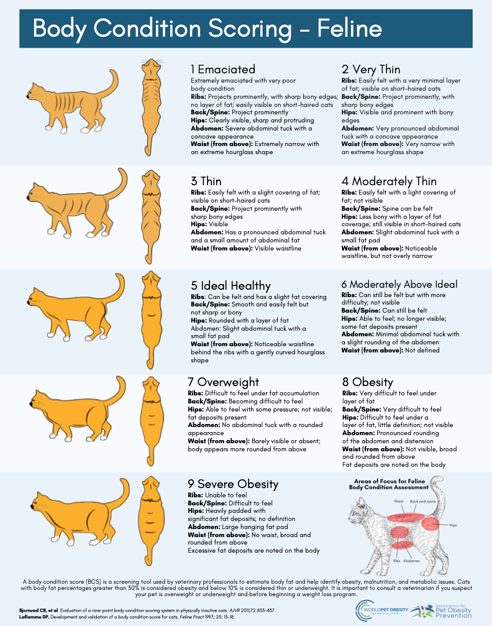
At 11 months, most kittens have reached about 80-90% of their adult size. Their bones and muscles continue to develop, but the rapid growth phase is slowing down. This means their energy requirements start to decrease compared to earlier kitten stages.
Switching to adult cat food too early might not provide enough nutrients for these last growth spurts. Conversely, continuing kitten food for too long could lead to unnecessary calorie intake and weight gain. Watching your kitten’s weight and activity level can guide you on when to adjust their diet.
Individual Differences
Every kitten grows differently. Some may mature faster and be ready for adult food at 10 months, while others need kitten food until they are closer to 12 months. Factors like breed, health, and activity level play a big role here.
If your kitten is very active and playful, they might need the extra protein and fat in kitten food a bit longer. On the other hand, a more sedentary kitten might benefit from switching to adult food sooner to avoid excess weight gain.
Have you noticed changes in your kitten’s appetite or energy? These clues can help decide the best time to make the switch. Consulting your vet with these observations can give you a clear plan tailored to your kitten’s unique needs.
Consulting Your Veterinarian
Deciding whether your 11-month-old kitten can switch to adult cat food is a question best answered with professional guidance. Your veterinarian understands the unique needs of your growing feline friend and can help you make the right choice. Consulting them ensures your kitten’s diet supports healthy development without risking nutritional gaps or digestive issues.
Personalized Advice
Your kitten’s growth rate and health status might differ from others. A vet can assess factors like weight, activity level, and breed to recommend the best diet. Have you noticed your kitten gaining too much weight or seeming less energetic? These clues can help your vet tailor advice specifically for your pet.
Sometimes, a gradual transition to adult food is suggested, but the timing varies. Your vet might recommend mixing kitten and adult food for a few weeks to avoid stomach upset. Getting personalized tips ensures you’re not just guessing but making informed choices based on your kitten’s needs.
Health Check-ups
Regular vet visits offer more than vaccinations; they are key moments to discuss diet changes. During check-ups, your vet checks for any health issues that could affect nutrition, such as dental problems or allergies. These insights are crucial before changing food types.
Imagine starting adult food without knowing your kitten has a sensitive stomach. A health check-up can catch such issues early. How often do you schedule vet visits? Using these appointments to talk about diet keeps your kitten on track for a healthy adulthood.
Credit: www.chewy.com
Frequently Asked Questions
Can An 11-month-old Kitten Eat Adult Cat Food?
Yes, an 11-month-old kitten can start eating adult cat food. Their growth rate slows, so adult food meets their nutritional needs.
When Should Kittens Switch To Adult Cat Food?
Kittens typically switch to adult cat food around 10 to 12 months old. This ensures proper nutrition for their development stage.
Is Adult Cat Food Safe For Almost One-year-old Kittens?
Adult cat food is safe for kittens nearing one year. It supports their energy needs without excess calories for growth.
What Nutrients Differ In Kitten Vs. Adult Cat Food?
Kitten food has higher protein, fat, and calories. Adult food has balanced nutrients for maintenance, not rapid growth.
Conclusion
An 11-month-old kitten can eat adult cat food carefully. Their bodies start to need fewer calories than young kittens. Choose food that supports their growth and health. Watch for any changes in weight or energy. Consult a vet for the best feeding plan.
Feeding the right food helps your kitten grow strong. Keep their diet balanced for a happy, healthy cat. Small changes make a big difference in their life. Nutrition matters at every stage of a cat’s life.

Leave a Reply