Your cat can’t tell you when something feels wrong. But you want to be sure your furry friend stays healthy and happy.
Knowing how to check cat health yourself can save you time, money, and worry. Imagine catching problems early before they become serious. You’ll learn simple, effective ways to spot signs of illness and keep your cat thriving. Keep reading—you owe it to your cat to be their best health guardian.
Spotting Common Signs
Spotting common signs of illness or discomfort is key to keeping your cat healthy. Cats often hide pain, so small changes matter. Observing your cat closely helps catch problems early. Here are some important signs to watch for.
Changes In Appetite
Appetite changes often show health issues. A sudden drop in eating can mean illness. Eating more than usual might signal stress or other problems. Watch for:
- Refusal to eat favorite foods
- Eating less or more than normal
- Weight loss or gain
Tracking food intake daily gives clues about your cat’s health.
Behavioral Shifts
Behavior changes can reveal discomfort or illness. Cats may act differently when unwell. Signs include:
- Hiding or avoiding interaction
- Unusual aggression or irritability
- Less activity or playfulness
- Excessive vocalizing
Noticing these shifts helps address problems early.
Physical Symptoms
Physical signs often point to health issues. Check your cat’s body regularly. Look for:
- Changes in coat quality or hair loss
- Swelling, lumps, or wounds
- Discharge from eyes, nose, or ears
- Difficulty walking or stiffness
- Rapid breathing or coughing
Early detection of physical symptoms aids prompt care.
Regular Physical Checks
Regular physical checks are your first line of defense in spotting health issues before they become serious. Taking just a few minutes each week to inspect your cat can reveal subtle changes that signal discomfort or illness. These simple checks help you understand what’s normal for your cat and catch problems early.
Examining Eyes And Ears
Look closely at your cat’s eyes for clarity and brightness. Healthy eyes are free of redness, cloudiness, or discharge. If you notice excessive tearing or your cat squinting, it could mean irritation or infection.
Next, check the ears. They should be clean and smell fresh, not musty or foul. Watch for redness, swelling, or dark wax buildup, which might indicate ear mites or infection. Gently rubbing the base of the ears can also reveal if your cat shows signs of pain or discomfort.
Checking Skin And Coat
Run your fingers through your cat’s fur to feel for lumps, bumps, or dry patches. A shiny, smooth coat usually means good health. Look for bald spots, excessive dandruff, or signs of scratching that could point to allergies or parasites.
Don’t forget to lift the fur and examine the skin beneath. Healthy skin is pink and free of sores or redness. If you find scabs or scaly areas, it’s time to visit the vet.
Monitoring Weight And Body Condition
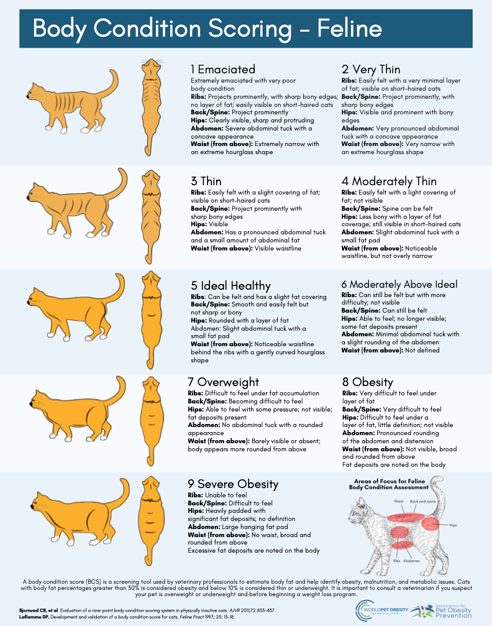
Keep an eye on your cat’s weight regularly. Sudden weight loss or gain can be a sign of underlying health problems like diabetes or thyroid issues. You can feel your cat’s ribs but they shouldn’t be overly visible.
Check the body condition by gently pressing along the sides and back. Your cat should have a waist when viewed from above and a slight tummy tuck when seen from the side. If you’re unsure, ask your vet to show you how to assess body condition correctly.
Tracking Bathroom Habits
Tracking your cat’s bathroom habits is crucial for their health. Changes in their litter box behavior can signal health issues. Regular monitoring helps catch problems early.
Litter Box Patterns
Observe your cat’s litter box visits. Frequent trips or unusual behavior may indicate problems. A cat that avoids the litter box may have urinary or digestive issues. Clean the box regularly for accurate monitoring.
Urine And Stool Changes
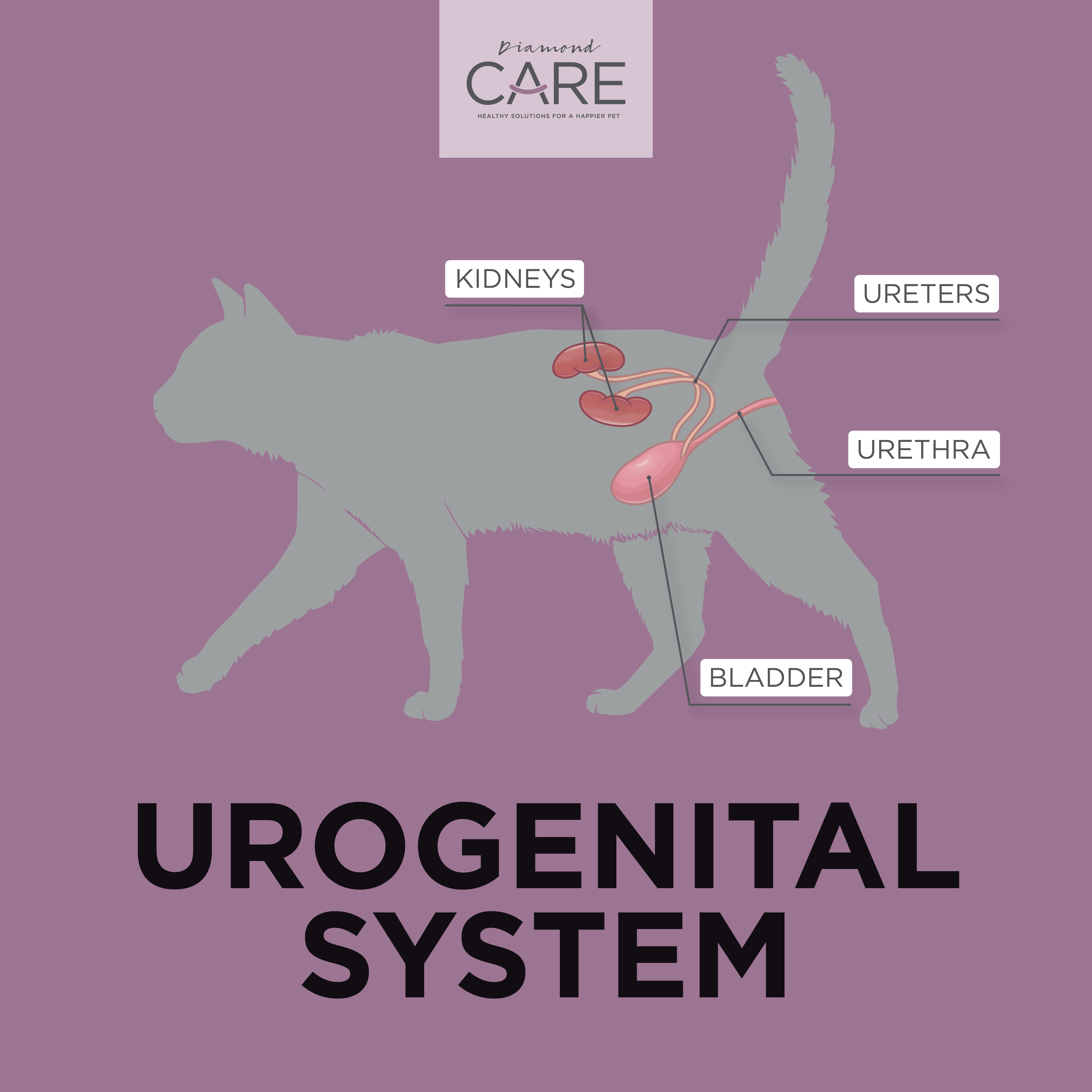
Check for changes in urine color or smell. Dark urine or strong odor can signal a urinary tract infection. Note any changes in stool consistency or color. Diarrhea or hard stools can indicate digestive issues. Record these changes to discuss with your vet.
Credit: www.petmd.com
Importance Of Routine Vet Visits
Routine vet visits play a key role in keeping your cat healthy. These visits help catch health problems early, before they become serious. Regular check-ups allow the vet to monitor your cat’s growth, weight, and overall condition. They also provide a chance to update vaccinations and talk about diet or behavior changes.
Preventive care during vet visits helps extend your cat’s life and improve its quality. A vet can spot signs of illness that are hard to notice at home. Early treatment means fewer complications and lower costs. Keep your cat’s vet visits on schedule to ensure a long, happy life.
Vaccinations And Preventive Care
Vaccinations protect cats from dangerous diseases. Core vaccines include rabies, feline distemper, and respiratory infections. The vet will recommend vaccines based on your cat’s age, lifestyle, and risk factors. Preventive care also covers spaying or neutering, which helps prevent some cancers and unwanted behaviors.
Regular vet visits allow timely vaccine updates. Preventive care keeps your cat safe and less likely to spread illness.
Dental Health Checks
Dental problems affect many cats but often go unnoticed. The vet will check your cat’s teeth and gums for signs of infection or disease. Poor dental health can cause pain and lead to other health issues.
Professional dental cleaning may be needed to remove plaque and tartar. Routine dental checks help prevent tooth loss and keep your cat comfortable.
Parasite Control
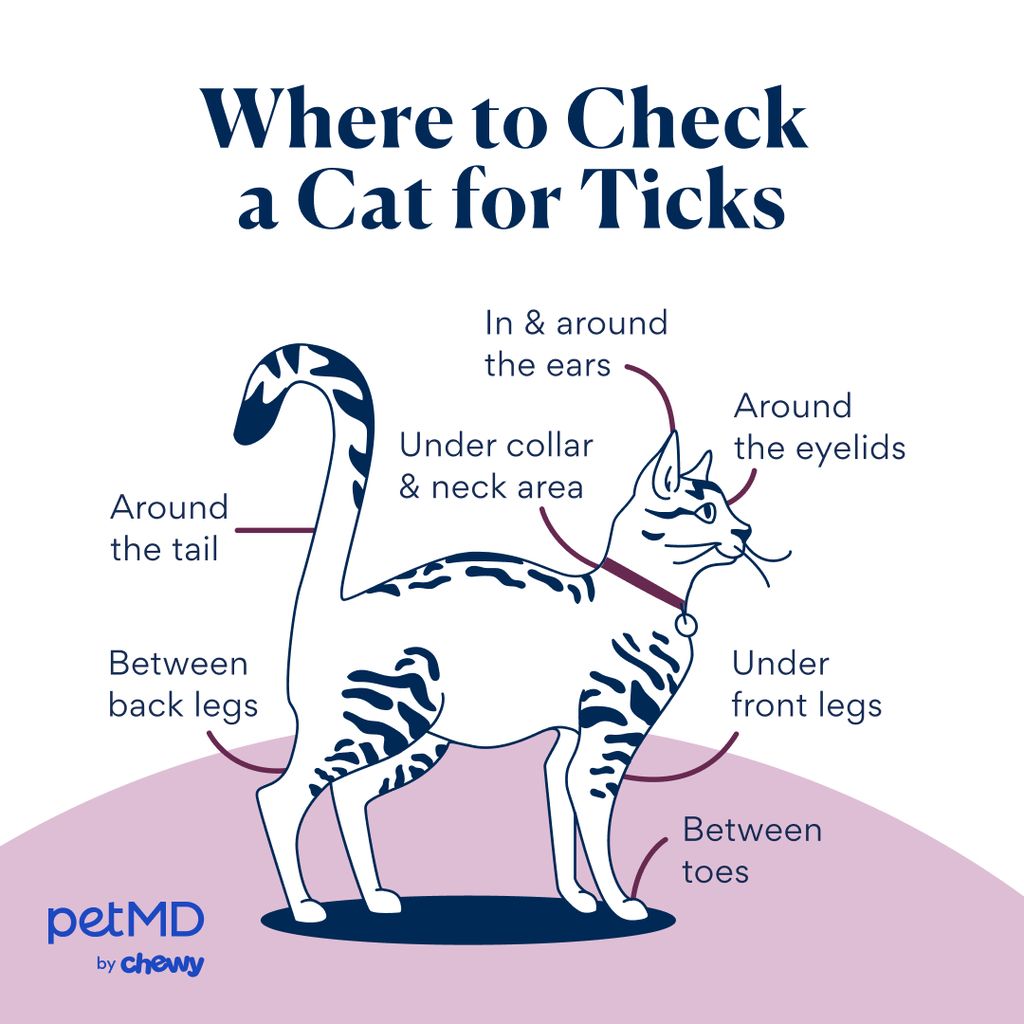
Parasites like fleas, ticks, and worms can harm your cat’s health. The vet can test for parasites and suggest treatments. Parasite control protects your cat from skin problems and internal diseases.
Preventive medications keep parasites away year-round. Regular vet visits ensure your cat stays parasite-free and healthy.
Nutrition And Hydration Tips
Proper nutrition and hydration are key to keeping your cat healthy and active. A well-fed cat with enough water stays energetic and avoids many health problems. Understanding what to feed and how to keep your cat hydrated can improve their life quality. Here are some simple tips on nutrition and hydration for your feline friend.
Balanced Diet Choices
Cats need a diet rich in protein. Meat, fish, and poultry are good sources. Avoid too many carbs or fillers like corn and wheat. Wet food helps with moisture and is often more nutritious. Dry food is convenient but should not be the only option.
- Choose high-quality cat food with animal proteins.
- Include wet food to add moisture and variety.
- Limit treats and avoid human food.
- Check labels for essential nutrients like taurine.
Ensuring Adequate Water Intake
Cats often drink less water than they need. Fresh water must always be available. Some cats prefer running water, so a cat fountain can help. Wet food also adds to water intake. Watch for signs of dehydration like dry gums or lethargy.
- Change water daily and keep bowls clean.
- Use multiple water stations around the house.
- Offer wet food to boost hydration.
- Observe your cat’s drinking habits closely.
Recognizing Stress And Anxiety
Stress and anxiety affect cats just like people. Recognizing these signs early helps keep your cat healthy and happy. Cats show stress in many ways, some easy to spot, others subtle. Understanding these clues helps you act quickly. Stress can lower immunity and cause behavior problems. Watch for changes in how your cat acts or interacts. Stress signs often appear as changes in behavior or habits.
Behavioral Indicators
- Avoiding contact or hiding more than usual
- Excessive grooming or licking, causing bald spots
- Sudden aggression or irritability
- Loss of appetite or changes in eating habits
- Excessive vocalization or sudden silence
- Restlessness or pacing around the house
- Changes in litter box use or accidents outside it
Environmental Triggers
- New people or pets in the home
- Changes in routine or household noise
- Moving to a new house or rearranging furniture
- Lack of safe, quiet spaces for your cat
- Exposure to unfamiliar smells or sounds
- Stress from travel or vet visits
Calming Techniques
- Create a quiet, comfortable area just for your cat
- Use pheromone diffusers designed for cats
- Maintain regular feeding and playtime schedules
- Offer interactive toys to distract and engage
- Speak softly and move slowly around your cat
- Provide hiding spots like boxes or covered beds
- Consider gentle massage or brushing if your cat enjoys it
Emergency Signs To Watch For
Watching for emergency signs is crucial to keep your cat safe. Cats often hide pain, so spotting urgent symptoms fast can save their life. Recognize these signs to act immediately and get veterinary care without delay.
Breathing Difficulties
Rapid or labored breathing signals serious trouble. Listen for wheezing, gasping, or coughing. Open-mouth breathing in cats is rare and alarming. Pale or blue gums mean oxygen is low. Any struggle to breathe needs urgent vet attention.
Severe Lethargy
Extreme tiredness or unresponsiveness is a red flag. A cat that won’t move or react may be very sick. Weakness that stops your cat from standing or walking requires fast help. Note if your cat refuses food and water for hours.
Sudden Injuries
Bleeding wounds, broken bones, or sudden limping need quick care. Check for swelling, pain, or deformities after a fall or accident. Keep your cat calm and avoid moving injured limbs. Immediate veterinary care prevents complications and infection.

Credit: www.rover.com
Credit: www.diamondpet.com
Frequently Asked Questions
How Can I Tell If My Cat Is Healthy?
Look for clear eyes, clean ears, and a shiny coat. Healthy cats eat well and are active. Regular vet visits ensure they stay in good health.
What Are Common Signs Of Cat Illness?
Watch for changes in appetite, behavior, or litter box use. Vomiting, coughing, or lethargy also indicate health issues. Early detection helps effective treatment.
How Often Should I Check My Cat’s Health?
Check your cat’s behavior and appearance daily. Schedule vet check-ups at least once a year. Older cats may need more frequent visits.
What Basic Health Checks Can I Do At Home?
Check your cat’s weight, coat condition, and teeth regularly. Monitor their breathing and movement for any abnormalities. Home checks catch problems early before vet visits.
Conclusion
Checking your cat’s health is simple and important. Watch for changes in behavior or eating habits. Regularly check their eyes, ears, and coat for signs of illness. Keep a close eye on their weight and energy levels. Visit the vet for routine checkups and vaccinations.
Healthy cats live happier, longer lives. Stay attentive and act quickly if you notice anything unusual. Caring for your cat’s health shows love and keeps them safe. Small steps make a big difference every day.


Leave a Reply