
Have you ever wondered if your cat’s sudden spit means something more? Maybe you’ve noticed a quick hiss or spit and felt confused about what it really means.
Understanding which cat breeds spit can help you connect better with your furry friend and avoid surprises. You’ll discover the breeds most likely to spit, why they do it, and how you can respond calmly. Keep reading to learn what your cat’s behavior is really telling you—and how to build a stronger, happier bond.

Credit: allergystore.com
Cats That Spit
Cats usually charm us with their purrs and playful antics, but some have a surprising defense mechanism: spitting. This behavior might catch you off guard, especially if you’re used to calm and quiet feline companions. Understanding which cat breeds spit and why they do it can help you manage your pet’s behavior better and keep your home peaceful.
Common Breeds Known To Spit
Spitting isn’t common in all cats, but certain breeds are more prone to it. Bengal cats, for example, are known for their wild ancestry and can sometimes spit when they feel threatened. Siamese cats also have a reputation for vocal and expressive behaviors, which may include spitting in stressful situations.
Another breed you might notice spitting in is the Sphynx. Their lack of fur makes their skin more sensitive, and they might react by spitting if they feel uncomfortable or stressed. If you have one of these breeds, pay attention to their body language and triggers to prevent spitting episodes.
Why Some Cats Spit
Spitting is a defensive behavior meant to scare away perceived threats. It’s a loud, sudden sound that grabs attention and warns others to back off. Cats often resort to spitting when they feel cornered, scared, or annoyed.
Think about the last time your cat spat. Were they in a new environment or around unfamiliar people? Stress and fear are common triggers. Sometimes, spitting happens during intense play or when a cat is overstimulated by petting.
Understanding your cat’s reasons for spitting can improve your relationship. Instead of punishing them, try to identify and remove the stressors. Have you noticed specific patterns in your cat’s behavior before they spit? Observing these signs can help you prevent future incidents.
Behavior Behind Spitting
Spitting is a rare but clear way cats show discomfort or fear. This behavior helps cats protect themselves without physical fighting. Understanding why cats spit can help owners respond calmly and keep their pets safe.
Triggers For Spitting
Cats usually spit when they feel threatened or scared. Common triggers include:
- Strange animals nearby
- Loud or sudden noises
- Unfamiliar people or environments
- Feeling cornered or trapped
- Stress from other pets
Spitting acts as a warning. It tells others to stay away and avoid conflict.
Spitting Vs. Hissing And Growling
Spitting is louder and more forceful than hissing. It often comes with open mouth and visible teeth. Hissing is softer and more of a warning sound.
Growling is deeper and signals anger or frustration. Spitting shows a higher level of fear or stress. Each sound helps cats communicate their mood clearly.
Breed-specific Traits
Certain cat breeds may spit more due to their natural temperament and social behavior. Understanding these traits helps identify which cats might show this reaction. Spitting often signals fear, stress, or a warning to stay away.
Understanding the unique traits of different cat breeds can be incredibly helpful, especially if you’re considering adopting a new feline friend. Some breeds are known for their distinctive behaviors, including spitting, which can be a sign of aggression or discomfort. Recognizing these breed-specific traits can improve your relationship with your pet and help you provide the best care.Temperament And Aggression Levels
Certain cat breeds are naturally more prone to spitting due to their temperament. For example, the Siamese cat, known for its vocal and assertive nature, might spit when feeling threatened. On the other hand, a Persian cat, typically calm and laid-back, rarely exhibits this behavior unless seriously provoked. Understanding these tendencies can help you manage expectations and better prepare for any behavioral challenges. You might wonder if a cat’s aggressive behavior can be mitigated through training or environment. While some traits are inherent, many can be influenced by how you interact with your cat daily.Socialization Impact On Spitting
Socialization plays a significant role in whether a cat will spit. Cats exposed to various people and environments from a young age tend to be more adaptable and less likely to exhibit aggressive behaviors. If you’ve ever had a cat that hisses and spits at every visitor, it might be due to a lack of early socialization. Consider the socialization process as an investment in your cat’s future behavior. Cats that are well-socialized are less likely to spit and more likely to interact positively with both humans and other animals. This raises an intriguing question: how can you effectively socialize a cat that has already developed a tendency to spit? Implementing gradual exposure to new experiences and maintaining a calm environment can make a significant difference. Always remember, your patience and consistency are key to nurturing a well-behaved feline companion.How To Handle A Spitting Cat
Dealing with a spitting cat can be challenging and even a bit intimidating. Understanding how to manage this behavior calmly and effectively is crucial for both your safety and your cat’s well-being. Learning the right approach helps reduce stress for everyone involved and can even improve your bond with your feline friend.
Calming Techniques
When your cat spits, it’s often a sign of fear or discomfort. Your first goal should be to create a calm environment. Speak softly and avoid sudden movements to help your cat feel safe.
Offer your cat a quiet space where it can retreat without feeling trapped. Sometimes, simply giving your cat time alone can prevent further spitting episodes.
Using familiar toys or treats can also help distract and relax your cat. Have you tried gently petting your cat in areas it prefers, like behind the ears or under the chin? This can sometimes shift their mood quickly.
When To Seek Veterinary Advice
If your cat continues to spit despite your calming efforts, it might be time to consult a vet. Persistent spitting can signal pain, illness, or behavioral issues that need professional attention.
Watch for other signs like changes in appetite, grooming habits, or sudden aggression. These clues can help your vet diagnose the problem more accurately.
Don’t hesitate to ask your vet about behavior specialists or possible treatments. Getting expert help early can prevent the situation from worsening and keep your cat comfortable.
Surprising Feline Facts
Cats are full of surprises. Their behavior often puzzles even the most experienced owners. Some breeds show unique traits that many people do not expect. Spitting is one such rare behavior that can catch cat lovers off guard.
Understanding these unusual actions helps build a stronger bond with your pet. It also clears up common misunderstandings about why cats behave in certain ways. Let’s explore some surprising facts about cat spitting and other strange behaviors.
Other Unusual Cat Behaviors
- Chirping or chattering when watching birds or prey
- Kneading with paws on soft surfaces or people
- Sudden bursts of energy, often called “zoomies”
- Head butting to show affection or mark territory
- Sleeping in odd places, like boxes or sinks
Each behavior has a reason rooted in instincts or communication. Recognizing these can make living with cats more enjoyable.
Myths About Cat Spitting
- Spitting means a cat is always angry
- Only wild cats spit, not domestic ones
- Spitting is a sign of illness only
- Cats spit to attack humans intentionally
Most of these are false. Cats usually spit to show fear or discomfort. It is a way to warn others to stay away. Understanding this helps reduce fear and improves interactions with your feline friend.
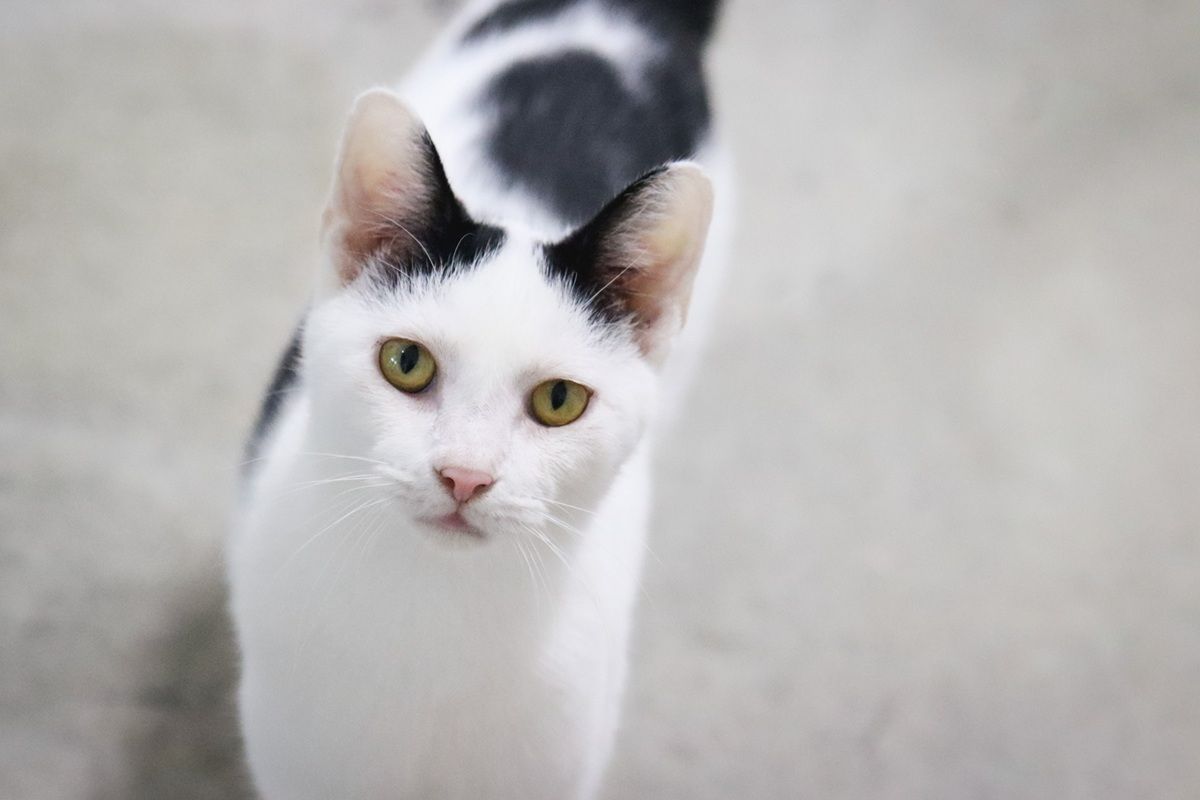
Credit: cats.com

Credit: www.rd.com
Frequently Asked Questions
Which Cat Breeds Are Known To Spit?
Certain cat breeds like Siamese and Oriental Shorthairs may spit when stressed. Spitting is a rare behavior mostly linked to fear or discomfort.
Why Do Some Cats Spit At People?
Cats spit as a defense mechanism when they feel threatened or scared. It is their way to warn or protect themselves.
Can Spitting Be A Sign Of Illness In Cats?
Yes, frequent spitting can indicate dental problems or respiratory issues. Consult a vet if spitting is unusual or persistent.
How To Stop A Cat From Spitting?
Identify the cause of stress or fear and remove triggers. Gentle handling and positive reinforcement help reduce spitting behavior.
Conclusion
Some cat breeds are more likely to spit than others. This behavior often shows fear or discomfort. Knowing which breeds may spit helps you prepare better. Always watch your cat’s body language closely. Respect their space and feelings to avoid spitting.
Building trust takes time and patience. Understanding your cat’s nature leads to a happier bond. Spitting is just one way cats communicate. Pay attention, stay calm, and show kindness. This approach helps create a safe, loving home for your cat.

Leave a Reply