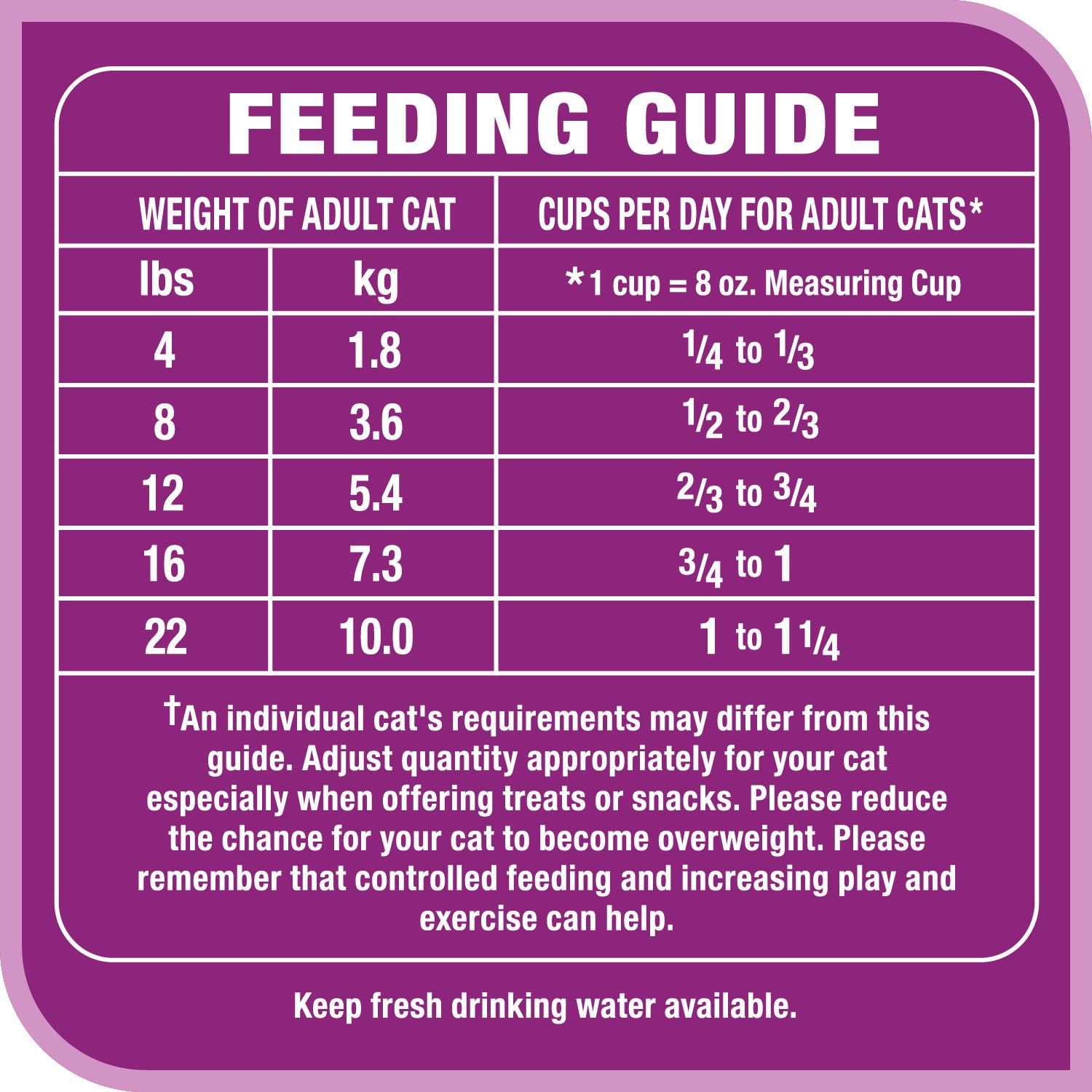
Are you sure you’re feeding your adult cat the right amount every day? Giving your furry friend just a cup of food might sound simple, but it’s more important than you think.
The right portion keeps your cat healthy, happy, and full of energy. If you’ve ever wondered how much food is truly enough, this article will clear things up for you. Keep reading to discover how a cup of food a day could be the secret to your cat’s well-being—and what you need to know to get it just right.
Daily Portion Size
Feeding an adult cat the right daily portion size is essential for their health. Giving too much food can lead to obesity. Too little food may cause nutritional problems. Finding the balance keeps your cat active and happy.
Determining The Right Amount
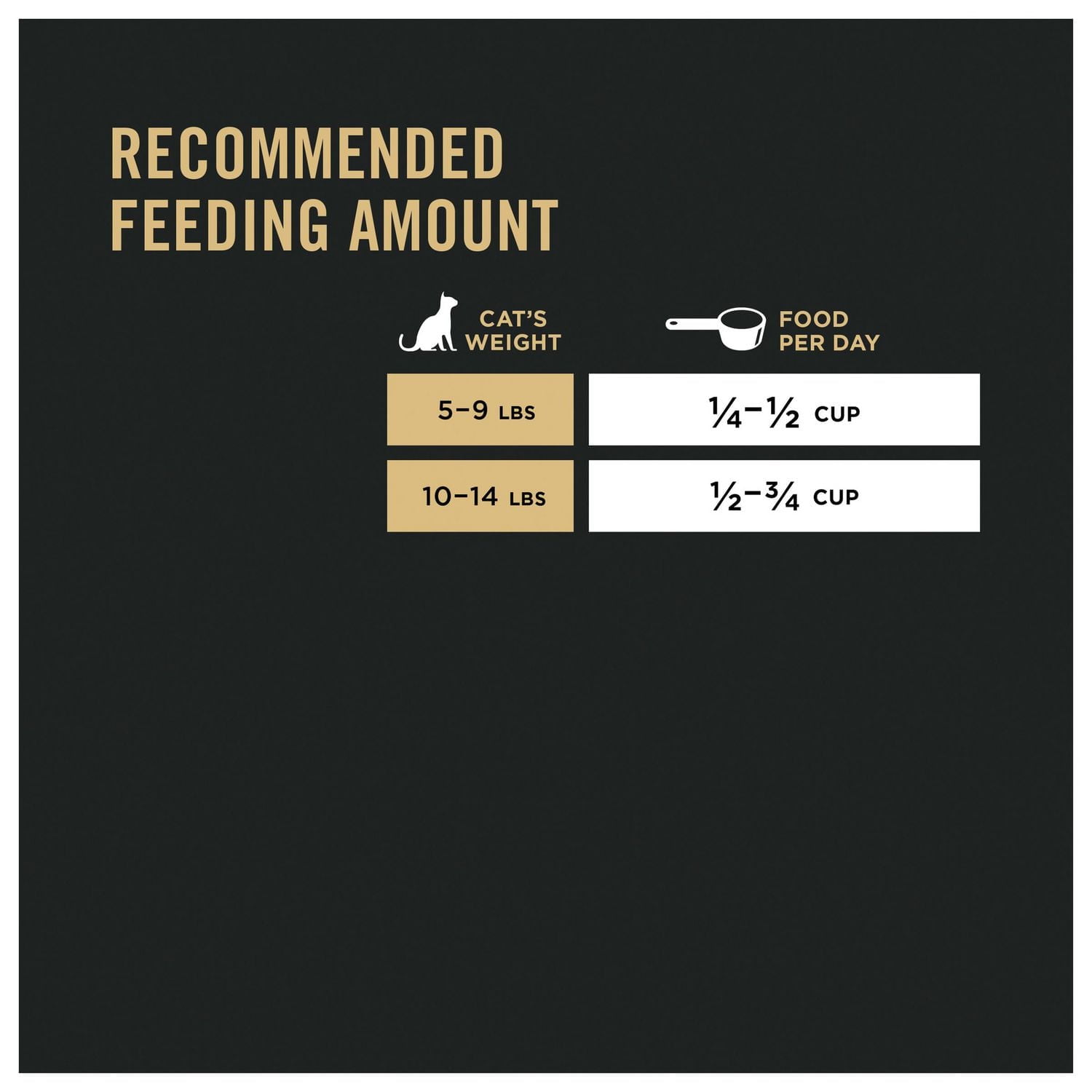
Start with the feeding guidelines on the cat food package. These are based on your cat’s weight and age. Monitor your cat’s body condition regularly. Adjust food amounts if your cat gains or loses weight.
Use a measuring cup for accuracy. Free feeding can lead to overeating. Divide the daily portion into two or more meals. This helps with digestion and energy throughout the day.
Factors Influencing Portion Size
Several factors affect how much your cat should eat:
- Activity level:Active cats need more calories.
- Age:Older cats often require fewer calories.
- Health conditions:Illness may change feeding needs.
- Type of food:Wet food and dry food have different calorie densities.
- Spaying or neutering:These can lower metabolism and reduce calorie needs.
Observe your cat closely. Adjust portions based on their lifestyle and health.
Nutritional Needs
Feeding an adult cat the right amount of food is vital for its health. Understanding nutritional needs helps keep your cat active and happy. Cats need a diet that supports their energy and body functions every day.
Essential Nutrients For Adult Cats
Cats require specific nutrients to thrive. Protein is the most important nutrient because cats are carnivores. They need amino acids from meat to maintain muscles and organs. Taurine is one such amino acid essential for heart and eye health.
Fats provide energy and help absorb vitamins. Omega-3 and Omega-6 fatty acids support skin and coat health. Vitamins and minerals like vitamin A, calcium, and phosphorus keep bones strong and support metabolism.
Balancing Proteins, Fats, And Carbs
A balanced diet has the right amounts of proteins, fats, and carbohydrates. Protein should make up most of your cat’s diet. Fat is the second-largest part, providing energy and essential fatty acids.
Carbohydrates are less important but can supply some energy. Too many carbs can cause weight gain and digestive issues. Look for foods where proteins and fats are the main ingredients.
- High protein content (around 30-40%)
- Moderate fat levels (15-20%)
- Low carbohydrates (less than 10%)
Feeding one cup of well-balanced food daily can meet these needs. Portion control helps maintain a healthy weight and prevents overeating.
Feeding Schedule
Creating a feeding schedule for your adult cat is essential. It helps maintain their health and energy. Cats thrive on routine and consistency. A well-planned schedule ensures they receive balanced nutrition. Let’s explore the best times and routines for feeding.
Best Times To Feed
Timing meals can affect your cat’s mood and health. Feed your cat in the morning and evening. Two meals a day work best for adult cats. Space these meals 8-12 hours apart. This schedule mimics their natural hunting patterns. Consistent feeding times prevent overeating and obesity.
Consistency And Routine
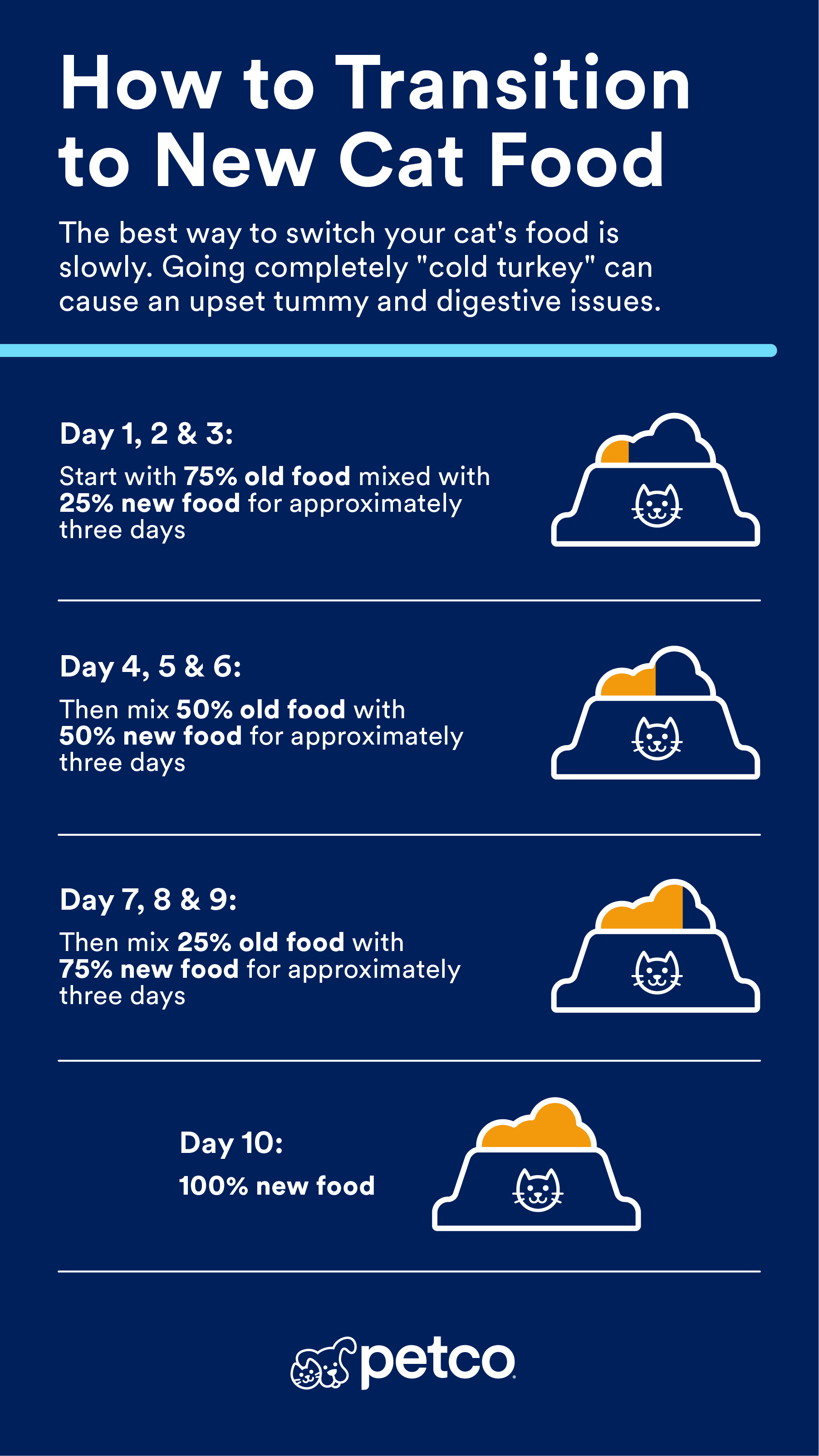
Cats are creatures of habit. Keeping a consistent feeding routine is crucial. Use the same location for their meals daily. This helps them feel secure and relaxed. Maintain the same portion sizes for each meal. Consistency in portions ensures balanced nutrition. A regular routine supports better digestion and overall well-being.
Credit: www.petco.com
Types Of Cat Food
Choosing the right type of food for your adult cat is essential for their health and happiness. There are different options available, each with its own benefits and drawbacks. Understanding these options can help you make the best choice for your feline friend’s diet.
Dry Vs. Wet Food
Dry food is convenient and easy to store. It also helps keep your cat’s teeth clean by reducing plaque buildup. However, it lacks moisture, which is important for cats who don’t drink enough water.
Wet food contains higher moisture content, which supports hydration and can be more appealing to picky eaters. It usually has fewer carbohydrates and more protein, closer to a cat’s natural diet. But wet food can be more expensive and requires refrigeration after opening.
Think about your cat’s lifestyle and preferences. Does your cat drink plenty of water? Are they prone to dental issues? These questions can guide your choice between dry and wet food.
Choosing Quality Ingredients
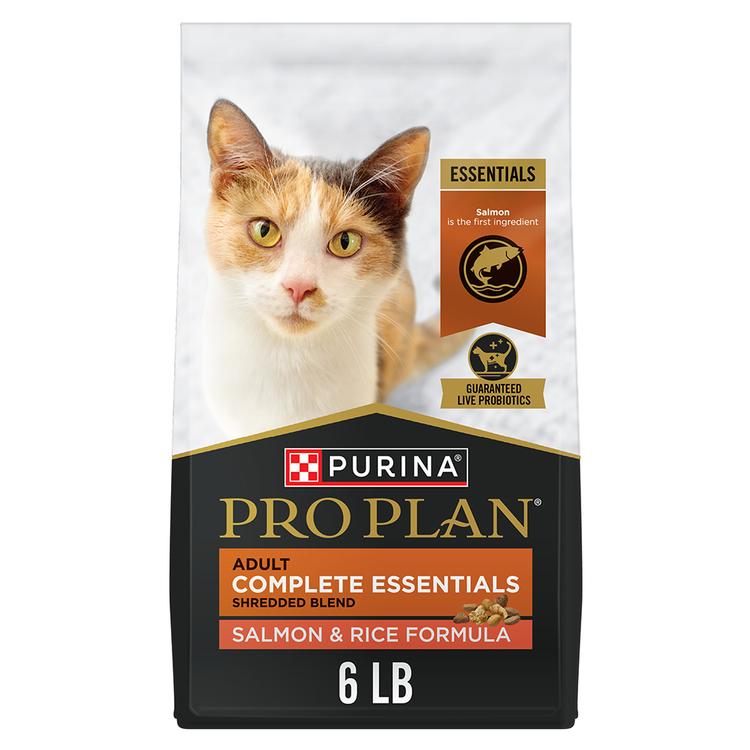
Look beyond the packaging claims and read the ingredient list carefully. High-quality cat food should list a named protein source, like chicken or salmon, as the first ingredient. Avoid foods with excessive fillers like corn or wheat, which offer little nutritional value.
Ingredients like taurine, vitamins, and minerals are crucial for your cat’s overall health. Some brands also add probiotics to support digestion. You might want to try a few brands to see which one your cat enjoys and responds to best.
Have you ever noticed your cat’s energy or coat change after switching foods? Paying attention to these signs can help you find the best quality food that meets your cat’s needs.
Monitoring Cat Health
Keeping an eye on your adult cat’s health goes beyond just feeding a cup of food a day. It’s about observing changes that could indicate if your cat is thriving or needs adjustments in diet and care. Monitoring helps you catch potential issues early, ensuring your feline friend stays happy and healthy.
Weight Management
Tracking your cat’s weight regularly is crucial. A steady weight means the daily food portion is just right. Sudden weight gain or loss can signal problems like overfeeding, underfeeding, or underlying health conditions.
Use a simple digital scale at home or visit your vet monthly. Compare the numbers and note any changes. If your cat gains more than 5% of its body weight in a month, consider reducing food intake or increasing playtime.
Signs Of Overfeeding Or Underfeeding
Watch for signs that your cat’s food amount isn’t matching its needs. Overfeeding often leads to a rounder belly, less energy, and difficulty jumping or climbing.
Underfeeding, on the other hand, may show through weight loss, dull fur, or increased meowing around feeding times. Your cat might also become more lethargic or irritable.
- Overfeeding signs:Excess weight, decreased activity, frequent panting.
- Underfeeding signs:Noticeable ribs, dull coat, begging for food.
Have you noticed your cat acting differently after adjusting its daily food? Small observations like these can guide you in fine-tuning the right portion size and keeping your cat’s health on track.
Credit: www.purina.com
Hydration Tips
Keeping your adult cat well hydrated is vital for its health. Cats often do not drink enough water naturally. Offering hydration tips helps maintain their fluid balance. Proper hydration supports kidney function, digestion, and overall energy.
Importance Of Water
Water is essential for every part of a cat’s body. It helps regulate body temperature and removes waste. Dehydration can lead to serious health problems like urinary tract issues. Cats on dry food diets especially need extra water. A well-hydrated cat stays active and feels better.
Encouraging Fluid Intake
Make water appealing to your cat. Change the water bowl daily with fresh water. Use a clean, shallow bowl placed in a quiet spot. Some cats prefer running water; consider a cat water fountain. Adding small amounts of water or broth to food can help. Offer wet food regularly to increase moisture intake.
Special Considerations
Feeding your adult cat a cup of food a day sounds simple, but there are special factors you need to consider. Every cat is unique, and their health or lifestyle can change how much and what type of food they need. Paying attention to these details helps keep your furry friend healthy and happy.
Feeding Cats With Health Issues
If your cat has health problems like diabetes, kidney disease, or allergies, their diet needs extra care. You might need to choose special prescription food or adjust the amount of protein and moisture. Talk to your vet about the best food choices and portion sizes for your cat’s condition.
I had a cat with sensitive kidneys, and switching to a vet-recommended diet made a big difference. Watching her energy return after adjusting her food was a clear sign that diet matters a lot.
Adjusting Diet For Activity Level
Is your cat a couch potato or a playful hunter? Active cats burn more calories and may need more food, while less active cats require less to avoid weight gain. Keep an eye on your cat’s weight and energy to find the right balance.
You can also break the daily cup into smaller meals throughout the day. This helps keep energy steady and avoids overeating. Have you noticed how your cat’s activity changes with the seasons? Adjusting food amounts can match those shifts perfectly.
Credit: www.walmart.ca
Frequently Asked Questions
How Much Food Does An Adult Cat Need Daily?
An adult cat typically needs about one cup of food per day. This amount varies based on the cat’s weight, activity level, and food type. Always check feeding guidelines on the cat food packaging and adjust portions accordingly.
Can One Cup Of Food Meet All Nutritional Needs?
One cup of balanced cat food can provide essential nutrients. Ensure the food is complete and formulated for adult cats. Supplement with fresh water and occasional treats to maintain a healthy diet.
What Types Of Food Fit Into One Cup Daily?
Dry kibble, wet food, or a mix can fit into one cup servings. Measure accurately to avoid overfeeding. Consult your vet to choose the best food type for your cat’s health.
How To Adjust Food Quantity For Overweight Cats?
Reduce the daily food portion gradually for overweight cats. One cup might be too much; monitor weight regularly. Consult a vet for a tailored feeding plan and safe weight loss advice.
Conclusion
Feeding your adult cat a cup of food daily helps keep them healthy. It provides the right amount of nutrients and energy. Watch your cat’s weight and adjust the food as needed. Fresh water should always be available alongside meals.
Regular feeding routines support your cat’s well-being and happiness. Small changes can make a big difference in their health. Keep meals simple, balanced, and consistent for best results. Caring for your cat starts with good daily habits.




Leave a Reply