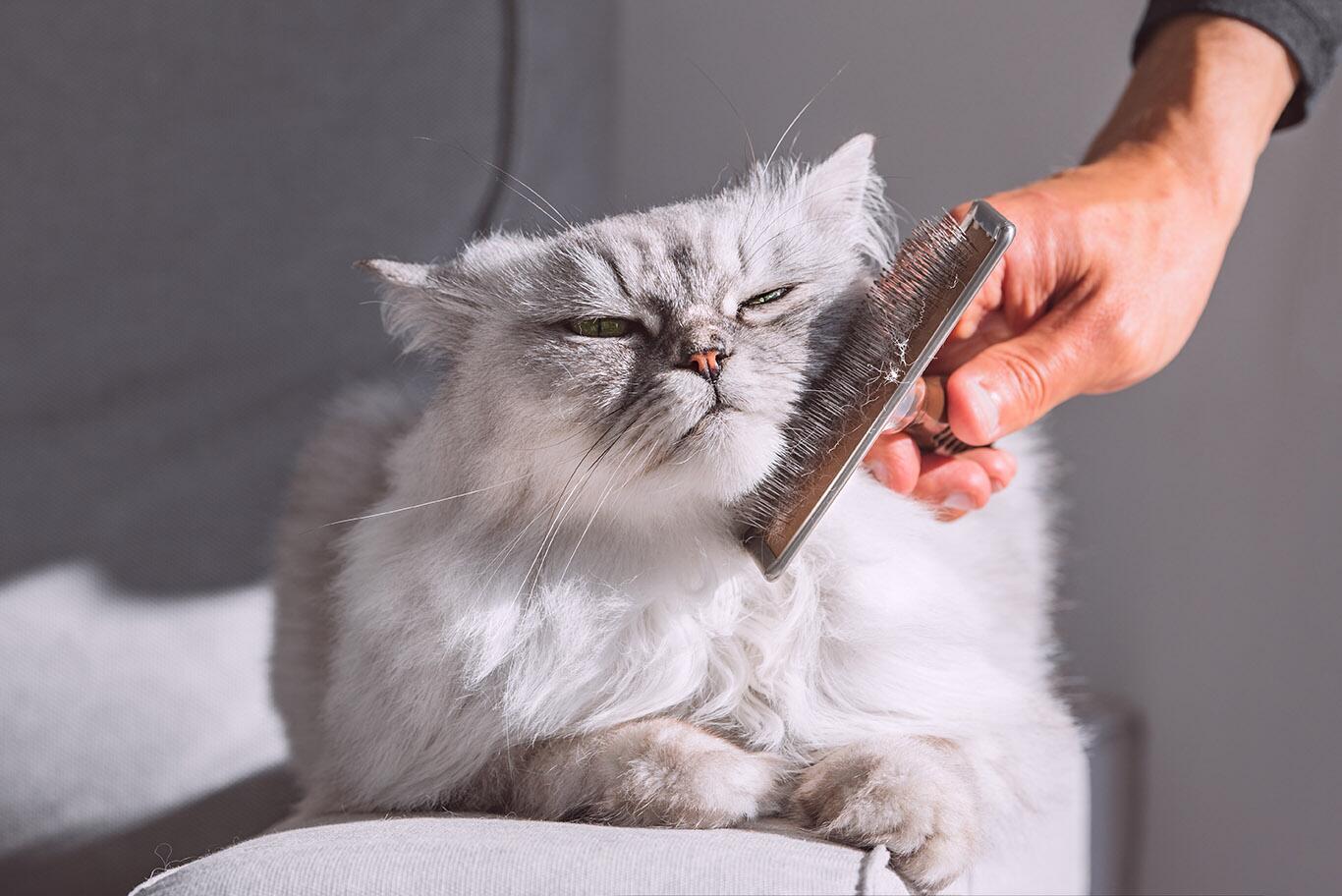
If you have a Persian cat or are thinking about getting one, you might be wondering: do Persian cats need grooming? The answer is yes, and it’s more important than you might think.
Your cat’s long, luxurious fur can quickly become tangled and matted without proper care. But don’t worry—grooming your Persian can be simple and even enjoyable for both of you. Keep reading to discover why grooming is essential and how it can keep your furry friend healthy and happy every day.

Credit: purebredkitties.com
Persian Cat Coat Characteristics
The Persian cat’s coat is truly one of its most defining features. Understanding the unique characteristics of their fur helps you care for them better. This knowledge also prepares you for the grooming challenges you might face with your feline friend.
Long And Dense Fur
Persian cats have long, thick fur that feels soft to the touch but requires regular attention. Their dense undercoat can trap dirt and moisture, which makes daily brushing essential to prevent mats and tangles. If you skip grooming, you might notice uncomfortable knots forming, which can irritate your cat’s skin.
Have you ever tried brushing a Persian’s fur only to find it turning into a tangled mess? It’s more common than you think, and consistent care keeps their coat healthy and comfortable.
Common Coat Colors
Persians come in a variety of coat colors, including solid shades like white, black, and blue, as well as patterns like calico and tabby. Some colors show dirt and stains more easily, such as white or cream, which means you might need to clean your cat more often. Knowing your Persian’s coat color can help you choose the right grooming products and techniques.
For example, darker coats might hide minor dirt, but they still require regular brushing to keep the fur shiny and smooth.
Shedding Patterns
Persian cats shed year-round, with heavier shedding in spring and fall when they lose their winter or summer undercoat. You can expect fur everywhere—on your clothes, furniture, and floors. Regular grooming helps control shedding and reduces the amount of loose hair around your home.
Have you noticed more fur on your couch during seasonal changes? That’s your Persian adjusting its coat. Brushing during these times can make a big difference in keeping your home clean and your cat comfortable.
Importance Of Regular Grooming
Regular grooming is essential for Persian cats to stay healthy and comfortable. Their long, thick fur needs constant care to avoid problems that affect their skin and coat. Grooming keeps your cat clean and helps spot any skin issues early.
It also creates a strong bond between you and your pet. Grooming sessions give your Persian cat attention and comfort. Skipping grooming can cause discomfort and health issues for your cat.
Preventing Matting And Tangles
Persian cats have dense fur that easily mats and tangles. Mats pull on the skin and cause pain. Regular brushing stops mats from forming and keeps the fur soft. It also makes your cat look neat and tidy.
Reducing Hairballs
Persian cats swallow loose fur while grooming themselves. This fur can form hairballs in their stomach. Brushing removes loose hair before your cat swallows it. This lowers hairball problems and helps your cat digest better.
Maintaining Skin Health
Grooming stimulates blood flow to the skin. It spreads natural oils that keep the skin hydrated. Regular checks during grooming help find skin issues early. This prevents infections and keeps your cat’s skin healthy.
Daily Grooming Routine
Persian cats need daily grooming to keep their long fur clean and tangle-free. Brushing helps prevent mats and reduces shedding. Regular care also keeps their skin healthy and comfortable.
Persian cats are a delight to have around, but their luxurious coats require regular attention. A daily grooming routine is not just about keeping them looking elegant—it’s essential for their health and well-being. Consistent grooming helps prevent tangles, reduces shedding, and keeps their skin healthy. Let’s delve into the daily grooming routine that keeps your Persian cat purring with happiness.Brushing Techniques
To keep your Persian cat’s coat silky and tangle-free, regular brushing is key. Start by gently brushing in the direction of hair growth. This reduces discomfort and prevents hair breakage. Pay special attention to areas prone to matting, such as behind the ears and under the legs. Using a soft-bristle brush can make this process smoother and more enjoyable for your feline friend.Choosing The Right Tools
Selecting the right grooming tools can make all the difference. A wide-toothed comb is excellent for removing tangles without pulling on your cat’s sensitive skin. A slicker brush is effective for removing loose fur and preventing shedding. Always ensure your tools are clean and in good condition—your cat will thank you for it!Handling Sensitive Areas
Grooming a Persian cat involves dealing with sensitive areas that require extra care. Be gentle around the face, especially near the eyes and nose, where the skin is delicate. Use a damp cotton ball to clean around the eyes, ensuring no residue is left that could cause irritation. If your cat seems uncomfortable, take breaks to reassure them—grooming should be a bonding experience, not a battle. Do you have any tricks that make grooming time easier? Share them with us! Keeping a Persian cat well-groomed is a rewarding task that strengthens your bond with your pet. Enjoy the process and watch your furry companion shine with every stroke of the brush.Bathing Tips For Persian Cats
Bathing your Persian cat can feel like a daunting task, but it’s a crucial part of keeping their luxurious coat healthy and beautiful. Unlike many cats, Persians benefit from regular baths to prevent mats and reduce excess oils. Understanding the right way to bathe your feline friend makes the experience less stressful for both of you.
Frequency And Timing
How often should you bathe your Persian cat? Most experts recommend bathing every 4 to 6 weeks. This keeps their coat clean without stripping natural oils.
Timing matters too. Choose a calm, quiet time when your cat is most relaxed. Avoid bathing right before meals or playtime to prevent agitation.
Safe Shampoo Choices
Not all shampoos are safe for Persian cats. Look for formulas labeled specifically for cats or kittens, as they’re gentle and pH-balanced.
Avoid products with harsh chemicals or strong fragrances. Natural ingredients like oatmeal or aloe vera soothe sensitive skin and reduce irritation.
If your cat has skin issues, consult your vet for a medicated shampoo recommendation. Never use human shampoos—they can cause dryness and allergic reactions.
Drying Methods
After the bath, drying your Persian cat properly is key to preventing mats and chills. Start by gently towel-drying to absorb excess water.
Many cats dislike blow dryers, but some tolerate low-heat settings if introduced slowly. Keep the dryer moving to avoid hot spots.
If blow drying isn’t an option, use a warm room and plenty of towels to help your cat dry naturally. Brushing while drying helps separate the fur and prevent tangles.
Dealing With Common Coat Issues
Persian cats have thick, luxurious coats that demand special attention. Ignoring their grooming needs can lead to common coat problems that affect both their appearance and comfort. Addressing these issues early helps keep your cat healthy and happy.
Mat Removal Strategies
Mats can form quickly in Persian cats due to their long fur. Gently work through mats with a wide-toothed comb to avoid hurting your cat.
If a mat is too tight, use scissors carefully or seek help from a professional groomer. Regular brushing prevents mats from forming in the first place.
Managing Shedding Seasons
Persians shed more during seasonal changes. Increase your brushing sessions to daily during these times to catch loose fur early.
Use a slicker brush or grooming glove to remove dead hair efficiently. This reduces hairballs and keeps your home cleaner.
Identifying Skin Problems
Check your cat’s skin often for redness, bumps, or dryness. These signs can indicate allergies or infections that need veterinary attention.
Notice if your cat is scratching more than usual or has bald spots. Early detection helps you address skin issues before they worsen.

Credit: cats.com
Professional Grooming Services
Professional grooming services play a vital role in caring for Persian cats. Their long, thick coats require special attention that can be challenging at home. Experts have the right tools and skills to keep your cat’s fur healthy and clean. Regular visits to a groomer help prevent mats and skin problems.
Groomers also check for signs of health issues during the session. They can trim nails, clean ears, and remove dirt safely. This service makes your Persian cat feel comfortable and look its best.
When To Seek Help
Look for professional grooming if your cat’s fur is tangled or matted. Severe mats can cause pain and skin infections. If you notice your cat scratching a lot or having bald spots, a groomer can help. Long nails or dirty ears are also reasons to visit a groomer. Some owners prefer regular appointments to avoid problems.
What To Expect During Grooming
Grooming starts with brushing to remove loose hair and tangles. The groomer may use special combs designed for Persian coats. Bathing follows, using gentle shampoo made for cats. After drying, the groomer trims nails and cleans ears carefully. The whole process usually takes one to two hours. Your cat may feel relaxed or a bit nervous but stays safe throughout.
Costs And Frequency
Grooming prices vary based on location and services offered. On average, expect to pay between $50 and $100 per session. Some groomers charge extra for nail trimming or ear cleaning. Persian cats benefit from grooming every 4 to 6 weeks. Regular visits reduce mats and keep the coat shiny. Budgeting for grooming helps maintain your cat’s health and comfort.
Nutrition And Coat Health
Your Persian cat’s luxurious coat doesn’t just depend on grooming alone. Nutrition plays a vital role in maintaining that soft, shiny fur you love to stroke. Feeding your cat the right nutrients can reduce shedding, prevent mats, and keep the coat healthy from the inside out.
Essential Nutrients
Proteins are the building blocks of healthy fur. Make sure your cat’s diet contains high-quality animal proteins to support strong hair growth.
Omega-3 and omega-6 fatty acids are crucial. These fats help keep the skin hydrated and the coat glossy. Look for foods rich in fish oil or flaxseed oil.
Vitamins like A, E, and biotin also matter. They promote skin repair and prevent dryness, which can lead to flaky, dull fur.
Supplements For Shiny Fur
If your cat’s coat looks lackluster, supplements can help. Adding fish oil capsules or specially formulated skin and coat supplements may boost shine and softness.
Before adding supplements, check with your vet. Too much of certain nutrients can cause health issues. Balance is key.
Sometimes, a supplement can make a noticeable difference within weeks. Have you ever tried this for your cat’s coat? What changes did you see?
Hydration And Its Effects
Water isn’t just for thirst—it’s essential for your cat’s skin and fur health. Dehydration can cause dry, brittle hair that breaks easily.
Ensure your Persian always has fresh water available. Some cats prefer running water, so a pet fountain might encourage them to drink more.
Wet cat food can also help increase hydration. Are you noticing any changes in your cat’s coat when they drink less? Paying attention to hydration could solve unexpected coat problems.
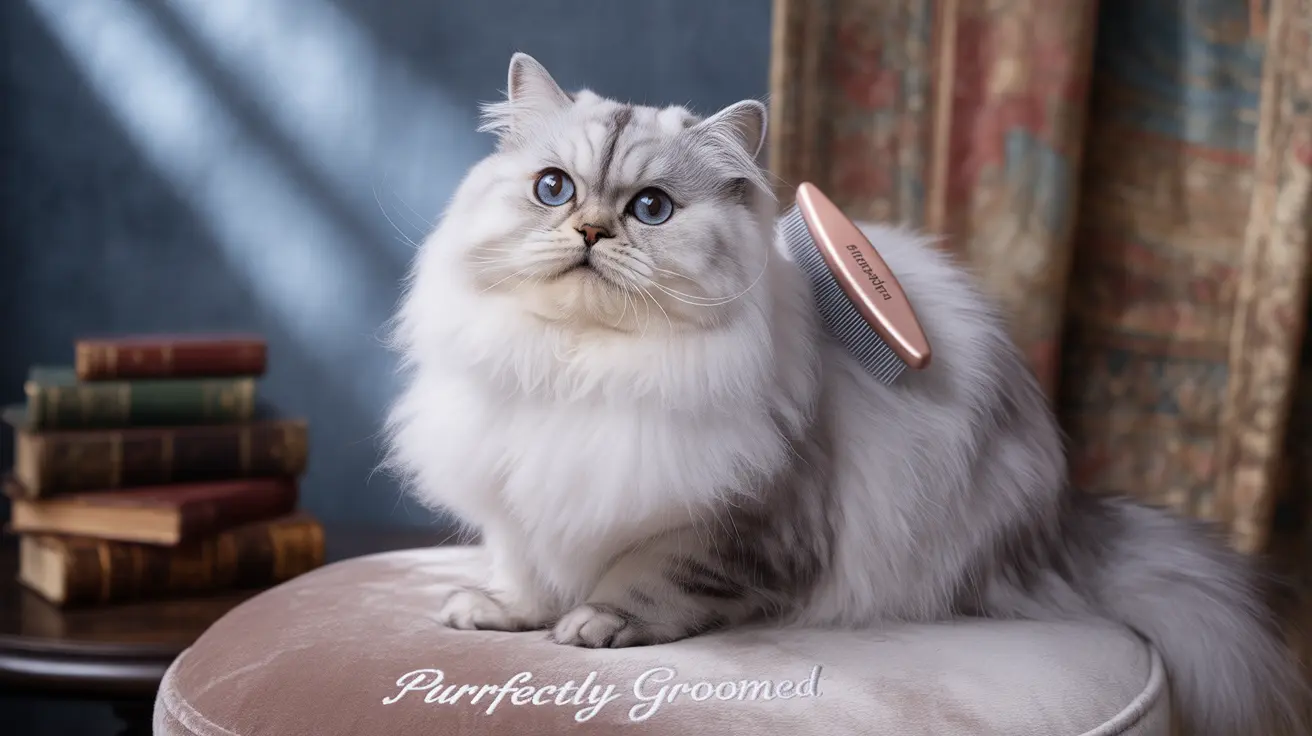
Credit: www.petscare.com
Frequently Asked Questions
Do Persian Cats Require Daily Grooming?
Yes, Persian cats need daily grooming to prevent matting and tangles. Their long fur is prone to knots, so brushing daily keeps their coat healthy and clean.
How Often Should Persian Cats Be Bathed?
Bathing Persian cats once a month is ideal. Regular baths help remove dirt, oils, and reduce shedding, keeping their coat soft and manageable.
What Grooming Tools Are Best For Persian Cats?
Use a wide-toothed comb, a slicker brush, and grooming scissors. These tools help remove tangles, loose fur, and maintain the cat’s silky coat.
Can Grooming Reduce Persian Cats’ Shedding?
Yes, regular grooming significantly reduces shedding. Brushing removes loose fur and prevents hairballs, keeping your home cleaner and your cat more comfortable.
Conclusion
Persian cats need regular grooming to stay healthy and happy. Their long fur can get tangled and dirty quickly. Brushing them often stops mats and reduces shedding. Clean eyes and ears help avoid infections. Grooming also builds a strong bond between you and your cat.
Skipping grooming can cause skin problems and discomfort. Simple daily care makes a big difference. Keep your Persian cat comfortable with gentle grooming habits. Small efforts lead to a cleaner, happier pet.

Leave a Reply