Are you tired of spending too much on cat litter boxes that don’t quite fit your space or style? Imagine creating a litter box that perfectly suits your home and your cat’s needs—without breaking the bank.
Building your own DIY cat litter box is easier than you think, and it gives you full control over size, design, and cleanliness. In this guide, you’ll discover simple steps and clever tips to make a litter box that both you and your furry friend will love.
Ready to transform your cat’s space and save money? Let’s dive in!
Benefits Of Diy Cat Litter Boxes
Building your own cat litter box offers many advantages over buying one from a store. It gives you control over design, materials, and cost. You can create a litter box that perfectly fits your home and meets your cat’s needs. Here are some key benefits of making a DIY cat litter box.
Cost Savings Compared To Store-bought
DIY cat litter boxes can be much cheaper than store-bought ones. You can reuse materials you already have. No need to spend money on brand-name products. This approach saves cash without sacrificing quality.
Customization To Fit Your Space
Store-bought litter boxes come in standard sizes. A DIY box lets you choose the exact size and shape. It fits tight spaces or unusual corners easily. You can add features like lids or extra height. This makes cleaning easier and keeps your home tidy.
Eco-friendly Materials Options
Using recycled or natural materials helps the environment. You can select wood, cardboard, or biodegradable plastics. These choices reduce waste and pollution. A DIY litter box can be safer for your cat and better for the planet.
Materials You’ll Need
Gathering the right materials is key to building a DIY cat litter box that both you and your feline friend will appreciate. The choices you make now affect durability, ease of cleaning, and your cat’s comfort. Before you start, think carefully about what supplies will work best for your space and your cat’s habits.
Choosing The Right Containers
Finding the perfect container is more than picking something that fits. Consider depth—your cat needs enough room to dig without litter spilling everywhere. Plastic storage bins with high sides often work well, but have you thought about repurposing old drawers or shallow pet carriers?
Size matters too. If your cat is large or tends to kick litter out, a bigger, sturdier container is a must. Look for containers with smooth edges to avoid injuries and make cleaning easier.
Tools And Accessories
Simple tools can make your DIY project smoother and more precise. A utility knife or strong scissors help cut holes or lids if you want a covered box. A drill might come in handy for ventilation holes or handles.
Don’t forget accessories like a scoop holder or non-slip mats to keep the box steady. Have you considered adding a dustpan or small brush nearby to manage spills? These little extras keep your setup neat and your cat happy.
Safe And Non-toxic Supplies
Your cat’s health depends on the materials you choose. Avoid containers made from toxic plastics or paints that could emit harmful fumes. Opt for BPA-free plastics or untreated wood to keep the environment safe.
Also, steer clear of strong adhesives or sealants unless they are labeled non-toxic. Cats are sensitive, and you want to prevent any irritation or allergic reactions. What materials have you used before that your cat reacted well to?
Simple Diy Litter Box Designs
Creating a cat litter box at home can save money and fit your space perfectly. Simple designs make it easy to build and keep clean. Choose a style that suits your cat’s habits and your home’s look. These DIY litter boxes are quick to assemble and use everyday materials.
Basic Open-top Box
The basic open-top box is a simple and practical choice. Use a sturdy plastic or wooden container with high sides. This keeps litter inside and stops spills. Add a non-slip mat underneath to keep the box steady. Easy to clean and refill, this design suits most cats.
Covered Litter Box With Lid
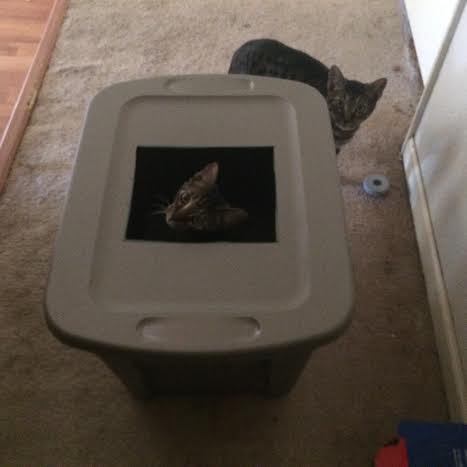
A covered litter box gives your cat privacy and reduces odor. Use a large plastic storage bin and cut an entrance hole on one side. Attach a removable lid for easy cleaning. This design controls dust and keeps litter inside. It also helps keep your home smelling fresh.
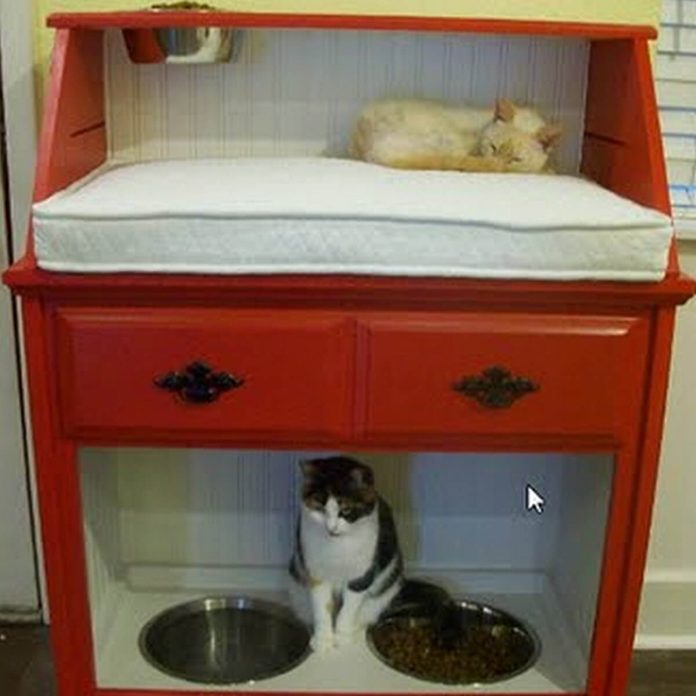
Drawer-style Hidden Litter Box
This style hides the litter box inside a piece of furniture. Build a drawer with smooth sliders that pull out for cleaning. The top surface can serve as a table or shelf. This design blends into your home and controls odor well. It’s perfect for small spaces and stylish rooms.
Credit: www.familyhandyman.com
Creative And Stylish Ideas
Create a unique cat litter box using simple materials at home. Stylish designs can blend well with your room’s decor. Personal touches make it both practical and attractive for your pet.
Creating a DIY cat litter box doesn’t mean compromising on style. With some creativity, you can make a litter box that blends seamlessly with your home. It can be both functional and visually appealing. Let’s explore some creative and stylish ideas for your feline friend.Using Repurposed Furniture
Transform old furniture into a chic litter box. An unused cabinet or dresser can work wonders. Simply cut a hole for easy cat access. Inside, place the litter tray. This hides the box and keeps it out of sight. Paint the furniture to match your decor. Add stylish knobs or handles for a fresh look.Decorative Covers And Screens
Decorative covers can add charm to the litter area. Use fabric or wood screens to hide the box. Choose patterns that match your room. This adds a touch of elegance. Screens can be easily moved. They also help in containing litter mess.Incorporating Modern Design Elements
Modern design elements can elevate the space. Consider sleek lines and minimalist styles. Use materials like metal or glass for a contemporary feel. A modern litter box can be a conversation piece. It blends with modern interiors and keeps the area tidy. Explore these ideas for a stylish home. Your cat will appreciate the effort. And so will you.Tips For Maintenance And Cleaning
Keeping your DIY cat litter box clean is essential for your cat’s health and your home’s freshness. Proper maintenance prevents odors and messes from building up, making your cat more comfortable and your cleaning routine easier. Here are some practical tips to help you maintain and clean your handmade litter box effectively.
Easy-to-clean Materials
Choosing the right materials for your litter box can save you time and effort during cleaning. Smooth plastic or sealed wood surfaces wipe down quickly and resist staining better than porous materials.
Consider lining the box with a removable, washable mat or silicone liners. These additions catch spills and litter scatter, letting you clean the box faster without scrubbing.
Odor Control Solutions
Odors are a common problem with litter boxes, but you can tackle this by adding natural deodorizers. Baking soda sprinkled under the litter absorbs smells without harming your cat.
Activated charcoal or charcoal bags placed near the box can also help trap odors in the air. You might also try switching to clumping litter with odor control properties to keep the area smelling fresh longer.
Routine Cleaning Schedule
How often do you clean your cat’s litter box? Establishing a routine can prevent buildup and keep your cat using the box happily.
- Scoop waste daily to keep the litter clean and dry.
- Change the litter completely at least once a week.
- Wash the box with mild soap and warm water during each full litter change.
Setting reminders on your phone helped me stick to this schedule, turning a chore into a quick habit. Would regular check-ins help you maintain a cleaner space for your cat?
Credit: www.purina.com
Common Mistakes To Avoid
Building your own cat litter box can be rewarding, but it’s easy to slip up if you’re not careful. Avoiding common mistakes will save you time and keep your feline friend happy. Let’s look at some pitfalls you should watch out for when making your DIY litter box.
Choosing The Wrong Size
Picking a litter box that’s too small can frustrate your cat and lead to accidents outside the box. A cramped space makes it hard for your cat to turn around comfortably, especially for larger breeds. On the other hand, an overly large box might be harder to clean and take up unnecessary room in your home.
Think about your cat’s size and habits. Would your cat prefer a deep box to dig in or a shallow one for easy entry? Measure your cat or observe how much space they typically need, then choose dimensions that suit those needs.
Using Harmful Materials
Not all materials are safe for your cat’s health. Avoid using treated wood, toxic paints, or glues that can emit harmful fumes or cause allergic reactions. Even rough surfaces can hurt your cat’s paws or cause splinters.
Opt for pet-safe, non-toxic materials like untreated wood, smooth plastic, or metal. If you want to paint or seal the box, pick products labeled safe for pets. Your cat’s safety should come before aesthetics.
Poor Ventilation Issues
Lack of airflow can trap odors and moisture inside the litter box, making it unpleasant for both you and your cat. Without good ventilation, bacteria and mold can also build up quickly.
Design your box with holes or slats to allow fresh air to circulate. Even a simple vent near the top can reduce smells and keep the litter dry longer. Have you noticed how your cat reacts to confined spaces? Proper airflow could make all the difference.
Encouraging Your Cat To Use The New Litter Box
Encouraging your cat to use a new DIY litter box can be a smooth process with the right approach. Cats are creatures of habit and can be sensitive to changes in their environment. Helping them adjust requires patience, thoughtful placement, gradual transition, and positive reinforcement to make the new box a welcoming spot.
Placement And Accessibility
Choose a quiet and low-traffic area for the new litter box. Cats prefer privacy but also want easy access without feeling trapped or startled. Avoid placing the box near loud appliances or busy hallways.
Make sure the box is easy for your cat to reach. If your cat is older or has mobility issues, a box with lower sides and closer to their favorite resting spots helps. You might notice your cat’s preferred bathroom locations—try to place the new box nearby to reduce confusion.
Transition Strategies
Start by placing the new litter box next to the old one. This encourages your cat to explore without feeling forced. Gradually move the new box to the desired location over several days.
Mix some of the old litter into the new box to keep familiar scents present. This small step can reduce anxiety and make the new box feel more like home. If your cat refuses the new box, don’t remove the old one too quickly—give them time to adjust.
Positive Reinforcement Methods
Reward your cat immediately after they use the new litter box. Use treats, gentle petting, or soft praise to create a positive association. Cats respond best to calm and consistent encouragement.
If your cat seems hesitant, try placing a favorite toy or blanket nearby to invite curiosity. Avoid punishment for accidents; instead, clean up thoroughly and gently guide your cat back to the box. Have you noticed how a small reward can make a big difference in your cat’s behavior?
Credit: pethelpful.com
Frequently Asked Questions
What Materials Are Needed For A Diy Cat Litter Box?
You need a plastic storage bin, a drill, sandpaper, and non-toxic paint. Optional items include a liner and a scoop. These materials are affordable and easy to find at local stores or online.
How Do I Make My Diy Cat Litter Box Odor-free?
Use baking soda or activated charcoal in the litter to absorb odors. Clean the box weekly and replace the litter regularly. Proper ventilation also helps reduce unwanted smells effectively.
Can I Customize The Size Of My Diy Cat Litter Box?
Yes, you can choose any bin size that fits your cat’s needs. Ensure it is large enough for your cat to turn comfortably. Custom sizes improve comfort and encourage consistent litter box use.
Is A Diy Cat Litter Box Safe For My Cat?
Yes, using non-toxic materials and smooth edges ensures safety. Avoid sharp tools and harmful paints. Regular cleaning also maintains hygiene and prevents health issues.
Conclusion
Building your own cat litter box saves money and fits your space. It lets you choose materials that suit your cat’s needs. Plus, it adds a personal touch to your home. Small effort, big rewards. Try different designs until you find what works best.
Keep your cat happy and your home clean. Simple steps lead to great results. Why not give it a try today?

Leave a Reply