If you have a cat, you probably know that cleaning the litter box is part of your daily routine. But how often should you really clean it to keep your home fresh and your cat happy?
Getting this right isn’t just about cleanliness—it can affect your cat’s health and your peace of mind. You’ll discover simple, effective tips to keep your cat’s litter box clean without wasting time or effort. Keep reading to find out the best cleaning schedule for your furry friend and why it matters more than you might think.

Credit: perfectpetzzz.com
Ideal Cleaning Frequency
Keeping your cat’s litter box clean is important for their health and comfort. The right cleaning schedule helps reduce odors and keeps your home fresh. It also encourages your cat to use the box regularly. Understanding the ideal cleaning frequency can make this chore easier and more effective.
Daily Scooping Benefits
Scooping the litter box every day removes waste quickly. This prevents smells from building up. It also keeps the box inviting for your cat. Daily scooping lowers the chance of litter tracking outside. It helps maintain a clean and healthy environment for your pet.
Weekly Deep Cleaning
Once a week, empty all the litter completely. Wash the box with mild soap and warm water. Avoid strong chemicals that can harm your cat. Let the box dry fully before adding new litter. Deep cleaning stops bacteria and odors from growing. It keeps the litter box fresh and safe.
Monthly Maintenance Tips
Check the litter box for cracks or damage monthly. Replace the box if it looks worn out. Consider changing the type of litter to find what your cat prefers. Clean the area around the box to prevent dirt buildup. Monthly care extends the life of the box and keeps your cat happy.
Factors Affecting Cleaning Schedule
Knowing how often to clean your cat’s litter box depends on several key factors. Each cat and household is unique, so understanding these elements helps you create a cleaning routine that keeps your home fresh and your cat happy. Let’s look closer at what influences the best cleaning schedule for your litter box.
Number Of Cats
The more cats you have, the more frequently you need to clean the litter box. One cat might only need the box scooped once a day, but two or three cats? You may find yourself scooping multiple times daily. Have you noticed how quickly a litter box gets used when multiple cats share it? This can also mean investing in additional litter boxes to prevent stress and accidents.
Type Of Litter Used
Not all cat litter is created equal when it comes to odor control and clumping. Clumping litters usually make cleaning easier and can stretch the time between full changes. Non-clumping or natural litters may require more frequent changes to avoid smells. Have you tried different litter types to see which one works best for your cleaning routine and your cat’s comfort?
Cat’s Health And Habits
A cat with health issues like urinary tract infections might need the litter box cleaned more often to prevent discomfort and keep an eye on symptoms. Cats that are picky about cleanliness will also push you to clean more regularly to avoid accidents outside the box. Pay attention to your cat’s behavior—are they using the box consistently, or avoiding it? This can tell you a lot about whether your cleaning schedule needs adjustment.
Choosing The Right Litter Box
Cleaning the litter box daily keeps your cat healthy and your home fresh. Regular scooping prevents odors and helps spot any health issues early. Choose a litter box that is easy to clean and suits your cat’s size.
Choosing the right litter box is crucial for your cat’s comfort. A suitable litter box makes cleaning easier and your cat happier. Let’s explore the different options available.Open Vs Covered Boxes
Open boxes are easy to clean and have good ventilation. Cats often prefer them because they can see their surroundings. Covered boxes offer privacy and contain odors. They can be harder to clean and might not suit all cats. Consider your cat’s habits and preferences.Self-cleaning Options
Self-cleaning boxes automatically remove waste, reducing your workload. They are convenient but can be costly. Some cats may be scared by the noise or movement. Evaluate if your cat will tolerate this type of box.Size And Placement
Choose a box that’s big enough for your cat to turn around. The box should be placed in a quiet, accessible spot. Avoid placing it near noisy appliances or busy areas. Ensure it’s easy for your cat to reach.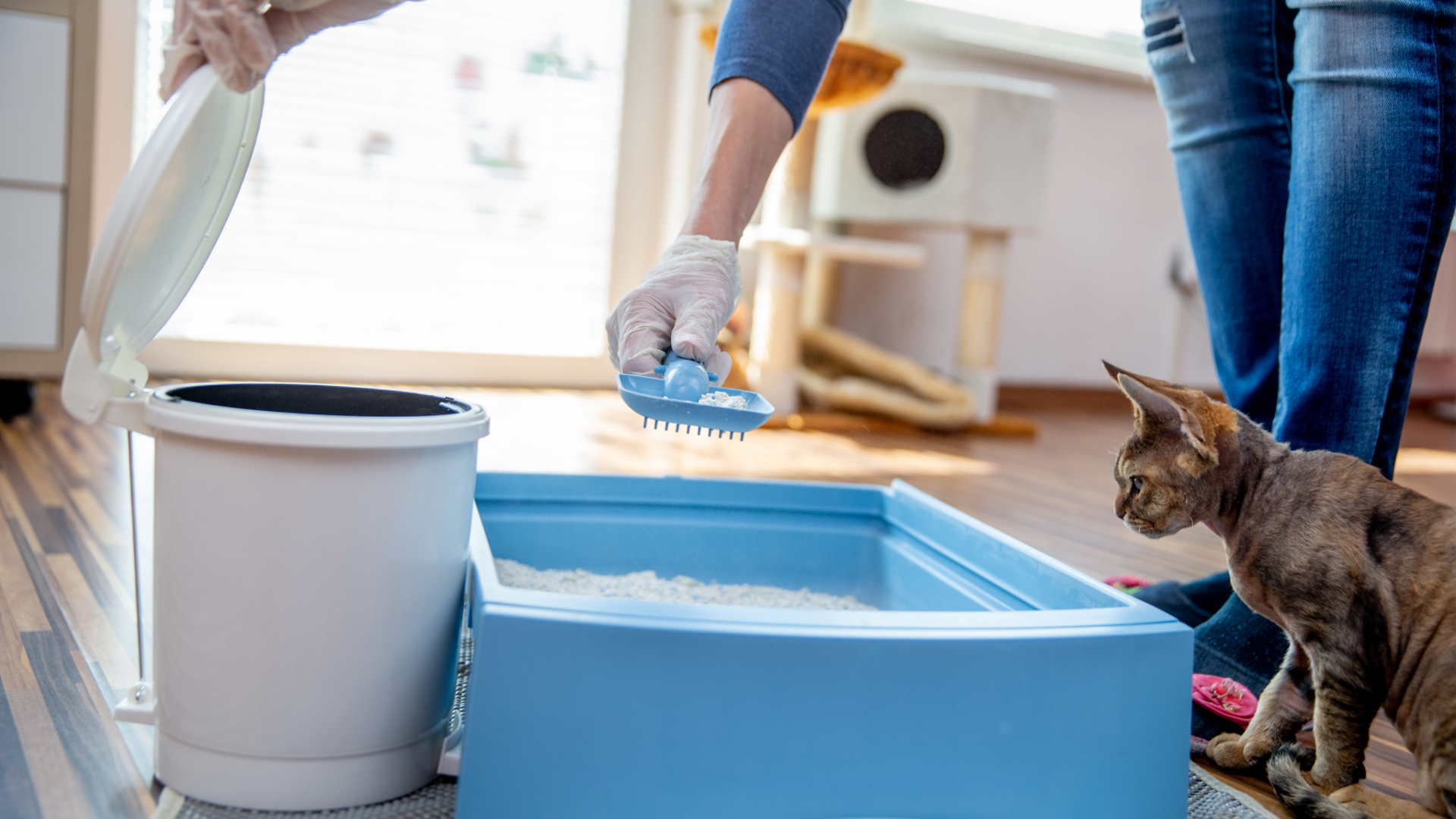
Credit: www.petsradar.com
Best Cleaning Practices
Maintaining a clean cat litter box is essential for your cat’s health and your home’s freshness. Best cleaning practices help keep the box hygienic and reduce odors. Simple steps and safe products make the process easier and safer for both you and your cat.
Safe Cleaning Products
Choose gentle, non-toxic cleaners to protect your cat’s sensitive nose. Avoid strong chemicals like bleach or ammonia, which can harm pets. Mild dish soap or vinegar mixed with water works well. These options clean effectively without leaving harmful residues.
Proper Disposal Methods
Dispose of soiled litter in sealed bags to trap odors. Never flush litter down the toilet; it can clog pipes and harm the environment. Use a dedicated trash bin for litter waste and empty it regularly to maintain cleanliness and prevent smells.
Preventing Odors
Clean the litter box daily by scooping out waste. Change all the litter at least once a week. Sprinkle baking soda at the bottom to absorb smells. Place the box in a well-ventilated area to keep air fresh and reduce odor buildup.
Signs Your Litter Box Needs Attention
Knowing when your cat’s litter box needs cleaning is key to keeping both your home and your furry friend happy. It’s not always about a strict schedule; sometimes, your senses and your cat’s behavior give clear signals. Paying attention to these signs can save you from dealing with unpleasant surprises and help maintain a healthy environment for your cat.
Unpleasant Smells
One of the most obvious signs your litter box needs attention is a strong, unpleasant odor. If you catch a whiff of ammonia or a sour smell even after scooping, it’s time for a thorough cleaning. A lingering smell means bacteria and waste are building up, which can irritate your cat and your nose.
Have you noticed guests flinching when they enter the room? That’s a clear hint to act fast. Regularly changing the litter and washing the box can keep those smells at bay.
Cat Avoidance Behavior
Does your cat suddenly start avoiding their litter box? This behavior often signals discomfort linked to cleanliness. Cats are clean creatures, and if their box is too dirty, they might look for other places to do their business.
Watch for signs like your cat sniffing around the box but not using it, or choosing corners of the house instead. If this happens, check the box immediately. Cleaning it thoroughly might be all it takes to bring your cat back.
Visible Dirt And Clumps
When you see clumps of waste or litter sticking to the sides of the box, it’s a direct message that cleaning is overdue. Even if you scoop daily, some residue can build up, making the box less inviting.
Look for mats of old litter or crusty areas at the bottom of the box. These can trap odors and bacteria. Scrubbing the box with mild soap and water once a week helps keep it fresh and welcoming for your cat.

Credit: www.petplan.co.uk
Tips For Busy Cat Owners
Keeping the cat litter box clean can be tough with a busy schedule. Small habits help maintain freshness without much effort. Simple changes make a big difference for both you and your cat.
Setting A Cleaning Routine
Choose specific times each day to scoop the litter box. Consistency helps avoid buildup and odors. Even five minutes daily keeps the box clean. Set reminders on your phone to stay on track. A routine makes cleaning less of a chore.
Using Litter Liners
Litter liners simplify the cleaning process. They prevent waste from sticking to the box. When it is time to clean, just lift and replace the liner. This method reduces mess and saves time. Liners protect the box and keep it fresh longer.
Automated Solutions
Self-cleaning litter boxes offer help for busy owners. These devices scoop waste automatically after each use. They reduce odor and keep the box tidy with little effort. Automated boxes cost more but save time daily. Choose one that fits your cat’s size and habits.
Frequently Asked Questions
How Often Should I Scoop Cat Litter Daily?
Scoop the cat litter box at least once daily. This keeps odors low and your cat comfortable. Regular scooping prevents bacteria buildup and maintains hygiene.
When Is The Best Time To Completely Change Litter?
Completely change the cat litter every one to two weeks. This ensures the box stays clean and odor-free. More frequent changes may be needed for multiple cats.
Can I Clean The Litter Box With Soap?
Yes, use mild soap and warm water to clean the box. Avoid harsh chemicals that might harm your cat. Rinse thoroughly and dry before refilling with litter.
How Many Litter Boxes Are Ideal For Cats?
Provide one litter box per cat, plus one extra. This reduces stress and territorial issues. Multiple boxes encourage consistent litter box use and cleanliness.
Conclusion
Cleaning the cat litter box often keeps your home fresh and your cat happy. Scoop waste every day to stop smells and bacteria. Change the litter fully at least once a week. Regular cleaning helps prevent health issues for your cat.
A clean box encourages your cat to use it properly. Small efforts daily make a big difference in comfort. Remember, a tidy litter box means a healthier, happier pet. Simple habits keep your cat’s space clean and safe.



Leave a Reply