Have you ever found your cat’s mess outside the litter box and wondered why this keeps happening? It can be frustrating and confusing when your furry friend suddenly decides to go elsewhere.
You might be asking yourself, “Is something wrong with my cat? ” or “How can I fix this? ” Understanding the reasons behind this behavior is the first step to solving the problem. Keep reading, and you’ll discover simple explanations and easy tips to help your cat get back on track—and keep your home clean and stress-free.
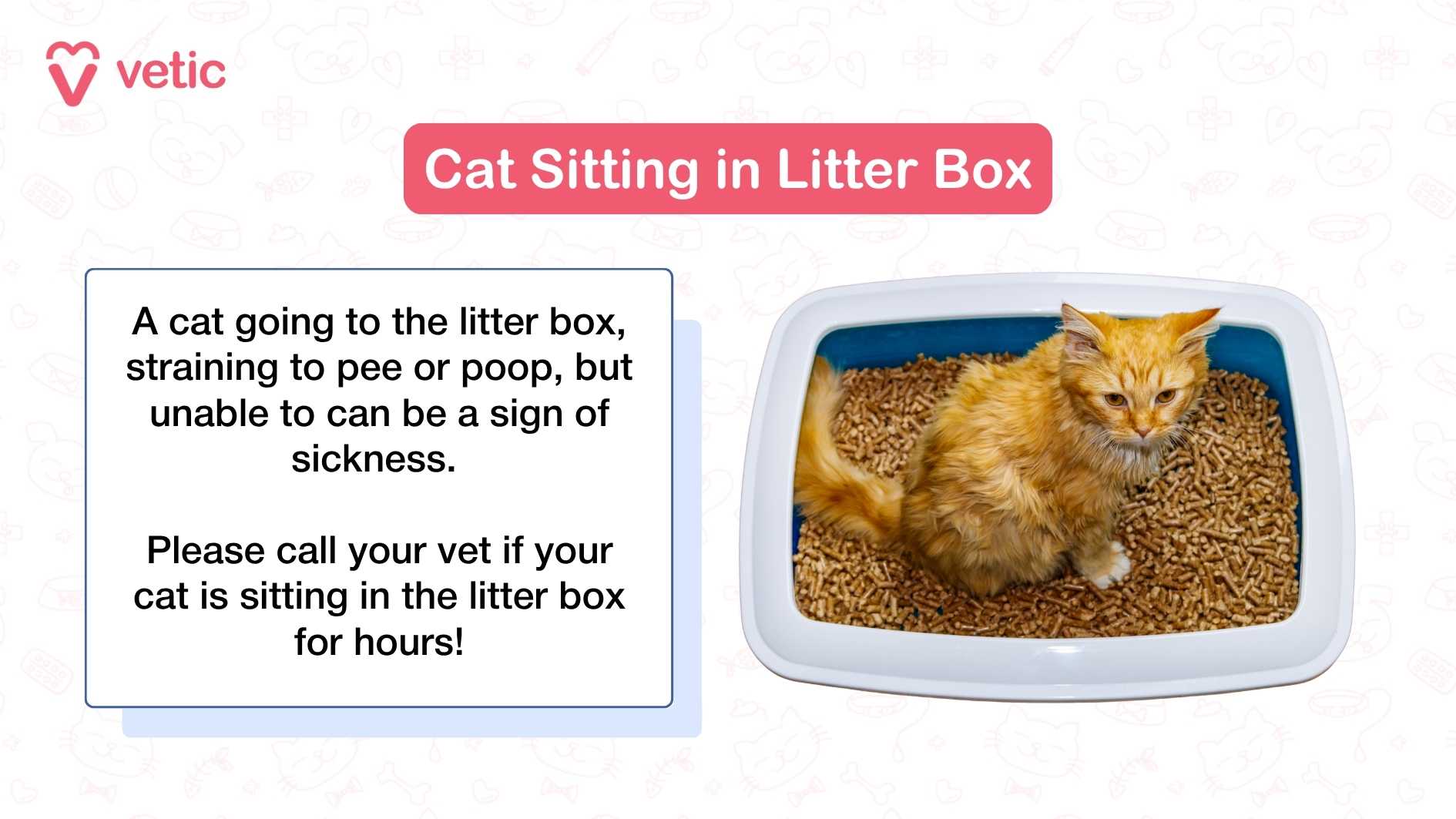
Credit: vetic.in
Common Reasons For Litter Box Issues
Cats usually use their litter boxes without problems. Yet, sometimes they poop outside the box. Understanding common reasons helps fix this behavior quickly. It also keeps your home clean and your cat happy.
Medical Causes
Health issues often cause litter box problems. Urinary tract infections can make cats avoid the box. Constipation or diarrhea also leads to accidents. Pain or discomfort may stop them from using the litter box. A vet visit can find and treat medical problems fast.
Stress And Anxiety
Stress affects cats deeply. Changes in the home, like moving or new pets, cause anxiety. This stress can make cats avoid the litter box. Loud noises or lack of quiet space also trigger stress. Creating a calm environment helps reduce anxiety and litter box issues.
Litter Box Preferences
Cats are picky about their litter boxes. They may dislike the type of litter or box size. Dirty boxes discourage use, so cleaning often is crucial. Some cats prefer covered boxes, others open ones. Placing the box in a quiet, accessible spot matters too.
Territorial Behavior
Cats mark territory by pooping outside the box. This is common in multi-cat homes. New cats can trigger marking and accidents. Fighting or stress between cats worsens the problem. Providing multiple litter boxes and safe spaces helps reduce territorial marking.
Medical Conditions To Watch For
Cats usually use their litter boxes without trouble. But medical problems can cause accidents outside the box. It is important to watch for health issues that may affect your cat’s bathroom habits.
Changes in your cat’s health can lead to sudden litter box avoidance. Identifying these conditions early helps your cat get proper care. Below are some common medical problems linked to pooping outside the litter box.
Digestive Problems
Digestive issues often cause discomfort during bowel movements. Conditions like constipation, diarrhea, or inflammatory bowel disease can make cats avoid the litter box. Your cat might associate the litter box with pain and seek other places to go.
Look for signs such as:
- Straining or crying while pooping
- Loose or unusual stool
- Frequent trips to the litter box without results
Consult a vet for diagnosis and treatment if these signs appear.
Urinary Tract Infections
Urinary tract infections (UTIs) cause pain and urgency during urination. Cats with UTIs may also avoid the litter box due to discomfort. Sometimes, they may urinate or defecate outside the box as a result.
Symptoms to watch include:
- Frequent attempts to urinate
- Crying or discomfort when urinating
- Blood in the urine
UTIs need prompt veterinary care to prevent worsening and reduce accidents.
Arthritis And Mobility Issues
Older cats or those with arthritis may find it hard to access the litter box. Stiff joints and pain can stop them from climbing into the box or squatting comfortably. This can lead to pooping in other areas.
Signs include:
- Difficulty jumping or climbing
- Reluctance to enter the litter box
- Visible stiffness or limping
Choosing a low-entry litter box and providing pain relief can help these cats.
How Stress Affects Cat Behavior
Cats are sensitive creatures. Stress can affect their behavior in surprising ways. When stressed, they may show unusual behaviors like pooping outside the litter box. Understanding these stress triggers helps in managing their behavior.
Changes In Environment
Moving to a new house can stress a cat. Even small changes like new furniture or rearranging can upset them. Cats love routine and familiarity. A sudden change might lead to anxiety.
New Pets Or Family Members
Introducing a new pet can be challenging for cats. They may feel their territory is threatened. New family members, especially babies, can also cause stress. Cats need time to adjust to these changes.
Loud Noises And Disruptions
Unexpected loud noises can scare cats. Construction sounds, fireworks, or thunderstorms are common triggers. They might seek comfort by avoiding the litter box. Creating a quiet and safe space helps reduce anxiety.
Litter Box Setup Tips
Setting up the litter box correctly can make a huge difference in preventing your cat from pooping outside it. The right setup not only encourages your cat to use the box consistently but also helps you spot any issues early. Let’s look closely at how choosing the right litter, box size and location, and cleaning habits can improve your cat’s bathroom behavior.
Choosing The Right Litter
Your cat’s preference for litter can be surprising. Some cats like fine, sandy textures, while others prefer clumping or natural materials like pine or corn. If your cat suddenly avoids the box, try switching the litter type gradually to see if they respond better to a different texture or scent.
Pay attention to fragrance and dust levels. Strong scents or dusty litter can irritate your cat’s sensitive nose and paws. Have you noticed your cat sniffing and then walking away? That might be a sign it dislikes the litter you’re using.
Box Size And Location
Is your litter box big enough for your cat? A cramped box can feel uncomfortable and lead to accidents outside. Ideally, the box should be at least one and a half times your cat’s length to give ample space for turning and digging.
Where you place the box matters just as much. Avoid noisy or high-traffic areas like next to washing machines or busy hallways. Cats want privacy when they do their business, so a quiet, low-traffic corner often works best.
Cleaning Frequency
How often do you scoop the litter box? Cats are naturally clean animals and can refuse to use a dirty box. Scooping at least once a day keeps the box fresh and inviting.
Don’t forget to completely change and wash the litter box weekly. Old odors build up and can push your cat away. Have you ever walked into a room and immediately noticed an unpleasant smell? Your cat experiences this even more intensely.
Managing Territorial And Social Factors
Understanding your cat’s behavior involves more than just health or cleanliness issues. Territorial and social factors play a major role in why your cat might choose to poop outside the litter box. These instincts often trigger behavior linked to space, hierarchy, and communication among cats.
Multiple Cats And Competition
When you have more than one cat, competition can become a real problem. Cats are territorial by nature, and sharing a litter box can lead to stress or avoidance. Your cat might feel threatened or bullied by another cat, causing them to find alternative spots to do their business.
Try observing how your cats interact around the litter box. Do you notice one cat blocking access or guarding the box? Adding extra litter boxes—one per cat plus one more—can reduce tension and give each cat a safe space.
Marking Behavior
Sometimes, pooping outside the litter box is a form of marking territory. This is especially common if there’s a new cat or animal in the house. Your cat may want to signal ownership or warn others away by leaving their scent in visible places.
Look for patterns like pooping near doors or windows. This can indicate a territorial dispute. You can help by cleaning marked areas thoroughly and using pheromone sprays to calm your cat’s anxiety.
Providing Enough Resources
Cats need more than just litter boxes to feel secure. Food bowls, water stations, resting spots, and scratching posts all contribute to a peaceful environment. If resources are limited, cats may become stressed and act out by avoiding the litter box.
Make sure each cat has access to their own essentials spread around the house. This reduces competition and creates a balanced social setting. Have you checked if your cats have enough space and resources lately?

Credit: www.reddit.com
Behavioral Training And Solutions
Behavioral training helps correct your cat’s litter box habits. It focuses on teaching your cat where to go and creating a calm environment. Patience and consistency work best for lasting change. These techniques encourage positive behavior and reduce accidents outside the box.
Positive Reinforcement
Reward your cat with treats or praise after using the litter box. This builds a strong connection between good behavior and rewards. Avoid punishment as it can cause fear or stress. Instead, celebrate small successes to encourage your cat to repeat the behavior.
Redirecting To The Litter Box
Gently move your cat to the litter box if you catch them going outside. Place them in the box immediately to show the right spot. Keep the box clean and in a quiet area. This helps your cat learn the correct place to relieve themselves.
Using Pheromone Products
Pheromone sprays or diffusers calm anxious cats. These products mimic natural cat scents that promote relaxation. Use them near the litter box or problem areas. A relaxed cat is less likely to avoid the litter box or act out.
When To Consult A Veterinarian
Knowing when to consult a veterinarian is important if your cat poops outside the litter box. Some reasons need professional care to keep your cat healthy and happy. Early help can prevent bigger problems later.
Persistent Litter Box Avoidance
Watch your cat’s behavior closely. If your cat avoids the litter box for several days, it may signal a problem. Cleaning or changing the box might not help. Persistent avoidance can cause stress and discomfort for your cat. This is a good time to seek advice from a veterinarian.
Signs Of Illness
Look for signs like straining, blood in stool, or diarrhea. Sudden changes in bathroom habits often indicate health issues. Your cat may also show loss of appetite or lethargy. These signs need prompt veterinary attention. Early diagnosis can treat illness effectively.
Professional Behavioral Help
Sometimes, litter box problems stem from behavior, not health. Stress, anxiety, or changes in environment can cause accidents. A veterinarian can guide you to a behavior specialist. Together, they can find the root cause and suggest solutions. Professional help improves your cat’s comfort and your peace of mind.
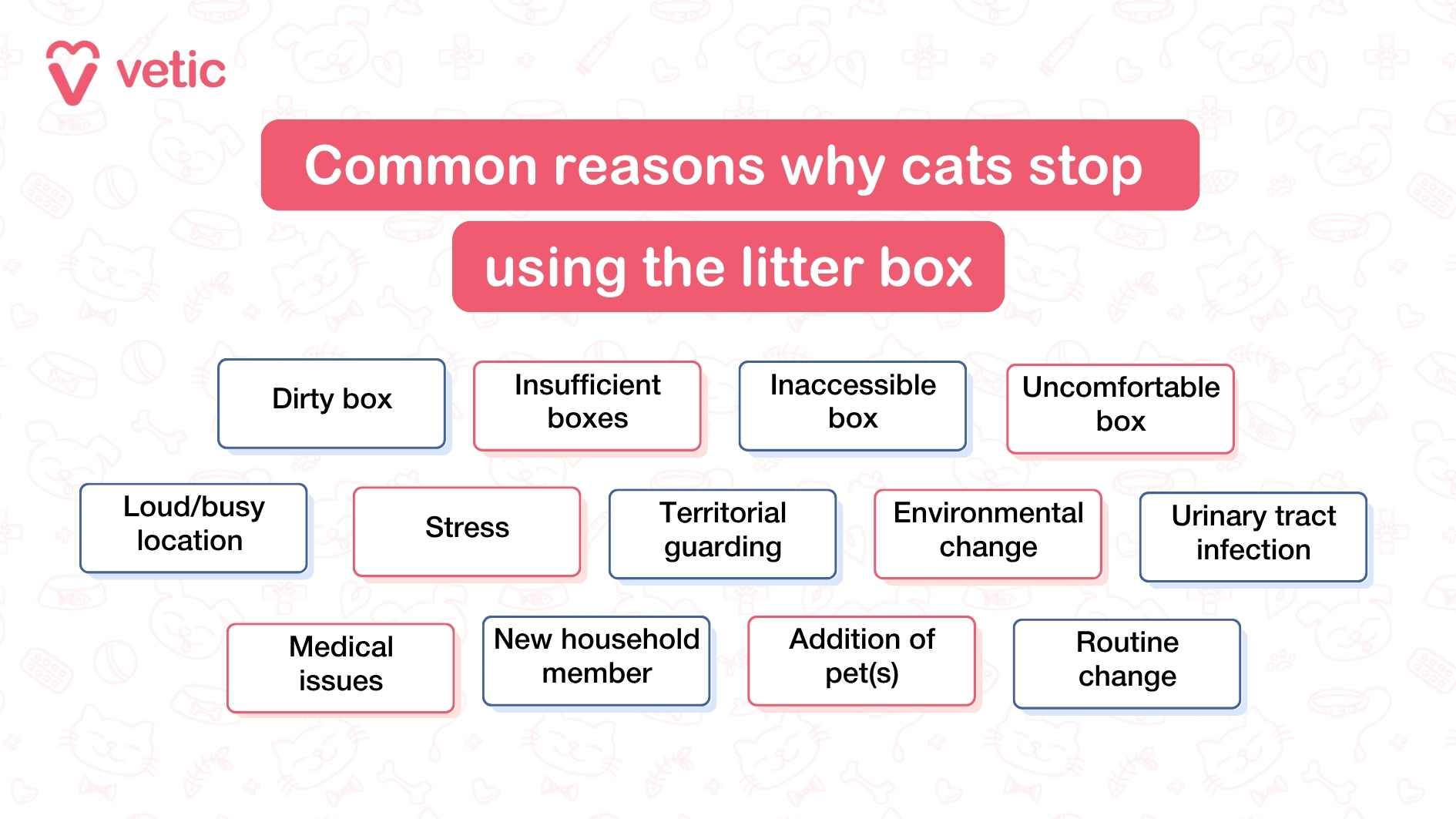
Credit: vetic.in
Frequently Asked Questions
Why Does My Cat Avoid The Litter Box Sometimes?
Cats may avoid the litter box due to stress, medical issues, or dirty boxes. Changes in environment or litter type can also cause this behavior. Identifying the exact cause helps in resolving the issue promptly.
Can Health Problems Cause Cats To Poop Outside Litter Box?
Yes, health issues like urinary infections, constipation, or gastrointestinal problems can cause cats to poop outside the box. A vet checkup is essential to rule out medical causes before behavioral solutions.
How Does Litter Box Cleanliness Affect Cat’s Behavior?
Cats prefer clean litter boxes. A dirty box can deter them from using it. Regular cleaning and changing of litter encourage consistent use and prevent accidents outside the box.
Does Litter Box Location Impact Cat’s Pooping Habits?
Yes, placing the litter box in noisy or hard-to-access areas can discourage use. Cats need a quiet, private, and easily accessible spot for their litter box to feel safe and comfortable.
Conclusion
Cats sometimes poop outside the litter box for many reasons. Stress, health issues, or a dirty box can cause this behavior. Watch your cat closely to spot any changes. Keep the litter box clean and in a quiet place. Visit the vet if problems continue.
Understanding your cat’s needs helps keep your home clean. Small changes make a big difference. Patience and care go a long way. Your cat will feel happier and safer soon.



Leave a Reply