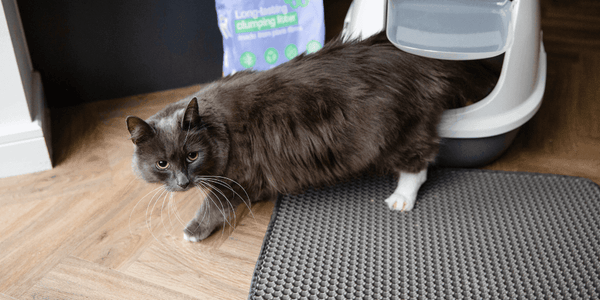
Have you ever come home to find your cat peeing outside their litter box? It’s frustrating, confusing, and can leave you wondering what went wrong.
You love your cat, but this behavior can feel like a puzzle you just can’t solve. Understanding why your cat is avoiding their litter box is the first step to fixing the problem—and keeping your home clean and stress-free. You’ll discover the common reasons behind this behavior and easy ways to help your furry friend feel comfortable again.
Keep reading, because the answer might be simpler than you think.

Credit: www.reddit.com
Common Medical Issues
Cats peeing outside their litter box can signal health problems. Medical issues often cause this behavior. Understanding these conditions helps keep cats healthy and happy.
Urinary Tract Infections
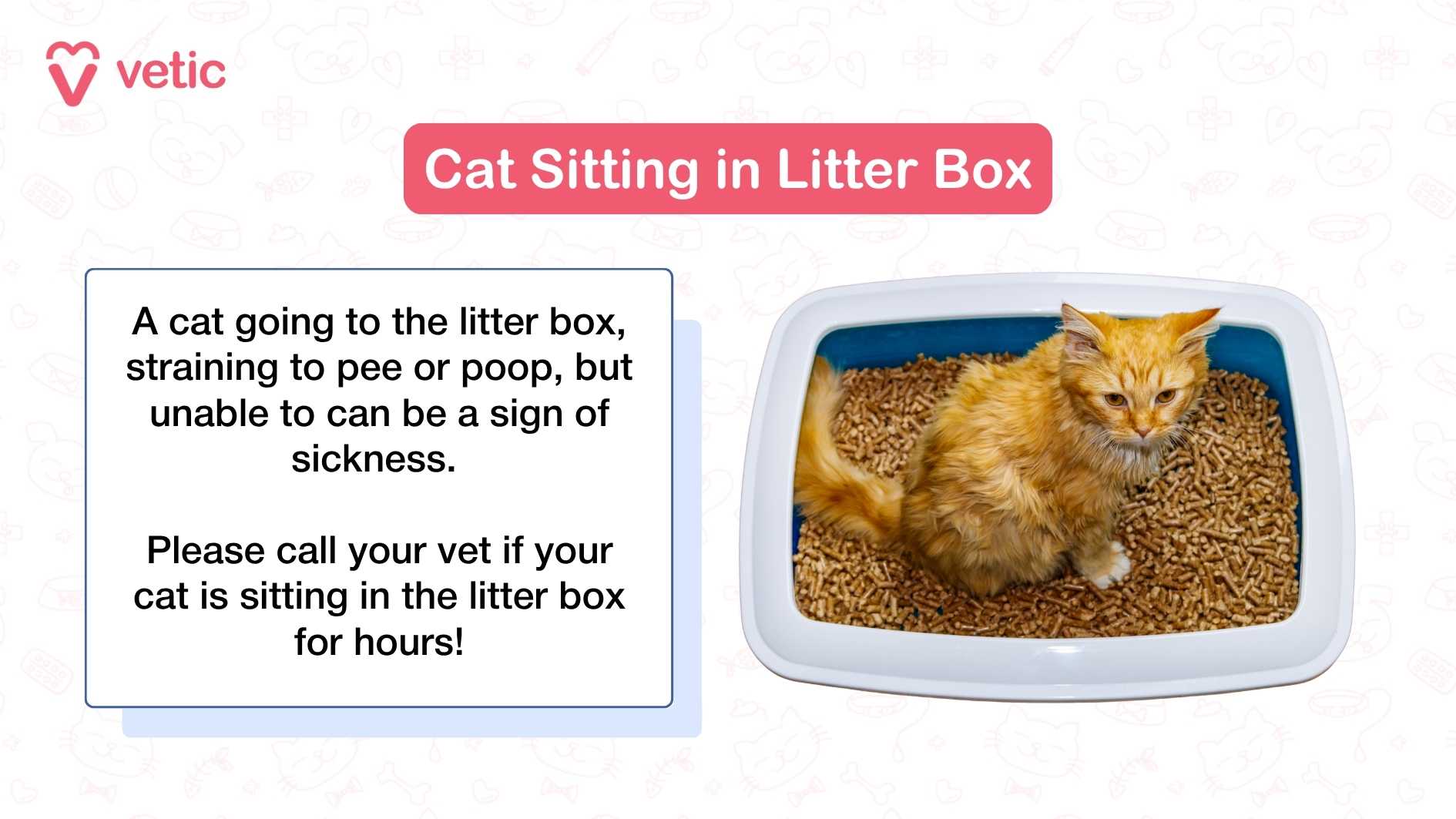
Urinary tract infections (UTIs) are common in cats. They cause pain and discomfort while urinating. Cats may urinate outside the box to avoid pain. Signs include frequent urination and blood in urine. A vet can diagnose and treat UTIs easily.
Kidney Problems
Kidney problems affect many cats, especially older ones. Kidneys filter waste from the blood. When damaged, cats may drink more water and urinate often. This can lead to accidents outside the litter box. Early detection improves treatment success.
Diabetes And Other Conditions
Diabetes causes increased thirst and urination. Cats with diabetes may miss the litter box more. Other illnesses, like bladder stones and arthritis, can also affect bathroom habits. Pain or difficulty moving may stop cats from using the box.

Credit: www.reddit.com
Litter Box Problems
One of the most common reasons cats might avoid their litter box is due to various litter box problems. If your cat is leaving little surprises around the house, it’s crucial to consider the environment and condition of their litter box. A few simple changes can often solve this unpleasant issue.
Dirty Or Unclean Litter Box
Cats are fastidious creatures. An unclean litter box can be an immediate turn-off for them. Imagine stepping into a restroom with no maintenance—would you want to use it? Your cat feels the same way. Regularly scoop out waste and replace the litter frequently. A clean box is inviting and encourages your cat to use it.
Type Of Litter
Not all litters are created equal, and your cat may have preferences. Some cats prefer unscented, while others might favor the grainy texture of clumping litter. It’s worth experimenting with different types to find what your cat likes best. Pay attention to your cat’s behavior after changing litter; it could be their way of telling you something’s amiss.
Litter Box Location
The location of the litter box can significantly impact your cat’s willingness to use it. Cats need a quiet, private place to do their business. Placing the litter box in a high-traffic area can deter them from using it. Consider moving it to a more secluded spot. Ask yourself, “Would I feel comfortable if my restroom was in the middle of the living room?” Your cat deserves that same privacy.
Addressing these litter box issues can often resolve the problem of your cat peeing outside the box. Observe your cat’s behavior and make adjustments as needed. By making a few changes, you can create a more comfortable and inviting environment for your feline friend.
Behavioral Causes
Behavioral causes often play a major role when cats start peeing outside their litter box. Unlike medical issues, these behaviors can be tied to your cat’s emotional state or environment. Understanding these reasons can help you address the problem more effectively.
Stress And Anxiety
Cats are sensitive creatures, and stress can trigger unusual behaviors like inappropriate urination. Changes in your routine, loud noises, or even new people in the house can make your cat feel unsettled.
Have you noticed your cat hiding or becoming more vocal? These signs often come with anxiety, which may cause them to avoid the litter box. Try creating a calm space with familiar scents and consistent schedules to help reduce their stress.
Territorial Marking
Territorial marking is a natural behavior, especially in unneutered males, but it can occur in any cat feeling threatened or insecure. Your cat might pee outside the box to mark its territory if it senses other animals nearby.
Pay attention if the urination happens near windows or doors where outdoor animals pass by. You can reduce marking by neutering your cat and using pheromone diffusers to create a more secure environment.
Changes In Environment
Even small changes can confuse a cat and lead to litter box avoidance. New furniture, a different location for the litter box, or even changing the type of litter can be unsettling.
Think about any recent changes in your home. Has the litter box moved to a noisier spot? Has the litter texture changed? Returning to a familiar setup or introducing changes gradually can make your cat feel safe and more willing to use their box.
Age And Health Factors
Age and health play a big role in why cats might avoid their litter box. Older cats often face problems that younger cats do not. These problems can make using the litter box hard or uncomfortable. Understanding these factors helps pet owners support their cats better.
Senior Cat Issues
As cats grow older, their bodies change. Many senior cats develop urinary tract problems. These include infections or kidney disease. Such issues cause pain or urgency. The cat might urinate outside the box to avoid pain inside it. Regular vet visits catch these problems early.
Mobility And Arthritis
Arthritis and joint pain make moving difficult for old cats. Climbing into a high-sided litter box can hurt. They may avoid the box to skip the pain. Cats with stiff joints prefer flat or easy-access boxes. Soft bedding near the box can help them feel safe.
Cognitive Decline
Older cats can suffer from memory loss or confusion. This condition is similar to dementia in humans. They may forget where the litter box is or how to use it. Changes in routine or location can confuse them more. Keeping the box in the same, quiet place helps reduce accidents.
Solutions And Prevention
Solving the issue of cats peeing outside their litter box needs patience and care. Understanding the root causes helps prevent future accidents. Simple changes can make a big difference for your cat’s comfort and health.
Regular Vet Check-ups
Regular visits to the vet keep your cat healthy. Health problems like urinary tract infections or kidney issues can cause accidents. Early detection helps treat these problems quickly. Always mention any change in your cat’s bathroom habits to the vet. A healthy cat is less likely to avoid the litter box.
Litter Box Maintenance
Keep the litter box clean and fresh. Cats dislike dirty or smelly boxes. Scoop waste daily and change the litter regularly. Use unscented, soft litter that your cat prefers. Place the box in a quiet, easy-to-reach spot. Provide one box per cat plus one extra to avoid crowding. These steps encourage your cat to use the box consistently.
Creating A Stress-free Space
Stress can cause cats to urinate outside the box. Loud noises, new pets, or changes at home may upset them. Give your cat a calm, safe area to relax. Use calming sprays or diffusers designed for cats. Spend quality time playing and bonding. Reducing stress helps your cat feel secure and use the litter box properly.
Credit: vetic.in
Frequently Asked Questions
Why Do Cats Avoid Their Litter Boxes?
Cats avoid litter boxes due to cleanliness issues, stress, or medical problems. Dirty boxes or strong smells can deter them. Sometimes, changes in their environment or anxiety cause avoidance. Health issues like urinary infections also lead to peeing outside the box.
Identifying the cause helps solve the problem quickly.
Can Medical Problems Cause Cats To Pee Outside?
Yes, medical conditions like urinary tract infections, bladder stones, or diabetes can cause inappropriate urination. Pain or discomfort makes cats avoid the litter box. A vet checkup is crucial to rule out health issues. Treating the illness often stops the behavior immediately.
How Does Stress Affect Cat Litter Habits?
Stress triggers cats to pee outside their litter box as a coping mechanism. Changes like moving, new pets, or loud noises cause anxiety. Stress makes cats mark territory or avoid using the box. Reducing stress and creating a calm environment helps fix the behavior.
What Litter Box Issues Lead To Outdoor Peeing?
Litter box problems include dirty litter, wrong litter type, or insufficient boxes. Cats prefer clean, quiet, and accessible boxes. Using scented or dusty litter can repel them. Having multiple boxes in different locations prevents accidents. Proper maintenance encourages consistent litter box use.
Conclusion
Cats pee outside their litter box for many reasons. Stress, health issues, or a dirty box may cause this behavior. Watch your cat closely to spot any changes. Clean the litter box often and keep it in a quiet place.
Visit the vet if you notice frequent accidents. Understanding your cat’s needs helps prevent problems. Small changes can make a big difference. Patience and care will help your cat feel comfortable again.



Leave a Reply