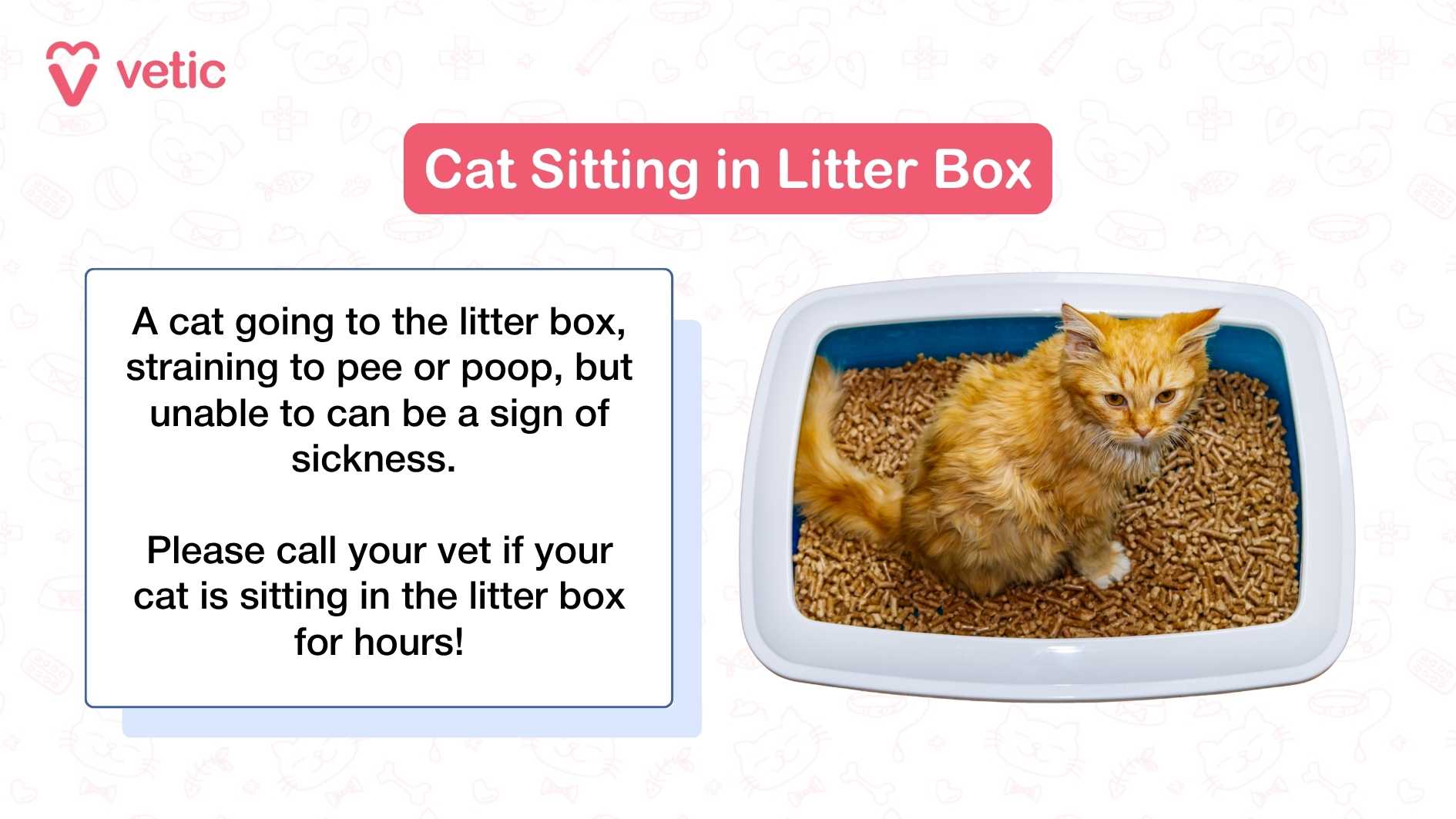
Have you ever found your cat ignoring their litter box and making a mess elsewhere? It can be frustrating and confusing.
You might wonder why your furry friend suddenly refuses to use the spot you carefully prepared for them. Understanding the reasons behind this behavior is the first step to fixing it. Keep reading, because discovering the simple causes and solutions can save you time, stress, and protect your home from unwanted accidents.
Your cat’s comfort and your peace of mind matter—and this guide will help you get both back on track.
Credit: vetic.in
Common Litter Box Issues
Cats are very particular about their litter boxes. Small problems can cause them to avoid using these boxes. Understanding common litter box issues helps fix this behavior quickly. These issues often relate to cleanliness, litter type, and box size.
Dirty Litter Boxes
Cats dislike dirty litter boxes. A box that is not cleaned regularly smells bad. This makes cats avoid it. Cleaning the box daily can help. Removing waste and changing litter often keeps the box fresh. Cats feel more comfortable using a clean box.
Inappropriate Litter Type
Not all cats like the same litter. Some prefer fine, clumping litter while others do not. Rough or scented litter can bother their paws or nose. Try different types to find the one your cat likes. Using the wrong litter can cause refusal to use the box.
Box Size And Accessibility
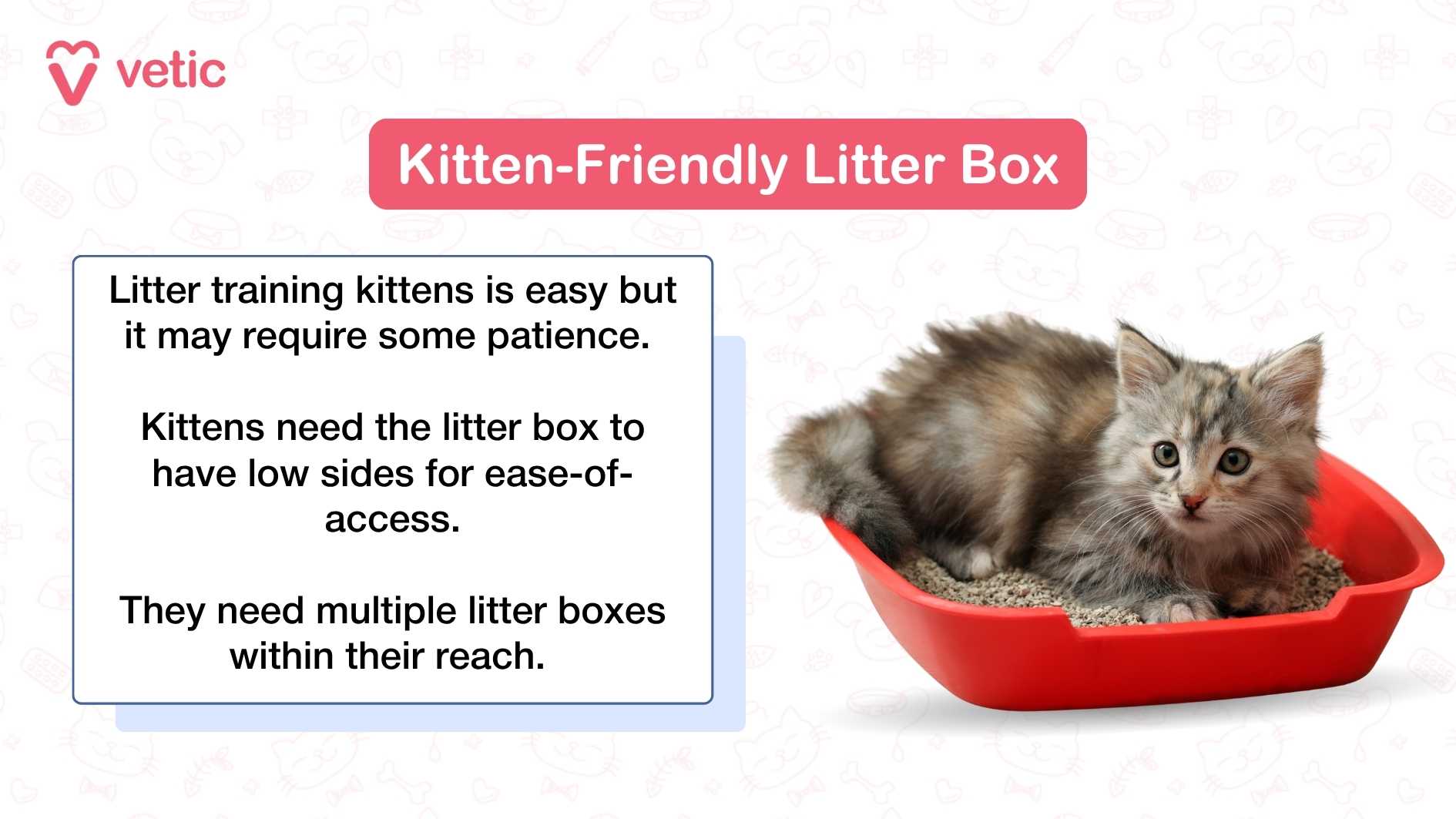
The size of the litter box matters a lot. A box too small makes cats uncomfortable. Older cats or those with health problems need easy access. High sides or small openings may stop them from entering. Choose a box that fits your cat’s size and needs for better use.
Health Problems Affecting Use
Health problems can cause cats to avoid their litter box. When a cat feels pain or discomfort, it may change its bathroom habits. Detecting these health issues early helps keep cats comfortable and clean.
Urinary Tract Infections
Urinary tract infections (UTIs) cause pain during urination. Cats with UTIs may associate the litter box with pain. This leads them to avoid the box and urinate elsewhere. Signs include frequent attempts to urinate and blood in the urine. Immediate veterinary care is essential to treat UTIs.
Digestive Disorders
Digestive problems like diarrhea or constipation affect litter box use. Cats may have accidents outside the box due to urgency or discomfort. Digestive issues can be caused by diet changes or illnesses. Observing changes in stool or bathroom habits helps identify these problems early.
Pain Or Mobility Issues
Arthritis and injuries limit a cat’s movement. Climbing into or out of the litter box becomes difficult. Cats with joint pain may avoid the box to reduce discomfort. Lower-sided litter boxes or ramps can help cats with mobility issues access the box easily.
Behavioral Causes
Stress or changes in the home can make cats avoid their litter box. Sometimes, cats dislike the box’s location, cleanliness, or type of litter used. Fear or past bad experiences may also cause this behavior.
Cats are fascinating creatures with unique behaviors. Sometimes, they avoid using their litter box due to behavioral causes. Understanding these reasons can help solve the problem effectively.Stress And Anxiety
Cats are sensitive to stress. New family members or loud noises can unsettle them. When stressed, they might avoid their litter box. Observe your cat’s behavior. Look for signs of anxiety. Provide a quiet, safe space. This can help reduce their stress.Territorial Marking
Cats are territorial animals. They may mark their territory with urine. This is common in multi-cat households. Spaying or neutering can reduce this behavior. Ensure each cat has its own space. Separate litter boxes can also help.Changes In Environment
Cats dislike change. Moving furniture or changing litter brands can upset them. Even small changes can have a big impact. Try to keep their environment stable. Introduce changes slowly. This helps them adjust better.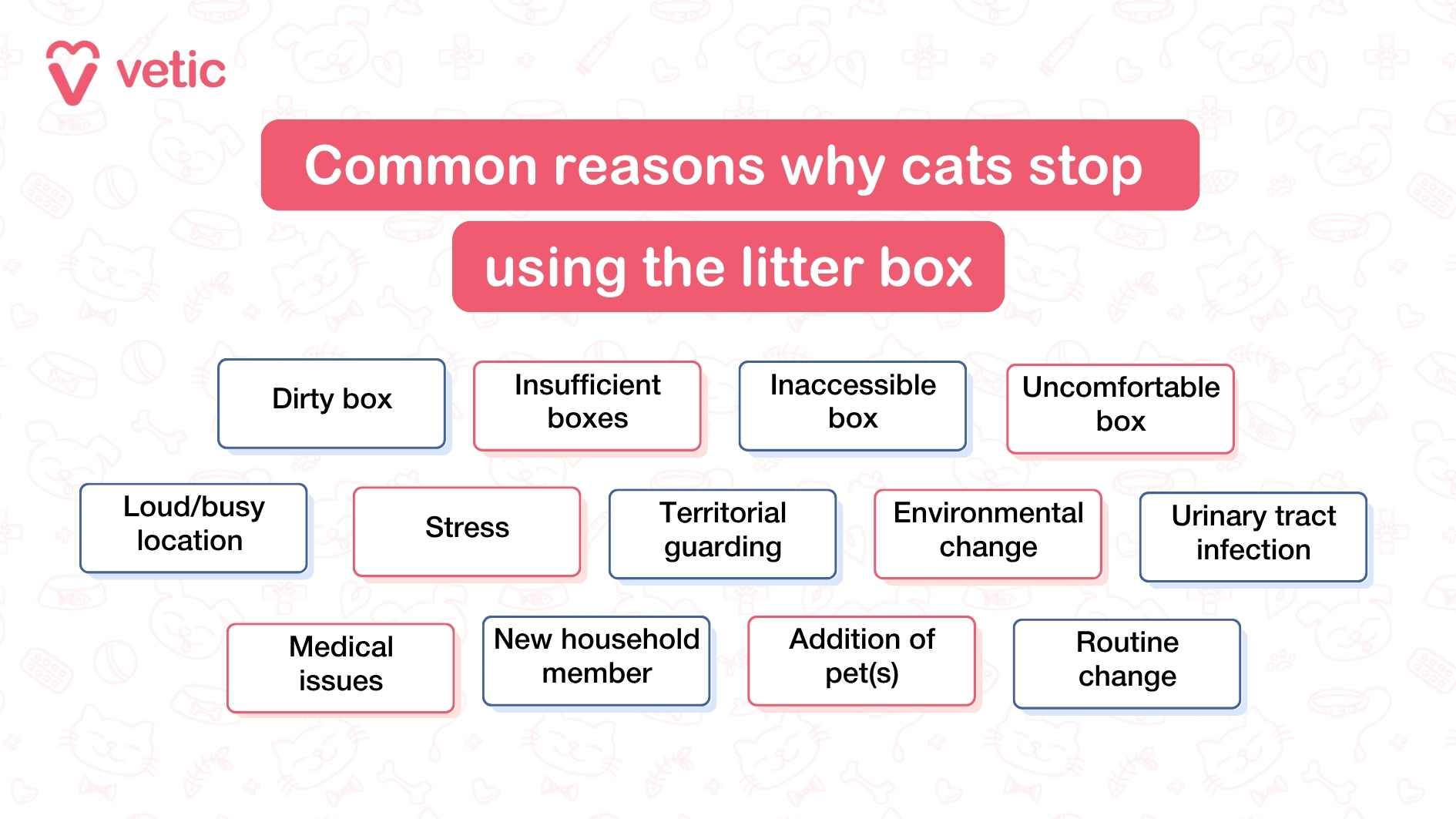
Credit: vetic.in
Litter Box Placement
Where you place your cat’s litter box can make a big difference in whether they use it or not. Cats are picky about their bathroom spots, and the right location can help them feel safe and comfortable. Let’s look at some common placement issues that might be causing your cat to avoid their litter box.
Noisy Or High Traffic Areas
Cats dislike noisy places when they need to do their business. A litter box near a washing machine, TV, or a busy hallway can make your cat anxious. They want peace and quiet, so try moving the box to a calmer, quieter corner of your home.
Have you noticed your cat darting away when someone walks by? This could be a sign that the spot is too busy or loud for their liking.
Lack Of Privacy
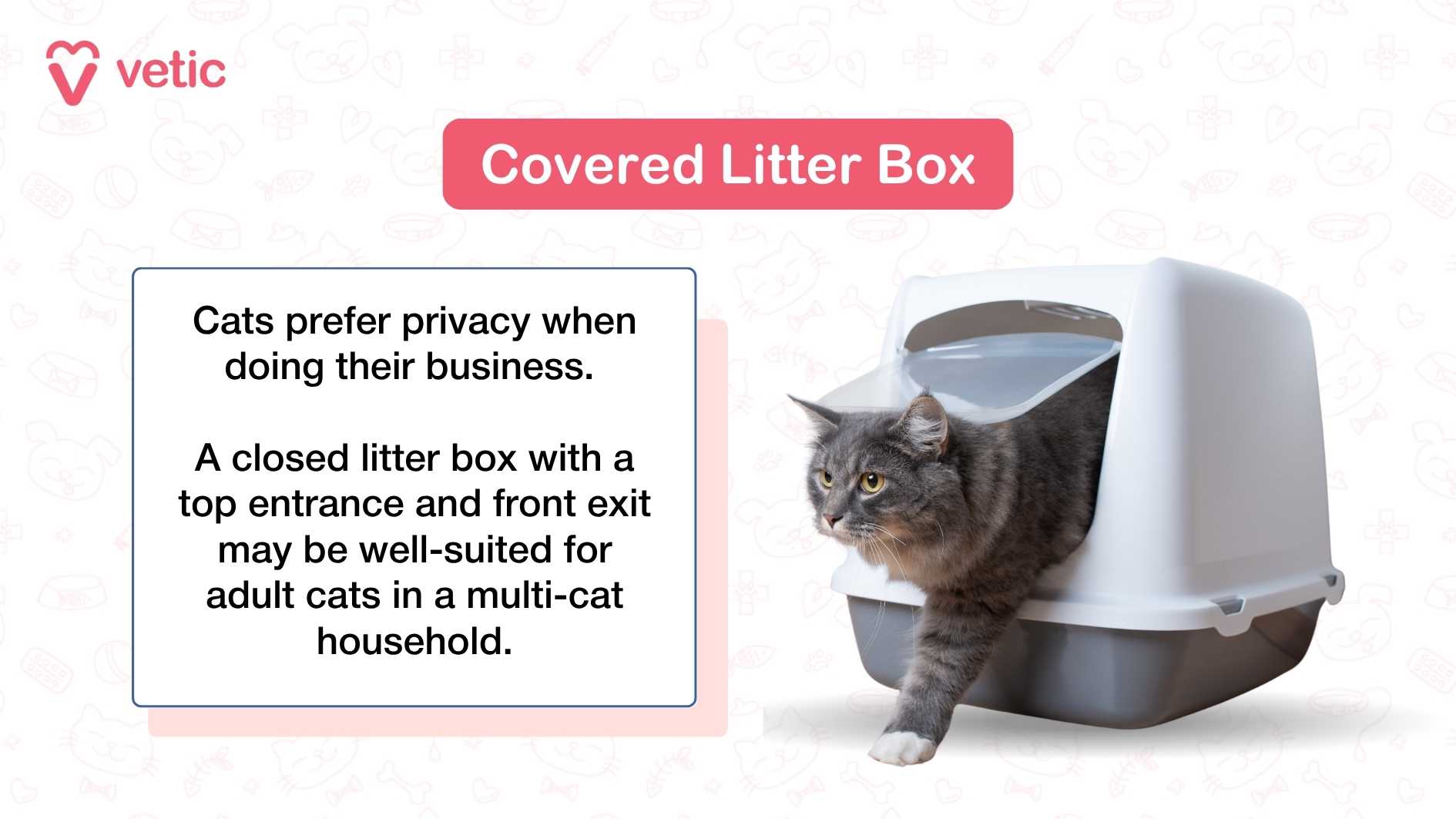
Privacy matters to cats when using the litter box. If the box is in an open space or somewhere exposed, your cat might avoid it. They prefer a tucked-away spot where they won’t feel watched or vulnerable.
Consider placing the box in a small room or behind a piece of furniture to give your cat a sense of security. You might be surprised how this simple change can improve their litter habits.
Multiple Cats And Competition
If you have more than one cat, competition over litter boxes can cause problems. Cats don’t like sharing their bathroom space, especially if boxes are too close together. This can lead to one cat avoiding the box altogether.
It’s best to have one litter box per cat, plus one extra. Spread them out in different locations to reduce stress and territorial disputes. Have you checked if your cats have enough separate spaces for their needs?
Solutions To Encourage Use
Encouraging your cat to use their litter box consistently can be challenging but manageable. It often boils down to creating an environment that feels clean, safe, and comfortable for your feline friend. Here are practical ways to help your cat develop better bathroom habits.
Regular Cleaning Routine
Cats are very sensitive to smells and dirt. Cleaning the litter box daily removes odors and waste that can discourage use.
Try scooping out clumps and solid waste every day. At least once a week, change the litter completely and wash the box with mild soap. Avoid strong-smelling cleaners that might put your cat off.
Have you noticed your cat avoiding a box that smells too strong or looks dirty? Keeping the box fresh could be the key to solving the problem.
Choosing The Right Litter
Not all litters are created equal. Cats have preferences for texture, scent, and dust levels.
Experiment with unscented, clumping litters if your cat seems picky. Some cats avoid scented litter because it irritates their sensitive noses.
Watch how your cat reacts when you switch litters. If they stop using the box, try another type or brand. Have you ever tried a litter made from natural materials like wood pellets or corn? These can be less dusty and more appealing to some cats.
Creating A Comfortable Space
The location and setup of the litter box matter a lot. Cats like privacy but also want easy access.
Place the box in a quiet, low-traffic area where your cat feels safe. Avoid putting it near noisy appliances or busy rooms.
Make sure the box is large enough for your cat to move around comfortably. Adding a second box in a different spot can also help, especially in multi-cat households. Have you checked if the box entrance is easy for your cat to get in and out?
Credit: vetic.in
Frequently Asked Questions
Why Do Cats Avoid Their Litter Box Suddenly?
Cats may avoid their litter box due to stress, illness, or dirty litter. Changes in the environment or box location can also cause avoidance. Regular cleaning and vet checks help identify and solve these issues quickly, ensuring cats feel safe and comfortable using their litter box.
How Can I Stop My Cat From Not Using Litter Box?
To stop litter box issues, keep the box clean and odor-free. Use unscented litter and place the box in a quiet, accessible area. Address health problems with a vet and reduce stress by maintaining a stable environment and routine for your cat.
Can Health Problems Cause Litter Box Avoidance?
Yes, health issues like urinary tract infections or bladder problems can cause litter box avoidance. Pain or discomfort makes cats associate the box with negative experiences. A veterinary checkup is essential to diagnose and treat any medical conditions affecting litter box use.
Does Litter Type Affect A Cat’s Box Usage?
Absolutely, cats prefer certain litter textures and scents. Unscented, clumping, and fine-grain litters are usually favored. Using the wrong type can discourage use. Experiment with different litters to find your cat’s preference, improving their comfort and litter box habits.
Conclusion
Cats avoid their litter box for many reasons. Stress, health problems, or dirty boxes can cause this behavior. Changing the litter type or box location often helps. Keep the box clean and quiet for your cat. Watch your cat closely for signs of illness.
Patience and care improve litter box habits over time. Understanding your cat’s needs leads to a happier home. Small changes can make a big difference. Keep trying, and your cat will use the box again.



Leave a Reply