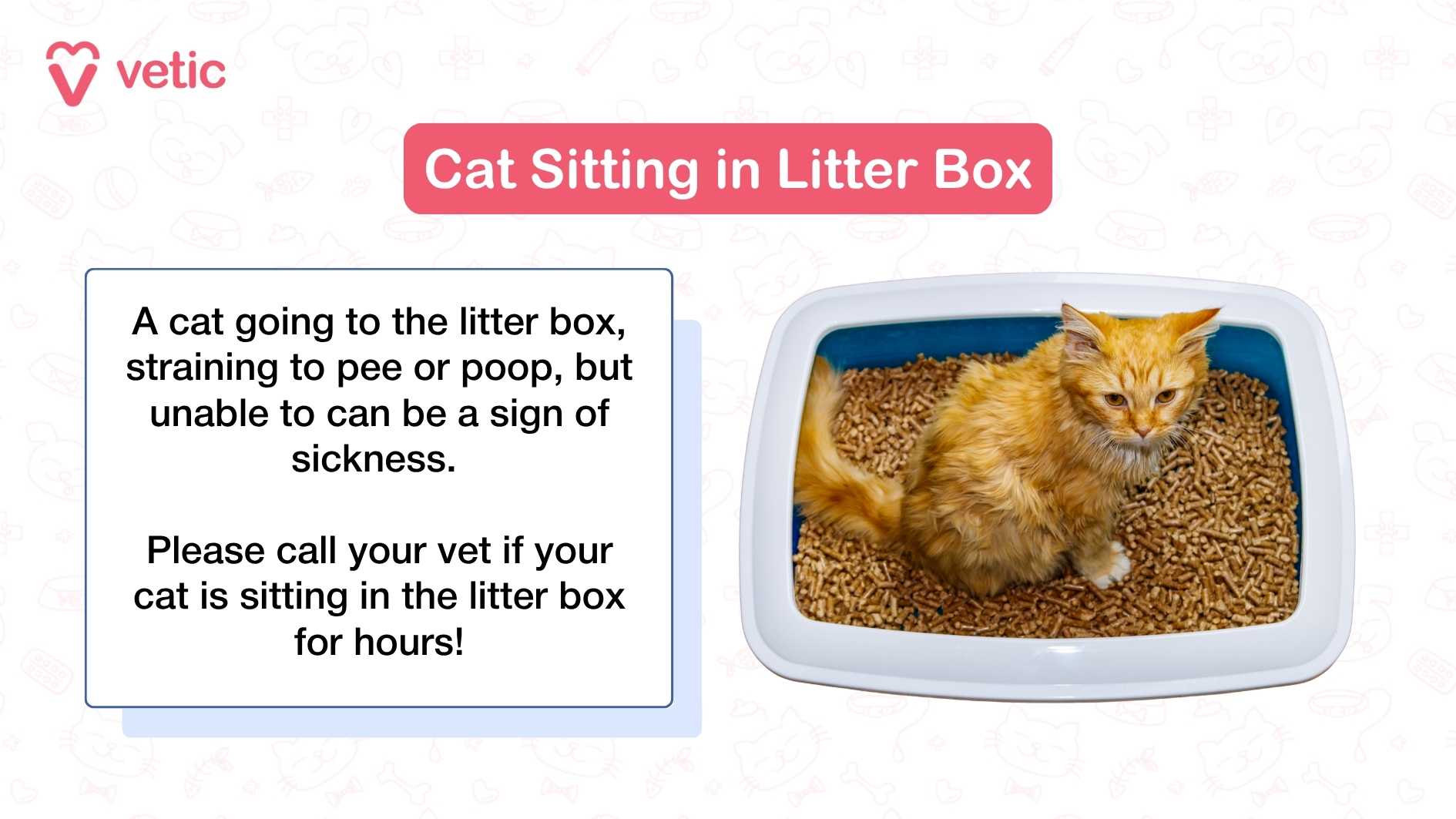
Is your cat suddenly avoiding the litter box? It can be frustrating and confusing when your furry friend starts leaving surprises around your home.
You might wonder why your cat, who once used the litter box without any problems, now refuses to go there. Understanding the reasons behind this behavior can help you fix the issue quickly and keep your home clean. You’ll discover the most common causes and easy solutions to get your cat back on track.
Keep reading to find out how to make your cat feel comfortable and happy with their litter box again.
Common Reasons Cats Avoid Litter Boxes
Cats may avoid their litter boxes for several common reasons. Understanding these reasons helps solve the problem quickly. Cats are sensitive creatures with specific needs. Ignoring their preferences can lead to litter box issues. Identifying the cause is the first step to fix behavior.
Medical Issues
Health problems often cause cats to avoid litter boxes. Urinary tract infections or bladder stones make urination painful. Arthritis or mobility issues can make entering the box difficult. Always rule out medical causes with a vet visit. Prompt treatment improves your cat’s comfort and litter habits.
Litter Box Cleanliness
Cats prefer clean litter boxes. Dirty boxes smell bad and discourage use. Many cats reject boxes not cleaned daily. Remove waste and clumps frequently. Wash the box with mild soap regularly. Cleanliness helps maintain good litter box habits.
Type Of Litter
Not all litters appeal to every cat. Cats dislike strong smells or rough textures. Some prefer clumping litter, others non-clumping. Experiment with different types to find your cat’s favorite. Using the wrong litter can cause avoidance.
Box Location
Location matters for a cat’s comfort. Boxes in noisy or busy areas feel unsafe. Avoid placing boxes near food or water bowls. Quiet, private spots encourage use. Easy access to the box also matters, especially for older cats.
Stress And Anxiety
Stress can cause sudden litter box avoidance. Changes in the home, new pets, or loud noises affect cats. Stress makes cats avoid their usual spots. Creating a calm environment helps. Provide hiding places and maintain routines.
Territorial Behavior
Cats mark territory to feel secure. In multi-cat homes, conflicts arise over litter boxes. Some cats avoid boxes used by others. Providing multiple boxes reduces fights. Each cat should have its own litter box space.

Credit: www.yahoo.com
Health Problems Affecting Litter Box Use
Health problems often cause cats to avoid their litter boxes. Illness can make using the box painful or difficult. Cats may associate discomfort with the box and stop using it. Observing changes in behavior helps catch health issues early. Some common health problems affect litter box use in specific ways.
Urinary Tract Infections
Urinary tract infections cause pain and frequent urination. Cats with these infections may urinate outside the litter box. They try to avoid the pain linked to the box. Blood in the urine is a warning sign to watch. Immediate veterinary care is essential to treat this problem.
Kidney Disease
Kidney disease can increase a cat’s urination frequency. Cats may struggle to reach the litter box on time. Sometimes, they urinate in unusual places. This disease also causes lethargy and loss of appetite. A vet can help manage symptoms and improve comfort.
Diabetes
Diabetes leads to excessive thirst and urination in cats. These symptoms make it hard to use the litter box properly. Cats may urinate outside due to urgency or accidents. Weight loss and increased hunger often appear as well. Early diagnosis and treatment improve the cat’s quality of life.
Arthritis And Mobility Issues
Arthritis makes climbing into a litter box painful. Cats with joint pain avoid using the box altogether. Stiffness or swelling in limbs can reduce mobility. Lower-sided or easier-to-access boxes help cats with arthritis. Regular vet check-ups help manage pain and maintain activity.
Litter Box Setup Mistakes
Cats are particular about their toilet habits. A well-set-up litter box makes a big difference. Mistakes in setup can cause your cat to avoid the box. Understanding these errors helps create a more inviting space for your feline friend.
Wrong Size Or Style
The size and style of a litter box matter. A box that’s too small makes your cat uncomfortable. A large cat needs more room to move around. Some cats dislike covered boxes. They may feel trapped or claustrophobic. Choose a box that suits your cat’s size and preferences.
Insufficient Number Of Boxes
Each cat needs its own litter box. A general rule is one box per cat, plus one extra. This ensures your cat has a clean spot. Multiple cats using one box can lead to territorial issues. More boxes mean less stress and more options for your cat.
Inappropriate Litter Depth
Litter depth affects your cat’s comfort. Too shallow and your cat can’t dig. Too deep and it may feel unstable. A depth of about 2-3 inches works well. Experiment to find your cat’s preference. Adjust as needed to keep your cat content.
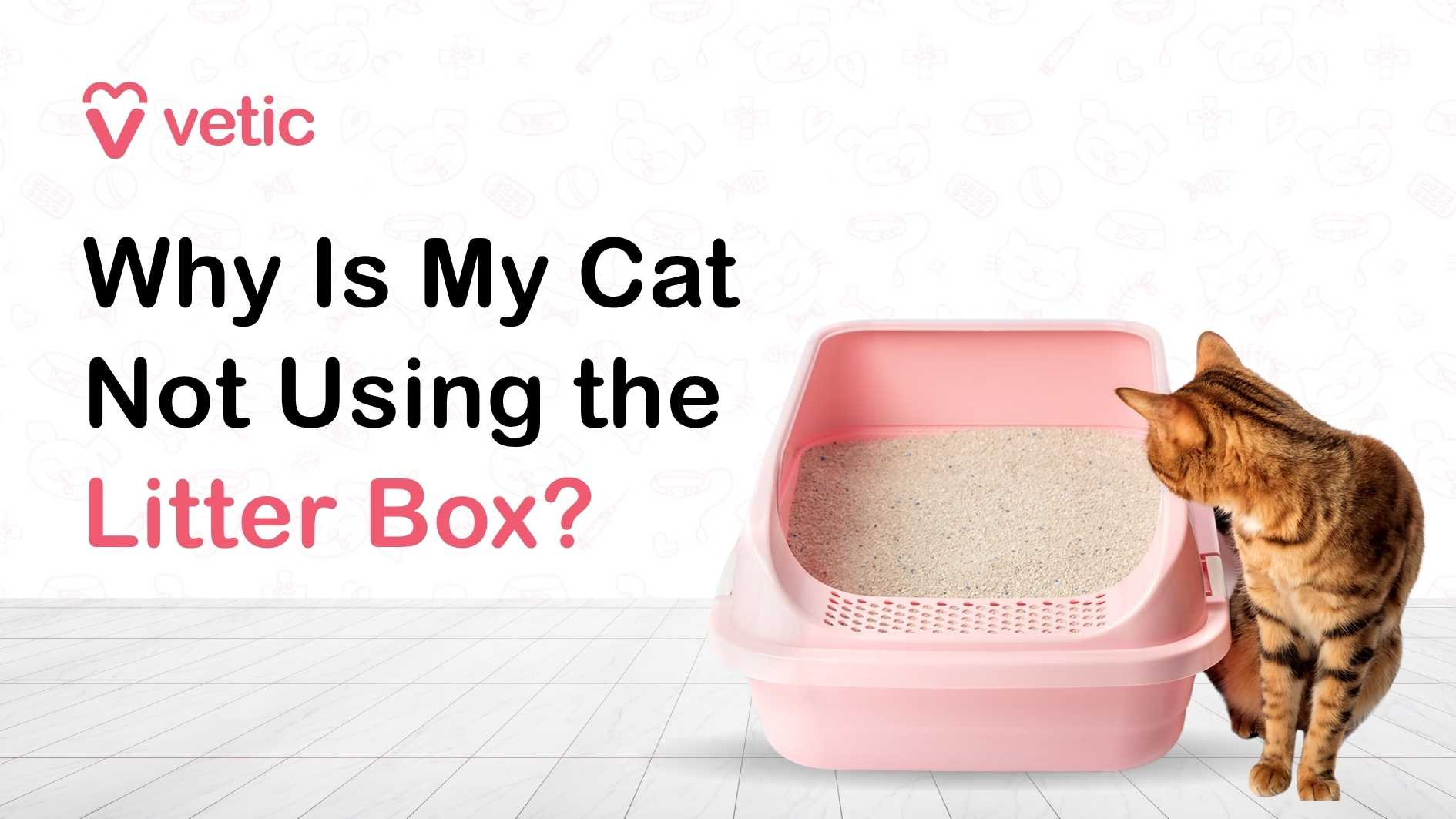
Credit: vetic.in
Environmental And Behavioral Factors
Environmental and behavioral factors strongly influence a cat’s litter box habits. Cats are sensitive animals that react to changes in their surroundings. Even small disruptions can cause them to avoid their usual bathroom spot. Understanding these factors helps identify why a cat may stop using the litter box.
Changes In Household
Moving to a new home can stress a cat. New smells and sounds make them uneasy. Rearranging furniture or adding new family members also causes confusion. Cats rely on routine and familiarity. Disturbances to their environment can lead to litter box avoidance.
Presence Of Other Pets
Introducing new pets can create tension. Cats feel threatened or anxious around unfamiliar animals. Competition over territory or resources adds stress. This pressure makes cats less likely to use the litter box. Ensuring separate spaces can ease their discomfort.
Past Trauma Or Negative Experiences
Previous bad experiences with the litter box affect behavior. Pain from urinary problems or punishment near the box causes fear. Cats remember these moments and avoid the litter box. Patience and gentle care help rebuild their trust over time.
Solutions To Encourage Proper Litter Box Use
Encouraging your cat to use the litter box properly takes patience and attention. Small changes in care can make a big difference. Understanding what your cat needs helps solve this common problem.
Try adjusting daily habits and the environment around the litter box. Each cat has unique preferences. Meeting these can improve their comfort and behavior.
Regular Cleaning Routines
Clean the litter box daily. Remove clumps and waste to keep it fresh. Cats avoid dirty boxes. Wash the box with mild soap weekly. This prevents odors and bacteria build-up. A clean box invites your cat to use it often.
Choosing The Right Litter
Select a litter type that your cat prefers. Some like fine, clumping litter, others prefer natural materials. Avoid scented litters that may irritate your cat’s nose. Test different kinds to find the best one. The right litter encourages frequent use.
Optimal Box Placement
Place the litter box in a quiet, low-traffic area. Cats need privacy when they go. Avoid noisy spots near appliances or busy rooms. Ensure easy access without obstacles. Having a calm location makes cats feel safe and relaxed.
Addressing Health Issues
Check for health problems if your cat avoids the box. Urinary tract infections, bladder stones, or constipation cause discomfort. Visit a vet for a proper diagnosis. Treating health issues improves litter box habits quickly.
Reducing Stress And Anxiety
Stress can cause litter box refusal. Changes in the home or new pets may upset your cat. Create a calm environment with hiding spots and vertical spaces. Use calming sprays or diffusers. Reducing stress helps your cat feel secure and use the box regularly.

Credit: www.reddit.com
Frequently Asked Questions
Why Does My Cat Suddenly Avoid The Litter Box?
Cats may avoid the litter box due to stress, illness, or a dirty box. Changes in their environment or routine can also cause this behavior. Regular cleaning and a vet checkup can help identify the issue and encourage your cat to use the box again.
How Can I Make My Cat Use The Litter Box Consistently?
Ensure the litter box is clean, quiet, and accessible. Use unscented litter and place the box in a low-traffic area. Reward your cat with praise or treats when they use the box to reinforce positive behavior.
Could Medical Problems Cause My Cat To Avoid The Litter Box?
Yes, urinary tract infections, bladder stones, or arthritis can make using the litter box painful. Consult a veterinarian to rule out medical issues if your cat suddenly stops using the box.
What Type Of Litter Do Cats Prefer For Their Box?
Most cats prefer unscented, clumping litter with a fine texture. Avoid strong fragrances and dusty litters, as these can deter cats from using the box.
Conclusion
Cats avoid litter boxes for many reasons. Stress, illness, or dirty boxes often cause this. Watch your cat’s behavior closely. Clean the litter box daily. Try different types of litter and box locations. Give your cat a calm, safe space.
Patience helps. Small changes can make a big difference. Understanding your cat’s needs improves your home life. Keep trying, and your cat will likely return to the box soon.



Leave a Reply