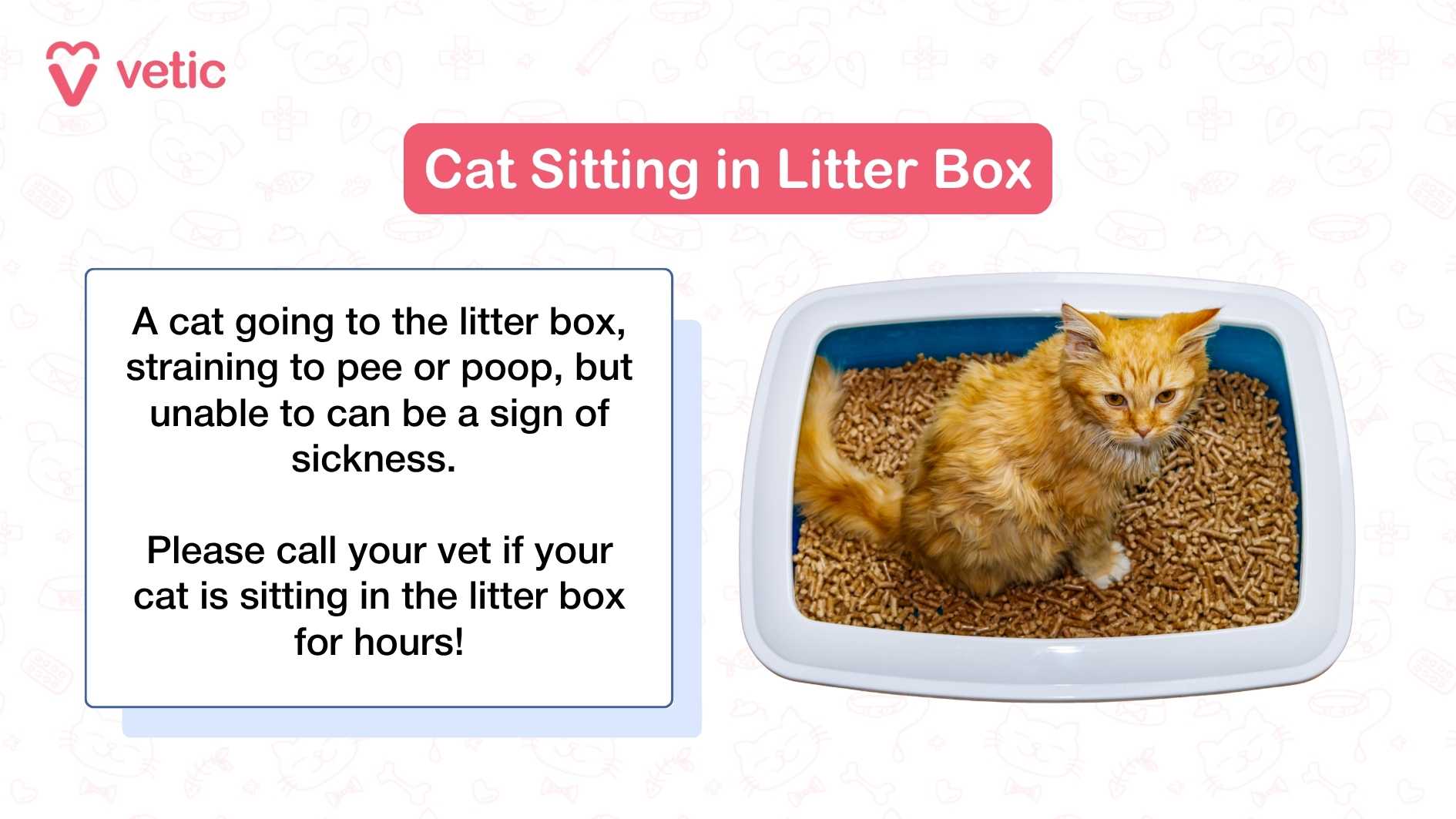
Have you ever caught your cat playing in the litter box and wondered why? It’s confusing and maybe a little worrying.
You might ask yourself, “Is this normal? Should I be concerned? ” Understanding why your cat behaves this way can help you keep your furry friend happy and healthy. You’ll discover the surprising reasons behind this odd behavior and what you can do about it.
Keep reading to learn more—it might change how you see your cat’s habits forever.
Common Cat Litter Box Behaviors
Understanding common cat litter box behaviors helps you know what is normal and what is not. Cats use their litter box daily for bathroom needs. But sometimes, they may act oddly around it. Observing their actions can give clues about their health and mood.
Some cats like to dig or paw at the litter. Others might seem to play or hide there. These behaviors can be normal or signs of discomfort. Knowing the difference helps you care better for your pet.
Normal Use Vs Play
Normal litter box use means your cat goes inside to pee or poop. Afterward, it usually covers the waste with litter. This is natural and clean behavior.
Playing in the litter box is different. Your cat may paw at the litter without any bathroom purpose. It might dig or toss litter outside the box. Sometimes, cats chase imaginary things in the litter or hide toys there.
Playing in the box is not harmful unless it becomes frequent. It may show boredom or curiosity. Providing toys and attention can reduce this behavior.
Signs Of Discomfort
Discomfort in the litter box can mean health or stress problems. Watch for these signs:
- Frequent visits but no waste.
- Straining or crying while inside.
- Messy or incomplete covering of waste.
- Avoiding the box or going outside it.
- Excessive digging or scratching.
Discomfort may indicate urinary tract infections or other illnesses. Stress from changes in the home can also cause unusual litter box behavior. Consult a vet if you see these signs.
Health Issues Linked To Litter Box Play
Playing in the litter box may signal health problems in cats. Cats often hide pain or discomfort. Watching their behavior helps catch issues early. Health issues can make cats act strangely around their litter box. Understanding these problems helps you keep your cat safe.
Urinary Tract Problems
Urinary tract problems cause pain and discomfort for cats. They may spend too much time in the litter box. Some cats try to play or dig excessively to relieve pain. Urinary tract infections block normal urination. This condition can lead to serious health risks if ignored.
Signs of urinary tract problems include:
- Frequent urination attempts
- Straining to urinate
- Blood in urine
- Crying out while urinating
These symptoms need immediate veterinary care. Treating urinary issues early prevents complications.
Parasites And Infections
Parasites and infections cause discomfort near the litter box. Cats may scratch or dig to ease irritation. Some infections cause itching or inflammation around the genitals. Parasites like fleas or worms increase this discomfort. Cats might respond by playing or scratching in the litter box area.
Watch for signs such as:
- Excessive licking or biting
- Redness or swelling
- Unusual odors
- Loose stools or diarrhea
Veterinary exams can identify these infections or parasites. Early treatment improves your cat’s comfort and health.
Behavioral Causes For Playing In The Litter Box
Ever wondered why your cat plays in the litter box? Cats have mysterious ways. Their behavior often confuses us. Playing in the litter box might seem odd. But it usually has simple reasons. Understanding these can help address the issue.
Boredom And Curiosity
Cats explore their world with curiosity. A litter box is no exception. Bored cats often seek entertainment. Without toys, they might find the litter box interesting. The texture and smell can intrigue them. New surroundings or changes can also spark curiosity.
Stress And Anxiety
Stress affects cats like it affects humans. Changes in their environment can trigger anxiety. A new pet, moving homes, or changes in routine can stress them out. The litter box becomes a familiar place. It offers comfort and safety during stressful times.
Attention-seeking Actions
Some cats seek attention through unusual actions. Playing in the litter box might be their way to get noticed. If they lack interaction, they may act out. Spending quality time with your cat can reduce this behavior.
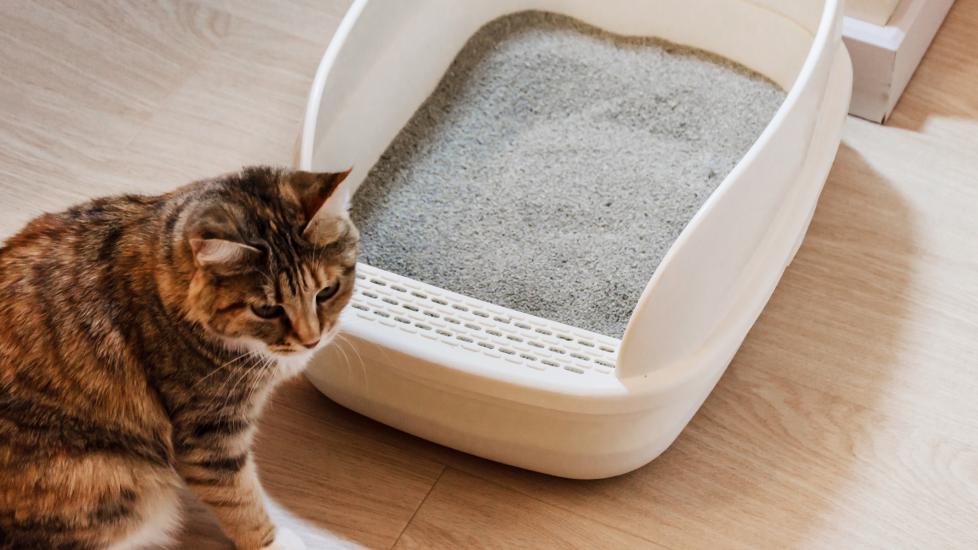
Credit: www.petmd.com
Environmental Factors Influencing Litter Box Play
Environmental factors play a significant role in why your cat might be playing in the litter box. These factors affect your cat’s comfort and behavior around their bathroom space. Understanding these details can help you create a more inviting and stress-free environment for your feline friend.
Type And Cleanliness Of Litter
The kind of litter you use can greatly impact your cat’s behavior. Some cats prefer fine, clumping litter, while others might like coarser textures. If the litter is dirty or has a strong scent, your cat may avoid using it properly and instead play or dig excessively.
Have you noticed your cat pawing more when the litter is old? Changing the litter regularly and experimenting with different types can reduce unwanted play and encourage proper use.
Litter Box Location
Where you place the litter box matters a lot. Cats need privacy but also a sense of safety. If the box is in a noisy or high-traffic area, your cat might treat it like a play area to cope with stress or boredom.
Try moving the litter box to a quiet corner or a less busy room. Does your cat seem more relaxed or less playful around the box after the move? This simple change can make a big difference in their behavior.
Number Of Litter Boxes
Having enough litter boxes is crucial, especially in multi-cat households. The general rule is one box per cat, plus one extra. If your cat feels crowded or has to compete, they might start playing in the box out of frustration or anxiety.
Adding an extra litter box in a different location might reduce this behavior. How many boxes do you currently have? Increasing the number could improve your cat’s comfort and reduce their litter box playtime.
How To Discourage Litter Box Play
Dealing with a cat that plays in the litter box can be puzzling and frustrating. To help your feline friend focus on proper litter box use, you need to make the box less appealing for play and more inviting for its intended purpose. Let’s explore practical ways to discourage this behavior and create a better experience for both you and your cat.
Keeping The Box Clean
A clean litter box is less likely to attract your cat’s playful curiosity. Cats are naturally clean animals, and if the box smells or looks messy, they might dig or paw around more out of discomfort or confusion.
Make it a habit to scoop the litter daily and change it completely at least once a week. This prevents odors and keeps the texture fresh, reducing the urge to dig excessively.
Providing Alternative Toys
Your cat might be playing in the litter box simply because it’s bored or curious. Offering a variety of engaging toys can redirect this energy.
- Introduce interactive toys like feather wands or laser pointers.
- Rotate toys regularly to keep your cat interested.
- Consider puzzle feeders that challenge your cat and provide mental stimulation.
Have you noticed your cat’s favorite toy gets less attention when they’re busy elsewhere? This can help you understand how to keep them entertained outside the litter box.
Creating A Calm Environment
Stress can cause unusual behaviors, including litter box play. Make sure your cat feels safe and calm around their bathroom area.
Place the litter box in a quiet, low-traffic spot where your cat won’t be startled. Avoid moving the box frequently, as changes can increase anxiety.
Consider using calming sprays or diffusers designed for cats to help reduce stress. A relaxed cat is less likely to engage in unwanted behaviors.
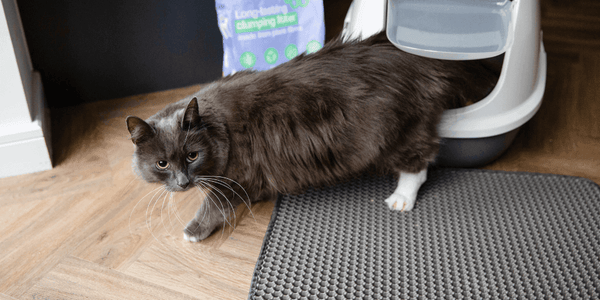
Credit: www.tippaws.com
When To Consult A Veterinarian
Noticing your cat playing in the litter box can be confusing and even a bit unsettling. While some cats are just quirky, this behavior might signal an underlying health issue. Knowing when to reach out to a veterinarian can save your cat discomfort and prevent bigger problems down the line.
Recognizing Warning Signs
Is your cat spending excessive time pawing or digging vigorously in the litter box? This could indicate discomfort or irritation during urination or defecation.
Watch for other signs like frequent trips to the litter box, straining to urinate, blood in the urine, or vocalizing while inside. These symptoms often point to urinary tract infections or other medical conditions.
If your cat suddenly avoids the litter box after playing in it or shows signs of lethargy and loss of appetite, don’t ignore these red flags. These behaviors suggest that your cat needs a professional check-up quickly.
Professional Diagnostic Steps
When you take your cat to the veterinarian, they will start with a detailed history and physical exam. Expect questions about your cat’s litter box habits, diet, and any recent changes in behavior.
The vet may perform urine tests, blood work, or even imaging like X-rays to identify infections, bladder stones, or other problems. These diagnostics help pinpoint the exact cause of the litter box play behavior.
Sometimes, behavioral issues come from stress or anxiety, and the vet might suggest environmental changes or therapy alongside medical treatment. Remember, early professional advice can prevent your cat’s condition from worsening.
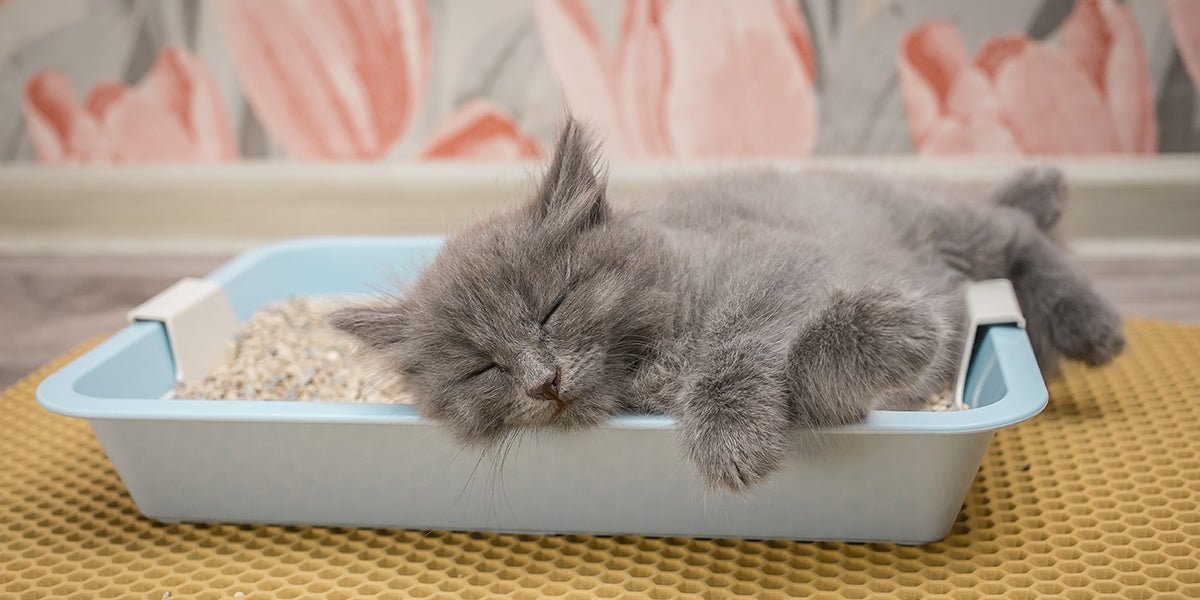
Credit: meowant.com
Frequently Asked Questions
Why Does My Cat Play In The Litter Box?
Cats may play in the litter box out of curiosity or boredom. They might find the texture interesting or want attention. Sometimes, it signals stress or a behavioral issue. Observing their behavior helps identify if it’s playful or a sign of a problem.
Can Litter Box Play Indicate Health Problems?
Yes, playing in the litter box can sometimes indicate health issues like urinary tract infections or stress. If your cat shows excessive digging or discomfort, consult a vet. Early diagnosis can prevent serious problems and ensure your cat’s well-being.
How Can I Stop My Cat From Playing In The Litter Box?
To stop this behavior, keep the litter box clean and place it in a quiet area. Provide toys and playtime to reduce boredom. If the behavior persists, consult a veterinarian or animal behaviorist for advice tailored to your cat.
Is My Cat’s Litter Box Behavior Normal?
Occasional digging is normal, but frequent playing or rolling in the litter box is unusual. It might indicate stress, medical issues, or environmental dissatisfaction. Monitor your cat’s habits and seek veterinary advice if the behavior changes suddenly or increases.
Conclusion
Cats playing in the litter box can seem strange. Sometimes, they are bored or curious. Other times, health issues might cause this behavior. Watch your cat closely for changes. Clean the litter box often to keep it fresh. Provide toys and attention to reduce boredom.
Talk to your vet if you see unusual signs. Understanding your cat helps keep them happy and healthy. Small actions can make a big difference in their behavior. Keep caring and stay patient with your furry friend.



Leave a Reply