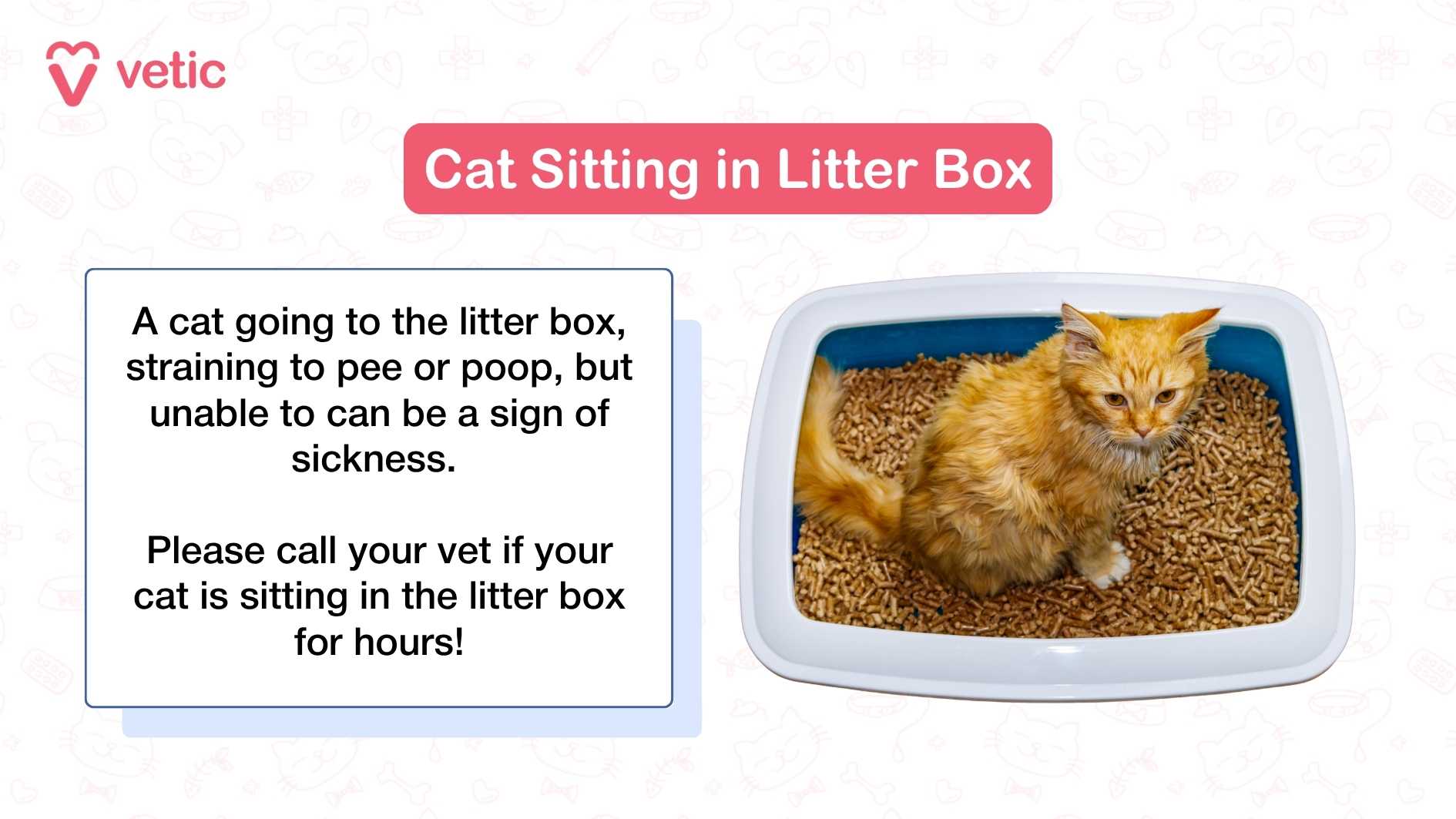
Have you ever watched your cat pawing and digging furiously in their litter box and wondered why they do it? It’s a common behavior, but it might seem puzzling or even frustrating at times.
Understanding why your cat digs can help you keep them happy and healthy. You’ll discover the surprising reasons behind this behavior and learn simple ways to make your cat’s litter box experience better. Keep reading—your cat will thank you!
Credit: vetic.in
Natural Instincts Behind Digging
Understanding why your cat digs in the litter box means looking at their natural instincts. This behavior is more than just a quirky habit; it’s deeply rooted in survival skills and communication methods cats have developed over thousands of years. Let’s break down these instincts and see how they influence your cat’s actions.
Ancestral Behavior In Wild Cats
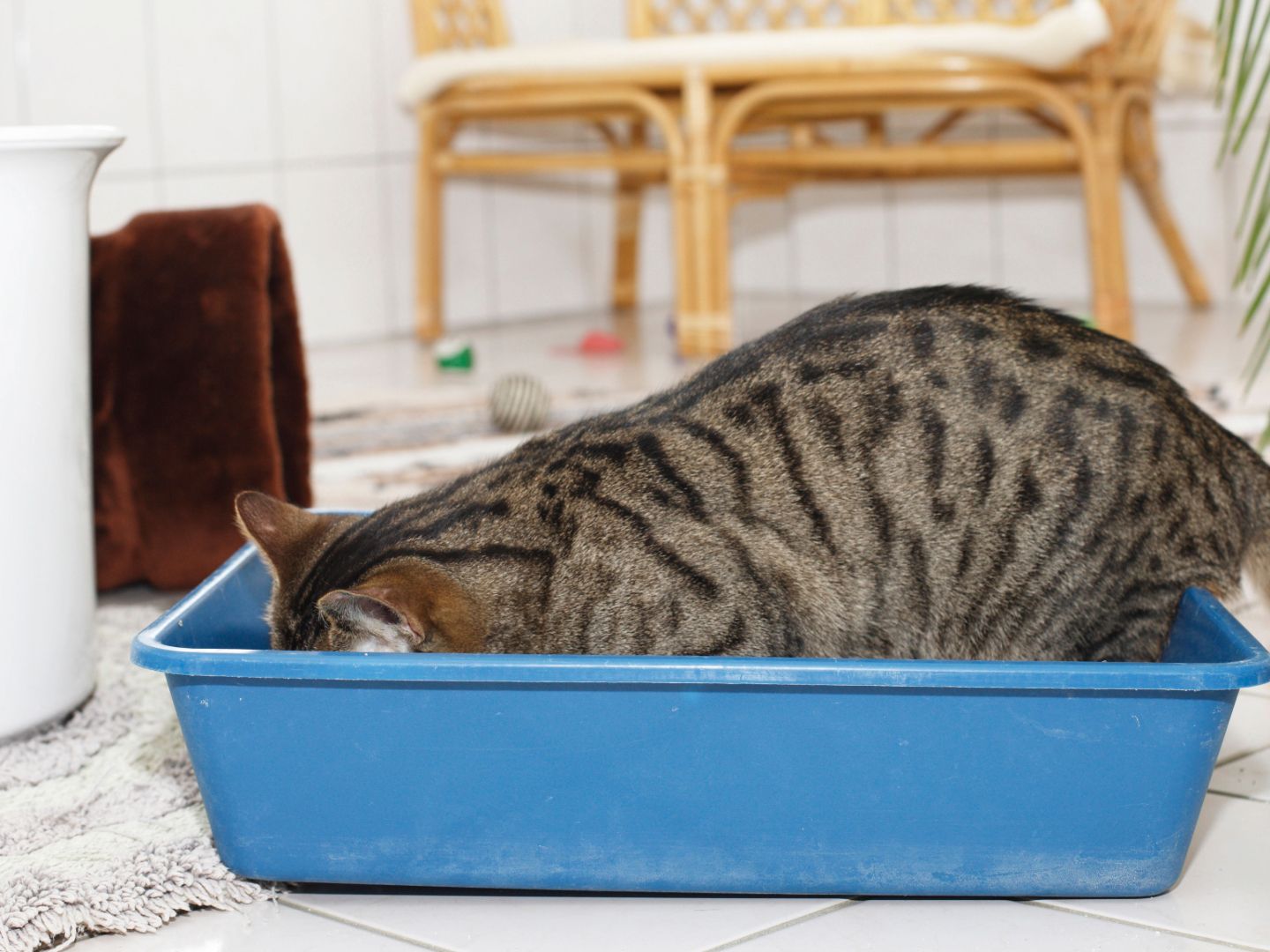
Wild cats dig to cover their waste, a behavior that helps hide their presence from predators and prey. Your domestic cat retains this instinct even though they live in a safe home environment. Have you noticed how vigorously your cat scratches the litter after using it? This is a direct link to their ancestors’ need to stay undetected.
This digging also serves another purpose: it helps wild cats keep their living space clean. By burying waste, they reduce smells that could attract unwanted attention. Your cat’s litter box digging is a small but important part of their natural hygiene routine.
Territory Marking Through Scent
Cats have scent glands in their paws. When your cat digs in the litter, they are not just covering waste—they’re also leaving behind their unique scent. This scent marking tells other cats, “This is my space,” helping your cat feel secure and confident.
Have you ever seen your cat dig vigorously around the edges of the litter box? This could be their way of reinforcing territory boundaries. By understanding this, you can appreciate that litter box digging is part of how cats communicate without words.
Credit: www.petsradar.com
Litter Box Preferences
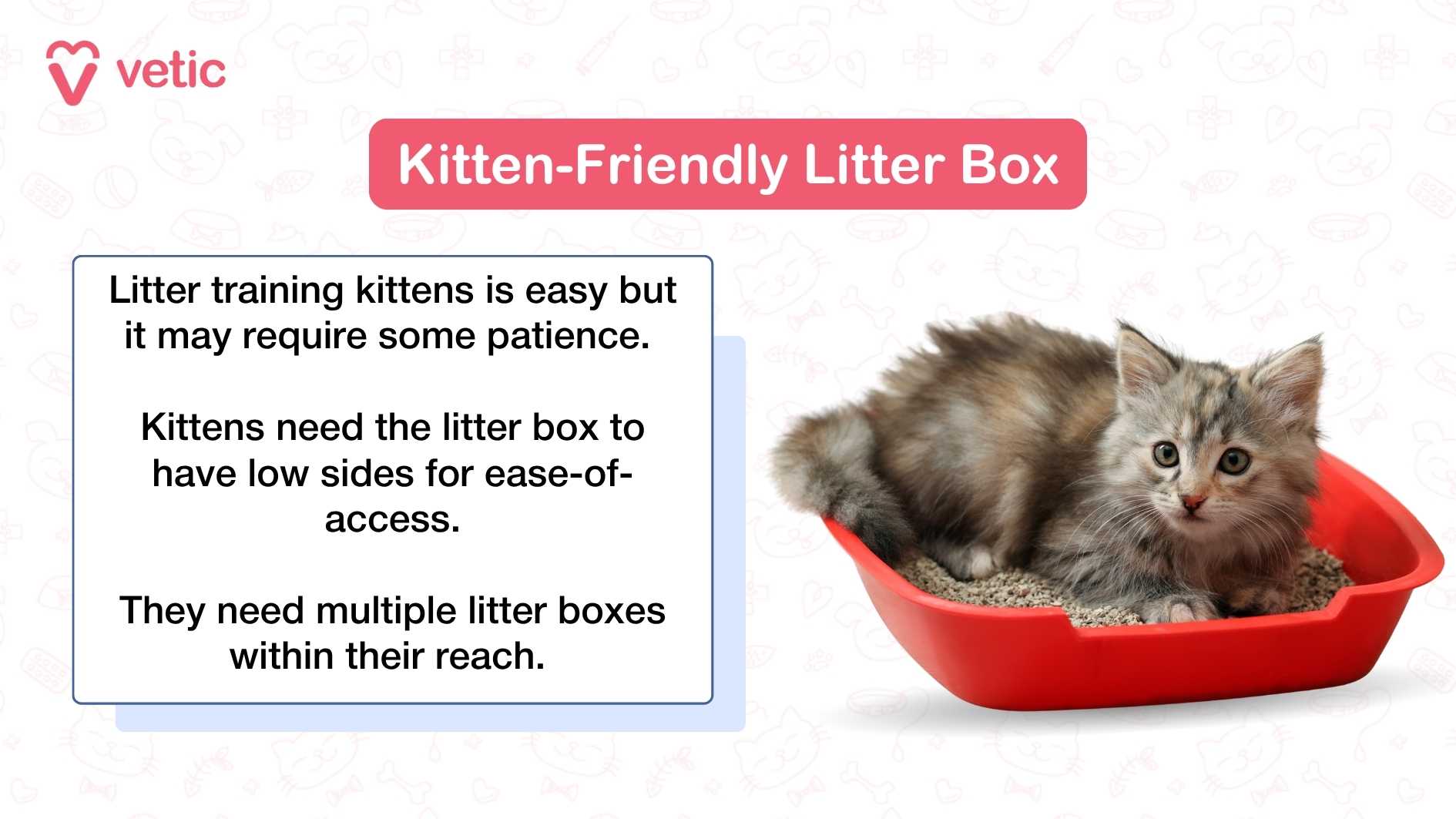
Cats dig in their litter box to cover their waste and hide their scent from predators. This natural behavior helps them feel safe and clean. Some cats dig more to check the litter texture or to create a comfortable spot.
Cats have unique preferences when choosing their litter box. Understanding these preferences helps in providing the perfect environment. This ensures a stress-free experience for our feline friends.Type Of Litter Material
Cats are sensitive to litter texture. Some cats prefer fine, sand-like litter. Others might favor coarser materials like pellets. Cats also react to scent. Unscented litter is often best. Scented options might deter some cats. Experiment to find the best fit for your cat.Box Size And Shape
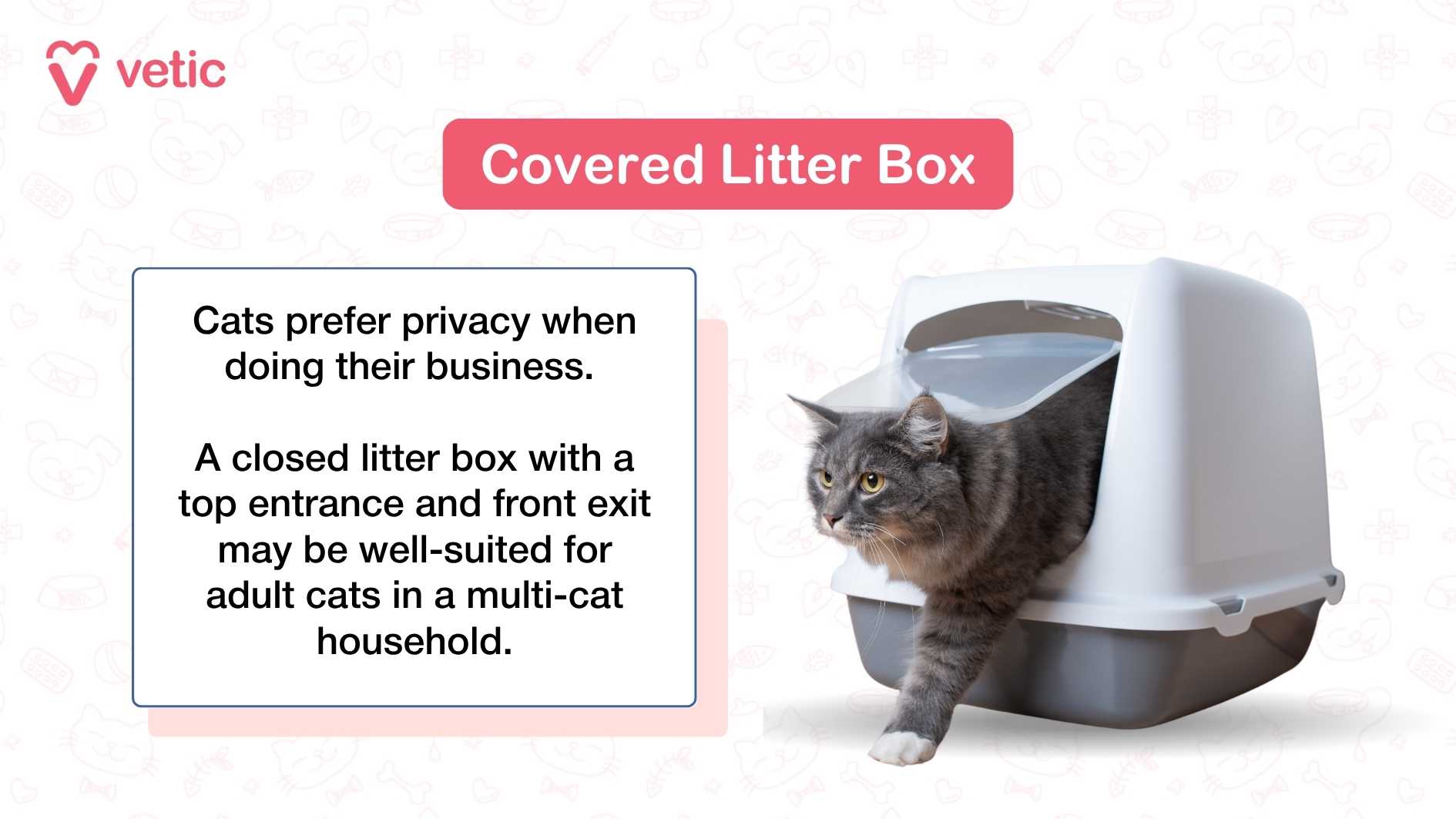
The size of the litter box matters. Cats need enough space to move comfortably. A larger box allows for easier digging and turning. The shape also plays a role. Some cats like open boxes. Others might prefer ones with a cover for privacy. Ensure the box suits your cat’s size and personality.Cleanliness And Odor
Cats dislike dirty litter boxes. Regular cleaning is crucial. Scoop the box daily to keep it fresh. Change the litter often to avoid odors. Strong smells can drive cats away. A clean box encourages regular use. Maintain a tidy area to keep your cat happy.Health-related Causes
Sometimes, your cat’s digging behavior in the litter box signals more than just a habit. Health-related causes can drive this action, revealing underlying issues that need your attention. Understanding these signs can help you respond quickly and keep your feline friend comfortable and healthy.
Stress And Anxiety Signals
Cats often dig excessively in their litter box when they feel stressed or anxious. Changes in their environment, like moving to a new home or adding a new pet, can trigger this behavior. You might notice your cat digging more vigorously or for longer periods, trying to find comfort or control.
Ask yourself: Has anything changed around your cat recently? Addressing stressors can reduce this digging and improve their overall well-being.
Urinary Or Digestive Issues
Digging in the litter box can be a sign of urinary tract infections or digestive problems. Cats experiencing discomfort when urinating or defecating might dig repeatedly as they try to relieve pain or confusion. If your cat seems restless or visits the litter box more often, it could point to a medical issue.
Keep an eye on any changes in your cat’s bathroom habits. Prompt vet visits can catch infections early and prevent serious complications.
Pain Or Discomfort Indicators
Sometimes, digging is a way for cats to express pain or discomfort, especially if they have arthritis or injuries. They might paw at the litter box floor to ease pressure or distract themselves from pain. This behavior often comes with other signs like limping or reluctance to jump.
Notice if your cat’s digging is accompanied by changes in movement or mood. Seeking veterinary advice can help manage their pain and improve quality of life.
Behavioral Reasons For Excessive Digging
Cats dig in their litter boxes for several behavioral reasons. This digging can sometimes seem excessive. Understanding these behaviors helps in managing your cat’s habits better.
Excessive digging often relates to the cat’s mental and emotional state. Their actions can signal boredom or a need for attention. Some cats develop habits early in life that stick with them as adults.
Boredom And Attention Seeking
Cats may dig more when they feel bored. Digging becomes a way to pass time and entertain themselves. It can also be a call for attention from their owners.
When a cat feels ignored, it might dig to get noticed. This behavior sometimes increases if the cat lacks toys or playtime. Providing stimulation reduces the urge to dig excessively.
Learned Habits From Kittenhood
Kittens learn litter digging from their mothers or early experiences. If digging was encouraged or went uncorrected, it may continue into adulthood. This habit is a natural part of their litter training process.
Some cats dig deeply to hide their waste thoroughly. This behavior can become a strong routine. Changing this habit takes patience and consistent training.
How To Manage Digging In The Litter Box
Managing your cat’s digging in the litter box helps keep your home clean and your cat happy. Understanding simple changes can reduce excessive digging and scratching. Small adjustments make a big difference in your cat’s comfort and behavior.
Choosing The Right Litter
Select litter that feels soft and easy to dig in. Cats prefer fine-grained, clumping litter because it mimics natural dirt. Avoid scented or dusty litters that may irritate your cat’s paws or nose. Test different types to see which your cat likes best. A good litter encourages proper digging and covering habits.
Maintaining A Clean Environment
Clean the litter box daily to keep it fresh and inviting. Remove waste and clumps often to prevent odors and discomfort. Wash the box with mild soap every week to remove bacteria. A clean box reduces the need for your cat to dig excessively. Place the box in a quiet, private area where your cat feels safe.
Providing Mental And Physical Stimulation
Offer toys and playtime to keep your cat active and entertained. Bored cats may dig more in their litter box. Use puzzle feeders or interactive toys to challenge their mind. Regular exercise lowers stress and decreases unwanted digging behaviors. Create a routine with daily play sessions to satisfy their energy and curiosity.
Credit: vetic.in
Frequently Asked Questions
Why Do Cats Dig In Their Litter Box?
Cats dig to cover their waste and hide their scent. This behavior is natural and helps keep their area clean. Digging also allows cats to create a comfortable spot for elimination. It’s an instinct inherited from wild ancestors to avoid predators.
How Often Should I Clean My Cat’s Litter Box?
You should scoop the litter box daily to keep it fresh. Complete litter changes are recommended weekly. Regular cleaning prevents odors, encourages cats to use the box, and reduces digging due to discomfort or messiness.
Can Digging Indicate A Cat’s Health Problem?
Excessive or unusual digging may signal stress, anxiety, or health issues. If your cat digs nonstop or shows other symptoms, consult a vet. Normal digging is brief and purposeful, not frantic or obsessive.
What Type Of Litter Do Cats Prefer For Digging?
Most cats prefer fine, clumping litter that’s soft and easy to dig. Unscented, natural litters are often favored. Avoid dusty or heavily scented litters, as they may deter digging and use of the box.
Conclusion
Cats dig in their litter boxes for many reasons. They want to hide their waste and keep their space clean. Digging also feels natural and helps them stay comfortable. Paying attention to this behavior can show you if your cat is healthy or stressed.
Use soft, fresh litter to keep your cat happy. Watching your cat’s habits helps you care for them better. Understanding why cats dig makes pet care easier and more enjoyable. Simple changes can make your cat’s litter box a pleasant place.



Leave a Reply