
If you have two cats at home, you might wonder: do you really need two litter boxes? It’s a question that can save you from messy accidents and keep your furry friends happy.
Choosing the right number of litter boxes isn’t just about convenience—it affects your cats’ comfort and your peace of mind. You’ll discover why having the right setup matters and how it can make life easier for both you and your cats.
Keep reading to find out what experts recommend and how to create a stress-free space for your pets.
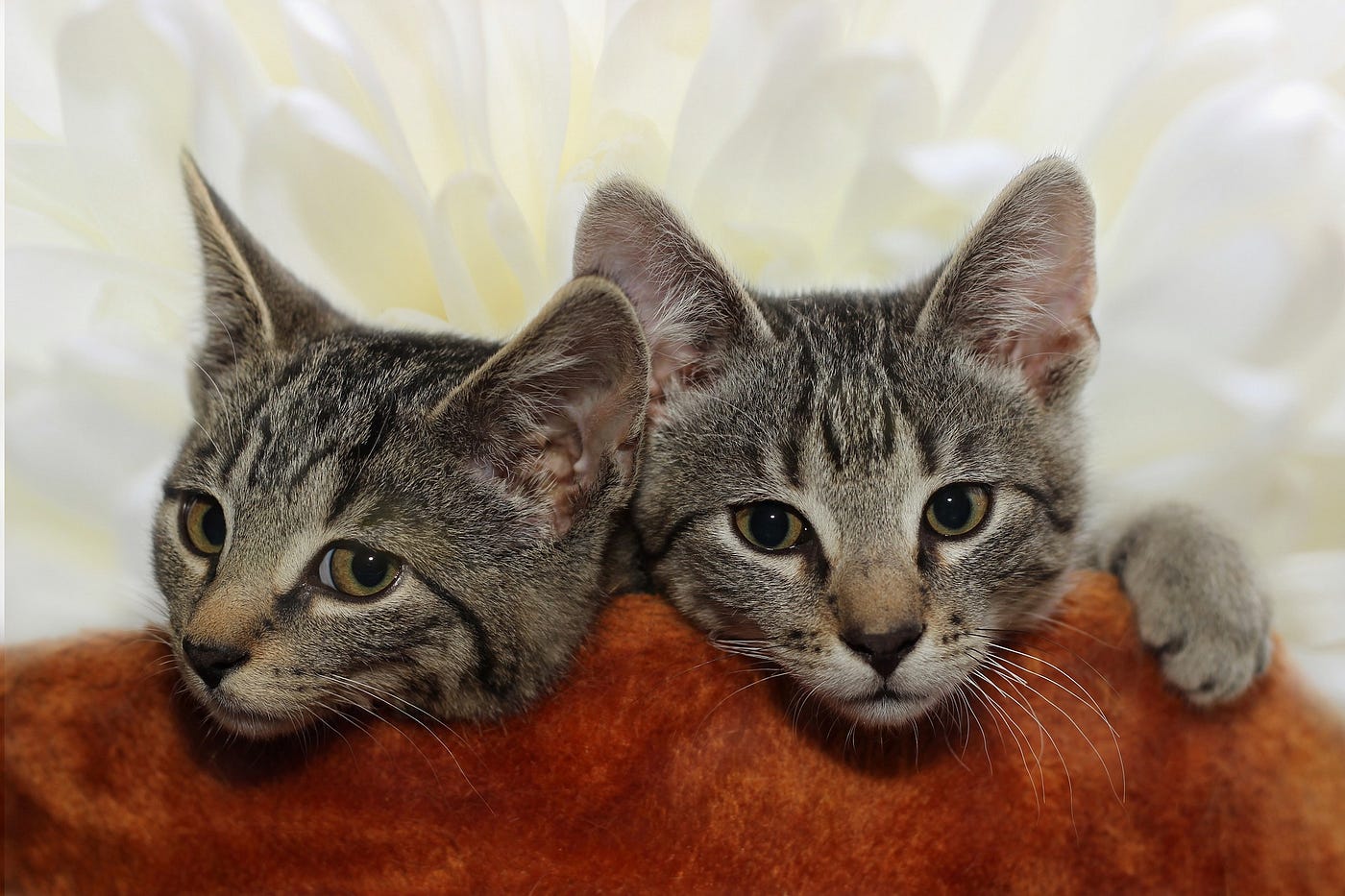
Credit: medium.com
Number Of Boxes Per Cat
Understanding how many litter boxes you need for your cats is more important than you might think. It directly affects their comfort and behavior. Many cat owners wonder if two cats really need two litter boxes or if one can do the job. Let’s clarify the best approach based on the number of cats you have.
General Rule For Litter Boxes
The basic guideline is simple: one litter box per cat, plus one extra.This means if you have two cats, you should ideally have three litter boxes. This extra box gives your cats options and prevents conflicts or stress.
Imagine a scenario where one box is dirty or in use. Without an extra box, your cats might hold their needs or start going outside the box. Have you noticed how your cats sometimes avoid a box that’s not clean? An extra box helps avoid those issues.
Factors Influencing Box Count
Not all homes or cats are the same. Several factors can change how many litter boxes you really need.
- Cat personalities:Territorial cats may want their own box and won’t share.
- Space in your home:If your home is large or has multiple floors, you might want boxes in different areas.
- Number of cats:More cats usually mean more boxes, especially if they don’t get along well.
- Health issues:Older cats or those with health problems might need easier access to multiple boxes.
- Litter box type:Some cats prefer open boxes, others covered. Providing a variety can reduce stress.
Have you ever seen cats waiting in line for a litter box? That’s a clear sign you need more boxes. Paying attention to your cats’ behavior can guide you to the right number of boxes for your home.
Benefits Of Multiple Boxes
Having multiple litter boxes for your cats offers more than just convenience. It creates a healthier and more peaceful environment for your furry friends. Let’s look at how adding an extra box can make a difference in your home.
Reducing Territorial Disputes
Cats are territorial animals, and sharing a single litter box can lead to stress and conflicts. Providing two boxes helps each cat have their own space, which lowers chances of marking or guarding behavior.
Imagine your cats avoiding each other instead of fighting over one spot. This simple change can improve their relationship and reduce anxiety. Have you noticed your cats acting tense around their litter area? Adding a box might be the answer.
Maintaining Cleanliness
Two boxes mean less mess in each one. When a single box gets heavily used, it fills up quickly and odors build up, making your cats reluctant to use it.
By having multiple boxes, waste is spread out, keeping each box cleaner for longer. This encourages your cats to use their litter areas consistently, making your home smell fresher and reducing cleaning time for you.
Preventing Health Issues
Health problems like urinary tract infections can arise if cats avoid dirty litter boxes. Having two boxes reduces the risk of them holding it in or going outside the box.
It also helps you spot changes in their bathroom habits sooner. If one box stays cleaner than usual, you might catch early signs of illness. How often do you check your cats’ litter boxes? Multiple boxes make monitoring easier and more effective.
Box Placement Tips
Choosing the right placement for your cats’ litter boxes is crucial. Cats are picky about where they do their business. Proper box placement can prevent accidents and keep your home fresh. Let’s explore some tips to find the best spots for your cat’s needs.
Ideal Locations In The Home
Find quiet spots with minimal noise. Consider a corner in a laundry room or bathroom. Choose areas with easy access for your cats. Ensure the spot has good ventilation to reduce odors. Your cats will appreciate these thoughtful choices.
Avoiding High-traffic Areas
Keep litter boxes away from busy areas. Avoid placing them near doors or hallways. Cats need privacy to feel secure. High-traffic spots can cause stress for them. A calm, quiet location is best for their comfort.
Types Of Litter Boxes
Choosing the right type of litter box matters for your cats’ comfort. Different boxes suit different cats and homes. Knowing the options helps you decide what works best for two cats. Consider space, ease of cleaning, and your cats’ preferences. Here are common types of litter boxes to think about.
Open Vs Covered Boxes
Open litter boxes have no lid or cover. Cats enjoy easy access and good airflow. These boxes reduce odor buildup and let you see when cleaning is needed.
Covered boxes have a lid or hood. They help contain odors and litter scatter. Some cats like the privacy, while others feel trapped or stressed.
For two cats, open boxes may reduce fights over space. Covered boxes can work if each cat has its own. Watch your cats to see what they prefer.
Self-cleaning Options
Self-cleaning litter boxes automatically scoop waste. They save time and keep the area cleaner for longer.
These boxes use sensors to detect when cats leave. They rake waste into a sealed compartment. You only need to empty the waste drawer.
Two cats using one self-cleaning box might overload it. Some models handle multiple cats better than others. Check the product details before choosing.
Managing Multi-cat Households
Managing a household with more than one cat needs careful planning. Each cat has its own habits and needs. Meeting these needs helps keep peace and comfort in your home. A key part is providing enough litter boxes to avoid problems. Understanding how cats interact and what they prefer makes life easier for them and you.
Recognizing Individual Preferences
Each cat may like a different type of litter or box style. Some cats prefer covered boxes, others open ones. Location matters too. Quiet, private spots are best for litter boxes. Watching your cats helps find their favorites. Offering a choice can reduce litter box issues. Cats feel safer and cleaner with their preferred setup.
Handling Conflicts And Stress
Sharing space can cause tension between cats. Stress can lead to accidents outside the litter box. Signs of stress include hiding or aggression. To ease conflicts:
- Place litter boxes in separate rooms or corners.
- Keep boxes clean and odor-free.
- Avoid sudden changes to box location or type.
- Give each cat its own space and attention.
Reducing stress keeps cats healthy and happy. It also lowers the risk of litter box problems in multi-cat homes.

Credit: neakasa.com
Signs You Need More Boxes
Knowing the signs that show you need more litter boxes helps keep cats happy. Cats want clean, accessible spaces for their needs. If something is off, they might tell you through actions or health changes. Spotting these signs early stops problems and keeps your home fresh.
Behavioral Indicators
- Cats avoid using their current litter box.
- They pee or poop outside the box.
- One cat blocks access to the box.
- Cats show stress or aggression near the litter area.
- Frequent fights over the box happen.
- Cats wait too long to use the box.
Health-related Symptoms
- Increased urination or straining to pee.
- Visible discomfort while using the box.
- Blood in urine or stool.
- Sudden changes in bathroom habits.
- Excessive licking of the genital area.
- Signs of urinary tract infections or blockages.

Credit: www.amazon.ca
Frequently Asked Questions
Do Two Cats Need Separate Litter Boxes?
Yes, two cats generally need two litter boxes. This prevents territorial disputes and ensures cleanliness. Separate boxes reduce stress and encourage proper litter use.
Can One Litter Box Cause Cat Behavior Issues?
Using one litter box for two cats can cause litter box avoidance. Cats may feel stressed or territorial, leading to inappropriate elimination behaviors.
How Often Should Litter Boxes Be Cleaned?
Clean litter boxes at least once daily. Regular cleaning prevents odors and promotes healthy habits. Cats prefer fresh, odor-free litter boxes for use.
Is Box Placement Important For Multiple Cats?
Yes, place litter boxes in different quiet, accessible locations. This reduces territorial conflicts and encourages both cats to use their boxes comfortably.
Conclusion
Two cats usually need two litter boxes to stay happy. Sharing one box can cause stress and mess. Each cat likes its own clean space to use. This helps stop fights and keeps your home fresh. Giving each cat a box shows you care.
It makes litter time easier for everyone. Remember, clean boxes often keep cats healthy and calm. Simple steps like these improve your cats’ life a lot. So, two cats? Two litter boxes. Easy and smart.



Leave a Reply