
Are you frustrated because your cat keeps peeing outside the litter box? You’re not alone.
When your furry friend suddenly changes this habit, it can be confusing and stressful. But understanding why this happens is the first step to fixing the problem. You’ll discover common reasons behind this behavior and simple solutions you can try right away.
Keep reading to find out how to bring peace back to your home and make your cat happy again.

Credit: www.youtube.com
Common Reasons Cats Avoid Litter Boxes
When your cat starts peeing outside the litter box, it can feel confusing and frustrating. Understanding why cats avoid their litter boxes is key to solving the problem effectively. Often, the reasons are rooted in health, environment, or behavior, and identifying these can help you take quick and smart action.
Medical Issues
Health problems are a common reason cats stop using their litter boxes. Conditions like urinary tract infections, bladder stones, or kidney disease cause discomfort during urination, making your cat associate pain with the litter box.
If your cat suddenly starts peeing outside the box, a vet visit is crucial. Catching medical issues early can prevent long-term problems and help your cat feel comfortable again.
Litter Box Cleanliness
Cats are naturally clean animals, and a dirty litter box can be a major turn-off. If the box smells or is full of waste, your cat may decide it’s not a pleasant place to go.
Try scooping the litter at least once a day and changing it regularly. You might notice your cat returning to the box more often once it’s clean and fresh.
Litter Type Preferences
Not all cats like the same type of litter. Some prefer clumping litter, while others like non-clumping or natural options like corn or wood pellets.
Watch your cat’s behavior around different litters. Changing the litter type or texture can make a big difference in their willingness to use the box.
Stress And Anxiety
Cats can react to stress by avoiding their litter box. Changes like moving to a new home, new pets, or loud noises can cause anxiety, leading to this behavior.
Ask yourself if anything in your cat’s environment has changed recently. Providing a calm and safe space can help reduce stress and encourage proper litter box use.
Territorial Behavior
Cats are territorial creatures, and marking their space outside the litter box can be a way to communicate. This is especially common in multi-cat households.
Consider adding more litter boxes—one per cat plus one extra—and placing them in quiet, separate areas. This can reduce competition and help your cat feel secure enough to use the box.
Health Problems Leading To Inappropriate Urination
When your cat suddenly starts peeing outside the litter box, it’s easy to blame behavior or laziness. But often, health problems are the real cause behind inappropriate urination. Ignoring these signs can lead to serious discomfort and complications for your feline friend.
Urinary Tract Infections
Urinary tract infections (UTIs) are a common reason cats avoid their litter box. The infection causes pain and urgency, making it hard for your cat to hold their urine. You might notice frequent trips to the box with little or no urine produced, or your cat may choose softer surfaces to ease discomfort.
If your cat is suddenly restless and licking their genital area more than usual, it’s a red flag. UTIs are painful but treatable—waiting too long only worsens the problem. Have you checked if your cat’s litter habits changed alongside signs of distress?
Kidney Disease
Kidney disease affects many cats, especially as they age. It can cause increased thirst and urination, leading to accidents outside the box. Cats with kidney issues often drink more water, which means more frequent urination that might overwhelm their usual bathroom routine.
Pay attention if your cat is losing weight or acting lethargic. These symptoms, combined with inappropriate urination, should prompt a vet visit. How closely are you watching your cat’s drinking and bathroom habits?
Diabetes
Diabetes causes your cat to produce excess urine due to high blood sugar levels. This condition makes your cat drink and pee more often, increasing the chance of accidents outside the litter box. You might notice your cat losing weight despite a good appetite.
Managing diabetes requires medical care and monitoring, but catching it early can improve your cat’s quality of life. Is your cat showing signs of increased thirst or unusual bathroom behavior? Don’t wait to find out what’s going on.
Bladder Stones
Bladder stones irritate your cat’s bladder lining, causing pain and frequent urination attempts. Your cat may strain in the litter box or pee in small amounts outside it. Sometimes, blood in the urine is visible, signaling this painful condition.
Bladder stones need prompt veterinary attention to avoid blockages, which can be life-threatening. Have you noticed your cat struggling to pee or showing signs of discomfort? These signs are more than just bad habits—they’re cries for help.
Environmental Factors Affecting Litter Box Use
Environmental factors play a big role in a cat’s litter box habits. Changes in surroundings can cause stress or confusion. This often leads to peeing outside the litter box. Understanding these factors helps create a better space for your cat.
Box Location
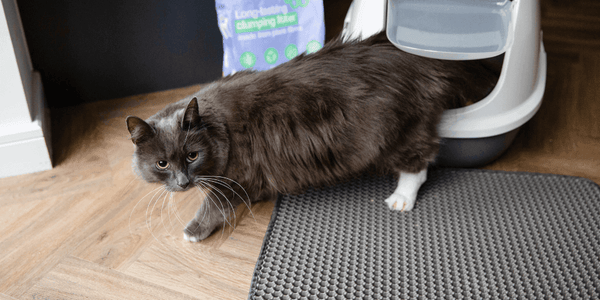
The spot of the litter box matters a lot. Cats prefer quiet and private places. Avoid busy or noisy areas like kitchens or near loud machines. If the box is hard to reach, cats might avoid it. A calm, easy-to-access spot encourages proper use.
Multiple Cats And Territory
Cats are territorial animals. Having more than one cat can cause tension. Sharing a litter box or having boxes too close can lead to marking outside. Each cat needs its own box in different locations. This reduces stress and territorial disputes.
Noise And Disruptions
Sudden loud sounds scare cats easily. Noisy environments cause anxiety during bathroom time. Frequent disruptions near the box make cats uncomfortable. Keeping the area peaceful and quiet helps cats feel safe. This promotes consistent litter box use.
Credit: www.tippaws.com
Behavioral Causes Behind Litter Box Avoidance
Stress, changes in the home, or conflicts with other pets often cause cats to avoid their litter box. Discomfort with the litter type or box location can also lead to peeing outside the box.
Cats are fascinating creatures with unique behaviors, and when they start peeing outside the litter box, it can be perplexing. Understanding the behavioral causes behind this issue is crucial for finding a solution. Often, a cat’s behavior is a direct response to their environment or emotional state.Negative Associations
Cats are sensitive animals. If your cat had an unpleasant experience in the litter box, such as a loud noise or a painful health issue, they might associate the box with negativity. This can lead to avoidance. Consider if anything has changed around the litter box. A new washing machine making loud sounds nearby or a recent visitor’s presence could have triggered this response. It’s essential to identify and address these negative associations to encourage your cat to return to their box.Changes In Routine
Cats thrive on consistency. A sudden change in their daily routine can throw them off balance. This includes changes in feeding times, household members, or even moving the litter box to a new location. Reflect on any recent changes in your household. Have you started a new job with different hours? Did a family member move in or out? These shifts can impact your cat’s behavior significantly.Marking Territory
If your cat is peeing outside the litter box, they might be marking their territory. This behavior is more common in multi-cat households or when a new animal is introduced. Think about your cat’s environment. Are there new pets in the neighborhood that they can see or smell? If so, your cat might feel the need to assert their space. Understanding these behavioral causes can help you address and correct your cat’s litter box issues. What small adjustments can you make today to help your feline friend feel more comfortable and secure?Solutions To Encourage Proper Litter Box Use
Encouraging your cat to use the litter box properly can sometimes feel like a challenge. However, simple changes around your home can make a big difference. Let’s look at practical solutions that help your feline friend feel comfortable and confident in their bathroom habits.
Choosing The Right Litter And Box
Not all litter boxes and litters are created equal. Cats often prefer a litter that is soft on their paws and clumps well to keep the box tidy. Try different types like clumping clay, silica gel, or natural corn-based litter to see what your cat likes best.
Size matters too. A box that’s too small or too high-sided can discourage use. Make sure the box is large enough for your cat to turn around comfortably and easy to enter and exit.
Maintaining Cleanliness
Cleanliness is key to encouraging your cat to use the litter box. Scoop out waste daily and change the litter completely once a week. Cats have a strong sense of smell and dislike dirty boxes.
Consider keeping a schedule or setting reminders for cleaning. You might be surprised how much this simple habit improves your cat’s behavior.
Providing Multiple Boxes
If you have more than one cat, or even just one, multiple litter boxes can prevent territorial disputes and accidents. The general rule is one box per cat plus one extra.
Place the boxes in different quiet areas of your home. This gives your cat options and reduces stress about sharing or finding a suitable spot.
Reducing Stress And Anxiety
Stress can cause cats to avoid their litter boxes. Changes in the household, loud noises, or new pets can all be triggers. Provide safe, quiet spaces and maintain a routine to help your cat feel secure.
Interactive play and attention can reduce anxiety. Have you noticed your cat’s litter box habits change after a stressful event? Addressing emotional needs can be as important as physical care.
Consulting A Veterinarian
If your cat continues to avoid the litter box despite your efforts, it’s time to visit a vet. Health issues like urinary tract infections or kidney problems often cause inappropriate urination.
A vet can perform tests and recommend treatment or dietary changes. Don’t wait—early intervention can prevent discomfort and save your furniture.
Preventing Future Litter Box Issues
Preventing future litter box issues keeps your cat happy and your home clean. Simple habits help avoid accidents and stress for your pet. Early care and attention can stop problems before they start.
Regular Health Checkups
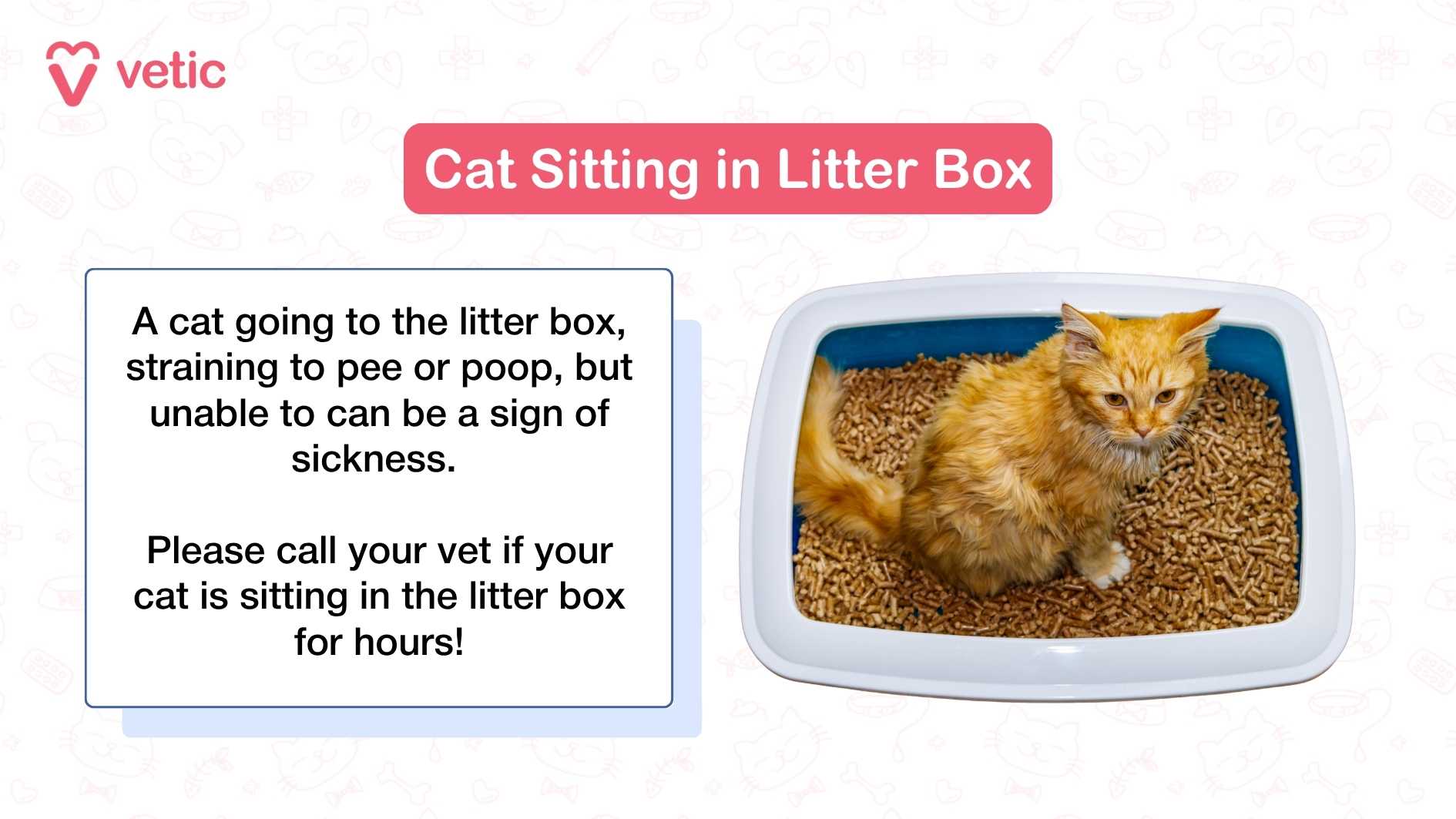
Frequent vet visits catch health problems early. Illnesses like urinary tract infections cause litter box avoidance. Regular checkups ensure your cat stays healthy and comfortable. Early treatment reduces accidents outside the box.
Consistent Cleaning Habits
Clean litter boxes invite cats to use them. Scoop waste daily to keep the box fresh. Change litter completely at least once a week. Clean boxes reduce odors and prevent bad habits. Cats prefer a tidy place for their bathroom.
Monitoring Behavior Changes
Watch your cat for signs of stress or discomfort. Changes in eating, sleeping, or grooming can signal issues. Early noticing helps address problems quickly. Behavioral shifts often link to litter box problems. Keep a close eye to act fast.
Credit: vetic.in
Frequently Asked Questions
Why Do Cats Suddenly Stop Using Litter Boxes?
Cats may avoid litter boxes due to stress, illness, or dirty conditions. Changes in environment or health issues like urinary infections can cause this behavior.
Can Medical Problems Cause Cats To Pee Outside Litter Box?
Yes, health issues such as urinary tract infections, bladder stones, or kidney disease often lead cats to urinate outside the box.
How Can I Stop My Cat From Peeing Outside Litter Box?
Keep the litter box clean, provide enough boxes, and consult a vet for medical checks. Address stress factors and use calming products if needed.
Does Litter Box Type Affect Where Cats Pee?
Yes, cats prefer certain litter textures and box styles. An unsuitable box or litter can cause them to avoid it.
Conclusion
Cats peeing outside the litter box can be frustrating. Stress, health issues, or dirty boxes often cause this behavior. Watching your cat closely helps spot problems early. Clean the litter box regularly to keep your cat happy. Visit a vet if problems continue or your cat seems sick.
Patience and care make a big difference. Understanding your cat’s needs leads to a cleaner home and a happier pet. Keep trying—your cat will thank you.



Leave a Reply