
If you have both dogs and cats at home, you’ve probably faced the frustrating problem of your dog getting into the cat litter box. It’s not just messy—it can be unhealthy for your dog and stressful for your cat.
You want a clean, peaceful space for your feline friend and a safe environment for your dog. You’ll discover simple, effective ways to keep your dog out of the litter box for good. By the time you finish reading, you’ll have easy solutions that protect your pets and keep your home fresh.
Let’s get started!
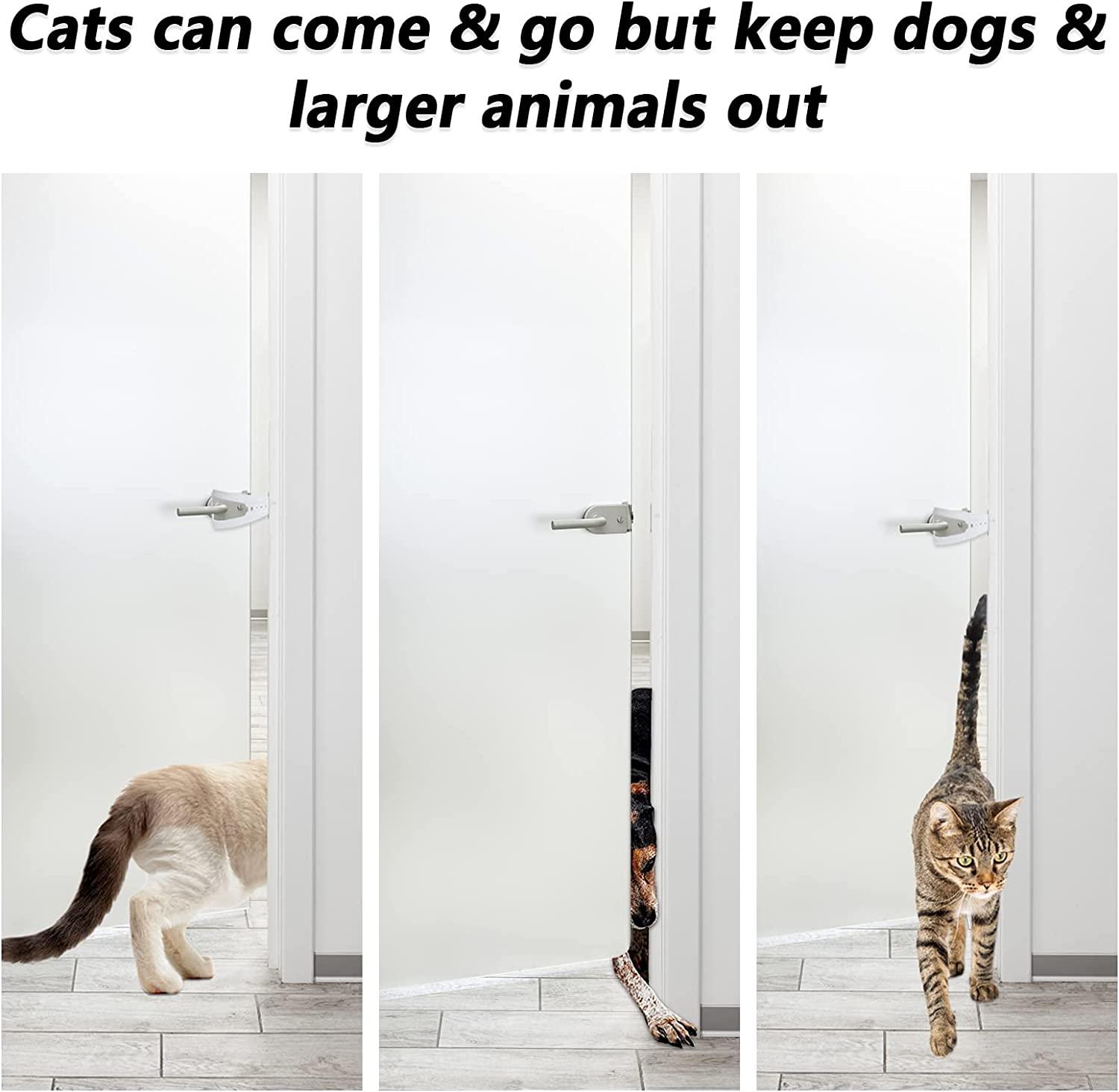
Credit: www.techmatrixconsulting.com
Why Dogs Are Attracted To Litter Boxes
Dogs often show interest in cat litter boxes for several reasons. Understanding why dogs are attracted to litter boxes helps to prevent unwanted behavior. This attraction can be linked to their natural instincts and habits. It also relates to what they find appealing in the litter box environment.
Scent And Curiosity
Dogs have a strong sense of smell. The litter box holds many scents from the cat. These smells can be very interesting to a dog. The mix of urine and feces scent triggers their curiosity. Dogs explore their world through smell. The litter box offers a new and rich scent to investigate.
Nutritional Interests
Some dogs are drawn to the litter box because of what they find there. Cat feces contain undigested nutrients. Dogs may see this as a food source. This behavior is called coprophagia. It is common in dogs but can be unhealthy. The litter box becomes a tempting place for dogs seeking extra nutrition.
Habit And Behavior
Dogs are creatures of habit. If a dog finds the litter box interesting once, it may return often. This behavior can become a routine. Dogs may also mimic cats or seek attention by going near the box. Sometimes, boredom or anxiety leads dogs to check the litter box repeatedly.

Credit: loftyloo.com
Choosing The Right Litter Box Location
Choosing the right litter box location is key to keeping dogs away. A well-chosen spot makes cats feel safe and dogs less interested. It also keeps your home cleaner and more peaceful. Think about your pet’s habits and home layout. The right place is easy for cats but hard for dogs to reach.
Quiet And Private Spots
Cats prefer calm and quiet places for their litter box. Choose a spot away from loud noises and heavy foot traffic. A private corner or a small room works well. This helps cats feel secure and relaxed during use.
Dogs usually avoid quiet, hidden spots. They like open spaces to move around freely. By placing the litter box in a private area, dogs are less likely to check it out. This reduces the chance of accidents or messes.
High Or Hard-to-reach Areas
Placing the litter box in a high or hard-to-reach place keeps dogs away. Cats are natural climbers and can jump to shelves or counters. Dogs struggle to reach these spots, especially if they are small or less agile.
Use furniture or cat trees to create a safe zone for the litter box. Avoid areas where dogs can easily jump or dig. This simple change can make a big difference in keeping the box dog-free.
Using Physical Barriers
Physical barriers like baby gates or covered litter boxes keep dogs away from cat litter. These blocks create a clear boundary, preventing dogs from accessing the area. Simple barriers protect both pets and maintain cleanliness easily.
Using physical barriers can effectively keep dogs out of the cat litter box. These barriers create a safe space for your cat. They limit dog access without causing stress to your pets. This approach is simple and doesn’t require complex gadgets. Let’s explore some practical options.Baby Gates And Doors
Baby gates provide a simple solution. Place a gate at the door of the room with the litter box. Ensure the gate has a small opening for cats. This allows cats easy access while keeping dogs out. Some baby gates have cat doors built-in. They are adjustable and easy to install. This method keeps the litter box area private.Covered Litter Boxes
Covered litter boxes deter dogs from accessing the litter. These boxes have a lid or cover. The design makes it difficult for dogs to reach inside. Cats feel secure using them as they offer privacy. Select a box with an entrance suitable for cats. Ensure your cat is comfortable using a covered box. This helps maintain hygiene and peace at home.Diy Solutions
Create a DIY barrier using household items. Use a large cardboard box as a shield. Cut an opening that fits your cat’s size. Place it around the litter box. You can also use furniture strategically. Position a chair or table to block dog access. Ensure there’s enough space for your cat. These solutions are cost-effective and easy to implement. They are adaptable to your home environment.
Credit: sealiontrailers.com
Training Techniques To Deter Dogs
Keeping your dog away from the cat litter box can be challenging, but effective training techniques make a big difference. Dogs are naturally curious and often attracted to the litter box out of boredom or scent. Using targeted training helps you guide your dog’s behavior without harshness, creating a peaceful environment for both pets.
Positive Reinforcement
Reward your dog every time they ignore the litter box. Use treats, praise, or playtime immediately after they choose a different spot to explore. This helps your dog associate staying away from the litter box with good things happening.
Be consistent and patient. Even a quick “good job” when your dog walks past the litter box without touching it can reinforce positive habits. Have you noticed your dog responds better to certain rewards? Tailor your approach to what motivates them most.
Command Training
Teach your dog clear commands such as “leave it” or “no” to stop unwanted behavior near the litter box. Practice these commands regularly in low-distraction settings before applying them around the litter area.
Use firm but gentle tones, and always follow a command with immediate praise or reward when your dog obeys. Commands give your dog a clear signal about what you expect, reducing confusion and making boundaries easier to enforce.
Redirecting Attention
If your dog approaches the litter box, redirect their focus to a toy, game, or walk. This shift keeps them engaged and reduces their interest in the litter box. Try new toys or activities if your dog seems bored or restless.
Redirecting is especially useful when your dog’s visits to the litter box stem from curiosity or lack of stimulation. What fun activities can you add to your dog’s routine that might keep their mind off the litter box?
Deterrent Products And Scents
Keeping dogs away from the cat litter box can be a challenge. Using deterrent products and scents offers a simple, effective way to protect the box. These solutions help create an environment dogs avoid without causing harm.
Deterrents work by using smells or textures that dogs dislike. This teaches them to stay away from the litter box area. Safe and natural options exist, making this approach pet-friendly and easy to maintain.
Safe Repellents
Safe repellents come in sprays, mats, or granules. They use ingredients that dogs find unpleasant but are not harmful. These products can be placed near the litter box or around the room.
- Citrus-scented sprays
- Commercial dog deterrent mats
- Motion-activated sprays
- Granules with bitter taste
Always follow product instructions carefully. Test repellents in small areas first. This prevents allergic reactions or damage to floors.
Natural Scents Dogs Avoid
Natural scents can be a gentle way to keep dogs away. Many dogs dislike certain smells that humans find fresh or neutral. These scents act as invisible barriers around the litter box.
- Vinegar – strong, sharp odor
- Lavender – calming but avoided by dogs
- Eucalyptus – pungent and discouraging
- Peppermint – fresh yet repellent
Place small cloths or cotton balls with these scents near the litter box. Replace them regularly to keep the smell strong. Avoid direct contact with the cat litter to not disturb your cat.
Maintaining Cleanliness And Hygiene
Keeping your dog’s curiosity away from the cat litter box goes hand in hand with maintaining cleanliness and hygiene. A tidy litter box not only discourages your dog from approaching it but also ensures a healthier environment for your cat. Let’s look at how regular care and smart cleaning can make a big difference.
Frequent Litter Changes
Changing the litter often is key to reducing odors that attract your dog. Try to scoop waste at least once a day and fully replace the litter every week. This simple routine keeps the box fresh and less tempting for your dog to explore.
Have you noticed how quickly your dog reacts to strong smells? A clean litter box minimizes these triggers, making your dog less likely to investigate.
Cleaning Tips
Use mild, unscented cleaners to wash the litter box regularly. Harsh chemicals can harm your cat’s sensitive paws and might even make the box less appealing to them. Warm water and gentle soap usually do the trick.
Try rinsing the box thoroughly and drying it before adding new litter. This helps prevent bacteria buildup and keeps smells at bay. You might find that your cat feels more comfortable using a spotless box, which naturally keeps your dog away.
- Wear gloves while cleaning to protect yourself from germs.
- Clean the area around the box to avoid lingering smells.
- Consider placing the box in a spot that’s harder for your dog to reach but easy for your cat.
When To Seek Professional Help
Knowing when to seek professional help is important if your dog keeps going into the cat litter box. Some behaviors might need expert advice to solve them properly. Early help can stop problems from getting worse. It also keeps both your pets safe and happy.
Behavioral Issues
Dogs may enter the cat litter box due to stress or boredom. This can cause repeated unwanted behavior. A dog trainer or animal behaviorist can help. They identify the cause and suggest ways to change the dog’s habits. Sometimes, special training or behavior modification is needed to fix the problem.
Veterinary Advice
Health problems can make dogs act strangely. They might seek the litter box because of medical issues. A vet can check for infections, digestive problems, or anxiety disorders. Treating these conditions may stop the behavior. Always consult a vet if the dog’s behavior changes suddenly or worsens.
Frequently Asked Questions
How Can I Prevent Dogs From Accessing The Cat Litter Box?
Place the litter box in a dog-proof area like a high shelf or separate room. Use barriers or baby gates to restrict dog access while keeping it easy for cats to enter.
Why Do Dogs Get Into The Cat Litter Box?
Dogs may be curious or attracted to the smell. Some dogs eat cat feces due to nutritional deficiencies or behavioral reasons. Understanding this helps in finding proper prevention methods.
What Type Of Litter Box Deters Dogs Effectively?
Covered or top-entry litter boxes are effective. They limit dog access while allowing cats to enter easily. These boxes reduce mess and keep dogs away from the litter.
Can Training Help Keep Dogs Out Of The Litter Box?
Yes, consistent training and positive reinforcement can discourage dogs. Teach commands like “leave it” and reward good behavior to reduce dog interest in the litter box.
Conclusion
Keeping dogs away from the cat litter box helps both pets stay healthy. Simple steps like placing the box in a quiet spot work well. Using barriers or covers can also keep dogs out. Training your dog with clear commands makes a big difference.
Always clean the litter box regularly to reduce smells. This keeps your home fresh and your pets happy. Small changes make life easier for you and your pets. Try these tips to protect your cat’s space today.



Leave a Reply