
If you have more than one cat, you might be wondering: can cats share litter boxes? You want to keep your home clean and your cats happy, but figuring out the best litter box setup can be tricky.
Using just one box might save space, but is it really okay for your furry friends? Or could it lead to problems you don’t want to deal with? Keep reading to discover what experts say about sharing litter boxes and how to create a comfortable bathroom space for your cats.
This simple advice can make a big difference in your cats’ behavior and your peace of mind.

Credit: www.gntos.org
Cats And Shared Litter Boxes
Understanding whether cats can share litter boxes is important for any multi-cat household. Cats have unique behaviors related to territory and cleanliness that influence how they use their litter boxes. Let’s look deeper into the natural habits of cats and when sharing a litter box might work or cause problems.
Natural Behavior And Territory
Cats are territorial animals. Each cat often prefers its own space for eating, sleeping, and eliminating waste. Sharing a litter box can sometimes feel like an invasion of that space.
Your cat may mark its territory by scratching or covering waste. This behavior helps them feel secure. If you notice your cat avoiding the box or spraying outside it, territory conflicts could be the cause.
When Sharing Works
Some cats tolerate sharing litter boxes, especially if they have a strong bond. Sibling cats or cats raised together often share without issues. It helps if the box is large and cleaned frequently.
Here are some signs sharing might work:
- Both cats use the box without signs of stress.
- No accidents outside the box.
- Cats groom and rest near each other peacefully.
Try adding extra boxes to see if your cats prefer having options. A good rule is one box per cat, plus one extra. This can reduce competition and help you spot any problems early.
Potential Problems
Sharing litter boxes can lead to stress and health issues. One cat may bully another away, causing the shy one to avoid the box. This can result in inappropriate elimination around your home.
Another problem is the spread of infections like urinary tract diseases or parasites. Sharing a box means sharing germs, which can harm sensitive cats. If you notice frequent litter box issues, consider separate boxes to keep your cats healthy and happy.
Have you observed your cats’ behavior around the litter box? Watching them can reveal a lot about their comfort level and help you decide the best setup for your home.
Number Of Litter Boxes Needed
Determining the right number of litter boxes is key to keeping cats happy and healthy. Cats often prefer clean and private spaces for their bathroom needs. Sharing a litter box can sometimes lead to stress or accidents. Knowing how many boxes to provide helps avoid problems and keeps your home fresh.
General Guidelines
Experts suggest having one litter box per cat plus one extra. This means if you have two cats, provide three boxes. Extra boxes reduce competition and allow cats to choose their preferred spot. Clean boxes regularly to encourage use and avoid smells.
Adjusting For Multiple Cats
Multiple cats may have different habits and preferences. Some cats tolerate sharing better than others. Watch for signs of stress, such as avoiding the box or accidents outside it. If issues arise, add more boxes in different locations. This helps each cat feel safe and comfortable.
Placement Tips
- Place boxes in quiet, low-traffic areas.
- Avoid putting boxes near food or water bowls.
- Distribute boxes across different rooms or floors.
- Ensure easy access for all cats, especially older ones.
- Keep boxes away from loud noises or appliances.
Good placement encourages regular use and prevents conflicts. Cats need privacy and a calm environment to feel secure.
Choosing The Right Litter Box
Cats can share litter boxes, but many prefer their own space. Providing multiple boxes helps reduce stress and keeps areas clean. Sharing may work for some cats, but separate boxes often lead to better hygiene and comfort.
Choosing the right litter box is essential when considering whether your cats can share one. The perfect litter box can make all the difference in your cats’ comfort and your home’s cleanliness. Let’s explore some important factors to guide your decision.Size And Type
The size of the litter box is crucial. Cats need enough space to move around and dig comfortably. Consider your cat’s size and ensure the box is large enough for them to turn around easily. There are various types of litter boxes available. Some are simple trays, while others offer sifting capabilities or self-cleaning features. Choose a type that suits your lifestyle and maintenance preferences.Open Vs. Covered
An open litter box offers easy access and allows your cats to keep an eye on their surroundings. This can be important for cats that value their sense of security. Covered litter boxes provide privacy and help contain odors. However, some cats may feel trapped in a covered box. Observe your cats’ preferences to decide which option they might prefer.Material Considerations
The material of the litter box can impact its durability and ease of cleaning. Plastic is the most common choice as it is lightweight and easy to clean. Consider non-stick surfaces that prevent waste from sticking, making cleaning a breeze. Ensure that the materials are safe and free from harmful chemicals to keep your cats healthy. Choosing the right litter box requires attention to detail and a bit of observation. How will you ensure your cats feel comfortable sharing their space?
Credit: neakasa.com
Litter Types And Preferences
Choosing the right litter type is essential when deciding if cats can share a litter box. Different cats have unique preferences, and their comfort can affect whether they accept sharing. Understanding litter types and what your cat prefers helps prevent litter box issues and keeps your feline friends happy.
Common Litter Options
There are several popular types of cat litter available, each with its pros and cons. Clay-based litters are common and affordable but can be dusty. Clumping litters make cleaning easier by forming solid clumps when wet, while non-clumping litters absorb moisture without forming clumps.
Other options include crystal litters made from silica gel, which control odor well and last longer. Natural litters like wood pellets or corn-based litters are eco-friendly and less dusty. Observing which type your cats prefer can save you from constant litter box battles.
Scented Vs. Unscented
Scented litters aim to mask odors but can sometimes repel sensitive cats. Many cats dislike strong fragrances and may avoid a scented box altogether. If your cats share a box, unscented litter is often the safer choice to keep all of them comfortable.
Have you noticed your cat sniffing and walking away from a litter box? It could be the scent bothering them. Offering unscented litter or mild natural scents can encourage consistent use and reduce litter box refusal.
Texture And Clumping
Texture plays a big role in your cat’s litter box acceptance. Some cats prefer fine, soft textures that feel gentle on their paws, while others like coarser materials. If your cats share a box, choosing a texture they both tolerate is key.
Clumping litter helps maintain cleanliness by making it easier to scoop waste, which benefits multi-cat households. However, some cats may dislike clumping litters because they can stick to their paws. Pay attention to your cats’ reactions to different textures and clumping levels to find the best fit.
Cleaning And Maintenance
Keeping a litter box clean is key for cats sharing one. Cleanliness helps avoid bad smells and keeps cats healthy. It also stops fights over the box. Regular care makes the box inviting and comfortable for all cats.
Daily Cleaning Routine
Remove clumps and solid waste every day. Use a scoop with small holes to catch litter. Scoop at least twice a day in busy households. Add fresh litter to keep the level steady. Clean the edges and corners to remove stuck litter.
Deep Cleaning Schedule
Empty the litter box fully once a week. Wash it with warm water and mild soap. Avoid harsh chemicals that can hurt cats. Rinse well to remove soap residue. Dry the box completely before adding new litter. This prevents bacteria and odors from building up.
Dealing With Odors
Use clumping litter that traps smells well. Baking soda can be sprinkled under the litter for extra odor control. Make sure the box is in a well-ventilated area. Change litter more often if odors persist. Consider a covered box if odors spread, but watch for cat preferences.
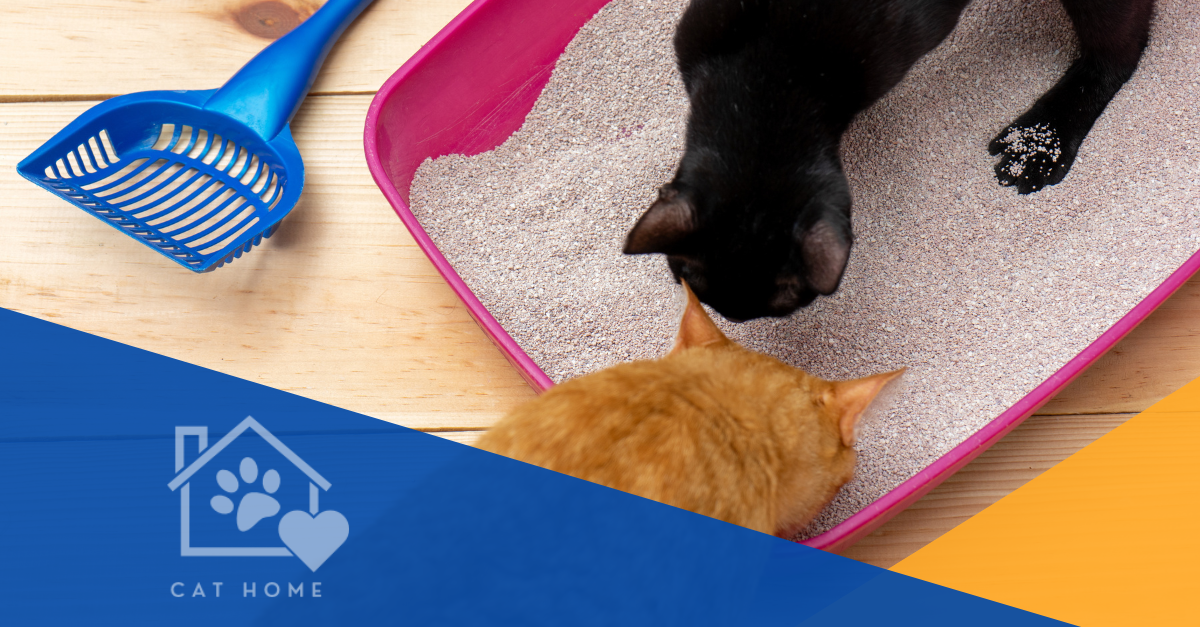
Credit: cathome.sg
Behavioral Signs To Watch For
Watching your cats’ behavior can help you know if sharing a litter box works. Cats show clear signs when they feel uneasy with one box. These signs often mean they need their own space to feel safe. Understanding these behaviors helps keep your cats happy and healthy.
Avoidance And Stress Signals
Cats may avoid the litter box if stressed. They might wait too long before using it. You may see pacing or hiding near the box. Some cats meow loudly or act restless. These signs show discomfort with sharing the box.
Marking And Aggression
Marking is a way cats claim territory. Sharing a box can cause marking outside the box. Cats may spray urine or scratch around the house. Aggression can also increase near the litter box. Watch for growling, hissing, or swatting fights.
Health-related Issues
Stress from sharing can cause health problems. Urinary tract infections or bladder issues may develop. Cats might lick themselves more or urinate outside the box. These symptoms need prompt attention from a vet. Health problems often link to litter box stress.
Tips For Introducing Shared Boxes
Sharing litter boxes can save space and reduce cleaning time, but it requires careful management to keep your cats happy and healthy. Introducing shared boxes gradually helps prevent stress and territorial disputes. Here are some practical tips to ease the transition for your feline friends.
Gradual Introduction
Start by placing the litter boxes close to each other but still separate. This lets your cats get used to the idea of sharing the space without feeling forced. Over several days, slowly reduce the number of boxes by removing one at a time, observing your cats’ behavior.
Watch for signs of discomfort like avoidance or aggression. If you notice any, slow down the process and give them more time. Have you ever seen your cat hesitate near a shared box? That’s a clear sign to pause and adjust your approach.
Positive Reinforcement
Reward your cats when they use the shared box calmly. Use treats, gentle petting, or soft praise to build a positive connection. This encourages them to view the shared box as a safe and pleasant place.
Try to keep the litter box clean and odor-free, as cats are sensitive to smells. Adding a new favorite litter or a sprinkle of catnip nearby can make the box more inviting. How often do you clean your cats’ litter boxes? Increasing the frequency can make a big difference during the adjustment period.
Monitoring Interactions
Keep a close eye on how your cats interact around the litter box. Look for signs of stress or bullying, such as hissing or blocking access. If one cat dominates, provide an additional box to prevent conflict.
Consider setting up separate resting areas and feeding stations to reduce competition. Your cats’ comfort outside the litter box influences how they behave around it. How do they usually react to sharing resources? Understanding this helps you support their transition.
Alternatives To Sharing
Sharing a litter box might seem like a simple solution, but it can lead to stress and hygiene issues for your cats. Luckily, there are smart alternatives that keep your feline friends happy and your home fresh. These options help you avoid conflicts and ensure each cat feels comfortable in their own space.
Multiple Boxes Strategy
Providing more than one litter box is often the easiest way to prevent territorial disputes. Aim for one box per cat, plus an extra. This reduces competition and gives each cat a choice, improving their overall litter habits.
Try different types of litter or box styles to see what your cats prefer. You might discover one likes a covered box, while another prefers an open tray. Observing their preferences can make a big difference in their comfort.
Separate Locations
Placing litter boxes in different rooms or quiet corners helps avoid crowding. Cats value privacy, so scatter the boxes in low-traffic areas. This reduces stress and encourages regular use.
Think about your home’s layout. Is there a laundry room, bathroom, or spare closet that could work? Keeping boxes apart also minimizes odor buildup in any single spot.
Customized Solutions
Some cats have unique needs that require tailored setups. Older cats might benefit from low-entry boxes, while shy cats might prefer a box hidden behind a screen. Adjusting the environment to your cat’s personality can solve many problems.
Have you noticed your cat avoiding the box? Experiment with different litter materials, box sizes, or even adding calming pheromone sprays nearby. Small changes can lead to big improvements in their litter box behavior.
Frequently Asked Questions
Can Multiple Cats Share One Litter Box?
Cats can share a litter box, but it’s not ideal. Sharing may cause stress and hygiene issues. Experts recommend one box per cat plus one extra to keep peace and cleanliness.
How Many Litter Boxes Do I Need For Cats?
You should provide one litter box per cat, plus one extra. This prevents territorial disputes and encourages proper bathroom habits. More boxes ensure a cleaner and stress-free environment.
Do Cats Prefer Separate Litter Boxes?
Many cats prefer separate litter boxes to avoid conflict and stress. Individual boxes reduce territorial behavior and maintain cleanliness. Separate boxes promote better litter box usage and overall health.
Can Sharing Litter Boxes Cause Health Problems?
Sharing litter boxes can lead to health issues like urinary tract infections and stress. Bacteria and parasites spread easily in shared boxes. Regular cleaning and multiple boxes reduce health risks.
Conclusion
Cats can share litter boxes, but it depends on their personalities. Some cats feel comfortable sharing, while others prefer their own space. Cleanliness matters a lot; a dirty box can cause problems. Providing multiple boxes often helps reduce stress and fights.
Watch your cats closely to see how they behave. Adjust the number of boxes if needed to keep peace. Happy cats mean a happy home. Keep boxes clean and watch for any signs of discomfort. Sharing is possible with the right care and attention.



Leave a Reply