Is your cat suddenly pooping outside the litter box? You’re not alone, and it can be really frustrating.
When your furry friend stops using the litter box, it’s not just messy—it’s a sign that something might be wrong. Whether it’s a health issue, stress, or a problem with the litter box itself, understanding why your cat is acting this way is the first step to fixing it.
Keep reading, because you’ll discover the common reasons behind this behavior and simple solutions to get your cat back on track. Your home—and your peace of mind—will thank you.
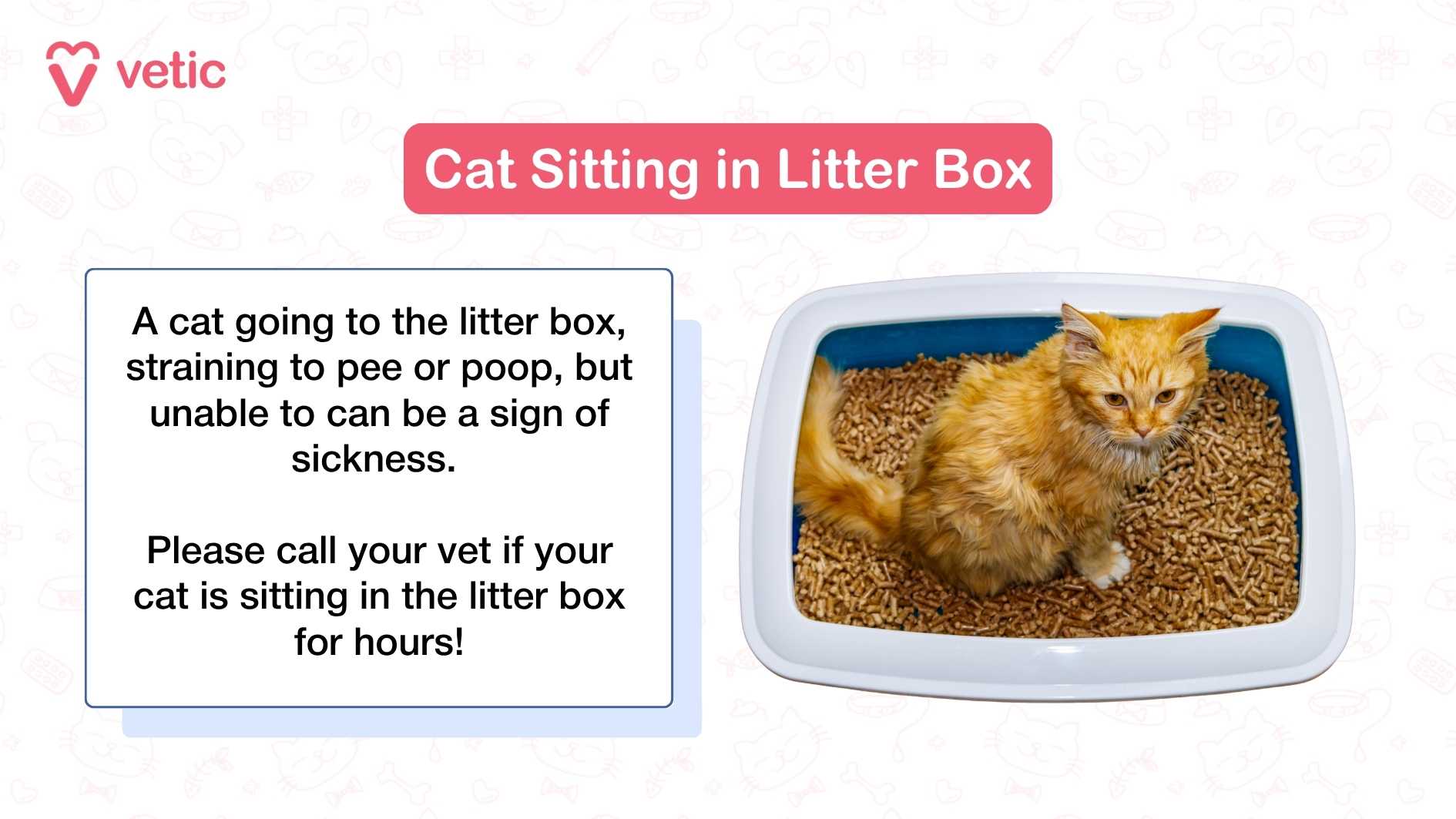
Credit: vetic.in
Common Health Issues
Cats may poop outside the litter box due to health problems. These issues cause discomfort or pain. Your cat might avoid the box to escape the pain. Identifying health problems helps fix this behavior quickly.
Urinary Tract Infections
Urinary tract infections cause pain during urination. Cats may associate the litter box with this pain. They might choose another spot to relieve discomfort. Watch for frequent or painful urination signs. A vet visit can confirm and treat infections.
Digestive Problems
Digestive issues like diarrhea or constipation affect litter box use. Cats with diarrhea may not reach the box in time. Constipation can cause pain when pooping. Both conditions make cats avoid the litter box. Proper diet and vet care can ease these problems.
Pain And Discomfort
Arthritis or injury can make entering the litter box hard. Cats may avoid the box due to joint or muscle pain. The litter box’s location or height might add discomfort. Providing an easy-access box helps cats feel comfortable. Pain relief from a vet improves their behavior.
Litter Box Problems
Sometimes, your cat’s choice to poop outside the litter box is linked directly to the box itself. Litter box problems often cause stress or discomfort, pushing your cat to find another spot. Understanding these issues can help you fix the behavior quickly and keep your home clean.
Dirty Or Unclean Boxes
Have you checked how often you clean your cat’s litter box? Cats are very clean animals and can refuse to use a box that smells or looks dirty. Even if you think it’s clean enough, your cat might disagree.
Try scooping waste at least twice a day and completely changing the litter weekly. Adding an extra box can also reduce competition and help your cat feel comfortable. Would you want to use a bathroom that’s not fresh? Your cat feels the same.
Wrong Type Of Litter
Your cat might dislike the litter you use. Some cats prefer fine, clumping litter, while others want something coarser or unscented. If your cat suddenly stops using the box, consider switching to a different type of litter.
Observe your cat’s reaction when you introduce a new litter. You may find that they prefer natural or dust-free options. Have you ever noticed your cat’s paws reacting differently on certain surfaces? That could explain their litter preference.
Box Location And Accessibility
The place where you put the litter box matters a lot. If it’s in a noisy or hard-to-reach area, your cat may avoid it. Cats need privacy but also easy access, especially older or sick cats.
Try moving the box to a quiet corner with little foot traffic. Make sure it’s not near their food or water bowls. Ask yourself: Would you use a bathroom that’s in a busy hallway or too far away?
Behavioral Causes
Cats pooping outside the litter box can be frustrating, but understanding the behavioral causes can help you address the issue effectively. Cats are complex creatures, and their behavior often reflects their emotional state. Identifying these behavioral triggers can make it easier to find a solution.
Stress And Anxiety
Stress and anxiety can significantly impact your cat’s behavior, including litter box habits. Changes in your home, such as new pets or loud noises, can make your cat feel uneasy. Ensuring a calm environment and providing safe spaces can help alleviate their stress.
Territorial Marking
Is your cat suddenly pooping in specific areas of your home? They might be marking their territory. Cats often use their waste to assert dominance or claim a space, especially if they feel threatened by other animals in the house.
Changes In Routine
Cats are creatures of habit, and they thrive on routine. Any significant changes, like feeding schedules or your absence due to travel, can disrupt their behavior. It’s crucial to maintain consistency to help your cat feel secure and prevent unwanted litter box behavior.
By understanding these behavioral causes, you can better address the root of the problem. What changes can you make today to help your cat feel more comfortable and secure?

Credit: www.aol.com
Environmental Factors
Environmental factors play a big role in why cats might poop outside their litter boxes. Cats are sensitive to changes in their surroundings. Small shifts can make them anxious or uncomfortable. This discomfort often leads to litter box avoidance. Understanding these environmental triggers helps solve the problem faster.
Multiple Cats In The Household
Having more than one cat can create tension. Cats like their own space and privacy to do their business. A crowded litter box area can cause stress. Some cats might avoid the box if they feel threatened. Competition for litter boxes often leads to accidents outside them.
Each cat should have its own litter box. A good rule is one box per cat plus one extra. This reduces fights and gives cats choice. Clean boxes regularly to keep peace among pets.
New Pets Or Family Members
Introducing new pets or people can upset cats. They may feel unsafe or insecure. These feelings can trigger litter box problems. Cats need time to adjust to new faces.
Keep the litter box area quiet and private during changes. Let cats explore new smells slowly. Patience helps cats regain trust in their space.
Noise And Disruptions
Loud noises and sudden movements scare cats. Construction, parties, or even loud music can stress them out. Stress often causes cats to avoid the litter box. They look for quieter, safer spots to relieve themselves.
Place litter boxes in calm, low-traffic areas. Avoid moving boxes during noisy times. A peaceful environment encourages cats to use their boxes regularly.
Solutions And Prevention
Finding your cat pooping outside the litter box can be frustrating. Many solutions can help fix this behavior and prevent it from happening again. Focus on health, cleanliness, and emotional well-being for your cat.
Regular Vet Checkups
Health issues often cause litter box problems. A vet can check for infections, digestive problems, or pain. Regular visits catch problems early. Treating health issues stops accidents outside the box. Keep your cat’s vaccinations and parasite control up to date.
Maintaining A Clean Litter Box
Cats avoid dirty litter boxes. Scoop waste daily and change litter often. Use unscented, clumping litter that your cat likes. Place the box in a quiet, accessible spot. Having multiple boxes in different areas helps, especially for multi-cat homes.
Reducing Stress For Your Cat
Stress makes cats avoid the litter box. Loud noises, new pets, or changes upset them. Create a calm environment with hiding places and regular playtime. Use pheromone diffusers or sprays to relax your cat. Keep feeding and cleaning schedules consistent to reduce anxiety.
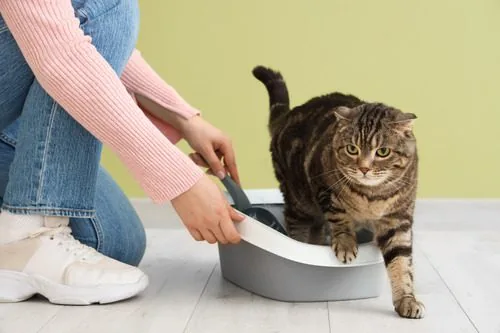
Credit: lacvets.com
Frequently Asked Questions
Why Is My Cat Pooping Outside The Litter Box?
Cats may avoid the litter box due to stress, illness, or dirty litter. Changes in environment or litter type can also cause this behavior.
How Can I Stop My Cat From Pooping Outside?
Keep the litter box clean, use the right litter, and provide multiple boxes. Address any health issues by consulting a vet.
Can Medical Problems Cause Litter Box Issues?
Yes, conditions like urinary tract infections, constipation, or arthritis can make cats avoid the box. Always seek veterinary advice if behavior changes.
Does Litter Box Size Affect Cat Pooping Habits?
Yes, a small or covered box can discourage use. Cats prefer spacious, easily accessible litter boxes.
Conclusion
Cats pooping outside the litter box can be frustrating. Health issues, stress, or litter box problems often cause this behavior. Watch your cat closely to spot any changes. Keep the litter box clean and in a quiet place. Try different types of litter to find what your cat prefers.
Patience and care help your cat feel safe and happy. Understanding your cat’s needs can fix this problem. Small changes make a big difference in their habits. Stay calm and consistent for the best results.



Leave a Reply