Have you ever found your cat’s poop right beside the litter box instead of inside it? It can be frustrating and confusing.
You might wonder why your furry friend is doing this and what it means. Understanding the reasons behind this behavior can help you fix the problem quickly. You’ll discover the most common causes and easy solutions to get your cat back on track.
Keep reading to find out how you can make your home cleaner and keep your cat happy.
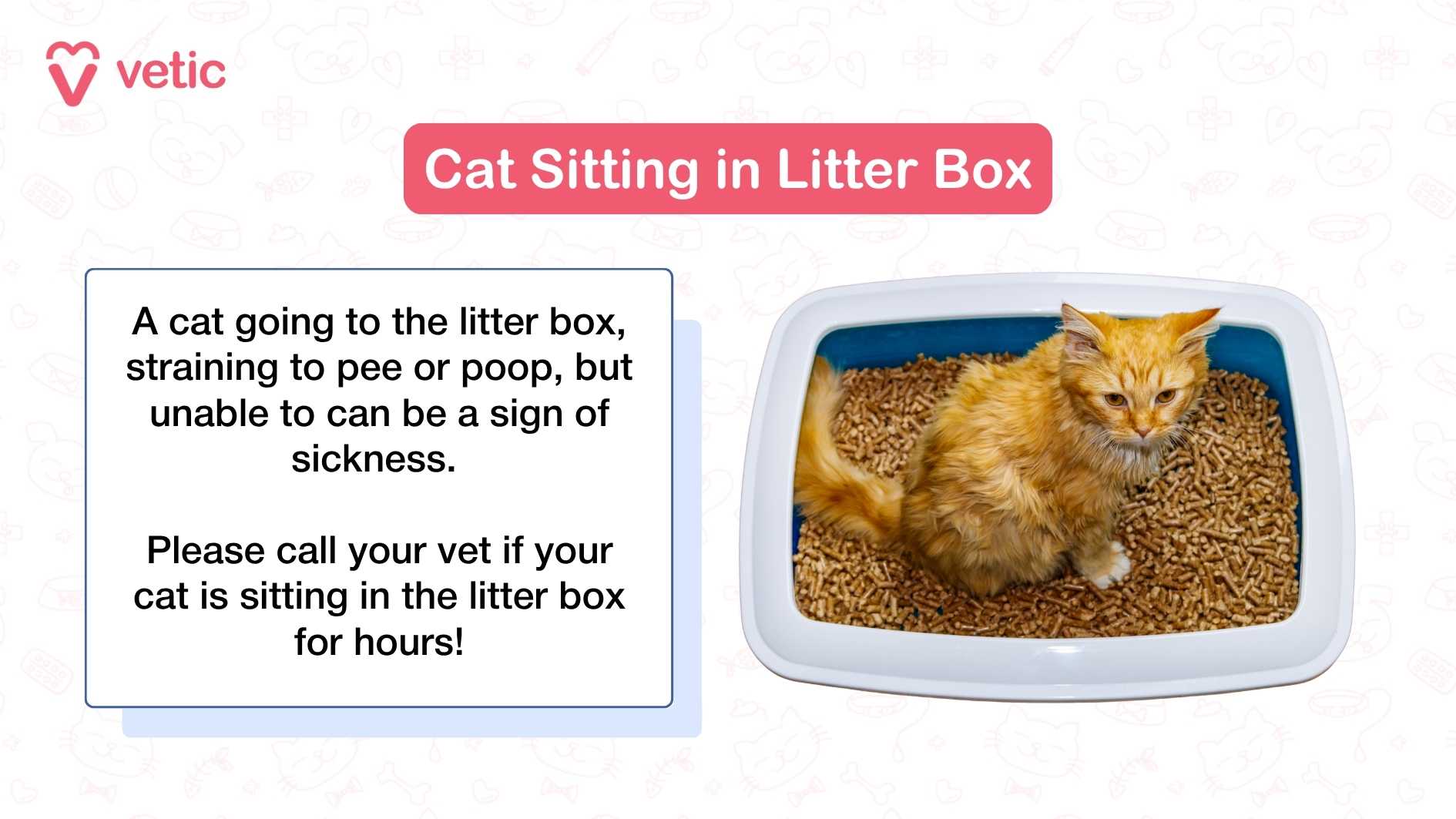
Credit: vetic.in
Common Reasons Cats Avoid Litter Boxes
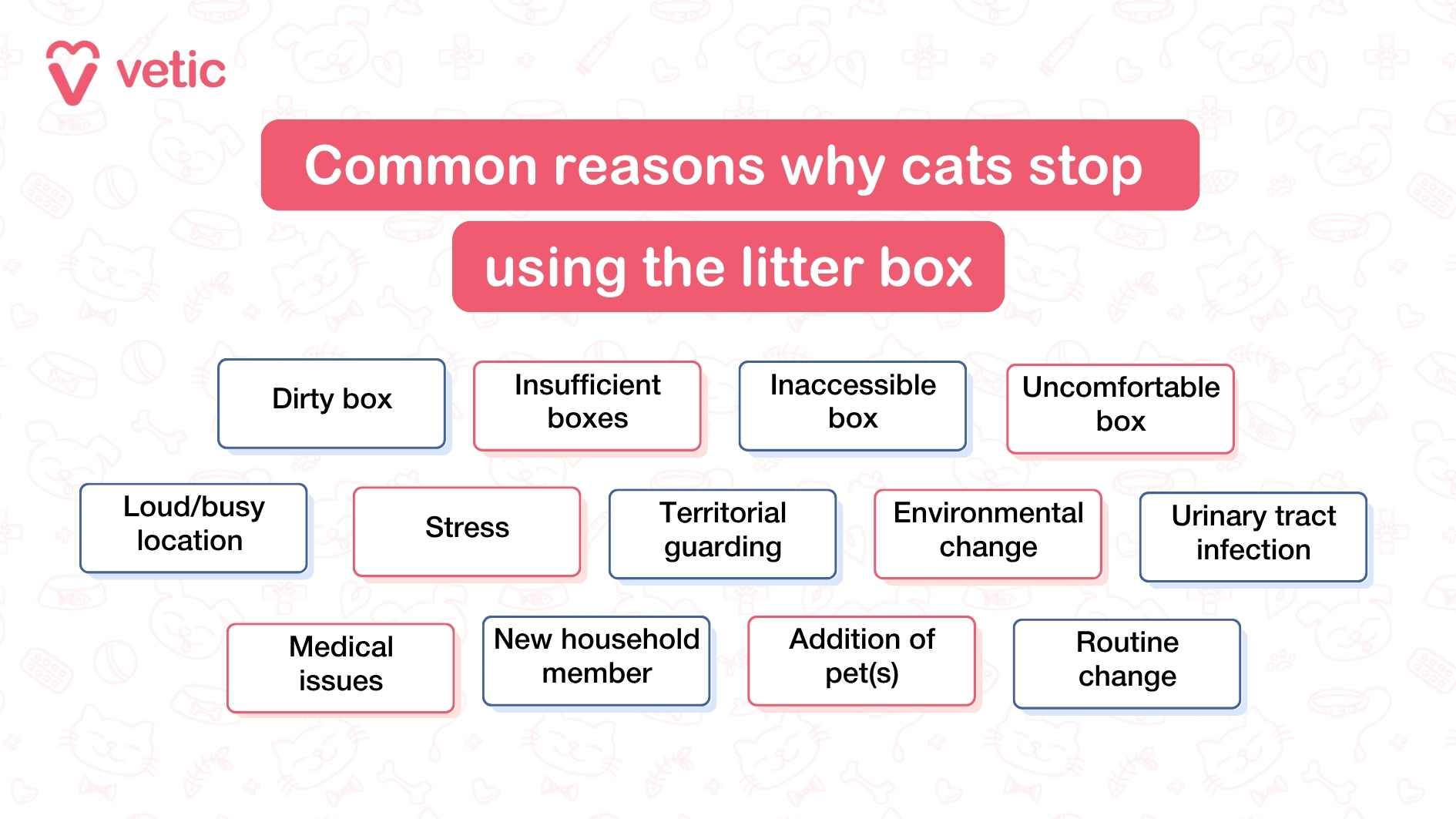
Cats may avoid their litter boxes for many reasons. Understanding these causes helps solve the problem quickly. Behavior changes often signal discomfort or dissatisfaction. Attention to details can improve your cat’s habits. Below are common reasons cats poop beside the litter box.
Medical Issues
Health problems can cause litter box avoidance. Conditions like urinary tract infections or constipation bring pain. Cats may associate the litter box with discomfort. A vet check is essential to rule out medical causes. Prompt treatment often fixes the behavior.
Litter Box Cleanliness
Cats prefer clean litter boxes. A dirty box smells bad to them. They may choose a cleaner spot outside the box. Scooping waste daily keeps the box inviting. Washing the box regularly removes lingering odors.
Box Location Problems
Placement affects litter box use. Loud noises or busy areas scare cats away. A quiet, private spot is best. Avoid placing the box near food or water bowls. Easy access encourages consistent use.
Litter Type Preferences
Cats have strong preferences for litter texture and scent. Some dislike scented litters or hard granules. Soft, unscented litter often works better. Experimenting with different types helps find the right one.
Stress And Anxiety Factors
Stress can change bathroom habits. New pets, changes in routine, or loud noises cause anxiety. Cats may avoid the litter box during stressful times. Providing comfort and routine reduces anxiety. Consider pheromone diffusers to calm your cat.

Credit: www.aol.com
Behavioral Causes Behind Litter Box Issues
Behavioral causes often lead cats to avoid their litter boxes. These actions usually signal stress or discomfort. Understanding these behaviors helps solve litter box problems. Cats use their litter box for more than just elimination. It also reflects their feelings about safety, territory, and experiences. When a cat poops beside the box, it shows something is wrong in their environment or routine.
Territorial Marking
Cats mark territory to protect their space. Pooping outside the litter box can be a way to claim an area. This behavior often appears in multi-cat homes. Cats may feel threatened or want to assert dominance. Marking can also happen if new pets or people enter the home. This causes the cat to feel insecure and mark areas outside the box.
Changes In Household
Any change in the house can upset a cat’s routine. Moving furniture, new family members, or loud noises cause stress. Stress can lead cats to avoid their litter box. Even small changes, like a different cleaning product, can cause issues. Cats prefer a consistent environment. Changes make them anxious, and they may poop elsewhere.
Negative Experiences With The Box
Cats remember bad experiences with their litter box. A painful illness, loud noises, or a dirty box creates fear. This fear makes them avoid the box to stay safe. The type of litter or box size may also be a problem. If the box is hard to access, the cat might poop beside it. Keeping the box clean and quiet helps prevent negative experiences.
Environmental Factors Affecting Cat Bathroom Habits
Environmental factors play a significant role in your cat’s bathroom habits. Changes or discomfort in their surroundings can make them avoid the litter box. Understanding these factors helps you create a calm and accessible space that encourages proper litter box use.
Noise And Distractions
Sudden noises or constant distractions near the litter box can stress your cat. Loud appliances, children playing, or high foot traffic areas might make your cat feel unsafe when trying to go. Have you noticed your cat avoiding the box during busy times? Try moving the litter box to a quieter spot to see if that helps.
Multiple Cat Households
Sharing a litter box with other cats can cause tension and lead to accidents. Cats are territorial, and some may avoid the box if another cat is nearby or has claimed it. Providing one litter box per cat plus one extra often solves this issue. Have you considered whether your cats have enough personal space for their bathroom needs?
Accessibility Challenges
If your cat struggles to reach or enter the litter box, they may choose to go elsewhere. Older cats or those with mobility issues might find high-sided or hard-to-reach boxes difficult. Placing the box on the same floor where your cat spends most of their time and using low-entry boxes can improve accessibility. Is your cat’s litter box easy for them to access at all times?
How To Encourage Proper Litter Box Use
Addressing why your cat poops outside the litter box can be challenging. Understanding your cat’s behavior is key. Encouraging proper litter box use involves several factors. Here are some helpful strategies.
Choosing The Right Litter And Box
Cats are picky about their litter and box. Select a litter that mimics natural textures. Unscented, clumping litter often works best. The box should be large enough for your cat to turn around. Open boxes are often preferred to covered ones. Observe your cat’s preference and make adjustments.
Maintaining Cleanliness
A clean box attracts your cat. Scoop the litter daily to remove waste. Wash the box weekly with mild soap and water. Avoid strong-smelling cleaners. Replace litter regularly to keep it fresh.
Creating A Calm Environment
Cats need a calm spot for their litter box. Place the box in a quiet, private area. Avoid high-traffic zones or noisy appliances. Reduce stress by providing safe spaces and regular routines.
Addressing Medical Concerns
Sometimes, health issues cause litter box avoidance. Consult a vet if your cat suddenly changes habits. Urinary tract infections or digestive problems may be the cause. Early intervention can prevent bigger issues.
When To Seek Veterinary Help
Noticing your cat pooping beside the litter box can be frustrating and confusing. Sometimes, this behavior signals a health issue that needs professional attention. Knowing when to seek veterinary help is crucial to protect your cat’s well-being and restore peace at home.
Signs Of Medical Problems
If your cat suddenly starts pooping outside the litter box, watch closely for symptoms like diarrhea, constipation, or blood in the stool. These signs might indicate infections, parasites, or digestive issues that only a vet can diagnose. Ignoring these symptoms can lead to serious complications.
Behavior Changes Accompanying Litter Box Issues
Has your cat become lethargic, lost appetite, or shown signs of pain during bathroom trips? These behavior changes often go hand-in-hand with litter box problems and suggest underlying medical concerns. Your vet can run tests to pinpoint the cause and recommend effective treatments.
When Home Remedies Don’t Work
You might try cleaning the litter box more often or switching to a different type of litter, but if your cat continues to poop outside, it’s time to get professional advice. Persistent avoidance might mean there’s an uncomfortable physical condition or a stress-related issue needing medical support.
Sudden Onset In Older Cats
Older cats developing new litter box habits deserve extra attention. Conditions like arthritis or urinary tract infections can make using the box difficult or painful. A vet visit can help manage these age-related problems before they worsen.
How A Vet Can Help
Veterinarians perform thorough examinations, including stool analysis and blood tests, to uncover hidden health issues. They can suggest dietary changes, medications, or treatments tailored to your cat’s needs. Early intervention often leads to quicker recovery and happier cats.
Credit: vetic.in
Frequently Asked Questions
Why Does My Cat Avoid The Litter Box?
Cats may avoid the litter box due to stress, dirty litter, or medical issues. Check cleanliness and consult a vet if needed.
How Can I Stop My Cat Pooping Outside The Box?
Clean the litter box daily, use unscented litter, and place the box in a quiet area. Address any health problems promptly.
Could Litter Box Size Affect My Cat’s Behavior?
Yes, a small or covered litter box can deter cats. Use a large, open box to encourage proper use.
Does Stress Cause Cats To Poop Outside The Litter Box?
Stress from new pets, changes, or loud noises can cause this behavior. Provide a calm environment and extra attention.
Conclusion
Cats poop outside the litter box for many reasons. Stress, illness, or a dirty box can cause this behavior. Watching your cat’s habits helps find the problem fast. Keep the litter box clean and in a quiet spot. Try different litter types to see what your cat likes.
If problems continue, ask a vet for advice. Patience and care will help your cat feel safe. Soon, your cat will use the litter box again. Understanding your cat’s needs makes life better for both of you.



Leave a Reply