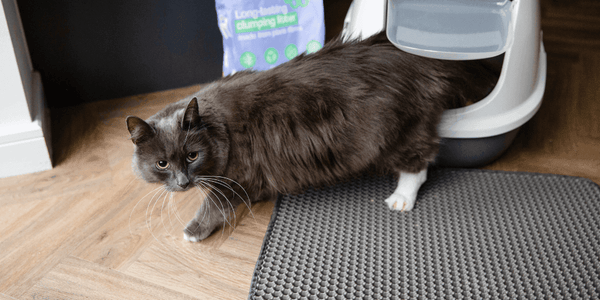
Is your cat peeing outside the litter box? You’re not alone, and it can be really frustrating.
When this happens, it’s not just about a mess—there’s often a reason behind it that you can fix. Imagine a home where your cat uses the litter box every time, and you don’t have to worry about unpleasant surprises. You’ll discover simple, effective ways to stop this behavior for good.
Keep reading, and you’ll learn how to make your cat feel comfortable and keep your home clean.
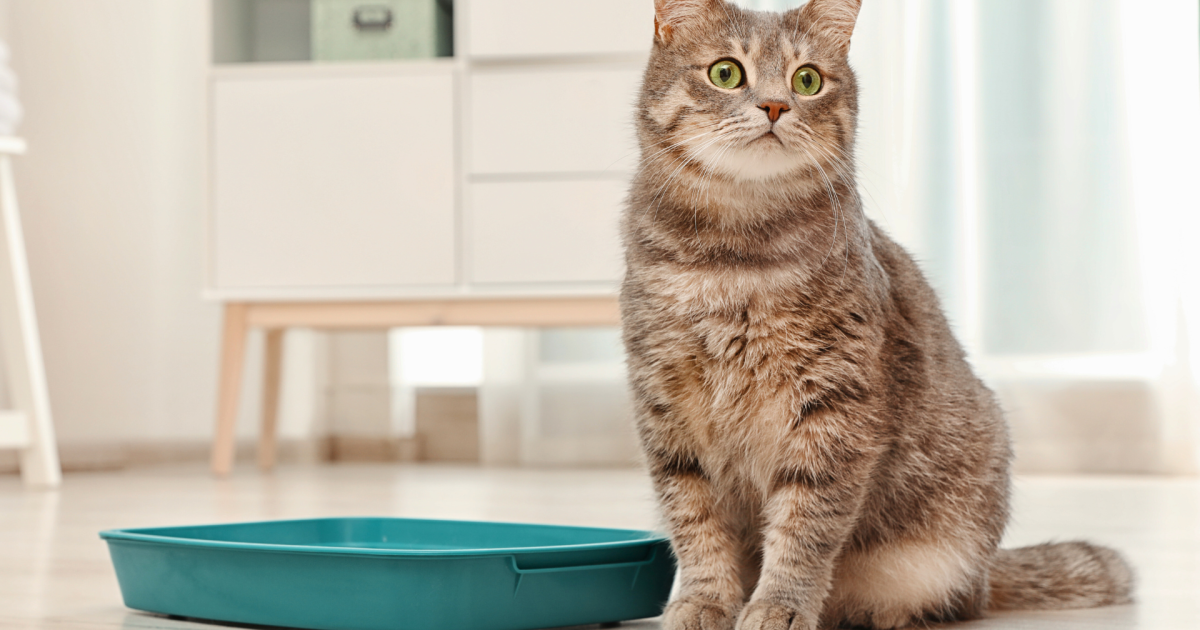
Credit: pethelpful.com
Common Reasons For Litter Box Avoidance
Cats may avoid the litter box for several reasons. Understanding these reasons helps solve the problem. It is important to know why your cat behaves this way.
Medical Issues
Health problems can cause cats to pee outside the litter box. Urinary tract infections, bladder stones, or kidney issues make it painful to use the box. Cats may associate pain with the litter box and avoid it. A vet checkup is necessary to rule out medical causes.
Stress And Anxiety
Stress affects a cat’s bathroom habits. Changes like moving, new pets, or loud noises can cause anxiety. Cats may pee outside to mark their territory or feel safe. Keeping a calm environment helps reduce stress and litter box problems.
Litter Box Preferences
Cats have strong preferences about their litter box. They may dislike dirty litter, certain types of litter, or the box location. Some cats want privacy, while others prefer an open area. Cleaning the box daily and testing different litters can improve use.
Territorial Behavior
Cats use urine to mark their territory, especially in multi-cat homes. This behavior shows dominance or stress. Marking may happen outside the box to send signals to other cats. Providing enough litter boxes and space helps reduce territorial marking.
Choosing The Right Litter Box
Choosing the right litter box is key to stop cats from peeing outside. Cats need comfort and privacy. The right box makes them feel safe and encourages good habits. Small changes in size, type, or location can make a big difference.
Size And Type
Pick a litter box that fits your cat’s size. Bigger cats need more space to turn around easily. Covered boxes give privacy but might trap smells. Open boxes offer more air but less privacy. Some cats prefer low sides for easy access. Think about your cat’s age and mobility too.
Number Of Boxes
Have enough litter boxes in your home. The rule is one box per cat, plus one extra. More boxes reduce stress and prevent accidents. Place boxes in different rooms to give options. Clean boxes often to keep your cat happy.
Location Matters
Place litter boxes in quiet, low-traffic areas. Avoid noisy spots or near food and water bowls. Cats want calm places to do their business. Check the spot is easy for your cat to reach. Dark corners or behind furniture often work well.
Selecting The Best Cat Litter
Choosing the right cat litter can help prevent cats from peeing outside the box. Soft, clumping litter often feels comfortable and encourages use. Cleanliness also matters; regular scooping keeps cats happy and reduces accidents.
Selecting the best cat litter is a crucial step in preventing your feline friend from peeing outside the litter box. The right litter can make a world of difference, not only for your cat’s comfort but also for your peace of mind. With so many options on the market, it’s important to know what to look for to ensure your cat is happy and your home stays clean.Texture And Scent
Cats can be surprisingly picky about the texture of their litter. Some prefer fine, sandy textures that mimic natural environments, while others might favor a coarser feel. It’s worth experimenting with different textures to see which your cat prefers. Scent is another factor to consider. While scented litters are designed to mask odors for human noses, some cats find them off-putting. If your cat avoids a scented litter, try an unscented option to see if it makes a difference.Clumping Vs Non-clumping
Clumping litter forms solid masses when wet, making it easier to scoop and keep the box clean. This can be a huge advantage if you’re looking to minimize odor and maintenance time. Non-clumping litter, on the other hand, tends to be less expensive but requires more frequent complete changes. The choice between clumping and non-clumping might depend on your lifestyle. If you value convenience and ease of cleaning, clumping litter might be the way to go. But if you’re on a budget, non-clumping could be worth considering.Litter Depth
The depth of the litter in the box can influence whether your cat uses it or not. Cats generally prefer a depth of about two to three inches. Too shallow, and they might not feel comfortable burying their waste; too deep, and they may find it difficult to dig. Try adjusting the depth slightly if your cat seems reluctant to use the box. Sometimes a simple change in depth is all that’s needed to encourage consistent use. Are you providing the optimal environment for your cat to feel comfortable and secure?
Credit: www.reddit.com
Maintaining A Clean Litter Box
Maintaining a clean litter box is vital to stop cats from peeing outside it. Cats dislike dirty spaces and may avoid a litter box that smells or looks unpleasant. Keeping the box tidy encourages them to use it consistently.
Daily Cleaning Routine
Remove clumps and waste from the litter box every day. Use a scoop with small holes to catch all solid pieces. Stir the litter to keep it fresh and prevent hard spots. A clean box invites cats to do their business inside.
Deep Cleaning Tips
Empty the entire litter and wash the box once a week. Use warm water and mild soap to scrub it well. Avoid strong chemicals that might bother your cat’s nose. Dry the box completely before adding fresh litter to prevent mold and odors.
Odor Control
Keep odors low by using quality clumping litter with odor control. Baking soda can be sprinkled under the litter to absorb smells. Place the litter box in a well-ventilated area to help fresh air flow. A fresh-smelling box makes cats more willing to use it.
Behavioral Training Techniques
Behavioral training helps cats learn where to pee. It focuses on encouraging good habits and gently correcting bad ones. Using clear signals and rewards, cats understand what is expected. Consistency is key for success. Patience and calmness make training easier for both you and your cat.
Positive Reinforcement
Reward your cat when it uses the litter box. Use treats, praise, or petting as rewards. This makes your cat feel good about the behavior. Repeat this often to build a strong habit. Avoid punishment, as it can cause fear or stress.
Discouraging Unwanted Areas
Stop your cat from peeing outside the box by making those spots less attractive. Clean the area well to remove smells. Use a spray or wipe with an enzymatic cleaner. Block access to these spots if possible. Redirect your cat to the litter box gently.
Using Deterrents Safely
Use safe deterrents to keep cats away from certain areas. Citrus scents, aluminum foil, or double-sided tape work well. Avoid harmful chemicals or loud noises. Place deterrents where your cat tries to pee. Check often and replace when needed to keep them effective.
Managing Stress And Environmental Changes
Stress and changes in a cat’s environment can trigger unwanted behaviors, like peeing outside the litter box. Cats are creatures of habit, and even small disruptions can make them anxious. Managing these factors helps your cat feel secure and reduces accidents.
Creating A Calm Space
Give your cat a quiet, cozy spot away from noise and high traffic areas. This space should have their bed, toys, and litter box nearby so they feel safe. Adding soft blankets or a favorite item can make this area more inviting and stress-free.
Have you noticed how your cat behaves differently in busy rooms? Creating a calm zone helps them retreat and relax when things get overwhelming.
Introducing New Pets Or People
New family members or pets can unsettle your cat. Introduce them slowly by allowing your cat to observe from a distance first. Use separate feeding stations and litter boxes to prevent competition and stress.
Patience is key here. Rushing introductions can increase anxiety and lead to accidents outside the litter box.
Using Pheromone Products
Pheromone diffusers and sprays mimic natural calming scents that cats use to mark safe spaces. These products can reduce stress and discourage inappropriate urination. Place diffusers in common areas and spray bedding or carriers to create a soothing environment.
Have you tried pheromone products yet? Many cat owners find they make a noticeable difference in their pet’s behavior.
When To Seek Veterinary Help
Knowing when to seek veterinary help is crucial if your cat starts peeing outside the litter box. This behavior can signal more than just a simple habit issue—it might point to health problems or stress that need professional care.
Identifying Urinary Tract Issues
One common cause of inappropriate urination is a urinary tract infection or blockage. If your cat strains to urinate, cries out, or produces only small amounts of urine, these are warning signs.
Blood in the urine or frequent trips to the litter box with little output also indicate a problem. Ignoring these symptoms can lead to serious complications, so a vet visit is essential.
Behavioral Consultations
Sometimes, medical causes are ruled out, but your cat still avoids the litter box. Stress, anxiety, or changes in the environment might be behind this behavior.
A professional behaviorist can help you understand these triggers and suggest strategies tailored to your cat’s needs. Have you noticed any changes at home, like a new pet or different routine? These details are important during consultations.
Medication Options
If a vet diagnoses a medical condition, medication may be necessary to treat infections or inflammation. For behavioral issues, medications to reduce anxiety or stress might be prescribed.
Always discuss potential side effects and follow the dosage instructions carefully. Remember, medication is just one part of a broader plan that includes environmental changes and patience.

Credit: www.feliway.co.uk
Frequently Asked Questions
Why Is My Cat Peeing Outside The Litter Box?
Cats may pee outside the box due to stress, illness, or an unclean litter box. Behavioral issues or changes in their environment can also cause this problem. Identifying the cause helps in finding the right solution to stop this behavior.
How Can I Stop My Cat From Peeing Outside The Box?
Ensure the litter box is clean and placed in a quiet area. Use unscented litter and provide multiple boxes if you have many cats. Address any medical issues by consulting a vet. Positive reinforcement for using the box also helps.
What Type Of Litter Box Prevents Accidents?
Choose a litter box that is large, low-sided, and easy to access. Covered boxes may trap odors but can deter some cats. Multiple boxes in different locations reduce territorial conflicts, making accidents less likely.
Can Stress Cause Cats To Pee Outside The Box?
Yes, stress from new pets, moving, or changes in routine can lead to inappropriate urination. Creating a calm environment and using pheromone diffusers may reduce stress and prevent accidents.
Conclusion
Keeping cats from peeing outside the litter box takes patience and care. Clean the box often to keep it fresh. Choose the right litter and box size for your cat. Watch for health problems or stress that may cause accidents.
Give your cat a calm and safe space. Small changes can make a big difference. Your cat will feel happier and more comfortable. A clean, quiet spot helps build good habits. Keep trying, and you will see progress.

Leave a Reply