Have you ever walked into a room only to find that your cat didn’t use the litter box? It’s frustrating, confusing, and sometimes downright messy.
You might wonder, “Why does my cat refuse to pee where it’s supposed to? ” Understanding the reasons behind this behavior is the first step to fixing it. You’ll discover the common causes and simple solutions to help your furry friend get back on track.
Keep reading—your home (and your nerves) will thank you.
Common Causes
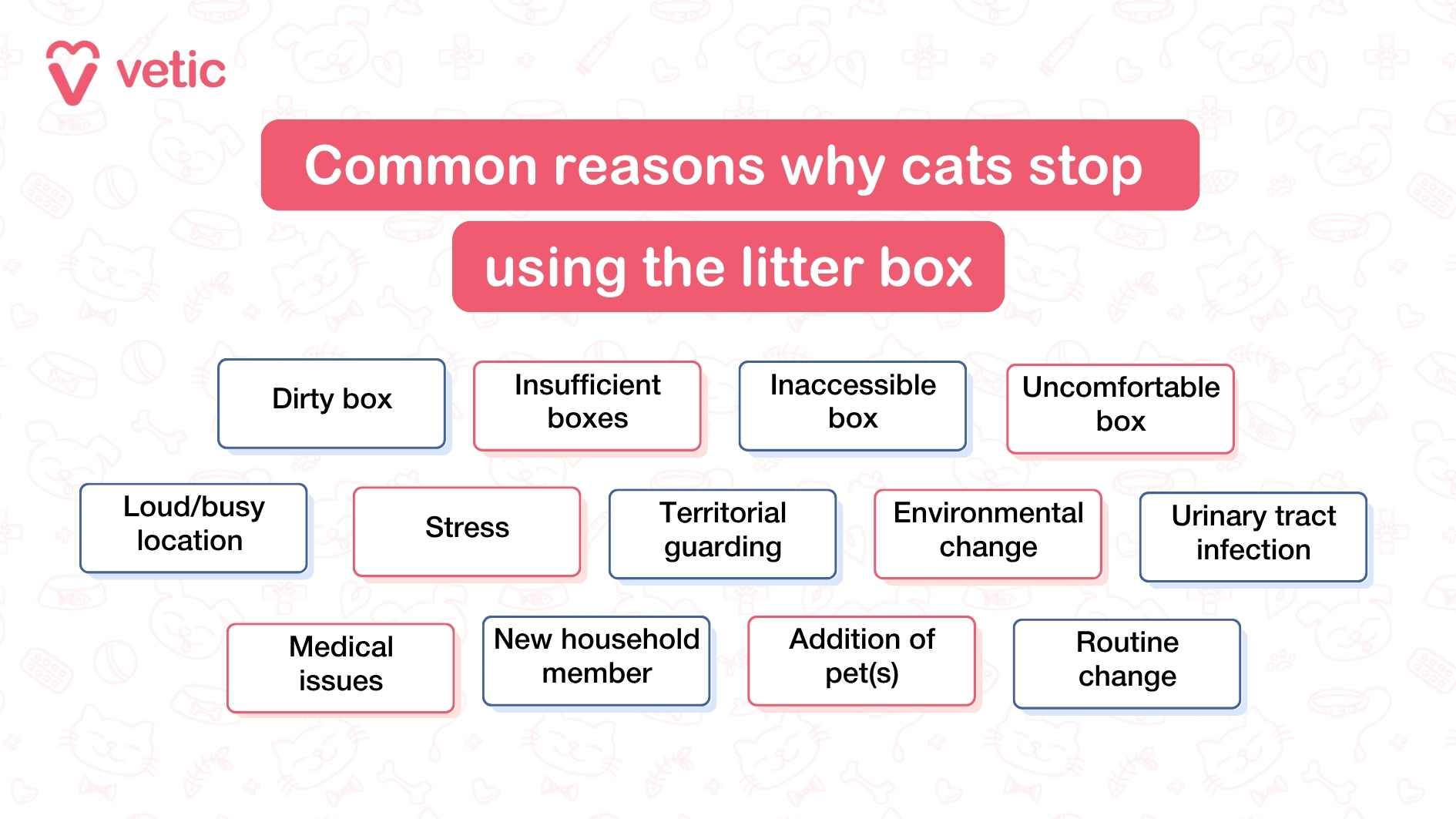
Many cats avoid their litter boxes for clear reasons. Understanding these causes helps fix the problem fast. Cats use the litter box to stay clean and safe. When they stop, it signals something is wrong. Common reasons include health, preferences, and environment.
Medical Issues
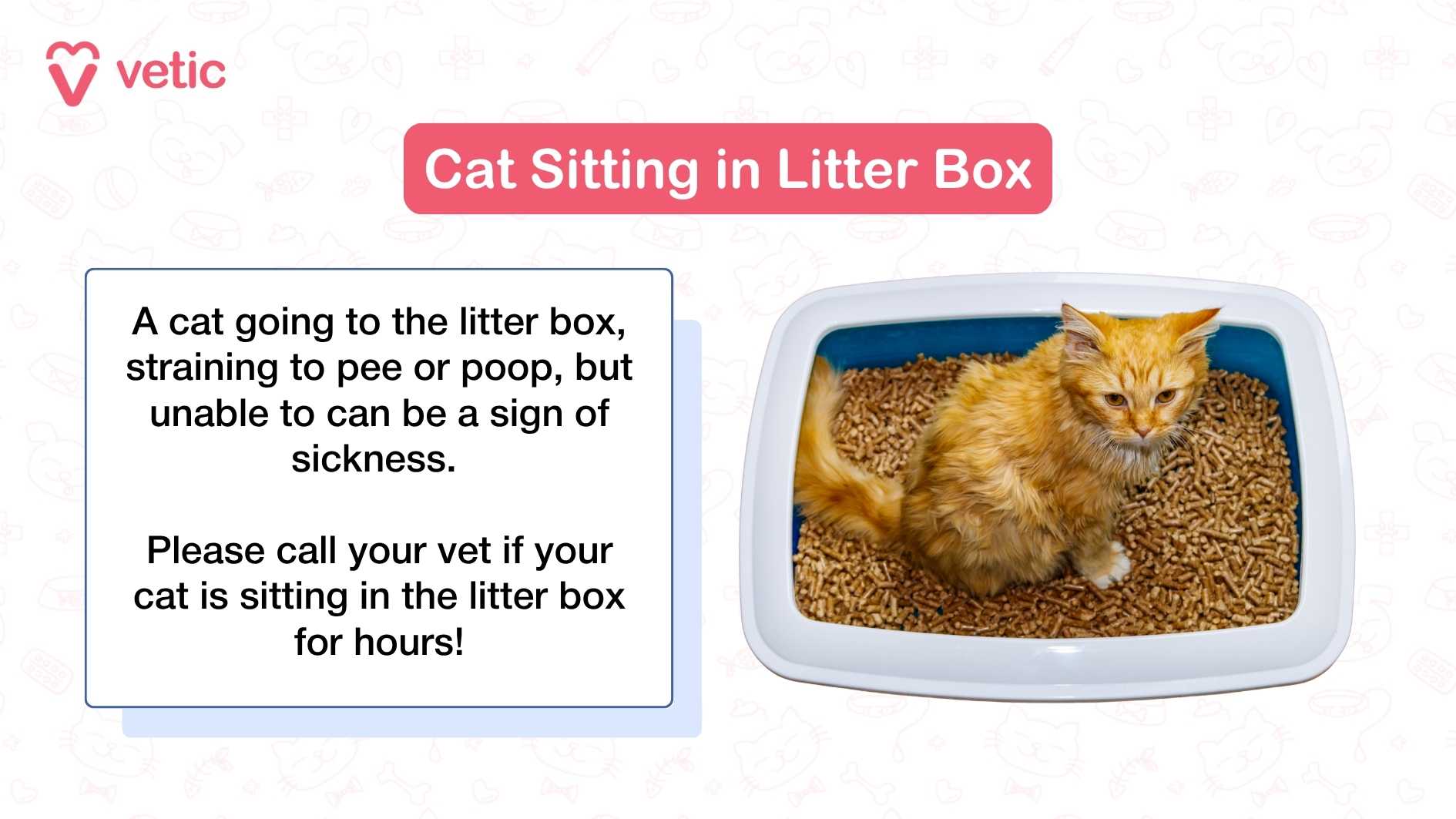
Health problems often cause cats to skip the litter box. Urinary tract infections make peeing painful. Kidney disease and bladder stones also lead to accidents. Cats may associate pain with the box and avoid it. A vet checkup is important to rule out illness.
Litter Box Cleanliness
Cats dislike dirty litter boxes. They prefer fresh, clean spaces to do their business. A messy box can smell bad and feel uncomfortable. Cats may choose other spots to avoid dirt. Cleaning the box daily keeps cats happy and healthy.
Litter Type Preferences
Cats have favorite litter textures and smells. Some dislike scented or clumping litter. Others prefer fine, sandy textures. The wrong litter type can cause refusal to use the box. Trying different litters helps find the right one for your cat.
Box Location Problems
Where the litter box sits matters a lot. Cats want quiet, private places to go. Loud noises or busy areas scare them away. Boxes near food or water bowls are unappealing. Moving the box to a calm spot invites use.
Credit: vetic.in
Behavioral Factors
Behavioral factors play a significant role in why cats may avoid their litter boxes. Understanding these behaviors can help you address the root causes and guide your cat back to good habits. Let’s look closely at how stress, territorial instincts, and environmental changes can influence your cat’s bathroom choices.
Stress And Anxiety
Cats are creatures of habit, and sudden changes or ongoing stress can upset their routine. If your cat feels threatened or uneasy, it might refuse to use the litter box as a way to express its discomfort.
Think about a time when your cat experienced loud noises, new pets, or visitors. Did you notice any changes in its behavior? Stress triggers like these can cause your cat to avoid the litter box.
To help, create a calm and quiet space for your cat. Providing hiding spots and keeping the litter box area peaceful can reduce anxiety and encourage proper use.
Territorial Marking
Cats often mark their territory by urinating outside the litter box, especially if they feel their space is threatened. This is common in multi-cat households or if a new animal is introduced.
Have you seen your cat spray on walls or furniture? This behavior is their way of saying, “This is mine.” It’s not just a bad habit; it’s a natural instinct.
To manage this, make sure each cat has its own litter box and personal space. Adding pheromone diffusers can also reduce territorial aggression and encourage proper litter box use.
Changes In Environment
Even small changes in your home can confuse your cat and disrupt their litter box habits. Moving the litter box, switching brands of litter, or changing its cleanliness can cause your cat to stop using it.
Have you recently cleaned the box with strong-smelling chemicals or moved it to a noisy spot? These changes might seem minor to you but can be huge for your cat.
Keep the litter box in a quiet, consistent location, and use unscented, clumping litter. Regular cleaning is essential, but avoid harsh cleaners that leave a strong smell behind.
Litter Box Setup
Setting up the litter box correctly is key to stopping your cat from peeing outside it. Cats are picky about their bathroom spots, and even small changes can make a big difference. Let’s look at how the setup affects your cat’s comfort and habits.
Box Size And Type
Your cat needs enough room to turn around and dig comfortably. A box that’s too small feels cramped and can discourage use. If you have a large cat or multiple cats, choose a bigger or deeper box to fit their needs.
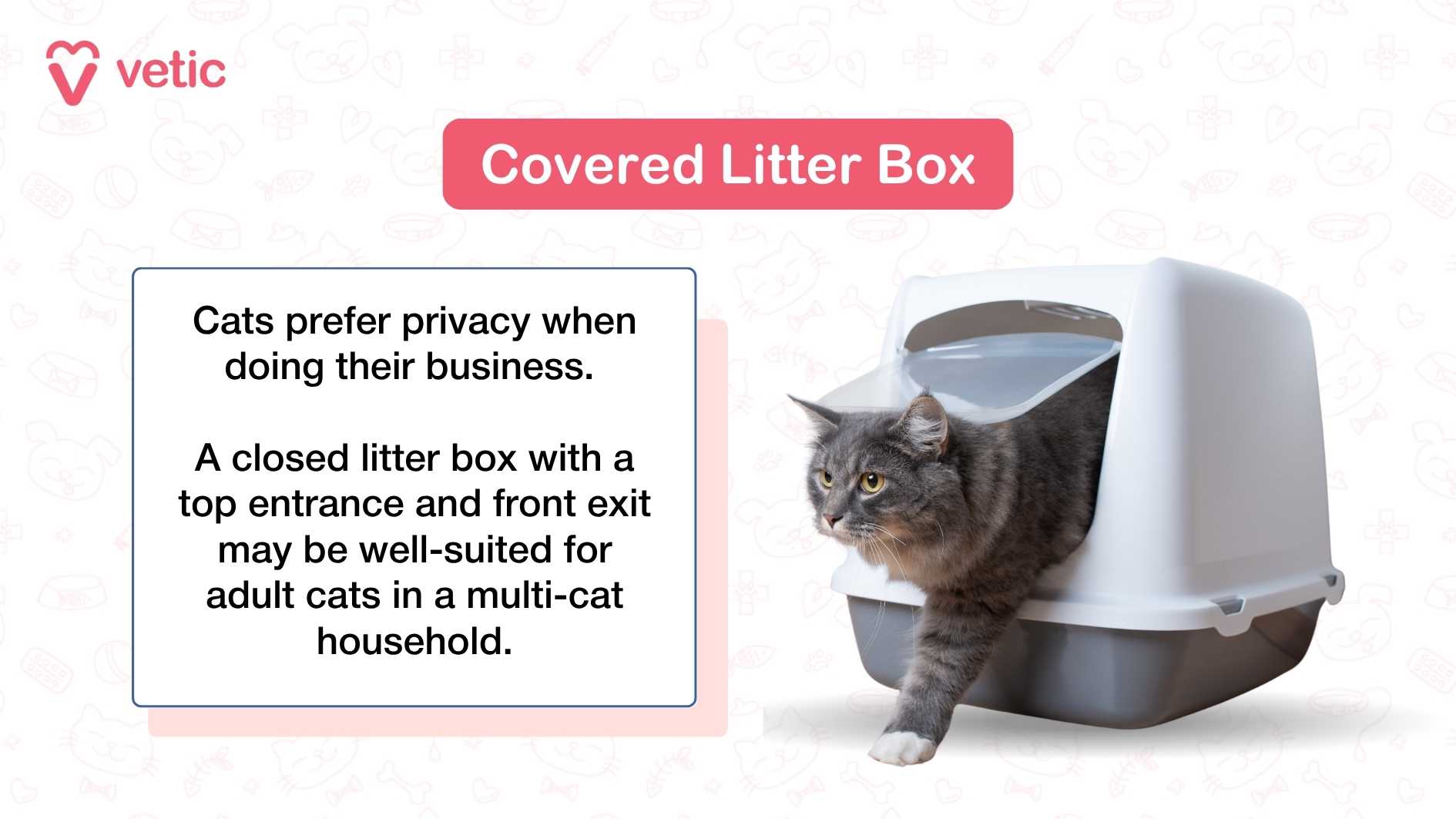
Open or covered boxes both have pros and cons. Some cats like privacy and prefer covered boxes, while others feel trapped and avoid them. Think about your cat’s personality and try different types to find their favorite.
Number Of Boxes Needed
Do you have one box for multiple cats? That can cause issues. The general rule is to have one litter box per cat, plus one extra. This reduces competition and keeps the boxes cleaner.
Too few boxes can lead to accidents as cats avoid sharing. If you notice your cat avoiding the box, adding another nearby might solve the problem immediately.
Accessibility For Cats
Is your litter box easy for your cat to reach? If it’s in a noisy or hard-to-access spot, your cat may avoid it. Older cats or those with health issues especially need easy access to their box.
Consider placing boxes on each floor if you live in a multi-story home. Also, avoid locations near loud appliances or busy areas where your cat might feel stressed.
Credit: vetic.in
Solutions And Tips
Cats may avoid the litter box due to stress, health issues, or an unclean tray. Changing the box location and keeping it clean often helps. Offering a quiet, safe spot encourages proper use.
When your feline friend decides the litter box is no longer the prime spot for their business, it can be perplexing and frustrating. Yet, fear not! Solutions and tips are here to guide you back to a harmonious home. By understanding and addressing the root of the issue, you can ensure both you and your cat are content. Let’s dive into practical solutions that can make all the difference.Improving Cleanliness
Cats are fastidious creatures. If their litter box isn’t clean, they might choose another spot. Make it a habit to scoop the litter daily. Replace the entire litter and clean the box at least once a week. A fresh, odor-free environment is more inviting for your cat. Remember, your cat’s sense of smell is far superior to yours. What might seem acceptable to you could be off-putting for them.Choosing The Right Litter
Not all litter is created equal. Your cat may have a preference that you’re not aware of. Experiment with different types, such as clumping, non-clumping, or natural options. Observe your cat’s reaction. Do they seem more comfortable with one type over another? Texture and scent can play significant roles. A subtle change might encourage them to return to the box.Creating A Calm Environment
A stressed cat often avoids the litter box. Consider their environment—are there loud noises or new pets? Create a serene space for your cat’s litter box. Place it in a quiet, low-traffic area of your home. If you’ve recently moved or rearranged, your cat might just need time to adjust.Consulting A Veterinarian
Sometimes, a litter box issue isn’t behavioral but medical. If your cat continues to avoid the box, a vet visit is crucial. Urinary tract infections or other health issues could be at play. A professional can offer insights and treatments that you might not have considered. Always prioritize your cat’s health and well-being. By addressing these factors, you can help your cat feel more comfortable using their litter box. Each small change can lead to big improvements in your household harmony.
Credit: vetic.in
Frequently Asked Questions
Why Do Cats Avoid Using The Litter Box?
Cats avoid litter boxes due to cleanliness issues, stress, or medical problems. They prefer a clean, quiet spot. Regular scooping and vet checks help prevent avoidance.
Can Medical Issues Cause Cats To Stop Peeing In Litter Boxes?
Yes, urinary tract infections or bladder problems can cause avoidance. Painful urination makes cats associate the litter box with discomfort. A vet visit is essential for diagnosis and treatment.
How Does Litter Box Cleanliness Affect Cat Behavior?
Cats dislike dirty litter boxes. If not cleaned daily, they seek cleaner places. Maintaining hygiene encourages consistent use and reduces accidents outside the box.
Does Litter Box Location Influence A Cat’s Peeing Habits?
Yes, cats prefer quiet, private areas for their litter box. Loud, busy, or hard-to-reach places discourage use. Choose a calm, accessible spot to promote good habits.
Conclusion
Cats avoid the litter box for many simple reasons. Stress, health problems, or a dirty box can cause this behavior. Changing the litter type or cleaning often helps. Also, giving your cat a quiet, safe place matters. Watch your cat closely to spot any issues early.
Fixing the problem takes patience and care. Happy cats use their litter box without trouble. Keep trying different solutions until you find what works. Your cat’s comfort and health come first.




Leave a Reply