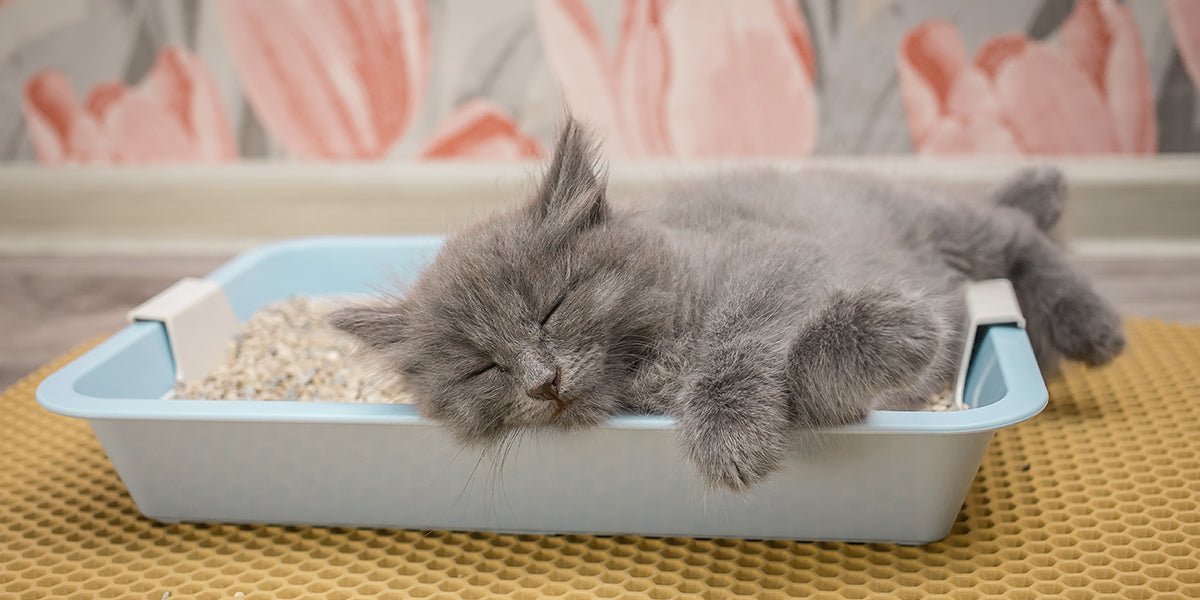
Have you ever caught your cat sleeping in its litter box and wondered why? It might seem strange or even worrying, but there are reasons behind this odd behavior that you probably haven’t considered.
Understanding why your cat chooses this spot can help you keep your furry friend happy and healthy. Keep reading to discover the surprising reasons your cat might be curling up where it usually goes to the bathroom—and what you can do about it.
Cats And Their Sleeping Spots
Cats have unique preferences when it comes to choosing their sleeping spots. Their choices often surprise us and reveal their instincts, comfort needs, and even moods. Understanding where and why your cat sleeps in certain places can help you create a happier environment for them.
Common Places Cats Choose To Sleep
Cats usually pick cozy, warm, and safe spots for their naps. You might find them curled up on your bed, a sunny windowsill, or inside a soft blanket. They love places that feel secure, such as boxes or corners where they can observe without being disturbed.
Many cats enjoy elevated spots like shelves or the back of a sofa. This gives them a good view of their surroundings and helps them feel in control. You might notice your cat prefers a particular chair or a favorite cushion that smells like you.
Unusual Sleeping Behaviors
Sometimes, cats surprise you with strange sleeping spots. Sleeping in a litter box is one such behavior that can puzzle cat owners. It might seem gross, but it usually signals stress, illness, or confusion rather than a preference for the smell.
Other odd places include sinks, laundry baskets, or even shoes. These choices might indicate your cat is seeking coolness, comfort, or trying to hide. If your cat suddenly starts sleeping somewhere unusual, it’s worth checking their health and emotional state.
Litter Box As A Sleeping Spot
Cats often choose unusual places to sleep. One surprising spot is the litter box. This choice puzzles many cat owners. Understanding why cats pick this spot helps improve their comfort and health.
Why Some Cats Prefer The Litter Box
Some cats see the litter box as a quiet, private place. It offers a small, enclosed space that feels secure. Cats may use the litter box for rest if other areas seem unsafe or noisy.
Stress or illness can also make cats seek the litter box. They may feel sick or anxious and want to stay close to their bathroom spot. This behavior can indicate a health problem or fear.
Comfort And Safety Factors
The litter box provides a cozy, warm area for cats. The litter material can feel soft under their paws and body. Cats like places that make them feel protected from threats.
Small spaces like the litter box help cats hide and relax. It reduces stress by giving them control over their environment. This safe feeling encourages cats to rest there.
Health Issues Behind The Behavior
Cats sometimes sleep in their litter box due to health issues. This behavior often signals discomfort or distress. Pet owners should pay attention to these changes. Understanding the health reasons can help ensure a cat’s well-being.
Urinary Tract Problems
Urinary tract problems are common in cats. They may sleep in their litter box due to frequent urination. It allows them easy access to relieve discomfort. Cats with urinary issues might also have painful urination. This pain can make them stay close to their litter box. Symptoms include straining, blood in urine, or crying during urination. A veterinarian should evaluate these signs promptly.
Stress And Anxiety Indicators
Stress and anxiety can affect a cat’s behavior. Sleeping in a litter box might indicate emotional distress. Changes in the environment can stress cats. New pets, furniture, or loud noises are potential triggers. Stress can also arise from lack of stimulation. Cats may retreat to their litter box for security. Observing other signs of stress is important. Excessive grooming or hiding are common indicators. Providing a calm environment can help reduce anxiety.

Credit: meowant.com
Environmental Influences
Cats are sensitive to their surroundings. Changes in their environment can affect their behavior. Sleeping in the litter box may be a response to these changes. The litter box feels like a safe and familiar spot. It offers a quiet place away from stress or noise. Understanding these environmental influences helps explain this unusual habit.
Changes In Home Environment
Moving to a new home can confuse cats. New sights, sounds, and smells cause stress. Renovations or rearranged furniture also disturb their comfort. Loud noises or visitors may make them anxious. The litter box remains a consistent place amid change. It gives a sense of security when everything else feels strange.
Territorial Instincts
Cats mark their territory to feel safe. The litter box carries their scent strongly. Sleeping there helps them guard their space. It acts as a small territory they control. This behavior reduces fear of other pets or strangers. The litter box becomes a fortress where they feel protected.
How To Address This Behavior
Addressing the behavior of cats sleeping in their litter box starts with understanding why they choose this spot. It often signals discomfort, stress, or health issues. You can take steps to make your cat feel safe and comfortable elsewhere while ensuring their hygiene needs are met.
Improving Litter Box Conditions
Check your cat’s litter box for cleanliness. Cats prefer a clean, odor-free environment, so scoop waste daily and change the litter regularly. Consider trying different types of litter to find one your cat likes better—unscented clumping litter often works well.
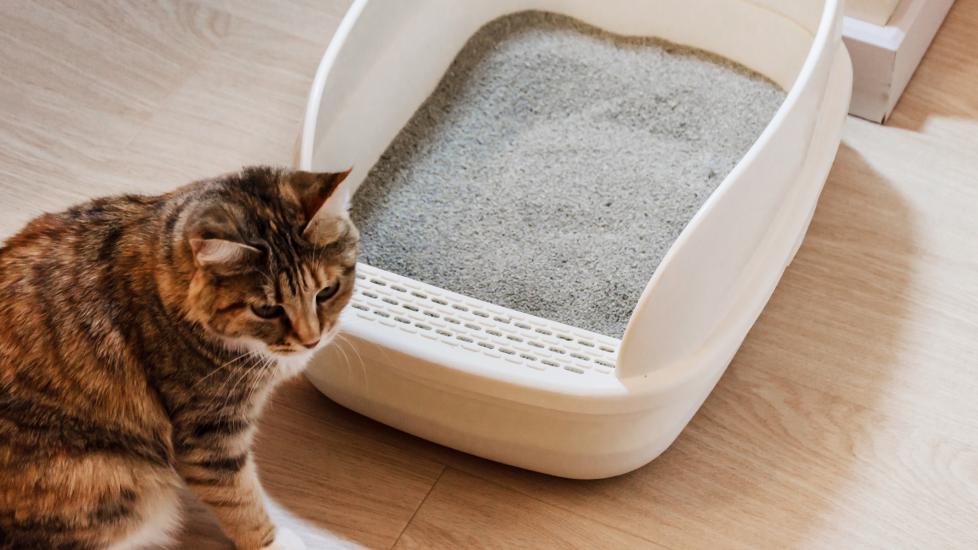
Make sure the box is the right size and shape. Some cats feel cramped in small boxes and may avoid them. Also, place the box in a quiet, low-traffic area where your cat can feel secure.
Providing Alternative Cozy Spots
Create inviting resting places around your home. Cats often seek warmth and security, so offer soft beds or blankets in quiet corners. Heated pads or covered cat beds can attract your cat away from the litter box.
Observe where your cat likes to nap and try placing new cozy spots nearby. Adding familiar scents like your worn clothing can make these spots more appealing. Sometimes, your cat just needs a little encouragement to switch their favorite sleeping area.
When To Consult A Veterinarian
If your cat continues to sleep in the litter box despite your changes, it might indicate health problems. Urinary tract infections, pain, or other illnesses can make the litter box a comforting place.
Watch for other signs like frequent urination, blood in urine, or changes in appetite. Visiting your vet can rule out medical issues and help you find the right solution for your cat’s well-being.

Credit: marltons.co.za
Credit: www.petmd.com
Frequently Asked Questions
Why Do Cats Sleep In Litter Boxes Sometimes?
Cats may sleep in litter boxes when stressed or sick. The box feels safe and enclosed, offering comfort and security. It can also indicate a health issue, like urinary problems, needing veterinary attention.
Is It Normal For Cats To Sleep In Litter Boxes?
It is not typical for healthy cats to sleep in litter boxes. This behavior often signals stress, illness, or anxiety. If your cat frequently sleeps there, consult a vet to rule out health concerns.
Can Stress Cause Cats To Sleep In Litter Boxes?
Yes, stress can cause cats to sleep in litter boxes. Cats seek secure spaces during stress or anxiety. The litter box offers a familiar and enclosed area, helping them feel safer.
How To Stop Cats From Sleeping In Litter Boxes?
To stop this behavior, address underlying health or stress issues. Provide a calm environment, a cozy bed, and regular vet checkups. Clean the litter box frequently and ensure it’s in a quiet, accessible spot.
Conclusion
Cats may sleep in litter boxes for comfort or safety. They might feel secure in small, quiet spaces. Sometimes, health or stress issues can cause this behavior. Watching your cat closely helps you understand their needs. Providing cozy beds and calm spots can help.
Always keep the litter box clean to avoid problems. If unusual behavior continues, a vet visit is wise. Understanding your cat’s habits builds a stronger bond. Their unique actions show how they feel and adapt. Caring for your cat means noticing these small signs.



Leave a Reply