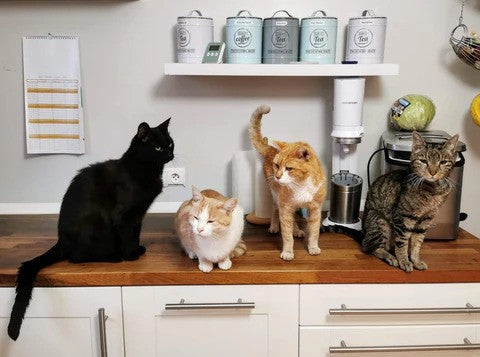
Are you wondering if your cats can share a litter box without any issues? You’re not alone.
Many cat owners face this question, especially when adding a new feline friend to the family. Understanding how cats feel about sharing their space can save you from unpleasant surprises and keep your home clean and stress-free. Keep reading to discover what experts say about cats and litter boxes, and find out the best way to keep your furry companions happy and comfortable.

Credit: neakasa.com
Cat Behavior And Litter Preferences
Understanding your cat’s behavior and litter preferences is key to deciding if they will share a litter box. Cats have unique habits shaped by instincts and their environment. Paying attention to these details can help you create a more harmonious space for your furry friends.
Instincts Behind Litter Use
Cats naturally bury their waste to hide their scent from predators and other cats. This instinct drives their need for a clean and private litter area. If a box is dirty or smells too strongly of another cat, your cat might refuse to use it.
Each cat prefers different textures and depths of litter. Some like fine, sand-like litter, while others prefer clumping types. You might notice your cat pawing at the litter before settling—this is their way of testing the surface.
Have you ever seen your cat avoid a specific box? It could be because the litter type or cleanliness doesn’t match their instinctual preferences. Offering multiple boxes with varied litter can reveal what your cat prefers.
Territorial Nature Of Cats
Cats are territorial animals, and this impacts their willingness to share litter boxes. Sharing can sometimes lead to stress or even aggression, especially if one cat feels its territory is invaded.
Multi-cat households often benefit from having one litter box per cat plus one extra. This reduces competition and territorial disputes. Cats may mark their territory by urinating outside the box if they feel crowded or threatened.
Think about your cats’ relationships—are they close or more independent? Cats that get along well might share a box occasionally, but many prefer their own space. Observing their behavior around the litter box can give you clues about their comfort level with sharing.
Factors Influencing Litter Box Sharing
Understanding why some cats share litter boxes while others refuse involves looking at several key factors. These factors shape your cats’ comfort and willingness to use the same space. Paying attention to these details can help you create a harmonious environment for your feline friends.
Number Of Cats And Space
The number of cats you have directly affects whether they will share a litter box. More cats usually mean more competition, which can lead to stress and avoidance of shared boxes.
Space also plays a big role. In a small apartment with limited room, cats might tolerate sharing more out of necessity. But in larger homes, they often prefer having their own private spots.
Have you noticed your cats crowding around one box or avoiding it altogether? That’s a sign you may need to add more litter boxes to reduce territorial disputes.
Age And Temperament Differences
Older cats often prefer consistency and may resist sharing their litter space with younger, more energetic cats. Age can influence tolerance levels and patience.
Temperament varies widely. Some cats are naturally social and relaxed, while others are territorial and easily stressed. Your shy cat might avoid a box if a dominant cat is nearby.
Think about how your cats interact in other parts of your home. Do they share toys or beds? Their social habits can hint at their litter box preferences too.
Litter Box Location And Size
Location is crucial. Placing the box in a noisy or high-traffic area can discourage use. Cats prefer quiet, private spots where they feel safe.
Box size matters as well. A cramped or small litter box can turn cats away, especially larger breeds. Providing a roomy box encourages use and comfort.
Consider trying different locations and sizes to see what your cats prefer. Sometimes a simple change can reduce conflicts and increase sharing.
Benefits And Drawbacks Of Sharing
Cats sometimes share litter boxes, saving space and reducing cleaning time. Sharing can cause stress or hygiene issues if cats dislike sharing or if boxes get too dirty.
Cats and litter boxes can be a curious topic for pet owners. Sharing a litter box might seem convenient, but is it the best choice for your feline friends? Understanding the benefits and drawbacks of a shared litter box can help you make an informed decision. Each cat’s personality and preferences play a significant role in how well they adapt to sharing. Let’s explore the pros and cons of shared litter boxes to help you determine what’s best for your furry companions.Pros Of Shared Litter Boxes
Sharing a litter box can save space in your home. If you live in a small apartment, this can be a significant advantage. It reduces the need for multiple boxes, allowing more room for other cat essentials like scratching posts or cozy beds. It simplifies maintenance. Instead of cleaning multiple boxes daily, you only have one to manage. This can streamline your routine and save time, especially during busy weeks. A shared litter box can also encourage social bonding among cats. When they use the same area for their business, it can promote a sense of community. This is particularly beneficial if your cats are already friendly and enjoy each other’s company.Cons And Potential Issues
Sharing isn’t always smooth. Cats are territorial creatures by nature, and a single litter box might lead to conflicts. Some cats may become stressed, resulting in undesirable behavior like going outside the box. The hygiene factor cannot be overlooked. A shared box tends to fill up faster, increasing the frequency of cleaning required. If not maintained, it can lead to unpleasant odors and unsanitary conditions. Health concerns are another drawback. If one cat has a urinary tract infection or other health issues, it may spread to others using the same box. This can lead to vet visits and additional expenses. Have you ever noticed your cats behaving differently around a shared box? Consider these aspects, and observe how your cats react. Their comfort and health are paramount, and sometimes individual boxes are the key to ensuring both.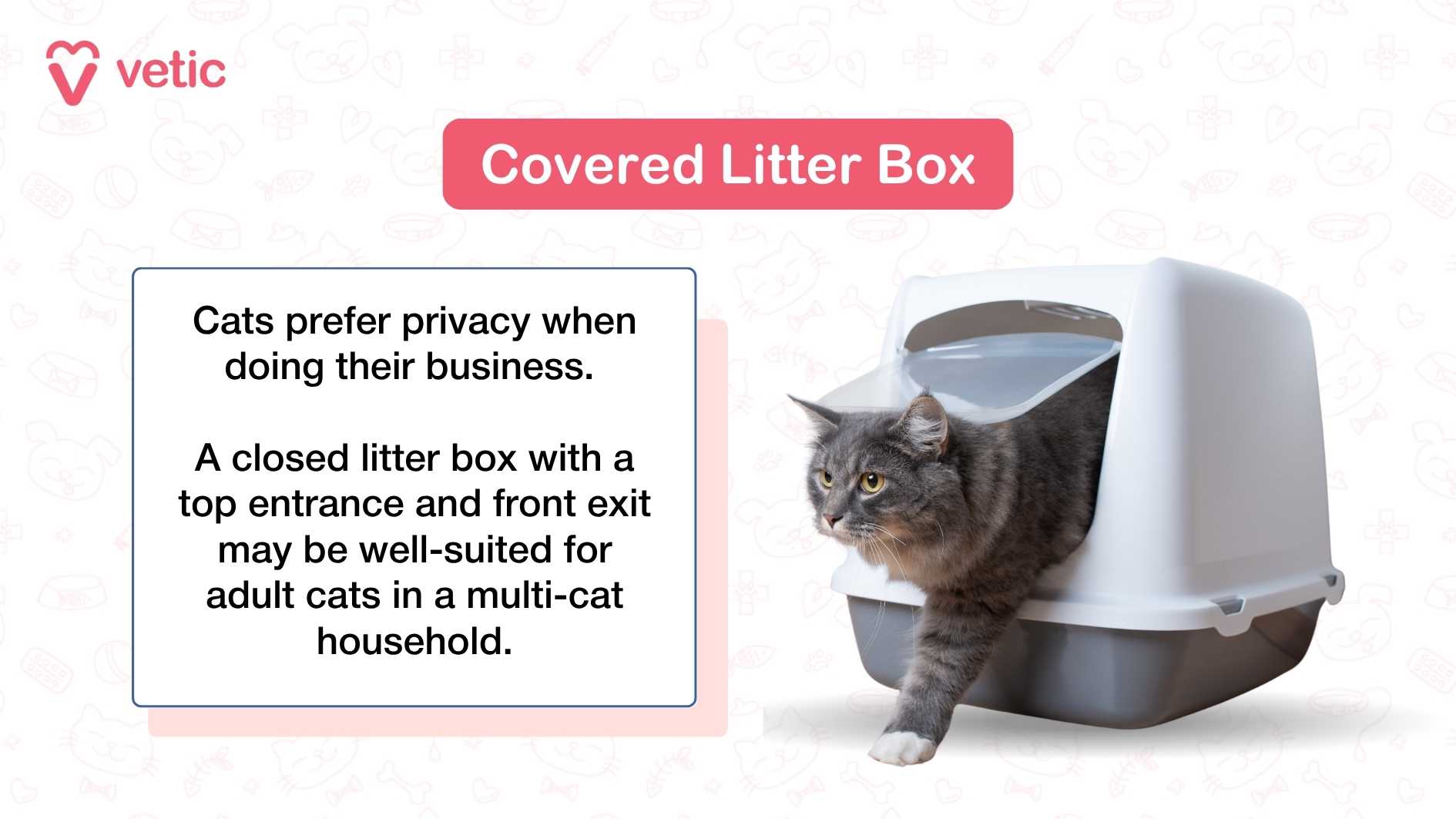
Credit: vetic.in
Signs Cats Dislike Sharing
Not all cats are comfortable sharing their litter boxes. Recognizing the signs that your cat dislikes sharing can save you from future behavioral issues and health problems. Paying attention to subtle changes in how your cat acts around the litter box can help you create a happier environment for your feline friends.
Behavioral Changes
If your cat suddenly starts avoiding the litter box, it might be a clear sign they don’t like sharing. You might notice your cat scratching around the box more aggressively or meowing loudly near it, showing frustration.
Some cats become more territorial and may start guarding the litter box or even blocking other cats from approaching it. You could also see signs of stress, like excessive grooming or hiding, especially after another cat uses the box.
Have you noticed your cat urinating outside the box? This is often a direct reaction to discomfort with sharing. It’s your cat’s way of saying, “I need my own space.”
Health Concerns Linked To Sharing
Sharing a litter box can increase the risk of infections and urinary tract issues. Cats are very clean animals, and exposure to another cat’s waste can expose them to bacteria or parasites.
Stress from sharing can weaken your cat’s immune system, making them more prone to illness. If your cat is spending more time licking themselves or scratching, it could be a sign of a urinary tract infection or skin irritation caused by stress.
Consider how many cats you have and the number of litter boxes available. A good rule is one box per cat, plus one extra. This simple step helps reduce health risks and keeps your cats comfortable.
Tips For Managing Multiple Cats
Managing multiple cats can be a challenge, especially when it comes to their litter boxes. You want to keep your home clean and your cats happy, but how do you balance the needs of each feline? Understanding the best practices can save you from frustration and help your cats coexist peacefully.
Ideal Number Of Litter Boxes
Each cat in your home should have access to their own litter box, plus one extra. This rule helps reduce competition and territorial disputes over bathroom spots. For instance, if you have three cats, you should provide at least four litter boxes.
Place litter boxes in different quiet and easily accessible locations. Avoid clustering them in one area because cats prefer privacy and will avoid crowded spots. Have you noticed any cats in your home avoiding certain boxes? This might be a sign you need more or better-placed boxes.
Cleaning And Maintenance Advice
Keep litter boxes clean by scooping waste daily and changing the litter regularly. Dirty boxes are the top reason cats refuse to share. You don’t want your cats holding it in or making messes elsewhere.
Use unscented, clumping litter that your cats like. Some cats are picky about texture and smell, so observe their preferences. Also, wash the boxes with mild soap weekly to prevent odors and bacteria buildup.
Creating A Stress-free Environment
Stress can cause cats to avoid shared litter boxes or act out. Provide plenty of hiding spots, vertical spaces, and separate feeding areas to reduce tension. Cats need their own territory even within the same home.
Try to keep routines consistent, especially cleaning times and box locations. Sudden changes can confuse or stress your cats. Have you noticed how your cats react when a new box appears or disappears? Observing their behavior helps you adjust the setup for peace and comfort.
Alternative Solutions For Multi-cat Homes
Living with multiple cats means dealing with their litter box habits in a way that keeps everyone happy. Sharing a single litter box doesn’t always work well, and it can lead to stress or accidents. Thankfully, you can try several alternative solutions that make life easier for both you and your feline friends.
Automatic And Self-cleaning Boxes
Automatic litter boxes can save you time and keep the area cleaner. These boxes scoop waste on their own, reducing odors and maintenance. If you’ve ever struggled to keep up with frequent cleaning, this might be a game-changer.
Some cats are picky about their litter boxes. The gentle cleaning cycle of an automatic box can make the experience more pleasant for them. Have you noticed how your cats react to a cleaner environment? It can encourage them to use the box consistently.
Separate Litter Areas
Not all cats want to share their space. Providing multiple litter boxes allows each cat to have their own spot. A good rule of thumb is to have one more litter box than the number of cats you have.
Placing boxes in different rooms or quiet corners can reduce territorial disputes. This setup often prevents accidents and keeps your home fresher. Do you see any signs of stress or avoidance around your cats? Adding separate boxes might help.
Using Different Types Of Litter
Cats can be particular about the litter texture or scent. Offering different types of litter in separate boxes gives your cats the choice to pick their favorite. Some prefer clumping clay, others might like natural or crystal litters.
Changing litter types can also help if one cat is avoiding the box. It’s a simple adjustment that may improve your cats’ comfort and hygiene. Have you tried switching litters to see if it changes their behavior?
Credit: medium.com
Frequently Asked Questions
Do Cats Prefer Sharing Litter Boxes Or Separate Ones?
Cats often prefer separate litter boxes to avoid stress and territorial issues. Sharing can cause conflicts and reluctance to use the box. Providing one litter box per cat plus an extra helps maintain cleanliness and reduces behavioral problems.
How Many Litter Boxes Do Multiple Cats Need?
For multiple cats, the rule is one litter box per cat plus one extra. This ensures each cat has its own space, reducing competition and stress. It promotes better hygiene and prevents litter box avoidance or accidents.
Can Sharing Litter Boxes Cause Health Problems In Cats?
Yes, sharing litter boxes can spread infections and parasites among cats. It may increase the risk of urinary tract infections and other illnesses. Regular cleaning and providing multiple boxes help maintain good health and hygiene.
What Signs Indicate Cats Dislike Sharing Litter Boxes?
Cats that dislike sharing may avoid the litter box or eliminate outside it. They might show aggressive behaviors near the box or mark territory elsewhere. Observing these signs suggests a need for separate litter boxes to reduce stress.
Conclusion
Cats can share litter boxes, but not always happily. Some cats prefer their own space and avoid sharing. Cleanliness and box size matter a lot to cats. Offering multiple boxes reduces problems and stress. Watch your cats’ behavior to know what they need.
Happy cats usually mean less mess and fewer fights. Keep boxes clean and placed in quiet spots. Sharing is possible with patience and care from you.


Leave a Reply