Have you ever found your cat’s mess somewhere other than the litter box and wondered why? It’s frustrating, confusing, and honestly, a little gross.
But don’t worry—you’re not alone, and there are clear reasons behind this behavior. Understanding why your cat poops outside the litter box can help you fix the problem faster and keep your home clean. You’ll discover the main causes and simple solutions that work.
Keep reading to get your cat—and your space—back on track.
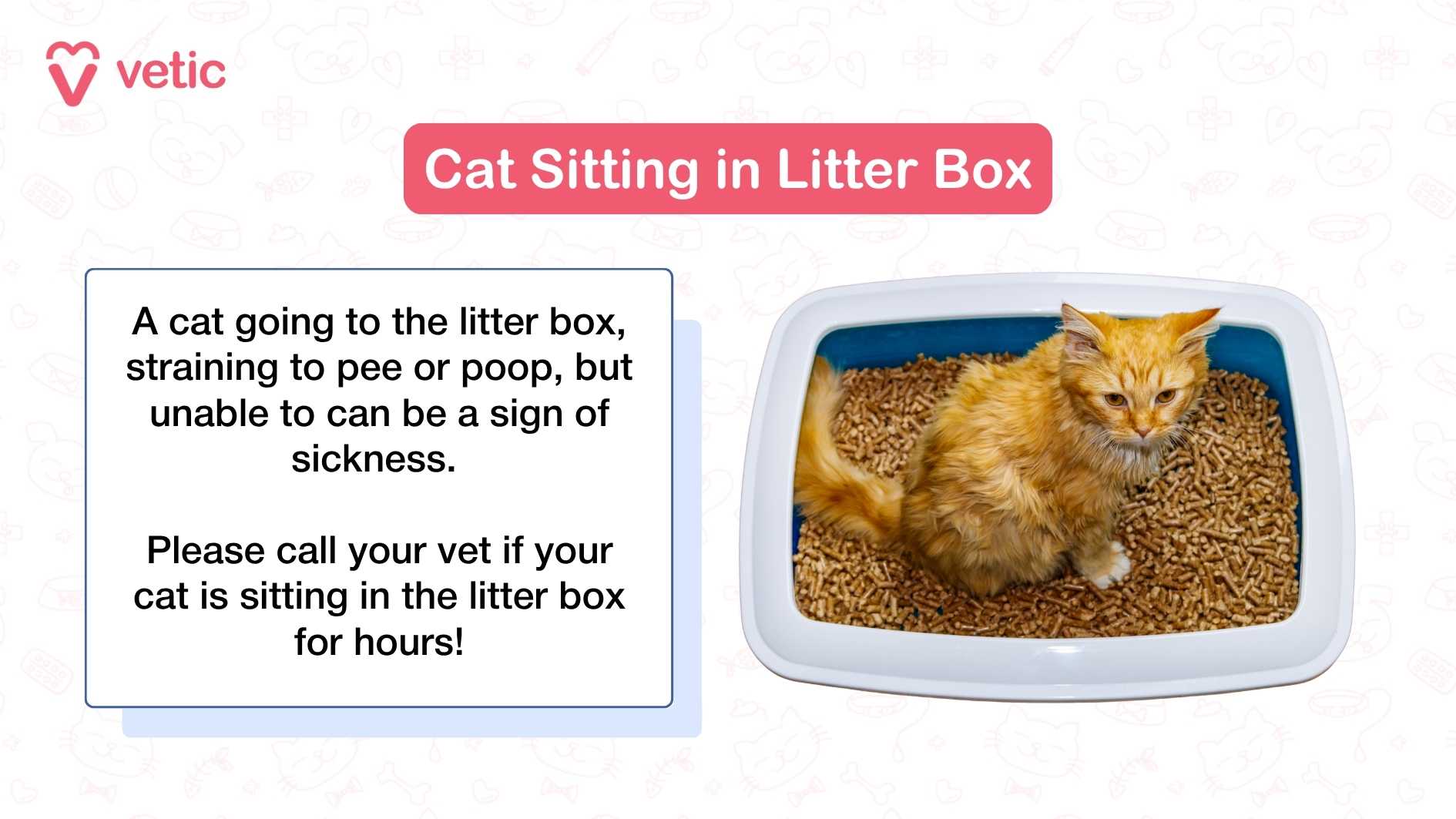
Credit: vetic.in
Common Health Issues
Cats may avoid their litter boxes due to health problems. Understanding these issues helps in solving the behavior. Common health problems can cause discomfort or pain, making the litter box unappealing. Watch for signs of illness and act quickly.
Urinary Tract Infections
Urinary tract infections (UTIs) are a frequent cause of litter box avoidance. They make urination painful or difficult. Cats may associate the litter box with pain and choose to go elsewhere. Signs include frequent attempts to urinate and blood in urine. A vet visit is essential for diagnosis and treatment.
Digestive Problems
Digestive issues can also lead to accidents outside the litter box. Diarrhea or constipation can make a cat avoid the box. Digestive discomfort may cause sudden urges to poop. This can result in accidents if the cat cannot reach the box in time. Proper diet and vet care can improve these problems.
Pain And Discomfort
Pain from arthritis or injuries can stop a cat from using the litter box. Jumping in and out may become hard or painful. Cats might choose softer, easier places to relieve themselves. Notice changes in movement or behavior. Pain relief and adjustments to the litter box setup help the cat feel comfortable again.
Litter Box Problems
Sometimes, your cat avoids the litter box simply because something about it bothers them. Litter box problems are a common reason for this behavior. Understanding these issues can help you fix the problem quickly and keep your home clean.
Dirty Litter Box
Have you ever ignored cleaning something for days? Your cat feels the same about a dirty litter box. Cats are very clean animals and prefer a fresh spot to do their business.
If the litter box smells or looks messy, your cat might choose to go elsewhere. Try scooping the box at least once a day and washing it weekly. This simple habit can make a big difference in your cat’s behavior.
Wrong Type Of Litter
Not all litter is created equal in your cat’s eyes. Some cats dislike strong scents or certain textures. If your cat suddenly stops using the box, the type of litter might be the cause.
Consider trying different kinds like clumping, non-clumping, scented, or unscented. Watch how your cat reacts to each. Finding the right litter can solve the problem faster than you think.
Litter Box Location
Where you place the litter box matters a lot. Cats want privacy but also easy access. A noisy or busy spot might scare them off.
Think about a quiet corner where your cat can feel safe. Avoid placing the box near food or water dishes. Changing the location might be the simple fix you need to bring your cat back to the litter box.
Behavioral Causes
Behavioral causes often play a key role when a cat starts pooping outside the litter box. These behaviors can be triggered by various emotional and environmental factors that upset your cat’s routine or sense of security. Understanding these reasons helps you address the root of the problem, not just the symptom.
Stress And Anxiety
Cats are creatures of habit, and stress can quickly throw them off balance. If your cat feels nervous or unsettled, it may avoid the litter box as a way to express discomfort or seek control. Changes like new pets, unfamiliar visitors, or loud noises can cause anxiety that leads to this behavior.
Have you noticed your cat hiding or acting restless before accidents happen? That could be a sign of stress. Creating a calm environment with quiet spaces and consistent routines can help your cat feel more secure and reduce unwanted bathroom habits.
Territorial Marking
Sometimes, pooping outside the litter box is about marking territory rather than physical discomfort. Cats use their scent to communicate ownership, especially if they sense a threat from other animals or changes in their surroundings. This behavior can be more common in multi-cat households or if your cat sees another animal outside.
You might catch your cat choosing specific spots repeatedly. This is their way of saying, “This is mine.” To manage this, try adding extra litter boxes in different locations and ensure your cat has plenty of safe spaces to claim as their own.
Changes In Environment
Even small changes around the house can confuse your cat and disrupt their litter box habits. Moving the litter box, switching litter types, or rearranging furniture might seem minor to you but can be significant for your cat. They rely heavily on familiarity, so unexpected changes can cause them to avoid the box.
Think about any recent changes before your cat started having accidents. Reverting to the old setup or introducing new elements gradually can help your cat adjust without stress. Patience is key, and observing your cat’s preferences will guide you to the best solution.
Age And Mobility Issues
Age and mobility issues often cause cats to poop outside the litter box. Older cats may find it hard to move or climb into the box. This can lead to accidents around the house. Understanding these challenges helps in caring for aging pets better.
Senior Cats
Senior cats may lose energy and interest in using the litter box. They might have weaker muscles and slower reflexes. Sometimes, they forget the box location or find it difficult to reach. Their health problems can also cause discomfort or confusion.
Physical Limitations
Arthritis or joint pain can make entering or exiting the litter box painful. Cats with mobility issues may avoid the box to escape discomfort. Boxes with high sides become a barrier for these cats. Providing low-sided or easy-access boxes can help them.
Solutions To Encourage Proper Use
Providing clean, accessible litter boxes in quiet areas helps cats feel safe and comfortable. Regularly cleaning the boxes and using the cat’s preferred litter encourages proper use. Observing your cat’s habits can reveal issues to address quickly.
When your feline friend starts using the floor instead of the litter box, it can be frustrating and perplexing. However, there are practical solutions to encourage your cat to use their litter box properly. By addressing the root of the problem, you can make life more comfortable for both you and your pet.Cleaning And Maintenance
A clean litter box is a happy litter box. Cats are fastidious creatures, and a dirty box can be off-putting. Clean the litter box daily, scooping out waste and replacing the litter frequently to keep odors at bay. Consider the litter box’s location. Is it easily accessible and in a quiet area? If not, your cat might be deterred from using it. Also, make sure to wash the box thoroughly once a week to prevent bacteria buildup.Choosing The Right Litter
The type of litter you use can make a big difference. Cats often have preferences for certain textures and scents. Experiment with different types of litter to see which one your cat prefers. Avoid heavily scented litters, as some cats find these smells overpowering. Opt for unscented or lightly scented options to ensure your cat feels comfortable.Creating A Safe Environment
Your cat’s environment plays a crucial role in their litter box habits. Ensure that the space around the litter box is calm and stress-free. Loud noises or high foot traffic can make your cat anxious and reluctant to use the box. Provide your cat with a safe haven, away from other pets or disturbances. You might find that adding a second litter box in a different location helps, especially in multi-cat households.Consulting A Veterinarian
If you’ve tried everything and your cat is still having issues, it might be time to consult a veterinarian. Medical issues such as urinary tract infections can cause a cat to avoid the litter box. A vet can rule out health problems and provide advice on behavioral issues. Sometimes, a minor change in diet or medication can make a significant difference. By taking these steps, you can encourage your cat to return to their natural litter box habits. Your patience and understanding will go a long way in helping your feline friend feel comfortable and secure.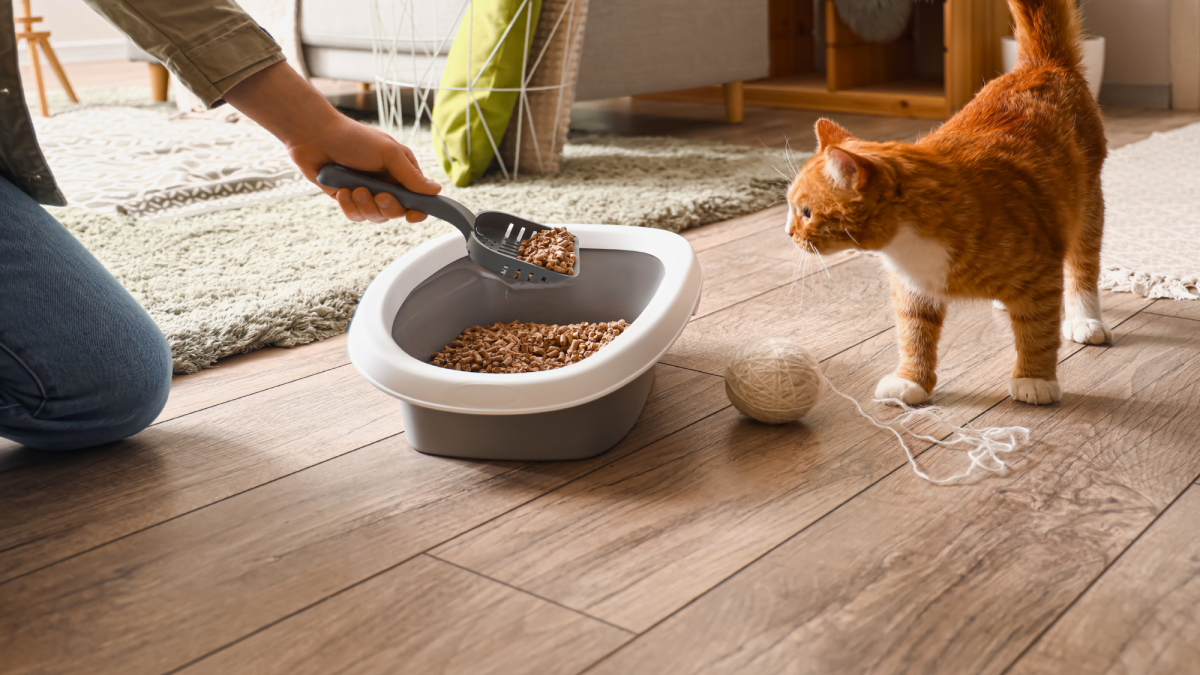
Credit: pethelpful.com
Credit: vetic.in
Frequently Asked Questions
Why Does My Cat Poop Outside The Litter Box?
Cats may poop outside the litter box due to stress, illness, or litter box issues. Changes in routine or dirty litter can cause this behavior. Medical problems like infections or constipation also lead cats to avoid the box.
Can Stress Cause Cats To Poop Outside The Litter Box?
Yes, stress can make cats poop outside the litter box. Stressors include new pets, moving, or loud noises. Cats may avoid the box when feeling anxious or insecure. Reducing stress helps resolve this behavior.
How Can I Stop My Cat From Pooping Outside?
Keep the litter box clean and in a quiet area. Use the right litter type your cat prefers. Provide multiple boxes if you have several cats. Consult a vet to rule out medical issues causing this.
Does Litter Box Size Affect Where Cats Poop?
Yes, litter box size impacts a cat’s comfort and use. Small or crowded boxes may discourage use. Choose a box large enough for your cat to turn and dig comfortably.
Conclusion
Cats may poop outside the litter box for many reasons. Stress, health problems, or a dirty box can cause this behavior. Watch your cat closely to spot any changes. Keep the litter box clean and in a quiet place. Try different types of litter to see what your cat likes.
Visiting the vet can help rule out health issues. Patience and care are key to solving this problem. Understanding your cat’s needs creates a happy home for both of you.




Leave a Reply