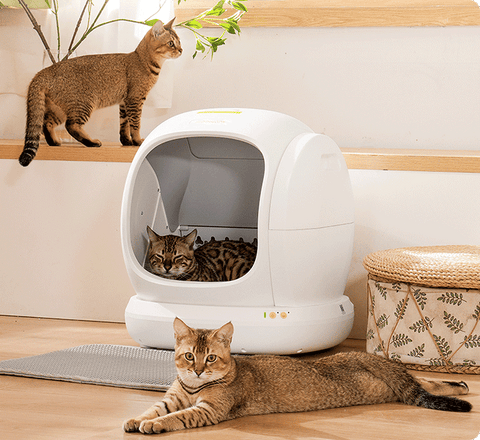
Have you ever noticed your cat curling up in her litter box and wondered why? It can be confusing and even a little worrying.
You might think something is wrong or that she’s uncomfortable. Understanding why your cat chooses this strange spot can help you keep her happy and healthy. You’ll discover the surprising reasons behind this behavior and what you can do to make sure your furry friend feels safe and cared for.
Keep reading—you’ll be glad you did.
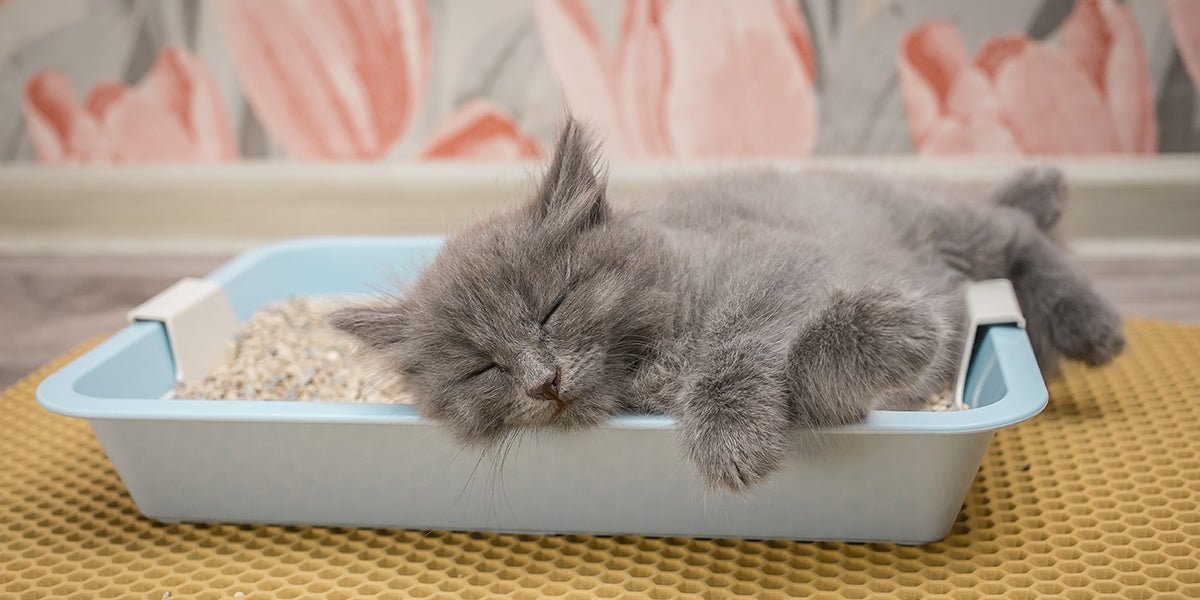
Credit: meowant.com
Behavioral Causes
Behavioral causes often explain why a cat chooses to lay in her litter box. Cats use their environment to feel secure and express their feelings. The litter box can become a special place beyond its usual purpose.
Seeking Comfort And Safety
The litter box may feel like a safe spot for a cat. It is small, enclosed, and familiar. This space offers a sense of security from loud noises or sudden movements. Cats may also find the litter’s texture soothing against their body. This can help reduce stress and anxiety.
Marking Territory
Laying in the litter box can be a way to mark territory. Cats have scent glands on their bodies. When they lie down, they leave their scent behind. This signals to other animals that the space is claimed. It helps the cat feel more in control of their environment.
Avoiding Other Pets
Sometimes a cat uses the litter box to avoid other pets. It can be a quiet retreat away from dogs or other cats. The box acts as a barrier and offers privacy. This behavior shows the cat’s desire to stay safe and calm.

Credit: www.purina.com
Health-related Issues
Health-related issues can cause a cat to lie in her litter box. This behavior often signals discomfort or distress. Cats cannot speak, so their actions tell us about their well-being. Watching a cat spend too much time in the litter box might reveal hidden health problems.
Urinary Tract Problems
Urinary tract problems are a common reason cats stay in their litter box. Conditions like infections or blockages cause pain during urination. Cats may try to urinate frequently but produce little urine. This can lead to them resting in the box to ease discomfort. Prompt veterinary care is crucial to prevent serious complications.
Pain Or Discomfort
Physical pain or discomfort can make a cat choose the litter box as a resting spot. Injuries, arthritis, or internal pain might drive this behavior. The box feels safe and familiar, offering a quiet place to rest. Pain may also reduce the cat’s willingness to move around. Observing this can help owners detect health issues early.
Stress And Anxiety
Stress and anxiety affect a cat’s behavior deeply. A cat may hide in the litter box to feel secure. Changes in the home environment or loud noises can trigger this response. The litter box becomes a refuge during stressful times. Managing stress with a calm environment helps improve the cat’s comfort.
Environmental Factors
Cats may choose their litter box as a safe, quiet spot when feeling stressed or sick. Changes in the environment can make them seek comfort in familiar places. Temperature and lighting also affect their choice to lie there.
Cats can be mysterious creatures, and their behaviors often leave us puzzled. One such behavior is when a cat chooses to lay in her litter box. Environmental factors play a crucial role in this peculiar habit. Understanding these factors helps you create a more comfortable space for your feline friend.Litter Box Cleanliness
Cats are fastidious animals. A dirty litter box can be a major turn-off. If you notice your cat lying in her litter box, it might be her way of telling you it’s time for a clean-up. Regularly scoop out the waste and ensure the box is sanitized. A clean litter box encourages proper usage and keeps your cat happy. Plus, it reduces the chances of any unpleasant odors wafting through your home.Litter Type Preferences
Not all litters are created equal. Some cats are picky about the type of litter they prefer. Whether it’s clumping, non-clumping, scented, or unscented, your cat might be sending signals about her preferences. Experiment with different types to see what your cat likes best. This can prevent her from seeking solace in her litter box. A simple change in litter could transform her habits and improve her comfort.Location And Privacy
Just like you value your privacy, so does your cat. The location of the litter box could be a factor in her strange behavior. If it’s placed in a busy area of your home, your cat might feel exposed or stressed. Consider relocating the litter box to a quieter, more secluded spot. A private area can make all the difference, providing a safe haven for your cat. Ask yourself: is your cat seeking solitude in her litter box because her needs for privacy aren’t being met? By addressing these environmental factors, you can improve your cat’s living space and well-being. It’s all about understanding her needs and making simple adjustments.
Credit: www.reddit.com
Kitten And Mother Cat Behavior
Cats have natural behaviors tied to their survival and care for their young. A mother cat and her kittens share unique habits that sometimes puzzle owners. One curious behavior is a cat laying in her litter box. Understanding this starts with the mother and kitten relationship.
Nesting Instincts
Mother cats seek safe, quiet places to give birth and care for kittens. The litter box may seem secure and enclosed to her. It offers a confined space that feels like a den. This helps the mother feel calm and protected. Kittens also learn to recognize this spot as their home. The litter box mimics a natural nest environment for both.
Protecting Kittens
Mothers guard their kittens from harm fiercely. Staying close in the litter box keeps kittens safe from dangers. The mother cat can watch and react quickly to threats. The litter box also keeps kittens warm and hidden. This behavior is part of the mother’s instinct to protect her young. It ensures the kittens grow healthy and secure in their first weeks.
When To Consult A Veterinarian
A cat lying in her litter box can signal discomfort or stress. Some cats do this occasionally, but frequent or long periods inside the box need attention. Knowing when to consult a veterinarian helps protect your cat’s health and comfort.
Signs Of Illness
Watch for signs like:
- Frequent vomiting or diarrhea
- Blood in urine or stool
- Excessive licking of the genital area
- Loss of appetite or weight
- Difficulty urinating or defecating
These symptoms often indicate infections or medical problems. Immediate veterinary care can prevent serious issues.
Behavioral Changes
Sudden shifts in behavior can signal distress. Notice if your cat:
- Becomes withdrawn or hides more than usual
- Shows signs of pain or discomfort
- Exhibits aggression or unusual vocalizations
- Stops grooming or acts restless
Behavioral changes paired with litter box use may require a vet’s evaluation.
Persistent Litter Box Use
If your cat stays in the litter box for long periods or repeatedly returns:
- Check for signs of urinary tract infection
- Consider possible bladder stones or inflammation
- Rule out anxiety or stress-related issues
Persistent use often signals a medical or emotional problem. Veterinary guidance ensures proper diagnosis and treatment.
Tips To Discourage Litter Box Laying
Seeing your cat lay in her litter box can be puzzling and concerning. Understanding how to discourage this behavior is key to keeping your feline friend comfortable and healthy. The following tips focus on making changes you can easily implement at home.
Improving Litter Box Conditions
Start by checking the cleanliness of the litter box. Cats prefer a spotless environment, so scoop waste at least twice a day and replace the litter regularly.
Also, consider the type of litter you use. Some cats dislike scented or clumping litters. Switching to unscented, soft-textured litter might make a big difference.
Have you noticed if your cat prefers a covered or open box? Sometimes the box style affects their comfort level. Try offering both to see which one your cat chooses.
Providing Alternative Comfort Spots
Your cat might be seeking a cozy, safe place. Offer soft beds or blankets in quiet corners of your home to encourage her to relax outside the litter box.
Adding warmth can help too. A heated pet mat or placing a bed in a sunny spot might attract her away from the box.
Try rotating different comfort spots to keep things interesting. Cats love variety and may enjoy exploring new cozy areas.
Reducing Stressors
Stress can cause unusual behaviors like laying in the litter box. Identify any changes in the environment such as new pets, loud noises, or rearranged furniture.
Using calming products like pheromone diffusers or sprays can soothe your cat. These tools help reduce anxiety without medication.
Spend extra time playing and bonding with your cat. Your attention and affection can lower her stress and improve her overall wellbeing.
Frequently Asked Questions
Why Does My Cat Lay In Her Litter Box?
Cats may lay in their litter box due to stress, illness, or comfort. It can indicate discomfort or a need for security. Monitoring behavior and consulting a vet is important if this continues.
Is Laying In The Litter Box A Sign Of Illness?
Yes, cats often lay in the litter box when feeling sick. It can signal urinary tract infections or other health issues. Prompt veterinary care is recommended to rule out serious problems.
Can Stress Cause Cats To Stay In The Litter Box?
Stress and anxiety can make cats seek safe spaces like the litter box. Changes in environment or routine often trigger this behavior. Reducing stressors and providing comfort helps resolve it.
How Can I Prevent My Cat From Laying In The Litter Box?
Ensure the litter box is clean and in a quiet area. Provide cozy resting spots outside the box. Regular vet check-ups help identify health issues causing this behavior.
Conclusion
Cats may lie in their litter boxes for many reasons. Sometimes, they feel safe and secure there. Other times, health issues or stress might cause this behavior. Watch your cat closely for changes in mood or habits. Keep the litter box clean and comfortable.
If your cat stays in the box often, a vet visit is wise. Understanding your cat’s actions helps you care for her better. Small changes can make a big difference in your cat’s happiness. Always show patience and love during these moments.




Leave a Reply