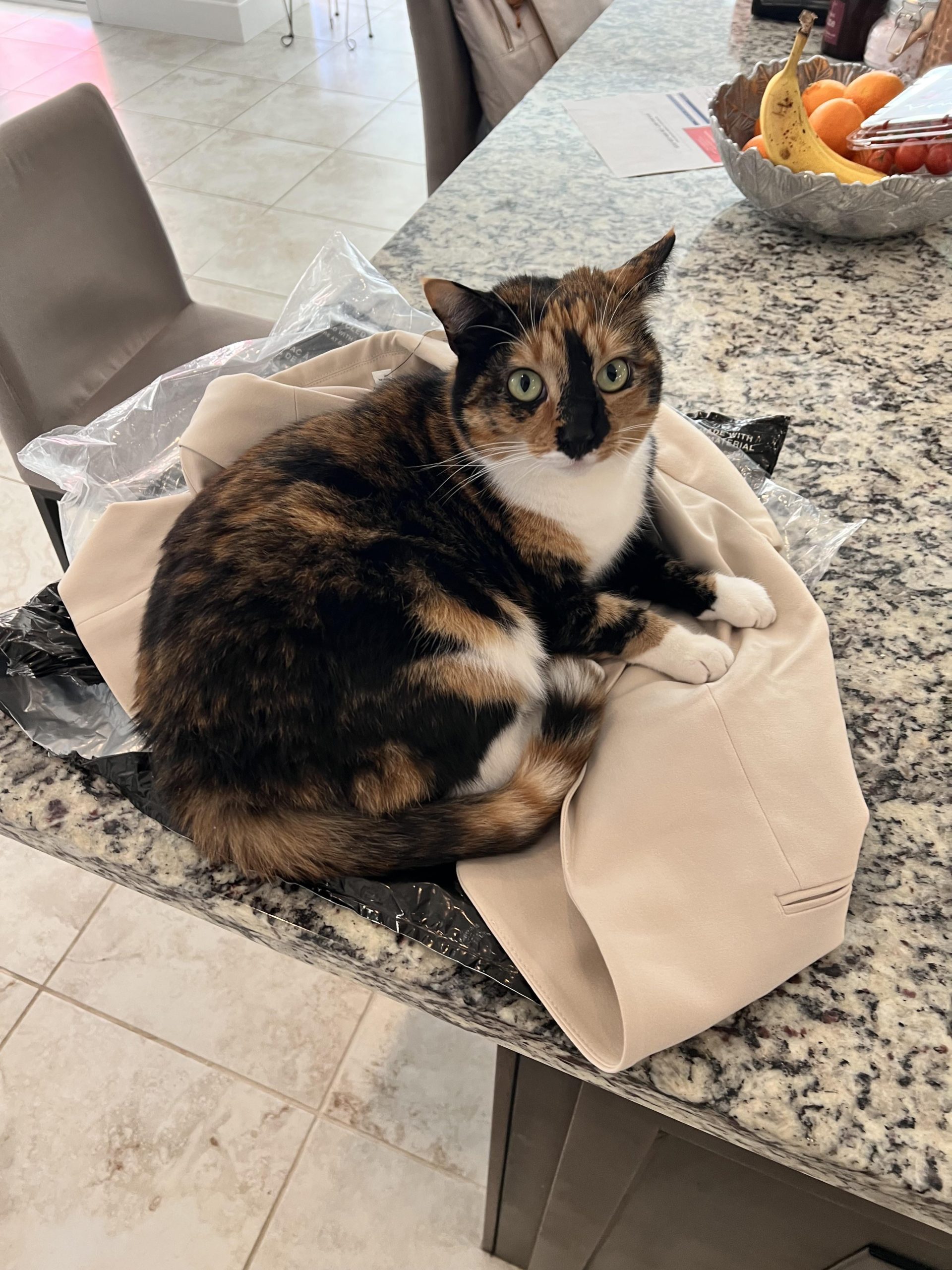
Are you frustrated because your cat keeps peeing outside the litter box? You’re not alone, and it’s a problem that can be both confusing and stressful.
When your furry friend suddenly starts avoiding their litter box, it’s a sign that something isn’t quite right. But why is this happening? Could it be health issues, stress, or something about the litter box itself? Understanding the real reasons behind this behavior can help you fix the problem quickly and keep your home clean.
Keep reading to discover what’s causing your cat’s litter box troubles and how you can solve them for good.
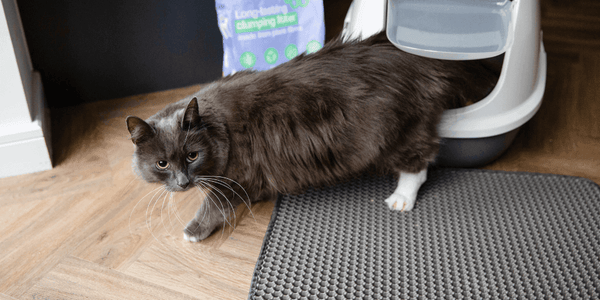
Credit: www.tippaws.com
Common Medical Issues
When your cat starts peeing outside the litter box, it’s natural to wonder if something more serious is going on. Medical issues are often behind this behavior, and catching them early can save your furry friend from discomfort and prevent further problems. Understanding common health concerns can help you spot warning signs and take action quickly.
Urinary Tract Infections
Urinary tract infections (UTIs) are a frequent cause of litter box avoidance. Cats with UTIs feel pain or burning when they urinate, so they may try to go elsewhere to avoid the discomfort associated with the litter box. You might notice your cat going to the box often but producing only small amounts of urine.
If your cat is licking their genital area excessively or seems restless, it could be a UTI. These infections need prompt veterinary care to prevent complications like bladder stones or kidney infections.
Kidney Problems
Kidney issues can also lead to inappropriate urination. When kidney function declines, your cat may urinate more frequently or in larger volumes. This can overwhelm the litter box routine, causing accidents around the house.
Other signs include increased thirst, weight loss, and lethargy. Have you noticed your cat drinking more water than usual? This could be a red flag signaling kidney trouble that needs a vet’s attention.
Diabetes And Other Conditions
Diabetes is another common medical reason behind a cat’s litter box problems. High blood sugar levels cause increased urination and thirst, making it harder for your cat to stick to their usual bathroom habits. You might see your cat urinating in unusual places or outside the box more often.
Other conditions, such as arthritis or bladder stones, can also make using the litter box uncomfortable or painful. Think about whether your cat seems stiff or hesitant to jump into the box—this could be a clue to underlying health issues.
Litter Box Problems
Cats rely heavily on their litter boxes for comfort and hygiene. Problems with the litter box can cause them to avoid it completely. Understanding these issues helps stop unwanted peeing outside the box. Many cats reject their litter box due to cleanliness, type of litter, or the number of boxes available.
Dirty Or Unpleasant Litter
Cats prefer a clean place to do their business. A dirty litter box smells bad and feels uncomfortable. Some cats refuse to use a box if it has old waste or strong odors. Cleaning the box daily and changing litter regularly keeps cats happy. A clean box invites cats to use it without hesitation.
Wrong Litter Type
Not all cats like the same kind of litter. Some prefer fine, soft litter while others want coarse or clumping types. Strong scents or chemicals in litter can irritate cats and make them avoid the box. Trying different kinds can help find one your cat likes. Gentle, unscented litter often works best for sensitive cats.
Inadequate Number Of Boxes
One box is not always enough for multiple cats. Each cat needs its own litter box to feel safe and secure. Lack of enough boxes leads to stress and accidents outside the box. The general rule is one box per cat, plus one extra. Placing boxes in quiet, accessible spots encourages proper use.
Behavioral Reasons
Stress or changes in a cat’s environment often cause them to pee outside the litter box. Territorial marking and anxiety can also lead to this unwanted behavior. Understanding these reasons helps address the issue effectively.
Understanding why your cats might be peeing outside their litter box can be quite puzzling. It’s essential to grasp that behavioral reasons often underlie this issue. Cats, just like humans, have unique personalities and emotions that influence their actions. Let’s dive into some common behavioral reasons behind this perplexing behavior.Stress And Anxiety
Cats are creatures of habit. Any disruption to their routine or environment can trigger stress and anxiety. You might notice your feline friend acting out if there are loud noises, new pets, or even changes in your daily schedule. A friend’s cat started peeing outside the litter box after the arrival of a new puppy. It was her way of expressing unease. Be observant of what might be causing stress for your cat and try to create a calm, predictable environment.Territorial Marking
Cats are territorial animals. If your cat feels its territory is threatened, it may resort to marking its space with urine. This behavior is more common in multi-cat households. If one cat dominates the litter box, the other might feel the need to claim its area elsewhere. Consider providing separate litter boxes for each cat to help alleviate this issue. A simple change like this can reduce territorial tensions significantly.Changes In Environment
Cats are highly sensitive to changes in their environment. Moving to a new home, rearranging furniture, or even a new scent in the house can unsettle them. When I moved apartments, my cat started avoiding the litter box. It turned out the new carpet had a strong smell that bothered her. Gradually introducing changes and maintaining familiar scents can help your cat adjust smoothly. Are there recent changes in your home that might be affecting your cat’s behavior? Paying attention to these subtle signs can help you address their concerns effectively.Solutions To Try
Finding solutions to your cat’s litter box issues takes patience and observation. Small changes in their environment can lead to big improvements. Understanding your cat’s needs and habits helps you create a better setup and reduce accidents. Here are some practical solutions to try that address common causes of this behavior.
Improving Litter Box Setup
Place the litter box in a quiet, easy-to-access area. Avoid noisy or busy spots. Use a litter your cat prefers; some cats like clumping litter, others do not. Keep the box clean by scooping daily and washing weekly. Provide enough litter boxes—one per cat, plus one extra. Consider the box size; bigger boxes give cats more comfort. Try different styles, like covered or uncovered boxes, to see what your cat likes best.
Managing Stress
Stress often causes cats to avoid the litter box. Create a calm environment with safe hiding spots. Keep a regular feeding and playtime schedule. Use pheromone sprays or diffusers to help relax your cat. Avoid loud noises and sudden changes in the home. Introduce new pets or people slowly. Spend quiet time bonding with your cat to build trust and reduce anxiety.
Seeking Veterinary Help
Medical issues can cause inappropriate urination. Urinary tract infections, bladder stones, or kidney problems need treatment. Schedule a vet visit if your cat pees outside the box often. Your vet can run tests to find health problems. Follow prescribed treatments carefully. Early diagnosis helps prevent serious conditions and stops litter box issues caused by pain or discomfort.
Preventing Future Issues
Stopping your cat from peeing outside the litter box can feel like an uphill battle. Preventing future accidents means understanding the root causes and making changes that support your cat’s comfort and health. Small, consistent efforts can make a big difference in keeping your home clean and your cat happy.
Regular Vet Checkups
Health issues often cause litter box problems. Urinary tract infections, kidney disease, or diabetes can make your cat avoid the litter box because of pain or urgency.
Scheduling regular vet visits helps catch these problems early. If your cat suddenly stops using the box, a quick vet check can save you from bigger troubles.
Consistent Cleaning Routine
Cats are clean animals and dislike dirty litter boxes. If the box smells or is full, they may find a new spot to pee.
Clean the litter box daily and change the litter completely every week. Using unscented, clumping litter often works best to keep your cat comfortable.
Creating A Calm Environment
Stress can cause your cat to avoid the litter box. New pets, loud noises, or changes in your routine can make your cat nervous.
Try to keep a quiet, predictable space for your cat’s litter box. Adding extra boxes in different rooms can also help your cat feel secure and reduce accidents.

Credit: www.reddit.com

Credit: www.youtube.com
Frequently Asked Questions
Why Is My Cat Suddenly Peeing Outside The Litter Box?
Cats may avoid the litter box due to stress, illness, or dirty litter. Medical issues like urinary tract infections often cause this behavior. Ensure the box is clean and accessible. Consult a vet to rule out health problems and address stressors in the environment.
How Can I Stop My Cat From Peeing Outside The Box?
Keep the litter box clean and in a quiet, accessible place. Use unscented, clumping litter and provide enough boxes—one per cat plus one extra. Address any medical issues with a vet and reduce stress by maintaining a calm environment.
Can Health Problems Cause Cats To Pee Outside The Litter Box?
Yes, urinary tract infections, bladder stones, and kidney issues can cause inappropriate urination. Pain or discomfort makes cats avoid the box. Always consult your vet if your cat suddenly starts peeing outside the litter box to rule out medical causes.
Does The Type Of Litter Affect Where Cats Pee?
Yes, cats prefer certain litter textures and scents. Unscented, clumping litter is usually best. Experiment with different types to find your cat’s preference. Avoid strong fragrances or dusty litters, as these may discourage use of the litter box.
Conclusion
Cats peeing outside the litter box can feel frustrating. Often, health or stress causes this behavior. Cleaning the box regularly helps a lot. Giving your cat a quiet, clean place matters. Watch for changes in your cat’s habits. Visit a vet if problems continue.
Patience and care improve your cat’s comfort. Understanding your cat’s needs builds trust. Small steps lead to a happy home. Keep trying, and your cat will feel better soon.




Leave a Reply