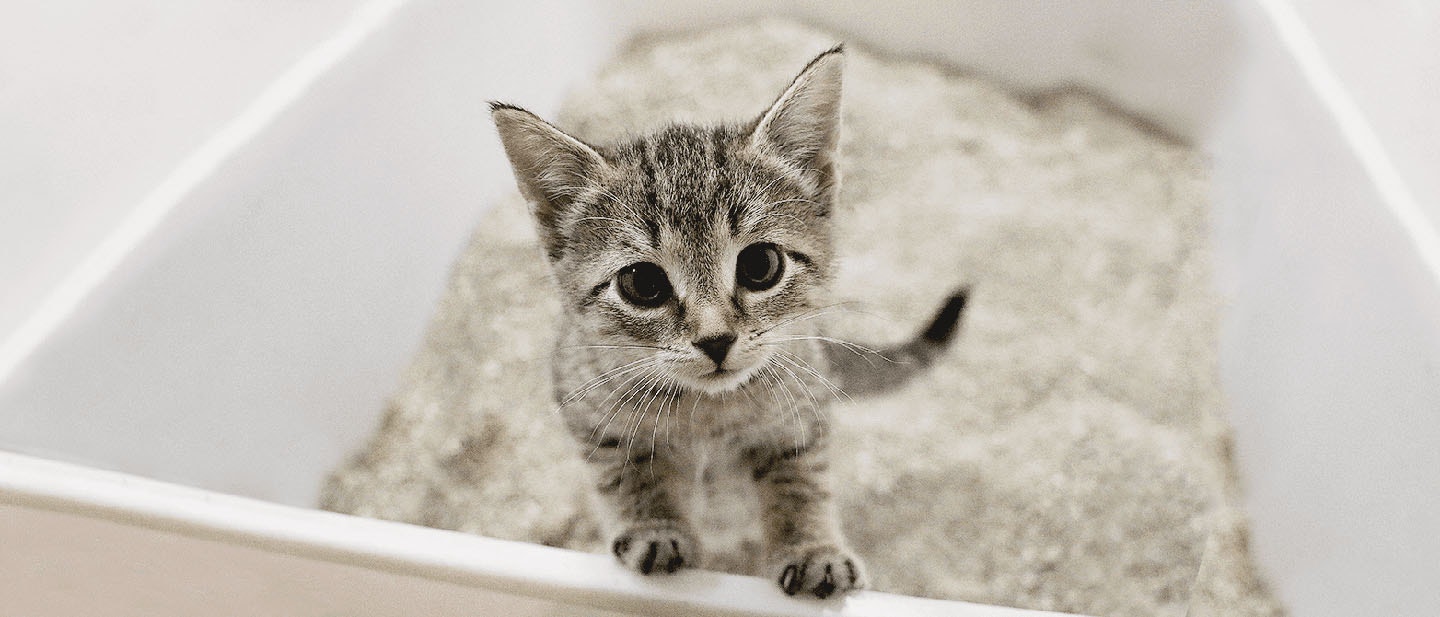
Potty training your cat to use a litter box might seem tricky, but it’s easier than you think. If you want a clean home and a happy pet, teaching your cat this simple habit is key.
Imagine no more surprises on the carpet or your favorite chair. In this guide, you’ll discover clear, step-by-step tips to help your cat feel comfortable and confident with their litter box. Keep reading, and you’ll learn how to make potty training stress-free for both you and your furry friend.
Choosing The Right Litter Box
Choosing the right litter box sets the foundation for successful potty training in cats. It’s not just about picking any box; the size, type, and placement all influence your cat’s comfort and willingness to use it. Understanding these factors can save you time and frustration while making your cat feel at ease.
Size And Type Matters
Your cat needs enough room to turn around and dig comfortably. A box that’s too small can cause stress and avoidance. Larger cats, especially, benefit from bigger boxes with higher sides to contain litter scatter.
Open boxes offer easy access and air circulation but may allow more mess. Covered boxes reduce odors and litter scatter but some cats dislike the enclosed feeling. Pay attention to your cat’s personality—does it prefer privacy or open spaces?
Location Tips
Place the litter box in a quiet, low-traffic area to give your cat privacy. Avoid noisy spots near washing machines or busy hallways. Cats value calm environments for their bathroom breaks.
Think about accessibility—can your cat easily reach the box at any time? If you have a multi-story home, consider placing boxes on different floors to prevent accidents. Have you noticed your cat avoiding certain spots? That might be a sign to relocate the box.
Number Of Boxes
The general rule is to have one more litter box than the number of cats you own. This reduces competition and stress, which can lead to accidents. If you have two cats, aim for three boxes placed in separate areas.
Multiple boxes give your cat options if one is dirty or occupied. This flexibility encourages consistent litter box use. Reflect on your living space—do you have enough room to spread out the boxes comfortably?
Credit: drpashu.com
Selecting The Best Litter
Choosing the right litter can make potty training easier for your cat. Soft, clumping litter often feels more natural and encourages use. Avoid strong scents that might scare your pet away from the box.
Selecting the best litter is crucial for successful cat potty training. Cats can be finicky about their litter. Choosing the right one can make training smoother and more pleasant. Consider factors like litter type, scent, and safety.Types Of Cat Litter
Cat litter comes in various types. Each has its benefits and drawbacks. The most common types include:- Clay: Absorbent but can be dusty.
- Silica Gel: Controls odor but may be more expensive.
- Pine: Natural scent but less clumping ability.
- Corn: Eco-friendly but can be prone to mold.
- Recycled Paper: Dust-free but less absorbent.
Scent And Texture Preferences
Cats have different preferences for scent and texture. Some prefer unscented litter. Others may like a light fragrance. Observe your cat’s reaction to different litters. Texture also plays a big role. Some cats like soft, sandy textures. Others may prefer larger granules. Experiment to find what suits your cat best.Changing Litter Safely
Changing litter should be gradual. Abrupt changes can upset your cat. Mix the new litter with the old. Increase the amount of new litter slowly. This helps your cat adjust without stress. Always keep the litter box clean. Remove waste daily to maintain hygiene. Regular cleaning encourages consistent use.Preparing Your Cat
Preparing your cat for litter box training sets the stage for success. It helps your cat feel safe and comfortable with the new habit. Patience and gentle guidance make this process smoother. Each cat learns at its own pace, so observe and adapt as needed.
Introducing The Litter Box
Place the litter box in a quiet, easy-to-reach spot. Avoid noisy or busy areas that might scare your cat. Show your cat the box and let it sniff around. Keep the box clean and filled with a suitable litter type. Avoid strong scents or clumping litters at first.
Encouraging Exploration
Allow your cat to explore the litter box freely. Use soft praise or gentle petting when near the box. Some cats respond well to light tapping on the litter to spark curiosity. Keep the environment calm and stress-free. Let your cat decide when to use the box.
Recognizing Signs
Watch for signs your cat needs to go, like sniffing or scratching. Restlessness and circling can also indicate the urge to eliminate. Guide your cat to the litter box calmly when you see these signs. Reward with calm praise after successful use. This builds positive habits over time.
Training Techniques
Training your cat to use the litter box can be straightforward if you apply the right techniques. Patience and consistency are key, but understanding specific strategies helps speed up the process. Here’s how you can effectively guide your cat toward litter box success.
Positive Reinforcement
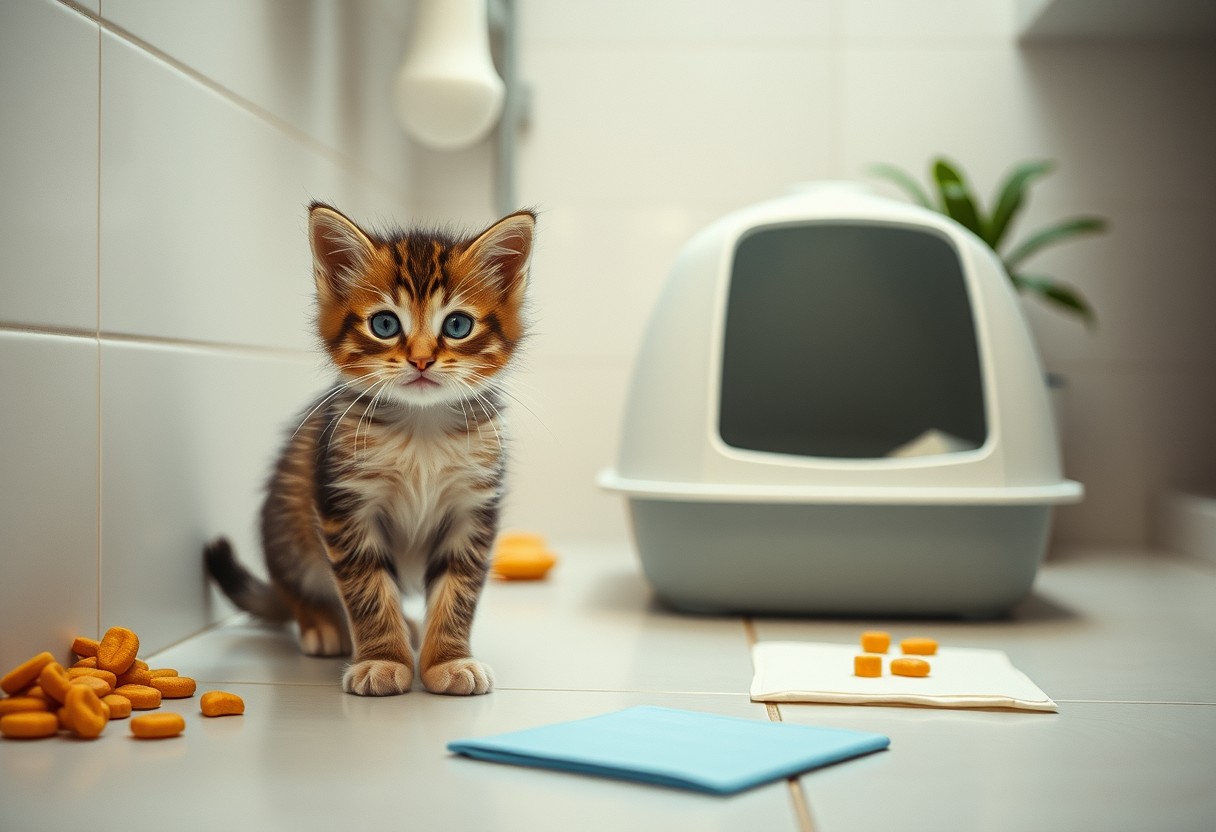
Reward your cat immediately after they use the litter box. This can be in the form of treats, gentle petting, or enthusiastic praise. Cats respond well to positive feedback, which encourages them to repeat the behavior.
Try to keep rewards consistent but avoid overfeeding treats. You want your cat to connect the reward directly with using the litter box, not just receiving food. Have you noticed your cat’s favorite treats? Use those strategically to reinforce good habits.
Handling Accidents
Accidents happen, and how you respond can make a big difference. Avoid punishment or yelling, as this can scare your cat and make the problem worse. Instead, clean the area thoroughly with an enzyme cleaner to remove odors that might attract your cat back to the same spot.
Observe patterns in accidents—is there a certain time or place where they occur? Adjust the litter box location or increase the number of boxes accordingly. Your calm and practical response will help your cat feel safe and learn faster.
Establishing A Routine
Consistency helps your cat understand what you expect. Place your cat in the litter box after meals, playtime, or naps. These are natural moments when cats usually need to go, so timing can boost success.
Keep the litter box clean by scooping daily and changing the litter regularly. Cats dislike dirty boxes and might avoid them if they smell unpleasant. What small changes can you make today to create a more inviting space for your cat?
Dealing With Common Challenges
Potty training your cat in a litter box can be straightforward, but challenges often arise that test your patience. Understanding these common hurdles helps you stay prepared and respond effectively. Let’s look at ways to handle some typical issues that might come up during the training process.
Avoiding Litter Box Aversion
Some cats develop a dislike for their litter box, which can lead to accidents outside it. This usually happens because the box is dirty, too small, or placed in a noisy or busy area. Keep the box clean by scooping at least once a day and washing it weekly.
Try different types of litter to see what your cat prefers. Unscented clumping litter often works best. Also, place the box in a quiet, accessible spot where your cat feels safe.
Have you noticed your cat avoiding the box after a loud event like vacuuming? Cats link experiences quickly. Minimizing stress around the litter box area can prevent aversion.
Managing Multiple Cats
When you have more than one cat, potty training can become more complex. Each cat might have different preferences for litter type and box location. Provide one litter box per cat plus one extra to reduce competition and stress.
Watch for bullying or guarding behavior around the boxes. If one cat is blocking access, try separating the boxes in different rooms. This ensures each cat has its own private space.
Also, clean boxes regularly to avoid odors that might discourage use. Multiple cats mean more waste, so staying on top of cleaning is key.
Addressing Health Issues
Sometimes, litter box problems signal health concerns. If your cat suddenly stops using the box or has accidents, a vet visit is crucial. Conditions like urinary tract infections, bladder stones, or arthritis can make litter box use painful or difficult.
Observe your cat’s behavior closely. Are they straining, vocalizing, or hiding more than usual? These signs mean it’s time for professional advice.
Early detection and treatment can restore your cat’s comfort and cooperation with potty training. Don’t wait until accidents become a habit—act quickly to protect your cat’s health.
Credit: vetic.in
Maintaining Good Habits
Maintaining good habits is key to successful potty training for cats. Consistency helps your cat feel comfortable and confident using the litter box. Keeping a clean and inviting space encourages regular use. Watching your cat’s behavior can alert you to any problems early. Adjustments to the routine ensure your cat stays happy and healthy.
Regular Cleaning
Clean the litter box daily to remove waste and odors. Cats prefer a fresh place to do their business. Use mild soap and warm water to wash the box weekly. Avoid strong scents that may scare your cat away. Keeping the litter box clean reduces accidents outside it.
Monitoring Behavior
Watch your cat for signs of discomfort or avoidance. Changes in how often or where they go can signal issues. Look for scratching, sniffing, or circling near the litter box. Early detection helps you fix problems quickly. Monitoring keeps your cat healthy and stress-free.
Adjusting As Needed
Change the litter type if your cat seems unhappy. Try different box locations to find a quiet, safe spot. Add more litter boxes if you have multiple cats. Adjusting habits helps meet your cat’s needs better. Be patient and flexible for the best results.

Credit: cats-magazine.com
Frequently Asked Questions
How Long Does It Take To Potty Train A Cat?
Potty training a cat usually takes 1 to 3 weeks. Consistency and patience speed up the process. Regularly placing your cat in the litter box helps form good habits. Positive reinforcement encourages quicker learning.
What Type Of Litter Is Best For Training Cats?
Unscented, clumping litter is best for training cats. It mimics natural soil and absorbs odors well. Avoid scented or dusty litters, as cats may reject them. Clean litter daily to maintain hygiene and attract your cat.
How Often Should I Clean The Cat’s Litter Box?
Clean the litter box at least once daily. Removing waste prevents odor and keeps the area inviting. Replace litter fully once a week. Regular cleaning supports your cat’s health and encourages consistent use.
Can Kittens Be Potty Trained In A Litter Box?
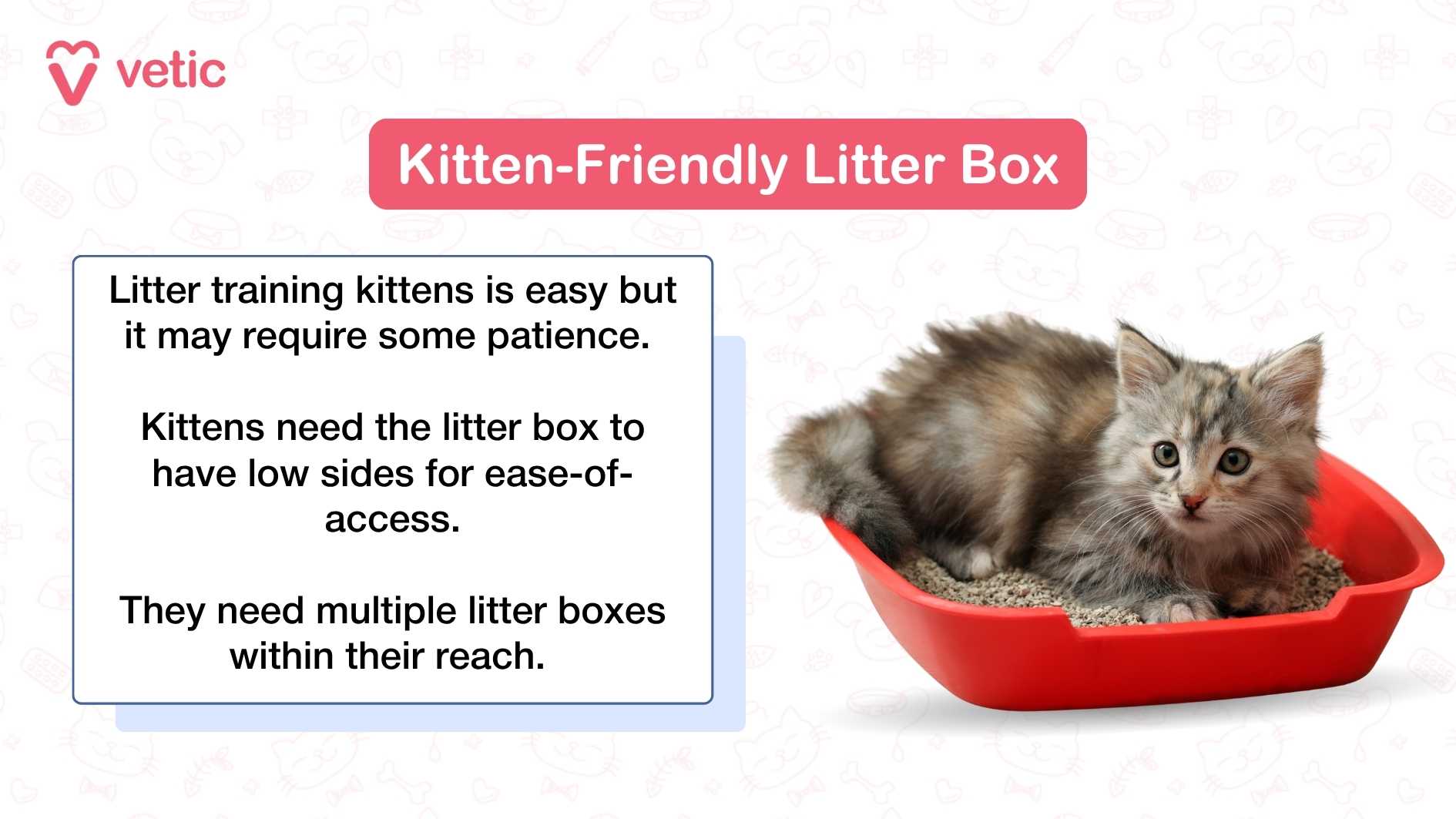
Yes, kittens can be potty trained using a litter box. Start training when they are about 3 to 4 weeks old. Use shallow boxes for easy access. Gently place kittens in the box after meals or naps.
Conclusion
Potty training your cat in a litter box takes time and patience. Keep the box clean and in a quiet spot. Praise your cat when it uses the box correctly. Watch for signs your cat needs to go. Stay calm if accidents happen; they are normal.
With steady care, your cat will learn soon. This makes life easier for both of you. Enjoy the process and your cleaner home.




Leave a Reply