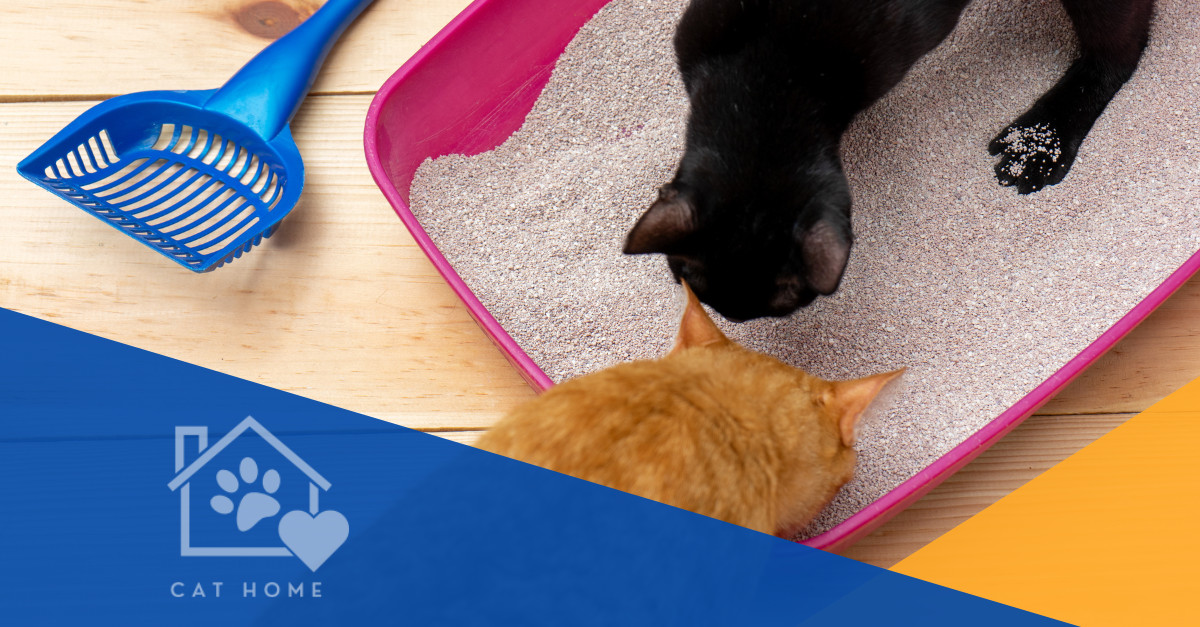
If you have more than one cat, you might be wondering: will cats use the same litter box? This question is more important than it seems.
The answer can affect your cats’ comfort, your home’s cleanliness, and even your wallet. Understanding how cats feel about sharing a litter box can help you avoid common problems like accidents, stress, or bad odors. Keep reading to discover what cats really think about sharing their bathroom space—and how you can make life easier for both you and your furry friends.
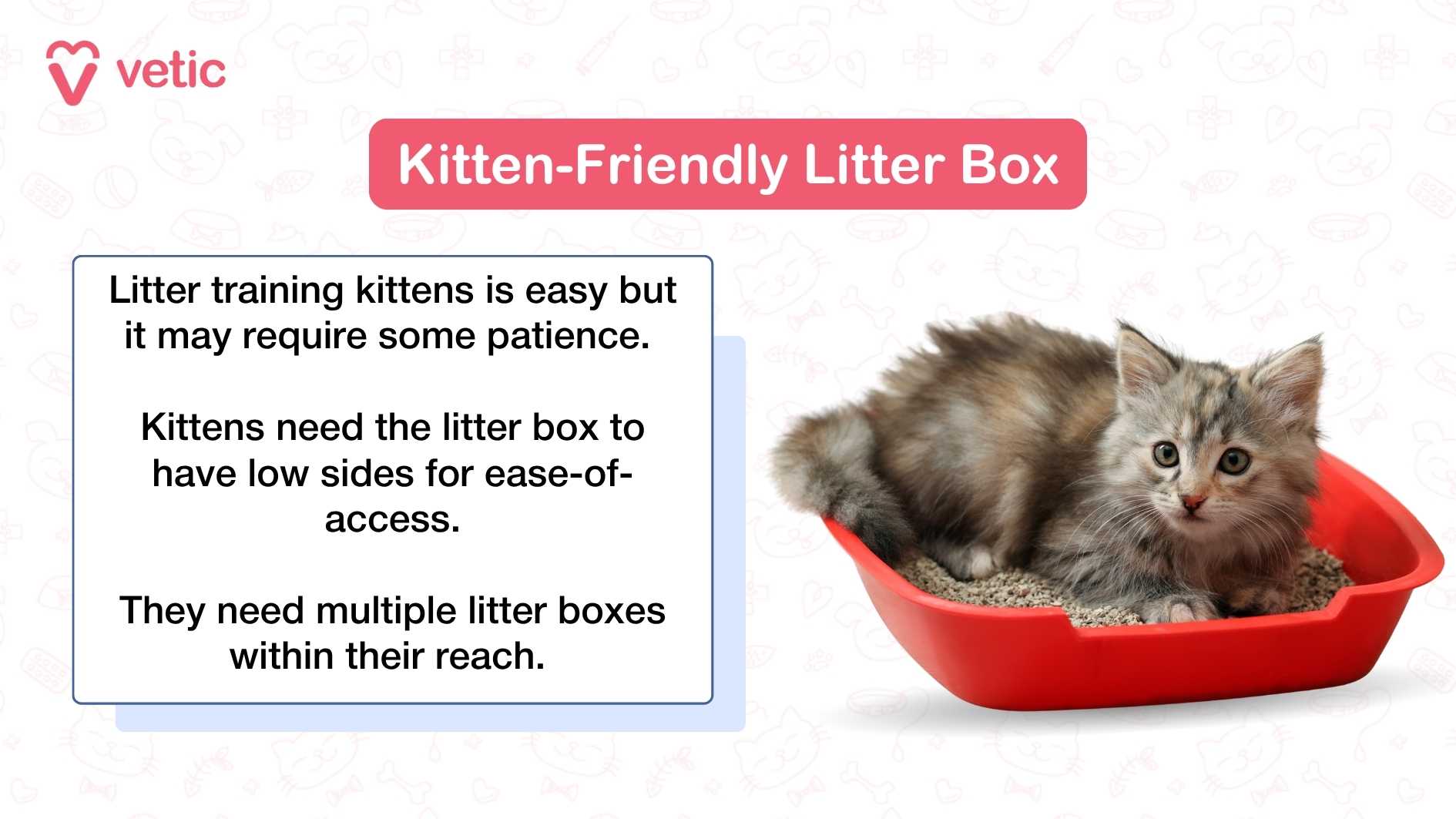
Credit: vetic.in
Cat Behavior And Litter Boxes
Cats have unique habits around their litter boxes. Understanding their behavior helps with managing multiple cats and litter boxes. Their natural instincts and social nature influence their litter box use. This section explores key points about cat behavior and litter boxes.
Territorial Instincts
Cats see their litter boxes as part of their territory. They may avoid sharing if they feel crowded or threatened. Marking territory is important for their sense of security. Some cats guard their boxes from others to protect their space. This behavior affects whether cats will share a litter box or not.
Social Dynamics Among Cats
Cats have different social structures. Some cats get along well and share spaces easily. Others are more solitary and prefer separate areas. Social hierarchy can influence litter box sharing. Dominant cats may claim the best boxes, forcing others to use different ones. Understanding these dynamics helps prevent litter box conflicts.
Litter Box Preferences
Cats often have strong preferences for their litter boxes. They may like certain locations, sizes, or litter types. Some cats refuse to use a box that smells like another cat. Cleanliness is critical; cats avoid dirty boxes. Providing multiple boxes with different options can satisfy their preferences and reduce stress.
Benefits Of Sharing A Litter Box
Sharing a litter box among cats can offer several benefits for pet owners. It can reduce the need for multiple boxes and simplify daily care. Cats that get along well often adapt to using the same litter box without issues. This practice can make life easier and more organized for both cats and their humans.
Space Saving
Using one litter box saves space in your home. It is helpful for small apartments or rooms with limited area. Instead of placing many boxes, you can keep the space tidy. This allows more room for your cats to play and rest. A single, well-maintained box fits better in tight spots.
Ease Of Cleaning
Cleaning one litter box is faster and simpler. It reduces the time spent scooping and changing litter daily. You focus on maintaining one area instead of several. This keeps your cleaning routine straightforward and less tiring. A shared box means fewer supplies and less mess overall.
Risks Of Sharing A Litter Box
Cats sharing a litter box can lead to several risks. These risks may affect their behavior, health, and hygiene. Understanding these risks helps in ensuring a safe environment for your feline friends.
Stress And Aggression
Cats are territorial creatures by nature. Sharing a litter box can lead to stress. It can trigger aggression among them. Cats might fight over the space. This can disturb the harmony at home.
Health Concerns
Sharing a litter box increases the risk of spreading diseases. Cats can pass infections through shared spaces. Parasites and bacteria thrive in dirty litter. This can lead to serious health issues.
Hygiene Issues
A single litter box can get dirty quickly. It can become unhygienic for multiple cats. This might discourage them from using it. Cats may start eliminating outside the box, causing more mess.
How Many Litter Boxes Do You Need?
Determining how many litter boxes to provide is important for a happy cat. Cats need clean, accessible spaces to do their business. Too few boxes can cause stress and accidents. Knowing the right number helps keep your home clean and your cat content.
General Guidelines
Most cats do best with one litter box per cat, plus one extra. This means if you have one cat, provide two boxes. Two cats require three boxes. This extra box helps avoid competition and keeps boxes cleaner longer.
Place boxes in quiet, separate locations. Avoid placing them near food or water bowls. Clean boxes daily to encourage use. Cats dislike dirty litter and may avoid the box if it smells bad.
Adjusting For Multiple Cats
Some cats share boxes comfortably. Others prefer their own space. Watch your cats for signs of stress or avoidance. If one cat blocks access to a box, add more boxes in different spots.
Different cats may like different types of litter. Consider offering a variety to satisfy all your pets. Keep boxes out of busy areas to reduce anxiety and ensure privacy.
Choosing The Right Litter Box
Choosing the right litter box is essential to keep your cat comfortable and maintain a clean home. A poorly chosen box can lead to accidents or even your cat avoiding the litter box altogether. Let’s look at some key factors that will help you pick the best one for your feline friend.
Size And Design
Your cat needs enough space to move around and dig comfortably. Small boxes can feel cramped, especially for larger breeds or older cats. Consider a litter box that is at least one and a half times the length of your cat from nose to tail.
Design matters too. Covered boxes offer privacy but can trap odors and make some cats feel confined. Open boxes provide ventilation and are easier to clean but might scatter litter outside. Have you noticed if your cat prefers more privacy or open space?
Type Of Litter
The litter you choose can make or break your cat’s litter box experience. Clumping litter is popular because it makes cleaning easier, but some cats dislike its texture. Non-clumping litter may reduce dust but requires more frequent changing.
Pay attention to scents as well. Strong fragrances can deter cats from using the box. Try unscented options and observe your cat’s reaction. Your cat’s preference can surprise you.
Location Tips
Where you place the litter box plays a big role in your cat’s willingness to use it. It should be in a quiet, low-traffic area where your cat feels safe. Avoid placing it near food or water bowls as cats dislike eliminating near their eating area.
Accessibility is key, especially for older or less mobile cats. Think about how easy it is for your cat to reach the box without obstacles. Have you considered adding multiple boxes if you have more than one cat or a large home?
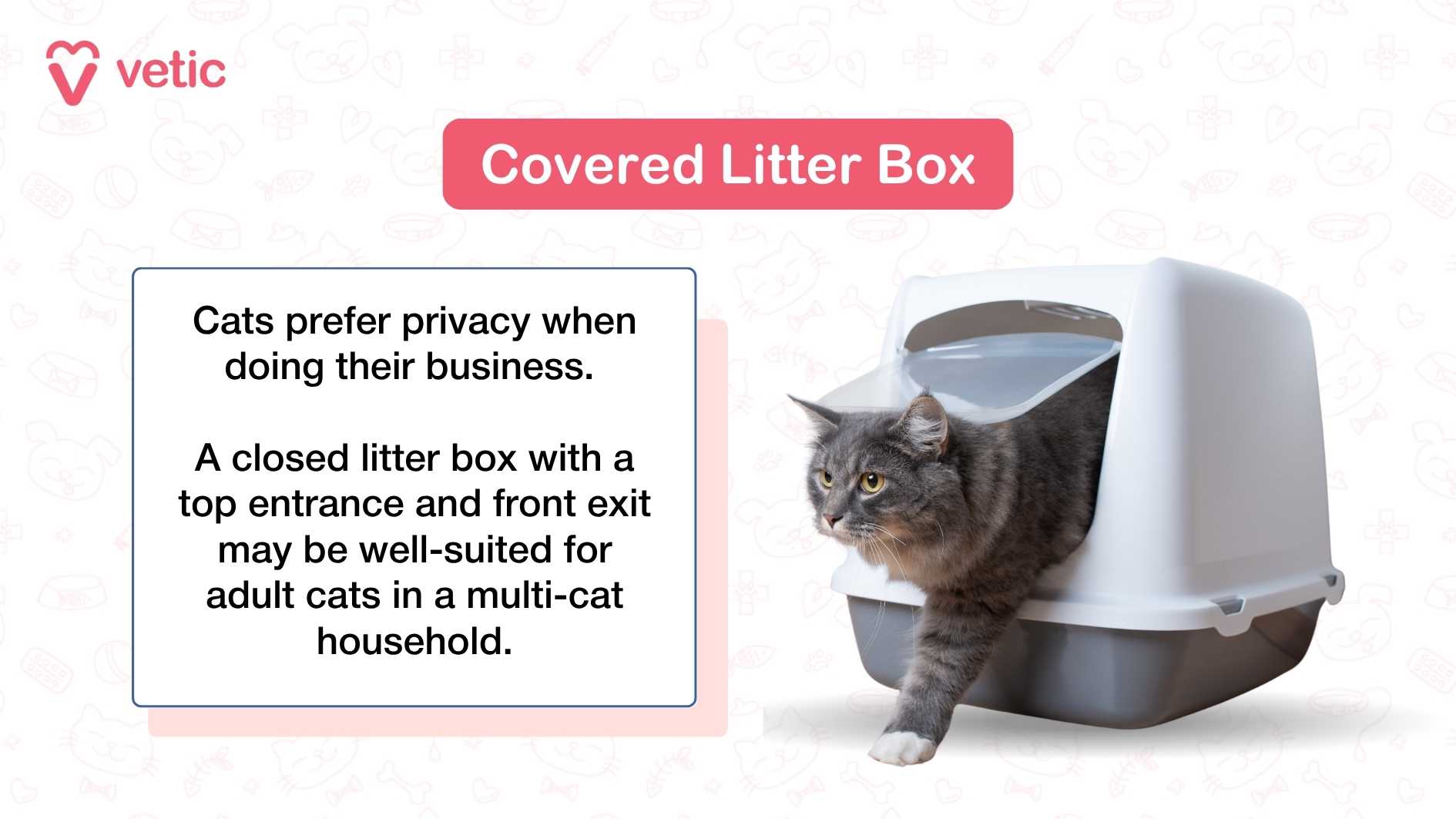
Credit: vetic.in
Training Cats To Share Litter Boxes
Training cats to share litter boxes can be a delicate process, especially if you have multiple cats with different personalities. It requires patience and careful observation to ensure everyone feels comfortable and stress-free. By taking the right steps, you can help your cats coexist peacefully and maintain good litter box habits.
Introducing New Cats
When bringing a new cat into your home, start by giving it its own litter box in a quiet, separate area. This helps reduce territorial disputes and allows both cats to get used to each other’s scent gradually. After a few days, try placing the boxes closer together to encourage sharing without pressure.
Monitoring Behavior
Watch closely for signs of stress or aggression around the litter boxes. If you notice one cat blocking access or another avoiding the box, it’s a sign you need to adjust the setup. Keep extra boxes around so cats have options, and make sure all are kept clean to prevent any avoidance issues.
Encouraging Positive Habits
Reward your cats with treats or affection when they use the litter box calmly and without conflict. You can also try using pheromone sprays near the boxes to create a calming environment. Have you noticed your cats reacting differently to certain litter types? Experimenting with textures or scents can make sharing easier for them.
Cleaning And Maintenance Tips
Keeping your cat’s litter box clean is essential for their health and comfort. A well-maintained box encourages your cat to use it consistently. It also helps keep your home fresh and odor-free. Regular cleaning prevents bacteria buildup and keeps the litter fresh.
Daily Cleaning Routine
Remove clumps and solid waste every day. Use a scoop with small holes to sift clean litter. Dispose of waste in a sealed bag to avoid smells. Stir the remaining litter to keep it fresh and dry. Check the litter level and add more if needed.
Deep Cleaning Techniques
Empty the entire litter box once a week. Wash the box with warm water and mild soap. Avoid strong chemicals that can harm your cat or leave smells. Rinse thoroughly and dry the box completely before adding fresh litter. Consider replacing old litter with new, unscented litter for better comfort.
Managing Odors
Use unscented or lightly scented litter to control smells naturally. Place the litter box in a well-ventilated area. Sprinkle a thin layer of baking soda under the litter to absorb odors. Clean around the box regularly to prevent smell buildup. Replace the litter frequently to keep the area fresh and inviting for your cat.

Credit: catanddoghouse.com
Frequently Asked Questions
Will Cats Share One Litter Box Comfortably?
Cats can share a litter box, but it depends on their personalities. Some cats prefer separate boxes to avoid stress. Providing multiple boxes helps reduce territorial disputes and keeps cats comfortable. Cleanliness and box size also affect their willingness to share a litter box.
How Many Litter Boxes Do Multiple Cats Need?
A good rule is one litter box per cat plus one extra. This reduces competition and prevents accidents outside the box. Multiple boxes ensure each cat has easy access, maintaining hygiene and reducing stress. It supports harmonious multi-cat households effectively.
Can Sharing A Litter Box Cause Health Issues?
Sharing litter boxes can increase risks of infections and parasites spreading. Cats may also develop stress-related problems from overcrowding. Regular cleaning and providing multiple boxes help prevent health issues. Monitoring cats for any signs of discomfort or illness is essential.
Why Do Some Cats Refuse To Share Litter Boxes?
Cats are territorial and may feel stressed sharing a box. Different preferences in litter type or box cleanliness can cause refusal. Providing separate boxes in quiet locations helps cats feel secure and encourages proper litter use.
Conclusion
Cats can share a litter box, but it depends on the cats. Some cats like to use the same box, while others prefer their own. Cleanliness is very important to keep cats happy. Watch your cats’ behavior to see what they prefer.
Having extra boxes can reduce stress and mess. Remember, each cat is different and needs attention. Keeping the litter box fresh helps avoid problems. A calm and clean space makes cats feel safe. Choose what works best for your cats and home.



Leave a Reply