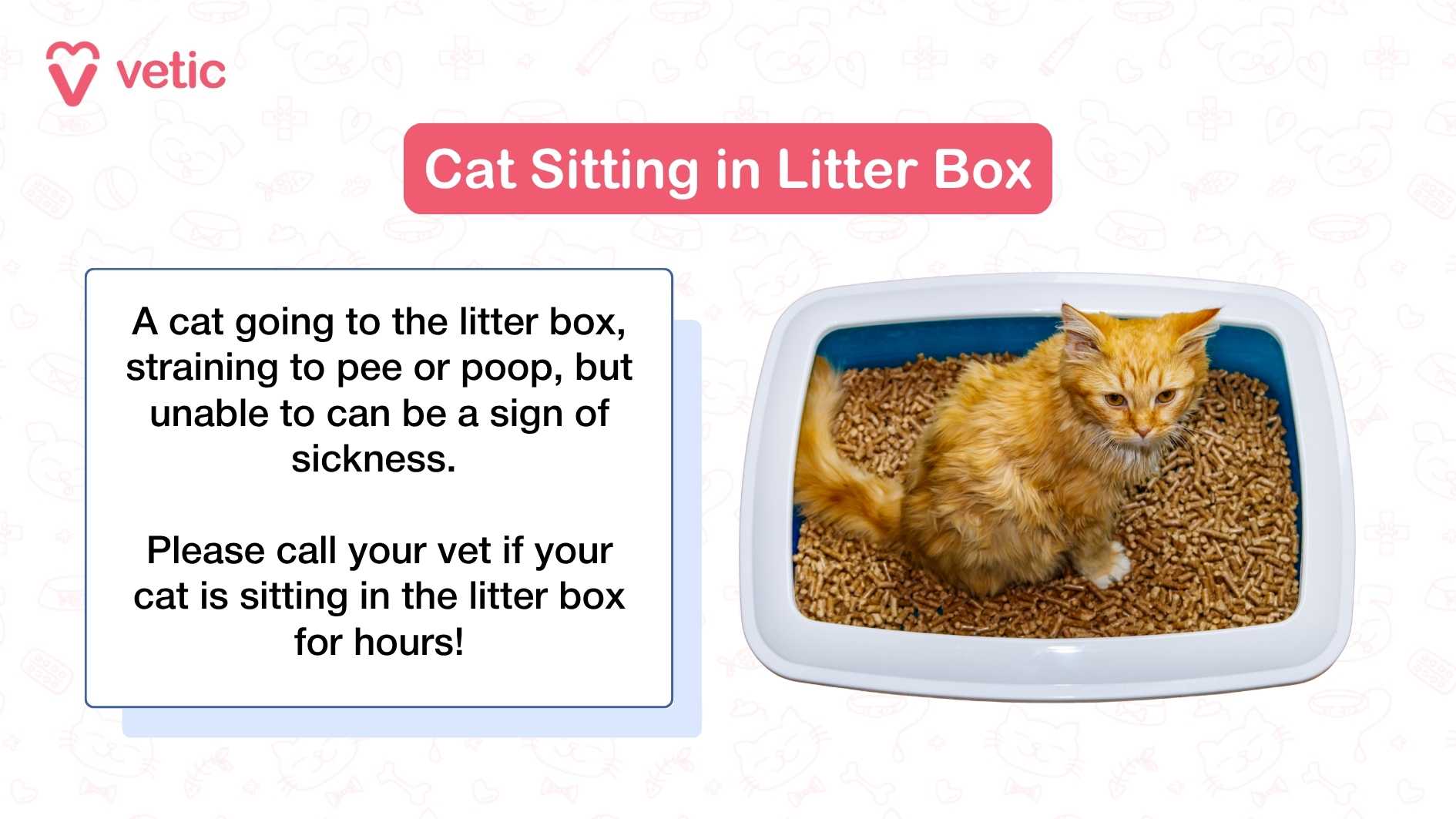
Have you ever found your cat’s poop right next to the litter box instead of inside it? It’s confusing and frustrating, especially when you keep the box clean.
You might wonder why your furry friend is acting this way and what it means for your home. Understanding the reasons behind this behavior can help you fix the problem quickly and keep your cat happy. Keep reading to discover the surprising causes and easy solutions that can make a big difference for you and your pet.
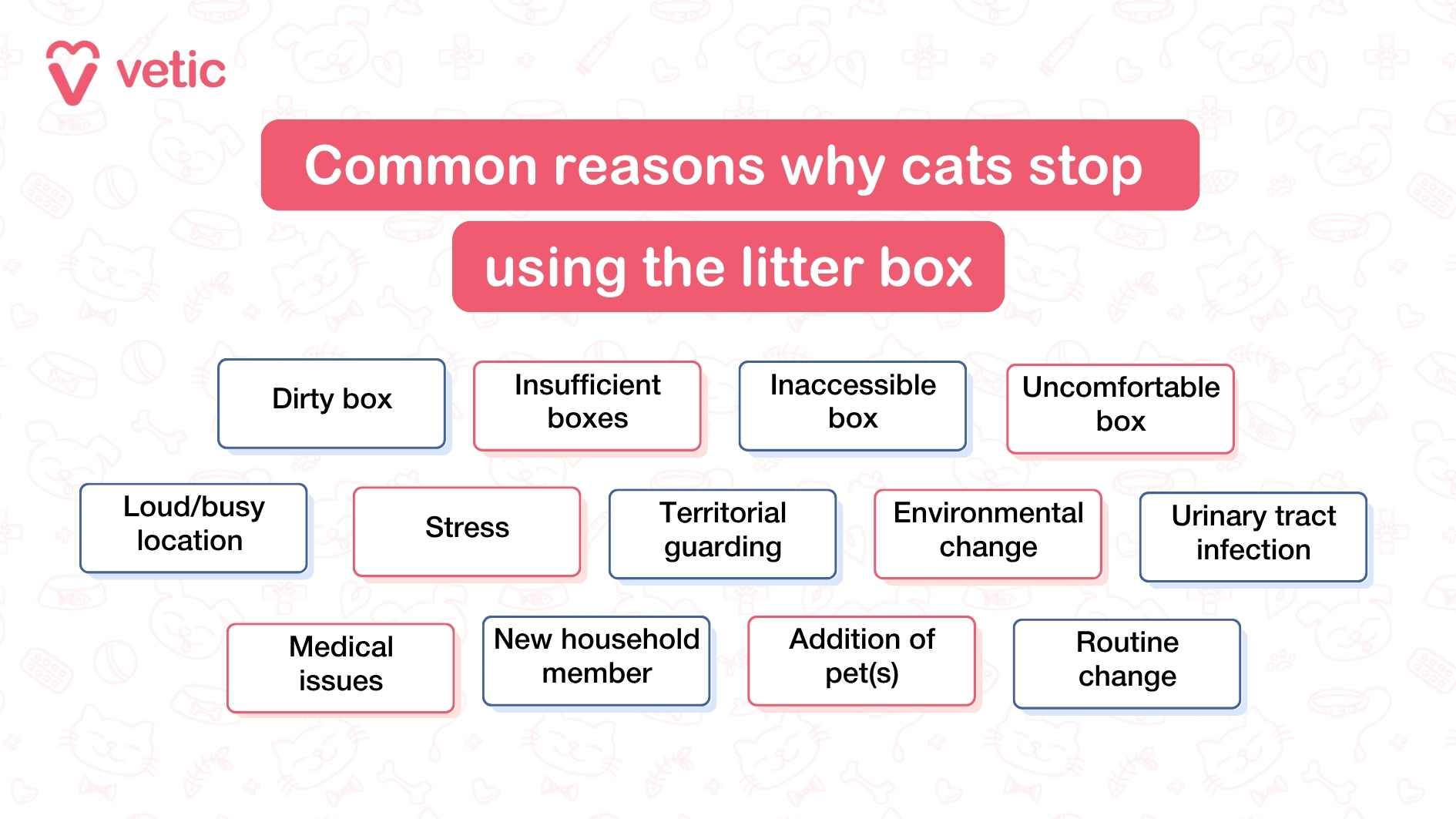
Credit: vetic.in
Common Litter Box Issues
Understanding why your cat poops next to the litter box often starts with looking at common litter box issues. Cats are particular creatures, and small problems with their litter setup can lead to big frustrations for both of you. Addressing these issues can help you create a comfortable space that your cat actually wants to use.
Dirty Litter Box
Have you checked how clean your cat’s litter box is lately? Cats dislike using a dirty box, and if it’s not scooped daily, they may choose to go elsewhere. Even if you think it’s clean enough, your cat’s nose might tell a different story.
Try cleaning the box more frequently and observe if your cat returns to using it. Sometimes, just a little extra effort in maintenance can make a huge difference in their behavior.
Wrong Litter Type
Your cat’s litter preference can surprise you. Some cats prefer fine, clumping litter while others might dislike the smell or texture of certain brands. If your cat suddenly starts pooping outside the box, consider experimenting with different litter types.
Switching to unscented or natural litter often works better for sensitive cats. Have you noticed if your cat avoids the box after you changed the litter brand or type?
Box Size And Location
The size and location of the litter box matter more than many pet owners realize. A box that’s too small can feel cramped and uncomfortable, discouraging your cat from using it. Likewise, placing the box in a noisy or busy area can create stress.
Think about moving the box to a quiet, accessible spot and upgrading to a larger box if needed. Could your cat be seeking privacy or simply more space when it chooses to go outside the box?
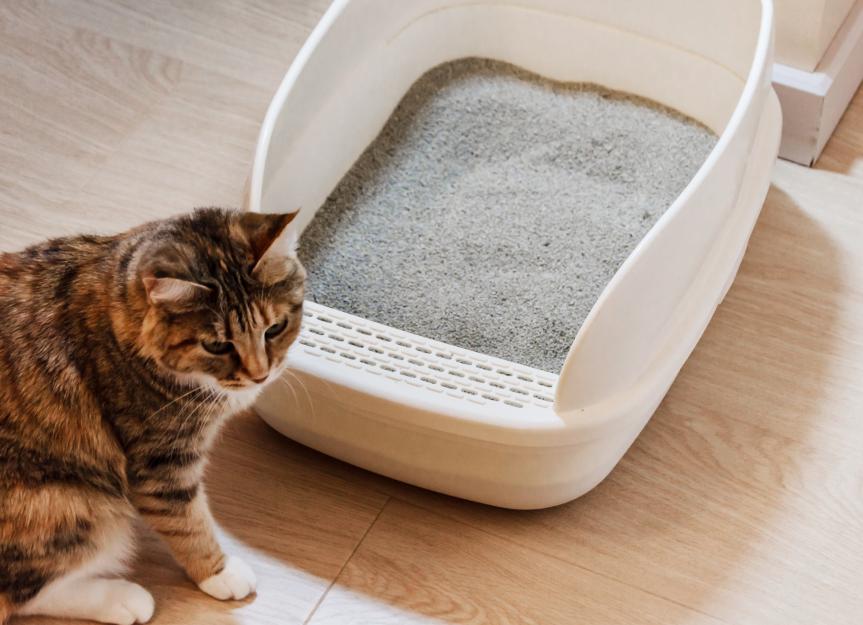
Credit: www.petmd.com
Health Problems In Cats
Noticing your cat pooping outside the litter box can be frustrating. Sometimes, health problems might be the hidden cause behind this behavior. Understanding these issues can help you provide the right care and improve your cat’s comfort.
Digestive Disorders
Digestive problems can make it hard for your cat to control bowel movements. Conditions like constipation, diarrhea, or inflammatory bowel disease may cause discomfort or urgency. Your cat might choose to poop near the litter box rather than inside it because they feel pain or stress while using the box.
Have you observed any changes in your cat’s stool consistency or frequency? These signs often hint at underlying digestive issues that need veterinary attention.
Urinary Tract Infections
Urinary tract infections (UTIs) are common in cats and often cause discomfort when urinating. While UTIs primarily affect urination, the pain can make your cat avoid the litter box altogether, sometimes leading them to poop nearby instead.
If your cat is straining or vocalizing during bathroom trips, it’s time to consult a vet. Ignoring UTIs can lead to more serious complications that affect your cat’s overall behavior.
Pain Or Discomfort
Any pain your cat experiences while using the litter box can cause them to avoid it. Arthritis, injury, or other physical discomforts may make the act of entering or squatting in the box difficult.
Observe your cat’s movements closely. If they seem hesitant or uncomfortable near the box, consider whether pain might be the reason behind their unusual pooping habits.
Behavioral Causes
Cats are known for their mysterious behaviors. One puzzling action is pooping outside the litter box. Various behavioral causes might explain this behavior. Understanding these reasons can help manage the situation better.
Stress And Anxiety
Cats are sensitive creatures. Stress can trigger unusual behaviors. New pets or loud noises may cause anxiety. This stress might lead them to avoid the litter box. Observe your cat’s environment. Identify any recent changes that might affect its mood.
Territorial Marking
Territorial instincts are strong in cats. Pooping outside the litter box can be a sign of marking territory. This behavior is common in multi-cat households. Cats may feel the need to assert dominance. Ensure each cat has its own litter box to reduce territorial disputes.
Changes In Environment
Even minor changes can unsettle a cat. Moving furniture or changing routine can confuse them. Cats prefer a stable environment. If the litter box’s location changes, a cat might react by pooping nearby. Keep their environment consistent to prevent this.
Solutions To Prevent Outside Pooping
Finding your cat pooping outside the litter box can be frustrating, but there are practical ways to encourage better habits. Solving this issue often starts with simple changes around the litter area and paying attention to your cat’s needs. Let’s look at effective solutions that can help keep your cat’s bathroom habits where they belong.
Cleaning And Maintenance Tips
Dirty litter boxes are a common reason cats avoid using them. Clean the box at least once a day and do a full litter change weekly. Cats have sensitive noses, so even a slight odor can push them away.
Make sure to wash the litter box with mild soap and warm water regularly to remove any lingering smells. Using unscented litter can also make a big difference. Have you noticed how your cat reacts to strong-smelling cleaners? That’s a sign to switch to gentler options.
Choosing The Right Litter Box
Size and style matter. A box that’s too small or hard to enter can discourage your cat. If you have a larger cat, opt for a roomy box with low sides for easy access.
Some cats prefer covered boxes, while others feel trapped and avoid them. Try different types to see what your cat likes. You might be surprised by how a simple switch can solve the problem.
Also, consider the number of litter boxes. The rule of thumb is one box per cat, plus one extra. This ensures your cat always has a clean spot to go, even if one box is dirty.
Addressing Health Concerns
Sometimes, outside pooping signals health issues like urinary tract infections or digestive problems. If your cat suddenly changes bathroom habits, a vet visit is crucial. Ignoring this can lead to worse problems for your cat’s health.
Stress and anxiety also play a role. Changes in the home, new pets, or loud noises can upset your cat. Creating a calm environment and providing hiding spots helps reduce stress and encourages proper litter box use.
Have you tracked when and where your cat poops outside the box? Patterns may reveal triggers related to health or stress that you can address.
When To Consult A Veterinarian
Knowing when to consult a veterinarian is crucial if your cat poops outside the litter box. This behavior could point to health problems or stress. Early action can prevent serious issues and help your cat feel better quickly.
Signs Of Serious Illness
Watch for these signs that need a vet’s attention:
- Blood in the stool or urine
- Straining to poop or urinate
- Frequent accidents outside the box
- Sudden loss of appetite or weight
- Lethargy or unusual hiding
- Vomiting or diarrhea lasting more than one day
These symptoms may indicate infections, bladder stones, or other health issues. A vet can diagnose and treat these conditions properly.
Behavioral Therapy Options
Sometimes, litter box problems stem from stress or anxiety. A vet can suggest behavioral therapy to help your cat. Techniques include:
- Changing the litter type or box location
- Using calming sprays or diffusers
- Creating a quiet, safe environment
- Establishing a regular feeding and cleaning schedule
- Positive reinforcement for good litter box use
Behavioral therapy can improve your cat’s comfort and reduce accidents over time.

Credit: www.aol.com
Frequently Asked Questions
Why Does My Cat Poop Outside The Litter Box?
Cats may poop outside due to stress, dirty litter, or medical issues. Changes in environment or litter type can cause avoidance. Consult a vet if behavior persists.
How Can I Stop My Cat From Pooping Beside The Box?
Keep the litter box clean and place it in a quiet area. Use unscented, clumping litter and ensure enough boxes for multiple cats.
Does Litter Box Size Affect Where Cats Poop?
Yes, cats prefer spacious litter boxes. Small or covered boxes may feel cramped, causing them to poop outside. A large, open box encourages proper use.
Can Health Problems Cause Cats To Poop Next To The Litter Box?
Yes, issues like constipation, infections, or arthritis can make litter box use painful. Always consult a vet if your cat suddenly changes bathroom habits.
Conclusion
Cat pooping outside the litter box can be frustrating. It often signals a problem with the box, location, or health. Clean the litter box regularly and check its size. Place it in a quiet, low-traffic area for your cat’s comfort.
Watch for signs of illness and visit a vet if needed. Patience and understanding help solve this issue. Small changes can make a big difference in your cat’s habits. Keep observing and adjusting to keep your home clean and your cat happy.



Leave a Reply