Have you ever come home to find a surprise mess outside your cat’s litter box? It’s frustrating and confusing.
You might wonder, “Why is my cat pooping outside the litter box? ” Understanding the reasons behind this behavior can help you fix the problem quickly. You’ll discover common causes and easy solutions to get your cat back on track.
Keep reading—your home (and your nerves) will thank you!
Common Causes
Understanding why your cat chooses to poop outside the litter box can be frustrating. The reasons often boil down to a few common causes that you can address. Identifying the root cause is the first step to fixing the problem and keeping your home clean.
Medical Issues
Health problems are a major reason cats avoid their litter box. Conditions like urinary tract infections, constipation, or gastrointestinal issues can make using the box painful or uncomfortable. If your cat suddenly changes their bathroom habits, a vet visit is essential to rule out medical causes.
Ignoring health issues won’t solve the problem. Pain or discomfort might lead your cat to associate the litter box with negative experiences. Have you noticed your cat straining or vocalizing while trying to poop? These signs indicate you should consult your vet immediately.
Litter Box Problems
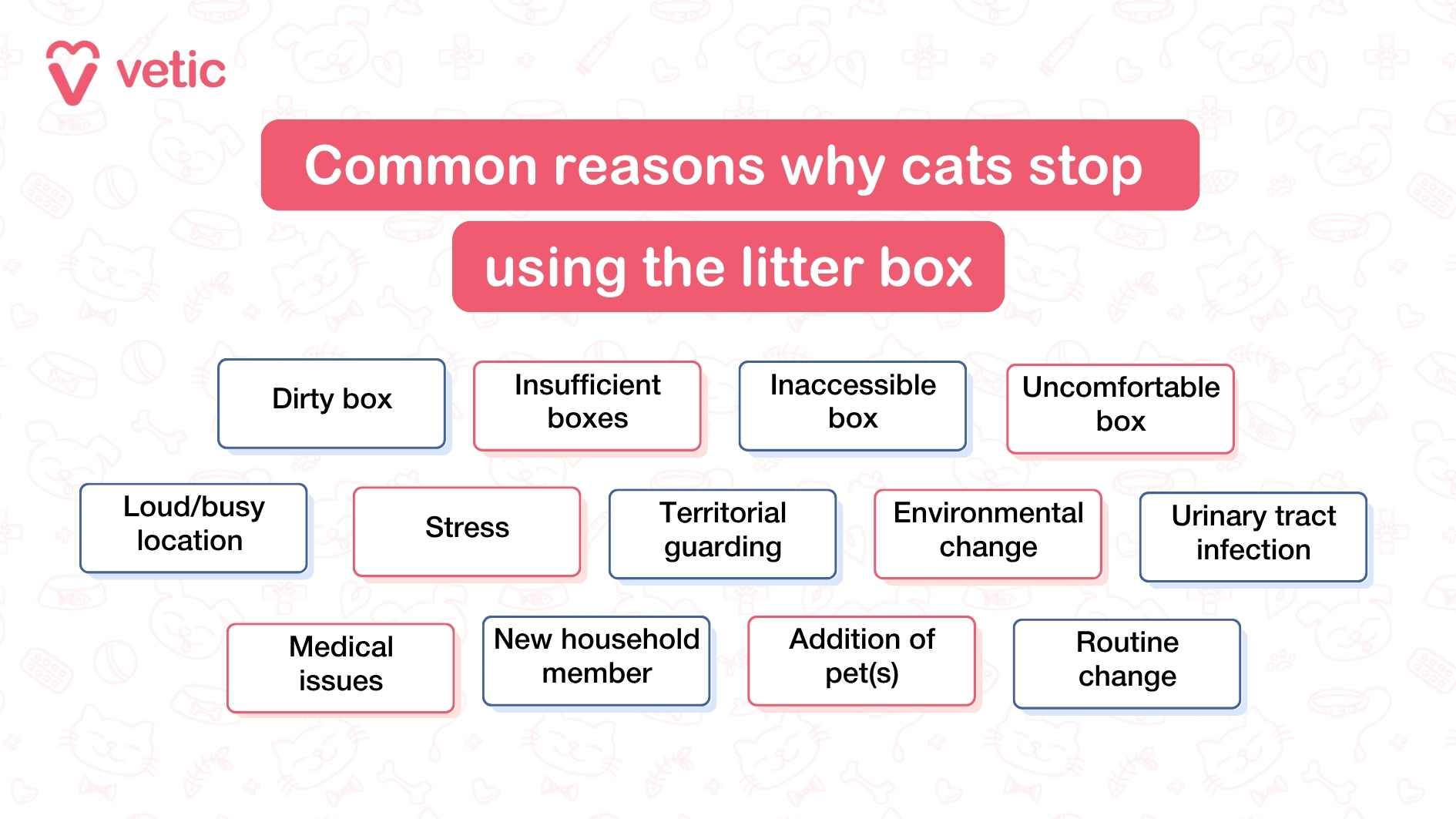
Your cat’s litter box setup plays a huge role in their bathroom behavior. Dirty litter boxes, wrong litter types, or boxes placed in noisy or hard-to-reach spots can push your cat away. Cats are clean creatures, and a messy box might feel like a no-go zone.
- Is the box cleaned daily?
- Are you using the litter your cat prefers?
- Is the box in a quiet, accessible place?
Think about your own habits—would you use a restroom that’s dirty or uncomfortable? Chances are, your cat feels the same way. Try providing multiple boxes if you have several cats, as territorial issues can arise too.
Stress And Anxiety
Stress can cause many changes in your cat’s behavior, including litter box avoidance. New pets, changes in household routine, or even loud noises can make your cat anxious. This anxiety might lead them to seek out new places to relieve themselves.
Have you recently moved or added a new family member? Cats thrive on routine, and disruptions can unsettle them. Providing a calm environment and maintaining consistent litter box care can help reduce anxiety-driven accidents.
Environmental Factors
Environmental factors play a big role in whether your cat feels comfortable using the litter box. Cats are sensitive creatures and even small changes around their bathroom spot can cause them to avoid it. Understanding these factors can help you create a space that invites your cat back to the box.
Dirty Litter Boxes
Have you ever hesitated to use a restroom because it wasn’t clean? Your cat feels the same way. A litter box that isn’t cleaned regularly can quickly become off-putting.
Make it a habit to scoop the box daily and change the litter completely every week or two. This keeps odors down and the box fresh, encouraging your cat to use it consistently.
Location Of The Litter Box
Where you place the litter box matters more than you might think. Cats prefer quiet, low-traffic areas where they can feel safe and undisturbed.
If your box is near loud appliances, busy hallways, or places with frequent visitors, your cat might seek a more peaceful spot. Try moving the box to a calm corner, away from noise and foot traffic, and watch if your cat’s behavior improves.
Type Of Litter Used
Not all litter is created equal in the eyes of your cat. Some prefer fine, clumping litter while others might dislike scented or rough-textured options.
Have you noticed your cat avoiding the box after you changed the litter brand? Experiment with different types to find one that your cat likes. Sometimes switching to a natural, unscented litter can make a big difference.
Behavioral Triggers
Cats may poop outside the litter box due to stress or changes in their environment. Certain triggers like loud noises or new pets can cause this behavior. Understanding these signs helps improve your cat’s comfort and litter habits.
Cats sometimes poop outside the litter box due to behavioral triggers. These actions often confuse and frustrate pet owners. Understanding the underlying reasons can help address the issue effectively.Marking Territory
Cats are territorial animals. They might use poop to mark their space. This behavior usually happens when a new pet arrives. The cat wants to assert dominance or feel secure. It’s their way of saying, “This is mine.”Changes In Routine
Cats dislike sudden changes. A new schedule can upset them. Moving to a new home or rearranging furniture might trigger stress. This stress can lead to litter box avoidance. They prefer stability and predictability.Attention-seeking
Cats crave attention. If they feel ignored, they might act out. Pooping outside the litter box can be a call for attention. They might be trying to communicate dissatisfaction. Spending quality time with your cat can help.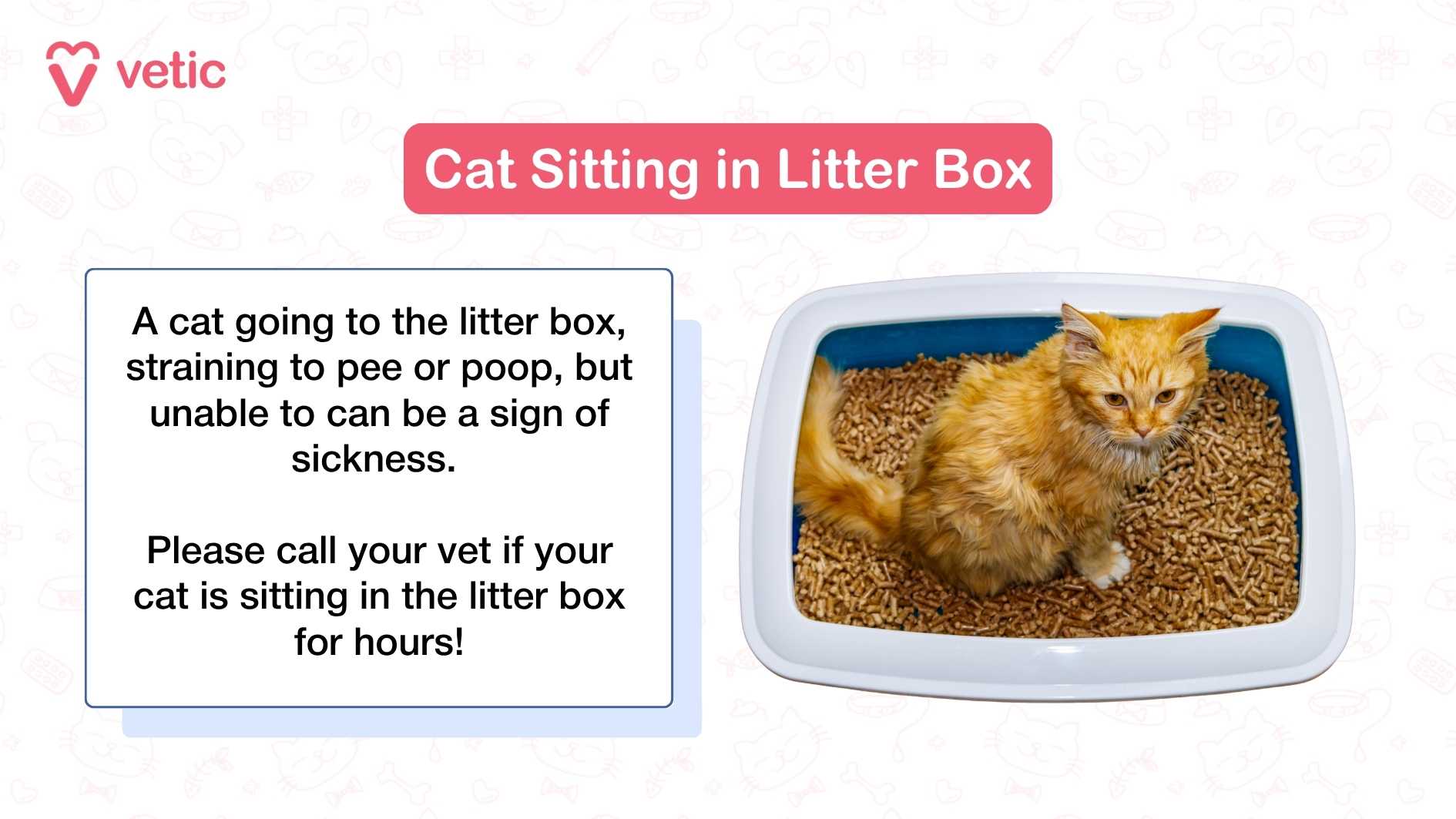
Credit: vetic.in
Solutions And Tips
Dealing with a cat that poops outside the litter box can be frustrating, but there are practical ways to address this behavior. Understanding how to properly maintain the litter area, choose the right box, and reduce your cat’s stress can make a big difference. Let’s dive into some effective solutions and tips to help your cat feel comfortable and keep your home clean.
Cleaning And Maintenance
Keeping the litter box clean is crucial. Cats are very particular about hygiene and often avoid dirty boxes.
- Scoop waste at least once a day to keep the box fresh.
- Wash the litter box with mild soap and water weekly to remove odors and bacteria.
- Avoid strong-smelling cleaners that might deter your cat from using the box.
Have you noticed your cat sniffing around the box and then walking away? That might be a sign the box needs cleaning.
Choosing The Right Litter Box
Not all litter boxes suit every cat. Size, shape, and style matter. Your cat should have enough room to turn around comfortably.
- Consider an uncovered box if your cat dislikes feeling trapped.
- Try different types of litter—some cats prefer fine-grain, others clumping or natural materials.
- Place multiple boxes in different quiet, accessible locations if you have more than one cat.
Does your cat hesitate before entering the box? It might be the box design or location causing discomfort.
Reducing Stress For Your Cat
Stress can cause cats to avoid the litter box. Changes in the environment, new pets, or loud noises can trigger this behavior.
- Create a calm, safe space where your cat can retreat without disturbance.
- Keep a consistent daily routine to help your cat feel secure.
- Use pheromone diffusers or calming sprays to reduce anxiety.
Think about recent changes in your home. Could they be affecting your cat’s comfort level?
When To Consult A Vet
Knowing when to consult a vet is crucial if your cat starts pooping outside the litter box. Sometimes, this behavior points to health problems that need immediate attention. Other times, it might be about your cat’s feelings or environment, but getting a professional opinion can save you time and stress.
Identifying Health Problems
If your cat suddenly stops using the litter box, think about possible health issues first. Conditions like urinary tract infections, constipation, or gastrointestinal problems can make your cat avoid the box because it hurts to go. You might notice signs like straining, blood in the stool, or excessive licking around the rear.
Don’t wait too long—these symptoms can worsen quickly. A vet visit can diagnose issues with simple tests and offer treatments that restore comfort. Have you seen your cat acting restless or hiding more than usual? These can be subtle clues pointing to pain or illness.
Behavioral Assessments
Sometimes, the problem isn’t medical but behavioral. Stress from changes in your home, a new pet, or even a dirty litter box can push your cat to go elsewhere. If your vet rules out health problems, they might help you explore stressors or anxiety triggers.
Tracking when and where your cat poops outside the box can help identify patterns. Is it near a loud appliance or a busy doorway? This information guides your vet or a cat behaviorist to suggest changes. Have you tried adding extra litter boxes or changing their location to see if it helps?
Credit: vetic.in
Credit: vetic.in
Frequently Asked Questions
Why Do Cats Avoid Their Litter Box Sometimes?
Cats may avoid the litter box due to stress, illness, or dirty conditions. They prefer clean, quiet places. Changes in routine or environment also cause avoidance. Understanding these triggers helps in addressing the problem effectively.
How Can Litter Box Cleanliness Affect Cat Behavior?
Cats dislike dirty litter boxes and may poop outside if it’s not clean. Regular scooping and cleaning prevent odor buildup. Maintaining hygiene encourages proper litter box use and reduces accidents around the house.
Can Medical Issues Cause Cats To Poop Outside The Litter Box?
Yes, medical problems like infections or constipation can cause accidents. If your cat suddenly stops using the litter box, consult a vet. Early diagnosis and treatment can resolve the issue quickly.
What Role Does Litter Type Play In Cat’s Litter Box Use?
Cats have preferences for litter texture and scent. Using the wrong type can cause avoidance. Experiment with different litters to find one your cat likes, improving their comfort and usage.
Conclusion
Cats may poop outside the litter box for many reasons. Stress, illness, or a dirty box often cause this behavior. Watch your cat closely to find the problem. Clean the litter box regularly to keep your cat happy. Try changing the box location or type of litter.
Give your cat a calm and safe space. If the problem continues, visit a vet for help. Understanding your cat’s needs helps keep them healthy and content. Patience and care make a big difference in solving this issue.



Leave a Reply