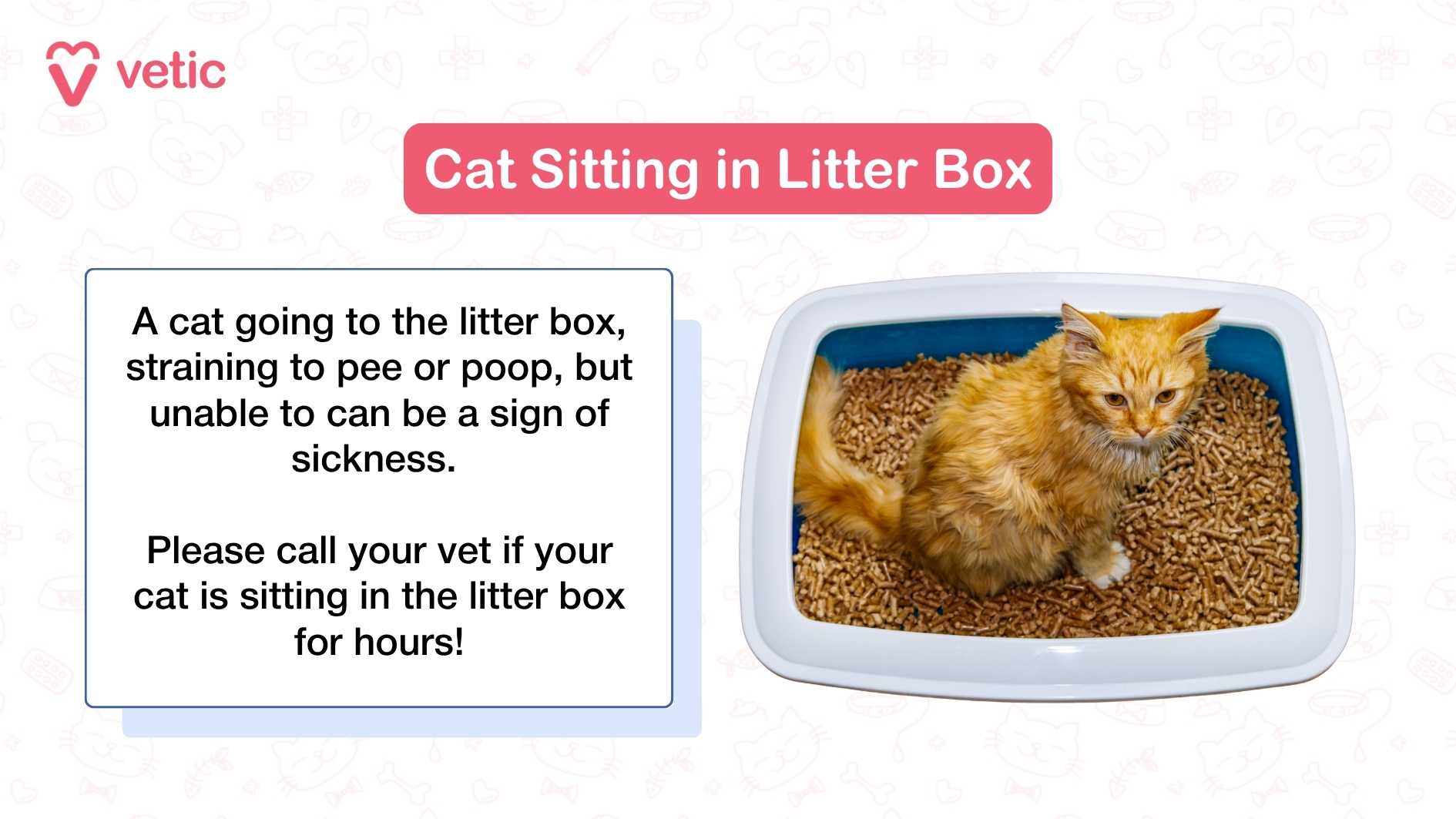
Have you ever come home to find your cat peeing or pooping outside the litter box? It’s frustrating and confusing, especially when you don’t understand why it’s happening.
You might wonder if your cat is upset, sick, or just being difficult. Understanding the real reasons behind this behavior can help you fix the problem and keep your home clean. You’ll discover the common causes and simple solutions to stop your cat from making these messy mistakes.
Keep reading—you’ll find answers that can make a big difference for both you and your furry friend.
Common Medical Issues
When your cat suddenly stops using the litter box, it’s natural to wonder if something’s wrong. Sometimes, medical issues cause these changes in behavior. Understanding the common health problems can help you catch early signs and get your cat the care it needs.
Urinary Tract Infections
Urinary tract infections (UTIs) are a frequent reason cats avoid their litter box. The discomfort and burning sensation during urination make them associate the box with pain. You might notice your cat trying to pee frequently but producing only small amounts.
If your cat suddenly starts peeing on the floor or other unusual spots, a UTI might be the culprit. These infections can escalate quickly, so don’t delay a vet visit if you see these signs.
Digestive Problems
Digestive issues such as constipation or diarrhea can also lead cats to poop outside their litter box. When your cat feels uncomfortable or experiences sudden urges, they might not reach the box in time. Sometimes, they may associate the box with pain and avoid it altogether.
Have you ever noticed your cat straining or vocalizing while using the box? This behavior often signals digestive distress. Monitoring your cat’s stool consistency and frequency can give you clues about underlying problems.
Pain And Discomfort
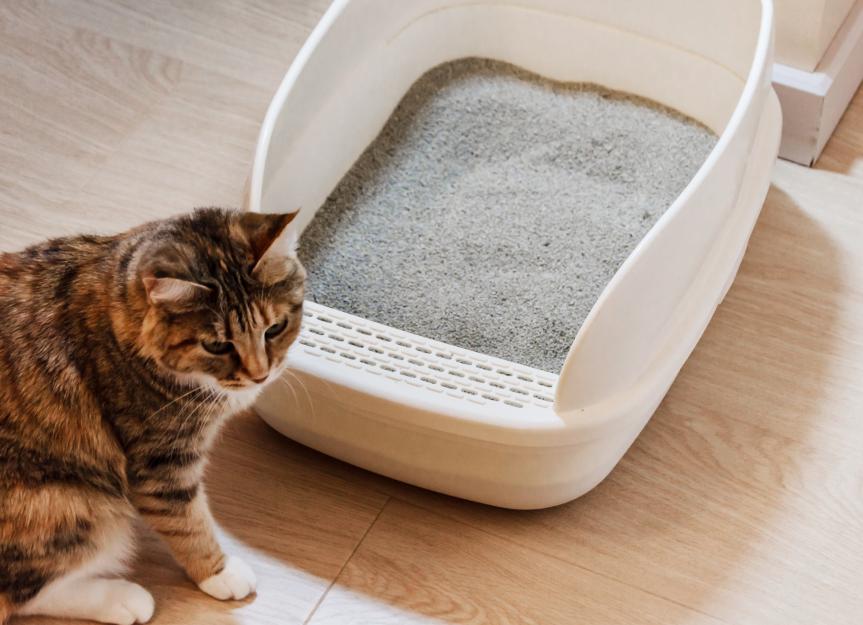
Any pain—whether from arthritis, injuries, or infections—can make using the litter box difficult. If the box is hard to climb into or if the cat feels tender, they might choose a more comfortable spot. Even subtle discomfort can change your cat’s bathroom habits.
Think about your cat’s environment: Is the litter box in a quiet, accessible place? Sometimes, adjusting the box’s location or type can ease your cat’s discomfort. But if pain persists, a thorough veterinary check is essential to rule out serious issues.
Credit: www.petmd.com
Litter Box Problems
Sometimes, cats avoid their litter boxes simply because something about the box itself isn’t right. Issues with the litter box can frustrate your cat and push them to find more appealing spots around your home. Understanding these problems can help you fix the issue quickly and keep your cat comfortable.
Box Cleanliness
Dirty litter boxes are a top reason cats choose to pee or poop elsewhere. Cats are naturally clean animals and may refuse to use a box that smells or feels unclean to them. You might think cleaning the box once a week is enough, but many cats prefer daily scooping to keep their space fresh.
Have you noticed your cat sniffing the box, then walking away? That’s often a sign they find the box dirty. Try cleaning it more often and see if your cat returns. Sometimes, even a full litter change and washing the box with mild soap can make a big difference.
Litter Type Preferences
Your cat may be picky about the type of litter you use. Some cats dislike strong scents or certain textures, which can lead them to avoid the box entirely. If you recently changed the litter, consider switching back or trying a few different types to find what your cat prefers.
Clumping, non-clumping, scented, unscented, clay, or natural materials – each has a different feel and smell. Watch how your cat reacts to each type. You might find they favor fine-grained, unscented litter that feels softer on their paws.
Box Size And Location
A litter box that’s too small or placed in a noisy, busy area can discourage use. Cats want privacy and enough room to move comfortably while doing their business. If your box is cramped or in a spot with loud appliances or heavy foot traffic, your cat may choose a quieter, more secluded place instead.
Think about where your cat spends most of their time. Is the box nearby but out of sight? Could it be moved to a calmer corner? Also, bigger cats especially need larger boxes. Giving your cat a roomy, peaceful spot can solve many litter box problems.
Behavioral Causes
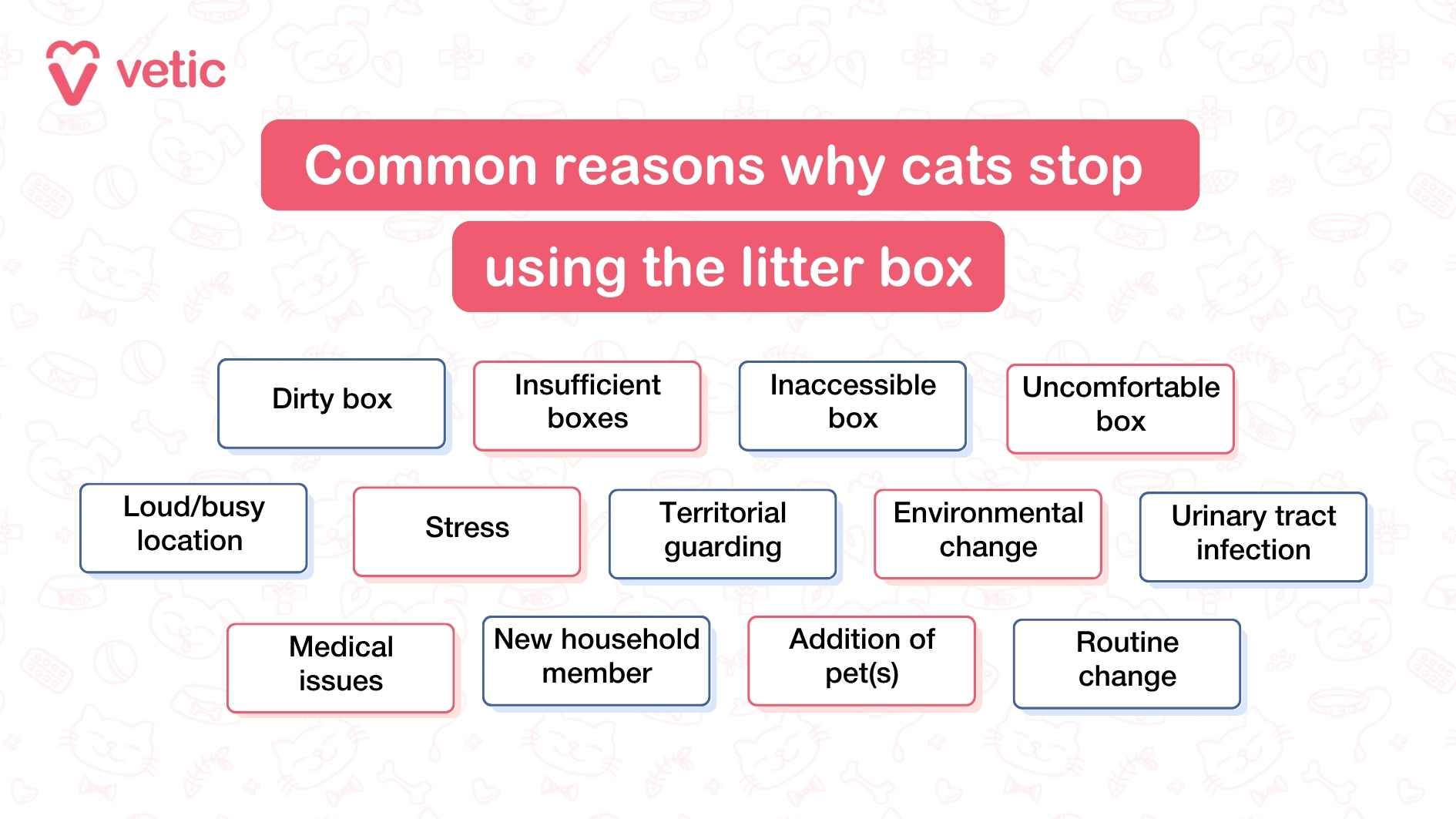
Stress and anxiety often cause cats to avoid their litter box. Changes in routine or environment can make them feel unsafe, leading to accidents outside the box. Some cats may also mark territory due to behavioral issues.
Understanding why your cat might choose to pee or poop outside the litter box can be quite a puzzle. Behavioral causes often drive these unwanted actions, and recognizing them is the first step to addressing the issue. Cats, like humans, have their own set of emotions and responses to their surroundings. Let’s explore some common behavioral reasons that might lead to litter box avoidance.Stress And Anxiety
Cats can be incredibly sensitive to changes in their environment. Stress and anxiety are common triggers for your cat to skip the litter box. Imagine how you feel under stress—your cat isn’t much different. Loud noises, new pets, or even a change in your routine can cause your feline friend to feel uneasy. Consider this: when my neighbor adopted a dog, my cat started urinating on the living room carpet. It was her way of telling me she was stressed. Identifying these stressors and addressing them can make a world of difference. Is your cat getting enough quiet time?Territorial Marking
Cats are territorial creatures by nature. When they feel their territory is threatened, they might start marking their space. This behavior often manifests as urinating outside the litter box. If you’ve recently introduced a new pet or moved to a new home, your cat might be trying to assert dominance or familiarity. My cat once marked her territory when a stray cat started visiting our yard. Understanding this behavior can help you strategize how to make your cat feel more secure.Changes In Household
Changes in your household can disrupt your cat’s routine, leading to litter box problems. This could be as simple as rearranging furniture or as significant as a new family member. Cats thrive on routine and familiarity, and any shift can be unsettling. When my sister moved in with her baby, my cat was initially confused and upset, leading to a few accidents. Gradually introducing changes and maintaining some consistency can help ease your cat through transitions. Have you considered how recent changes might have affected your cat’s comfort level? By understanding these behavioral causes, you can work towards a harmonious solution, ensuring your cat feels safe and secure in their environment.
Credit: www.reddit.com
Environmental Factors
Environmental factors play a big role in why cats may avoid their litter box. Cats are sensitive to their surroundings. Changes or discomfort can make them choose other spots to pee or poop. Understanding these factors helps solve this issue.
Multiple Cats Dynamics
Having more than one cat can create tension. Cats may compete for the litter box. They need enough boxes in quiet places. One box per cat plus one extra is best. Stress from other cats causes some to avoid the box. Territorial behavior often leads to accidents outside the box.
Access To Outdoor Spaces
Outdoor access affects litter box use. Cats with outdoor freedom may prefer to go outside. They enjoy natural areas for elimination. Limited outdoor access can increase indoor accidents. Providing safe outdoor spots may reduce litter box problems. Some cats see the outdoors as their preferred bathroom.
Noise And Disruptions
Sudden noises scare cats easily. Loud sounds near the litter box cause fear. Construction, loud appliances, or children playing can disrupt their routine. A quiet, calm space encourages litter box use. Avoid placing the box near busy areas. Cats need privacy for comfort and security.
Solutions And Prevention
Finding solutions for cats peeing and pooping outside the litter box helps keep your home clean. It also improves your cat’s comfort and health. Addressing this issue requires a mix of medical care, proper litter box setup, and behavior training. Each part plays a key role in preventing accidents.
Medical Treatment Options
Visit a veterinarian to check for health problems. Urinary tract infections, bladder stones, or kidney issues can cause accidents. Treating these conditions often stops the unwanted behavior. Your vet may prescribe medicine or special diets. Early treatment reduces stress and discomfort for your cat.
Improving Litter Box Setup
Place litter boxes in quiet, easy-to-access spots. Avoid noisy or crowded areas. Use unscented, clumping litter to attract your cat. Keep boxes clean by scooping daily and changing litter weekly. Provide one box per cat, plus one extra. Consider the box size—bigger boxes help some cats feel safe.
Behavioral Training Tips
Reward your cat for using the litter box with treats or praise. Clean accidents with enzyme cleaners to remove smells. Avoid punishment; it can increase stress and worsen problems. Encourage playtime to reduce anxiety. Keep a routine feeding and play schedule to help your cat feel secure.
Credit: vetic.in
Frequently Asked Questions
Why Do Cats Avoid The Litter Box Suddenly?
Cats may avoid the litter box due to stress, illness, or dirty litter. Changes in environment or litter type can also cause avoidance. Identifying the cause helps in correcting this behavior effectively.
How To Stop Cats Peeing Outside The Box?
Clean litter boxes regularly and place them in quiet areas. Use unscented, clumping litter and ensure the box size suits your cat. Consult a vet if medical issues persist.
Can Health Problems Cause Litter Box Issues?
Yes, urinary tract infections, bladder stones, or kidney issues often cause litter box avoidance. A vet visit is crucial to diagnose and treat these health problems promptly.
Does Litter Box Type Affect Cat Behavior?
Yes, cats may prefer uncovered or covered boxes depending on their personality. Experimenting with different types can find the best fit, reducing accidents outside the box.
Conclusion
Cats may pee or poop outside the litter box for many reasons. Stress, health issues, or dirty boxes can cause this behavior. Changing the litter type or cleaning more often can help. Also, make sure the box is in a quiet, safe place.
Watch your cat closely to catch problems early. With patience and care, most cats return to good habits. Remember, understanding your cat’s needs improves your home’s happiness. Keep trying different solutions until you find what works best. Your cat will thank you with a happy, clean routine.



Leave a Reply