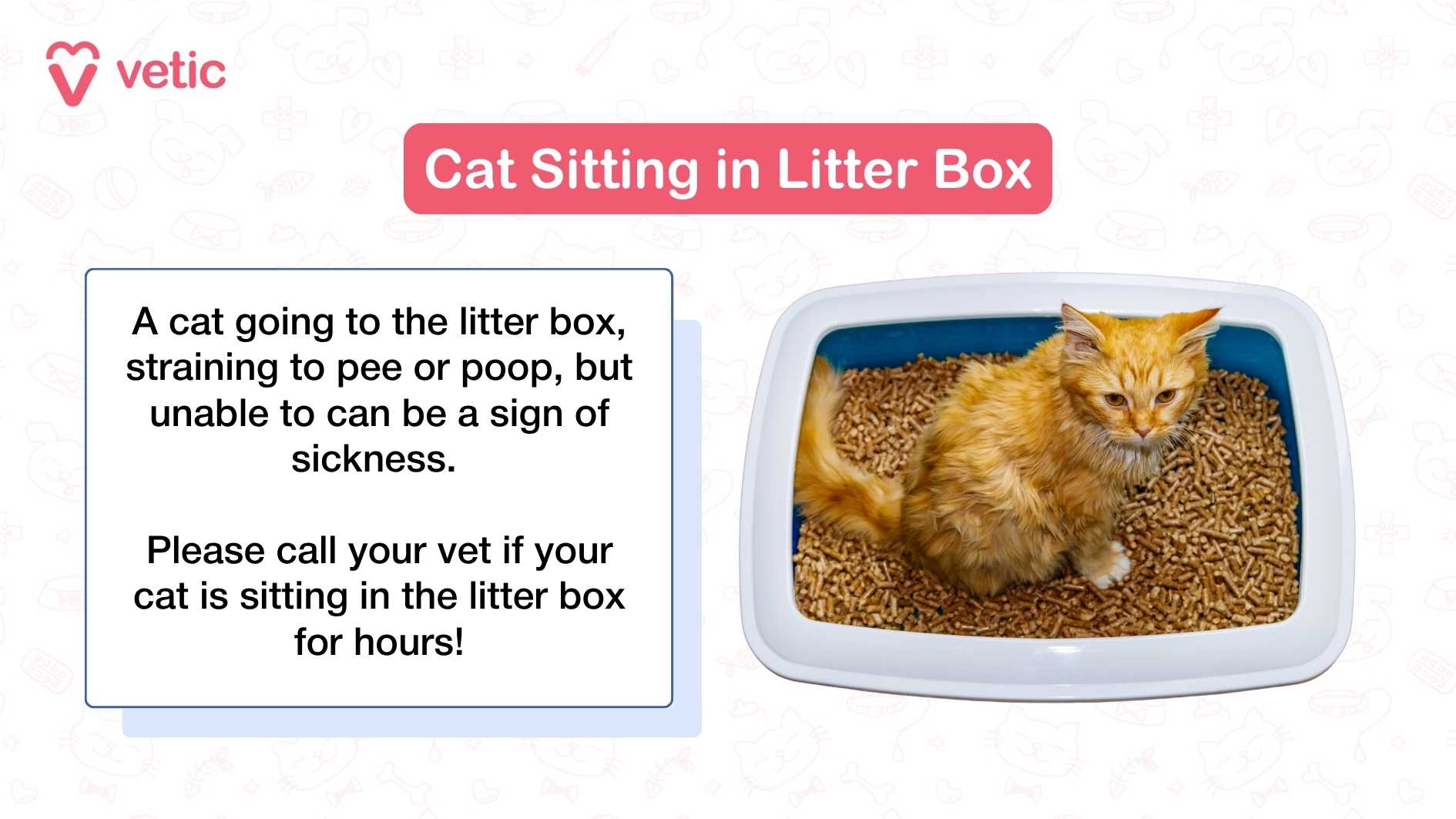
Have you ever found your cat pooping just beside the litter box instead of inside it? It can be frustrating and confusing, especially when you’ve done everything right to keep the box clean.
You might wonder what’s going on with your furry friend and how to fix this messy problem. Understanding why your cat avoids the litter box can save you time, stress, and even protect your bond with your pet. Keep reading, because you’ll discover the surprising reasons behind this behavior and simple steps you can take to help your cat get back on track.
Common Causes
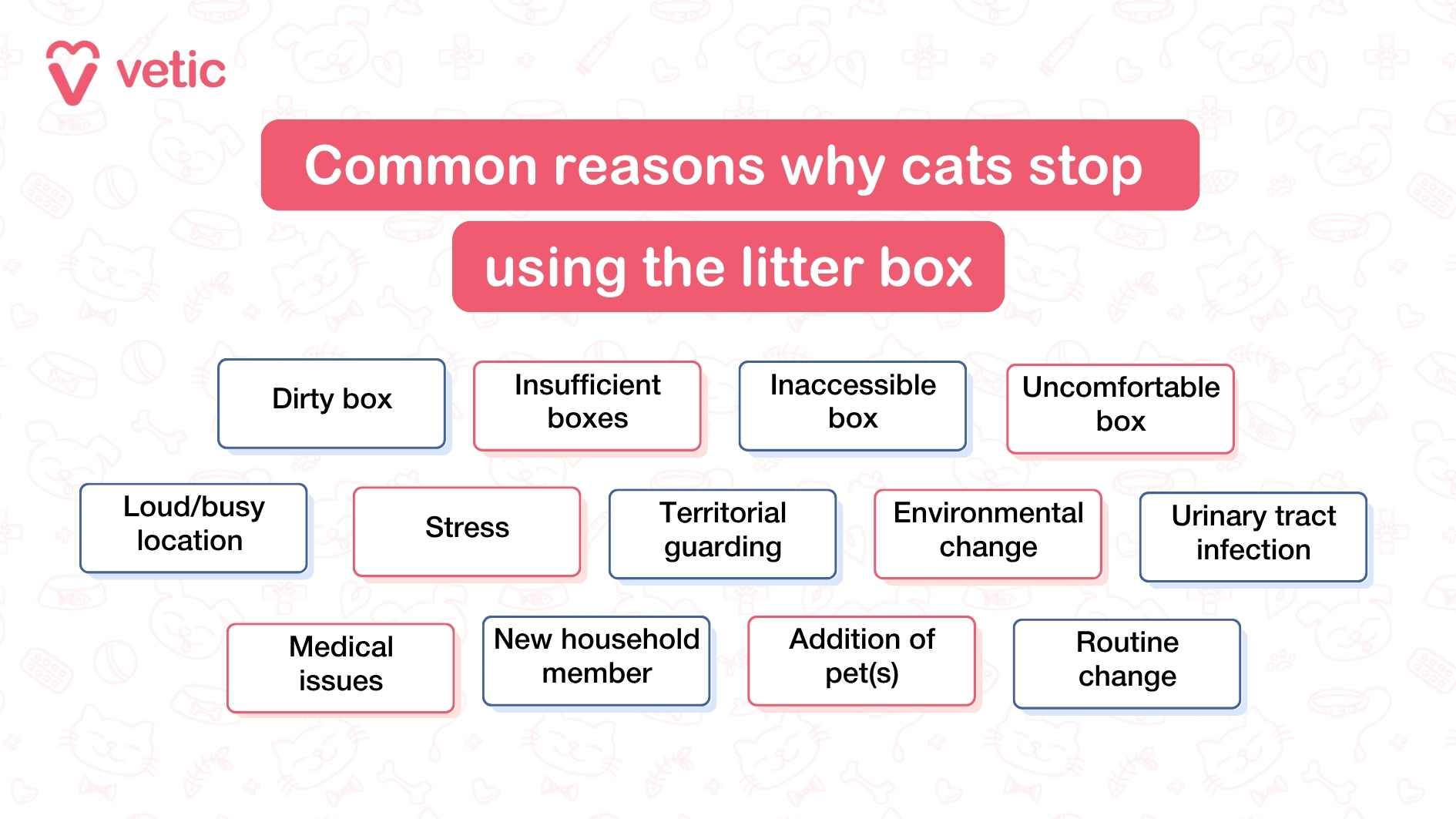
Understanding why your cat chooses to poop next to the litter box instead of inside it can be frustrating. Often, the reasons are linked to common issues that affect your cat’s comfort and preferences. Identifying these causes helps you address the problem quickly and improve your cat’s bathroom habits.
Dirty Litter Box
Cats are naturally clean animals and dislike using a dirty litter box. If the box isn’t scooped daily or cleaned regularly, your cat may avoid it altogether. Have you noticed a smell or visible mess? That could be pushing your cat to find a cleaner spot nearby.
Try cleaning the litter box more often and see if your cat returns to using it. This simple change can make a big difference in their behavior.
Litter Box Size Issues
A litter box that’s too small can make your cat feel cramped and uncomfortable. Cats need enough space to turn around and dig comfortably. If your cat seems to hesitate or avoid the box, consider switching to a larger one.
Think about your cat’s size and activity level. Would they prefer a bigger box to move freely? Providing a roomy box can encourage proper use and prevent accidents.
Wrong Litter Type
Not all litter types suit every cat. Some prefer finer textures, while others dislike strong scents or clumping litter. If your cat suddenly starts pooping outside the box, changing the litter might be the cause.
Observe your cat’s reaction to different litters. Offering a variety of options can help you find one that feels right for your furry friend.
Location Problems
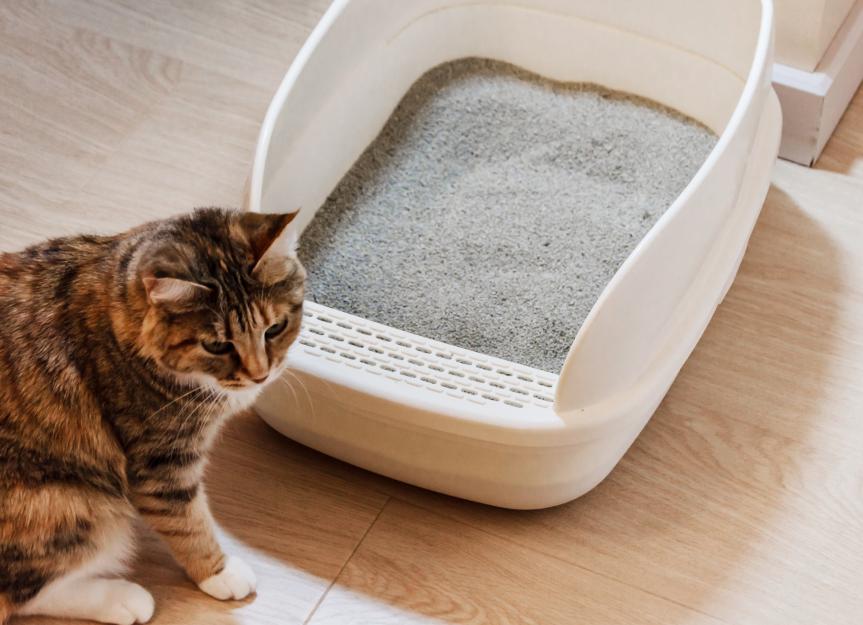
The spot where you place the litter box matters a lot. Cats need a quiet, private, and easily accessible place. If the box is in a noisy area or near their food and water, your cat might avoid it.
Ask yourself: Is the litter box in a calm corner? Is it easy for your cat to reach? Adjusting the location can improve your cat’s comfort and encourage proper use.
Credit: www.petmd.com
Health Concerns
Noticing your cat pooping next to the litter box can be frustrating, but it might signal underlying health problems. Ignoring these signs could lead to bigger issues for your pet. Understanding the possible health concerns can help you act quickly and keep your cat comfortable.
Urinary Tract Infection
Urinary tract infections (UTIs) can cause your cat discomfort when using the litter box. Your cat might avoid the box because it associates it with pain or difficulty urinating. Have you ever seen your cat strain or meow while trying to go? That’s a clear sign something is wrong.
If your cat is avoiding the box, check for signs like frequent attempts to urinate, blood in urine, or licking the genital area excessively. A quick vet visit can confirm a UTI and start treatment before it worsens.
Digestive Disorders
Digestive problems like constipation or diarrhea can also make your cat avoid the litter box. Your cat might not feel well enough to reach the box in time or may associate it with discomfort. Have you noticed any sudden changes in your cat’s stool consistency?
Digestive disorders can stem from diet changes, allergies, or infections. Keeping track of your cat’s eating habits and stool can offer clues. If the problem persists, your vet can help identify the cause and recommend the right treatment.
Pain Or Discomfort
Any pain or discomfort related to arthritis, injury, or even the litter box itself can cause your cat to poop outside the box. Older cats often develop joint pain, making it hard to climb into or move around inside the box. Have you tried a box with lower sides for easier access?
Sometimes the litter type or cleanliness can also cause discomfort. Experimenting with different litter or keeping the box spotless might encourage your cat to return. Your cat’s comfort should always be a priority to prevent accidents.
Behavioral Factors
Understanding why your cat poops outside the litter box can be challenging. Behavioral factors play a significant role in this issue. Cats, like humans, respond to their environment and emotional state. Identifying these factors can help address the problem effectively.
Stress And Anxiety
Cats experience stress and anxiety due to various reasons. A sudden loud noise or a new pet can trigger this. When stressed, a cat might choose to poop outside the litter box. This behavior acts as an outlet for their anxiety.
Providing a calm environment can help. Ensure the litter box is in a quiet location. Consistent routines also reduce anxiety. Offer your cat a safe space to retreat when needed.
Territorial Marking
Cats are territorial animals. They use their waste as a way to mark their space. If your cat is pooping next to the litter box, it might be territorial marking.
This behavior can occur if another pet invades their area. Ensuring each pet has its own space can minimize this issue. Provide multiple litter boxes in different locations.
Changes In Household
Changes in the household can unsettle a cat. Moving to a new home or rearranging furniture might cause distress. Such changes can lead to litter box avoidance.
Gradual introductions to new environments help. Maintain familiar scents and items to comfort your cat. A consistent routine can ease transitions.
Credit: pethelpful.com
Solutions To Try
Finding your cat pooping outside the litter box can be frustrating. Several solutions can help solve this problem. Small changes in care or environment often make a big difference. Try these ideas to encourage your cat to use the litter box properly again.
Cleaning And Maintenance Tips
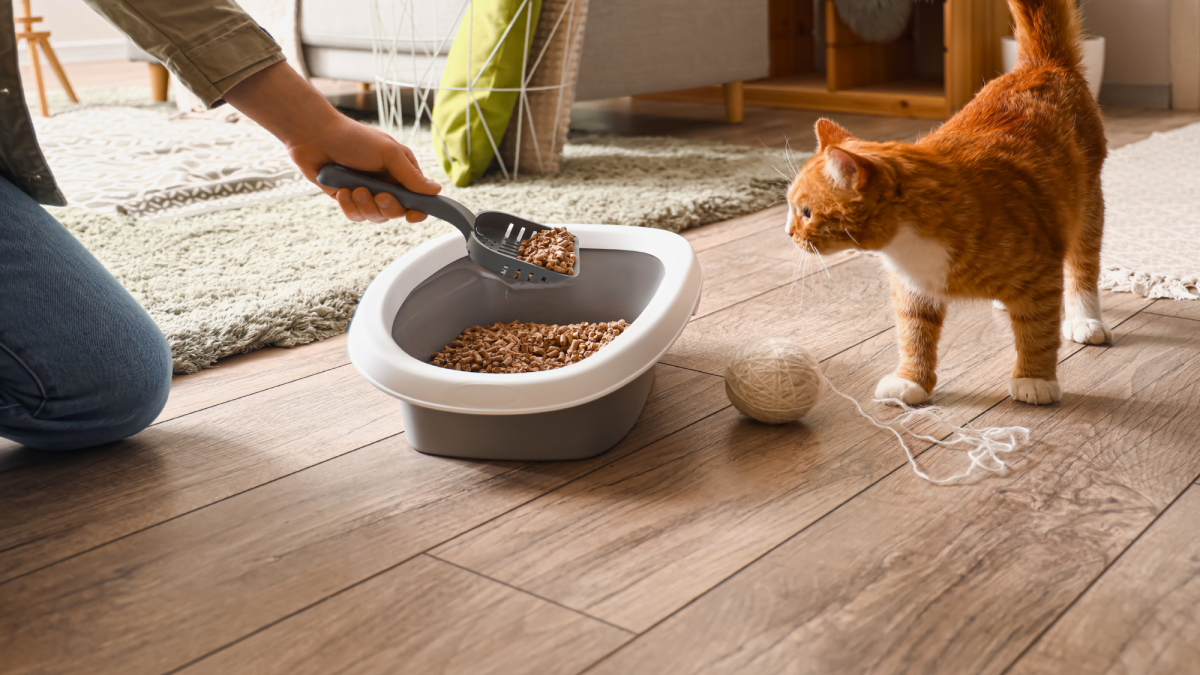
Keep the litter box very clean. Scoop waste daily to prevent bad smells. Wash the box with mild soap once a week. Use warm water to rinse thoroughly. Avoid strong-smelling cleaners that can scare cats away. Clean areas where your cat pooped outside the box. Use an enzymatic cleaner to remove odors. This stops your cat from returning to the same spot.
Choosing The Right Litter
Pick a litter your cat prefers. Some cats like clumping litter, others prefer non-clumping. Try unscented litter, as strong scents can be off-putting. Consider litter texture; softer litter feels better on paws. Offer a few options to see what your cat likes best. Replace old litter regularly to keep it fresh. Monitor your cat’s reaction to changes and adjust as needed.
Relocating The Litter Box
Place the litter box in a quiet, private area. Avoid noisy or busy spots that stress your cat. Make sure the box is easy to access. Cats dislike boxes near food or water bowls. If you have multiple cats, provide separate boxes. Try moving the box slightly if problems continue. Sometimes a new location solves the problem quickly.
Veterinary Checkup
Visit the vet to rule out health issues. Urinary tract infections and constipation can cause litter box problems. Pain or discomfort may make your cat avoid the box. A vet can check for medical conditions. Early treatment can prevent long-term problems. Share your observations with the vet for better diagnosis. Follow the vet’s advice carefully to help your cat recover.
Credit: vetic.in
Frequently Asked Questions
Why Does My Cat Poop Outside The Litter Box?
Cats may poop outside due to stress, illness, or litter box issues. Check for cleanliness, location, and type of litter. Also, consult a vet to rule out medical problems like infections or digestive issues causing this behavior.
How Can I Stop My Cat From Pooping Nearby?
Ensure the litter box is clean and in a quiet, accessible spot. Use unscented, clumping litter and provide multiple boxes if you have many cats. Reward proper use and avoid punishment to encourage good litter habits.
Could Health Problems Cause Litter Box Avoidance?
Yes, urinary tract infections, constipation, or arthritis can make litter box use painful. These conditions lead cats to poop nearby instead. A vet visit is essential to diagnose and treat any underlying health issues promptly.
Does Litter Box Size Affect Where Cats Poop?
Absolutely. A small or crowded litter box may deter cats. Provide a box at least 1. 5 times the cat’s length. A spacious box promotes comfort and encourages proper litter box use consistently.
Conclusion
Cats may avoid the litter box for many reasons. Stress, health problems, or a dirty box often cause this behavior. Watching your cat closely helps find the cause. Try cleaning the box more often and placing it in a quiet spot.
Changing the type of litter might help too. Sometimes, a vet visit is needed to check health. Patience and care can solve this issue over time. Your cat will feel more comfortable and use the litter box again. Small changes make a big difference.
Keep trying, and your cat will thank you.



Leave a Reply