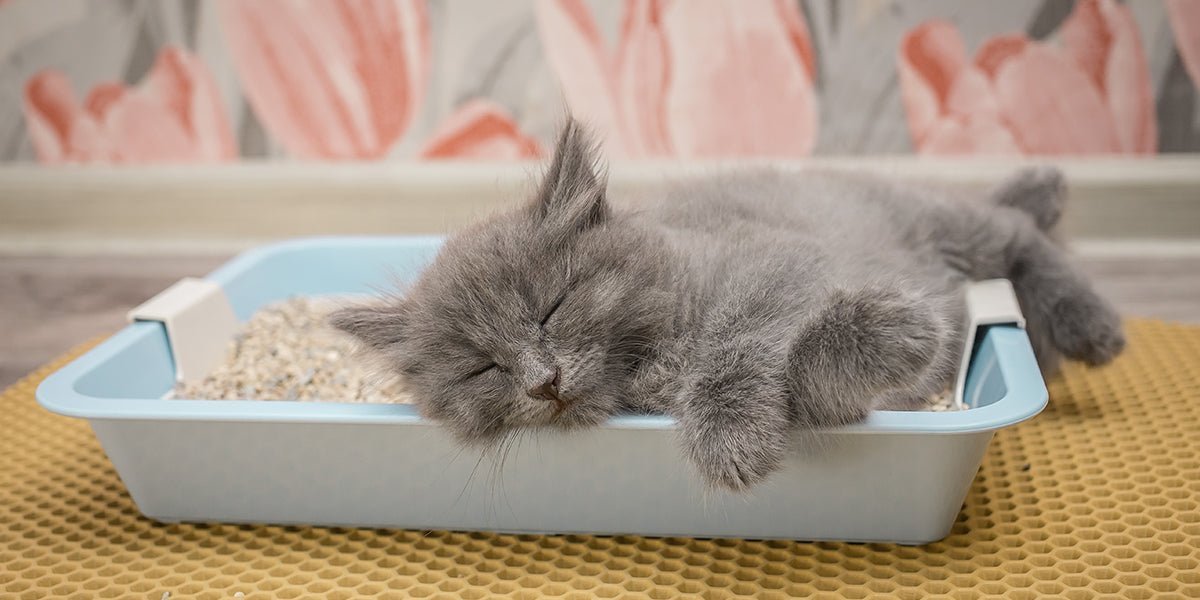
Have you ever found your cat snoozing in their litter box and wondered, “Why is my cat sleeping in the litter box?” It’s confusing and a bit worrying when your furry friend chooses a spot meant for something else as their resting place. You might be asking yourself if this is normal or a sign of a deeper problem.
Understanding the reasons behind this unusual behavior can help you keep your cat happy and healthy. Keep reading, because uncovering the truth about why your cat prefers the litter box could save you from future troubles and strengthen the bond between you and your pet.
Credit: www.petsradar.com
Cat Behavior Basics
Understanding your cat’s behavior is the first step to figuring out unusual actions, like sleeping in the litter box. Cats have unique habits shaped by their instincts and environment. Knowing the basics helps you spot when something’s off and how to respond effectively.
Common Sleep Spots For Cats
Cats usually pick warm, quiet, and safe places to sleep. You’ll often find them curled up on soft cushions, sunny window sills, or cozy blankets. These spots give them comfort and a sense of security.
Sometimes, cats choose unexpected places like laundry baskets or cardboard boxes. These areas feel enclosed and protect them from disturbances. Have you noticed your cat’s favorite napping spot lately? It can tell you a lot about how they feel.
Typical Litter Box Use
The litter box is normally a place for your cat to relieve themselves, not to rest. Cats are generally clean and prefer to keep their sleeping and bathroom areas separate. If your cat is spending time in the litter box beyond just using it, this behavior can signal discomfort or stress.
Think about what might make the litter box appealing as a resting spot. Is your cat avoiding other areas due to noise or illness? Sometimes a cat chooses the litter box because it feels isolated or is trying to cope with pain. Observing these signs early can help you address potential health or emotional issues promptly.
Health Issues To Watch
Noticing your cat sleeping in the litter box can be unsettling. This unusual behavior often signals underlying health problems that need your attention. Understanding the potential health issues helps you act quickly to keep your feline friend comfortable and safe.
Urinary Tract Problems
Urinary tract issues are a common reason cats retreat to their litter boxes. Your cat might be trying to stay close to a place associated with relief from discomfort. Conditions like urinary tract infections (UTIs) or bladder stones cause frequent, painful urination, which could explain this behavior.
Have you observed your cat straining or meowing while using the litter box? These signs could point to a urinary problem that requires immediate veterinary care. Ignoring these symptoms can lead to serious complications like blockages, which are life-threatening.
Pain Or Discomfort
Sometimes, cats sleep in the litter box because they are in pain or feel unwell. The box might seem like a safe, confined space where they can rest without disturbance. This behavior can indicate arthritis, injury, or other internal pain that isn’t obvious at first glance.
Try gently checking if your cat reacts to touch around the abdomen or limbs. If your pet flinches or hides, this discomfort might be why they seek the litter box for comfort. Don’t hesitate to get a professional opinion; pain can be subtle but serious.
Infections And Illnesses
Beyond urinary infections, other illnesses can cause your cat to sleep in the litter box. Viral or bacterial infections might make your cat feel weak and seek out the litter box as a place to rest. This behavior can also be a sign of fever or nausea.
If your cat seems lethargic, has a reduced appetite, or shows changes in bathroom habits, watch closely. These symptoms often accompany infections that need prompt treatment. Remember, early detection can save your cat from worsening health problems.
Stress And Anxiety Factors
Cats are sensitive creatures. Changes in their surroundings can cause stress and anxiety. This stress sometimes makes them sleep in unusual places, like the litter box. Understanding these stress factors helps in addressing the issue.
Changes In Environment
Moving to a new home can stress a cat. New furniture or even a new family member can unsettle them. They may seek comfort in familiar places, like the litter box. This is their way of coping with sudden changes.
Conflict With Other Pets
Living with other pets can create tension. Cats might feel threatened by a new pet’s presence. This can lead to territorial disputes. The litter box becomes a safe retreat from conflicts. It’s a place where they feel secure.
Fear And Safety Seeking
Unexpected loud noises can frighten cats. They might seek refuge in the litter box. It’s their safe space away from perceived dangers. This behavior is common during thunderstorms or fireworks. They associate the box with safety and comfort.
:strip_icc()/a0145-000022-56a111c63df78cafdaa9170e.jpg)
Credit: www.thesprucepets.com
Territorial Behavior
Territorial behavior plays a significant role in why your cat might be choosing to sleep in the litter box. Cats are naturally territorial creatures, and they use specific spots to claim ownership or send messages to other animals. When your cat rests in the litter box, it could be their way of asserting control over a key area in your home.
Marking Territory
Your cat’s scent is a powerful tool in marking territory. The litter box carries the strong smell of their waste, which acts like a signature. By sleeping there, your cat reinforces this scent, signaling that this space is theirs and discouraging others from invading it.
Have you noticed if your cat seems anxious or if there are new pets or people around? These changes can prompt your cat to protect their territory more aggressively. Sleeping in the litter box is a subtle but effective way for them to keep their scent strong and maintain their personal zone.
Dominance Display
Sometimes, your cat’s behavior is about more than just marking territory; it’s about showing dominance. If your cat shares the home with other pets, resting in the litter box might be a way to show who’s in charge.
This behavior can be a way to intimidate others by taking control of a crucial spot—after all, the litter box is essential to a cat’s daily routine. If your cat feels the need to assert dominance, you may notice other signs like blocking access to food or resting spots.
Think about your cat’s interactions with other pets. Is there a clear pecking order, or does your cat seem stressed? Understanding these dynamics can help you address the issue and find ways to make your cat feel more secure without relying on this unusual sleeping spot.
Litter Box Conditions
Understanding your cat’s choice to sleep in the litter box requires a close look at the litter box conditions. Cats are very particular about their environment. If their litter box is not comfortable, they might seek refuge inside it. The cleanliness, type, and location of the box can influence their behavior significantly.
Cleanliness Issues
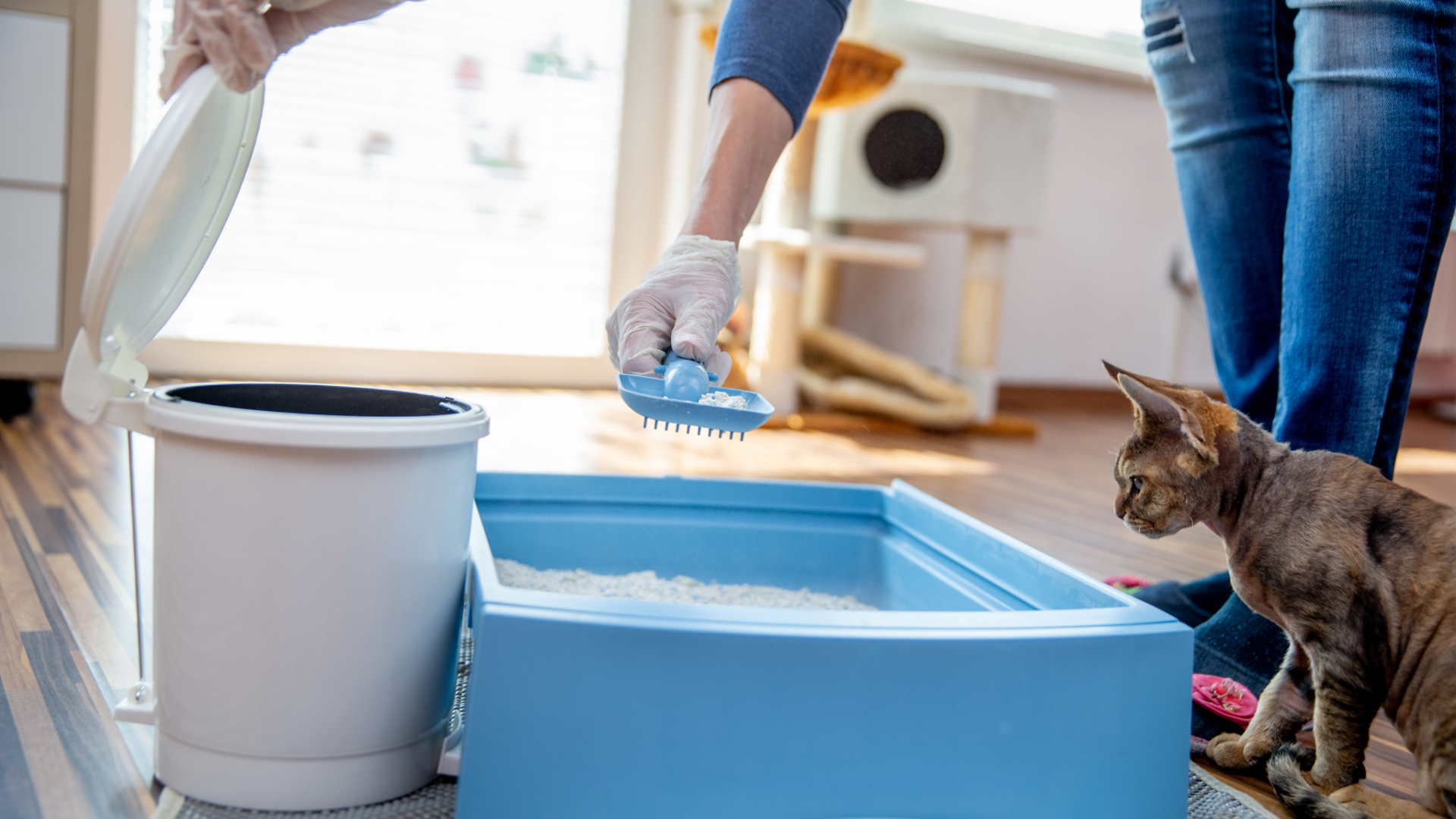
A dirty litter box can stress your cat. Cats prefer a clean space for their needs. When the box is not cleaned regularly, it becomes unpleasant. Your cat might avoid using it for bathroom purposes but still stay inside for comfort or safety. Cleaning the litter box daily can prevent this issue. It keeps the area fresh and inviting for your pet.
Type Of Litter And Box
The kind of litter and box matters to cats. Some cats dislike scented or dusty litter. Others prefer soft, clumping types. The box size and shape also affect comfort. A small or covered box may feel cramped or scary. Switching to a larger or uncovered box can help. Choose litter that your cat likes to encourage normal use.
Location Of The Box
The litter box’s location plays a big role in your cat’s habits. A noisy or busy place can make cats anxious. They want a quiet, private spot to feel safe. If the box is near loud appliances or heavy foot traffic, your cat might hide inside it. Moving the box to a calm, low-traffic area can improve your cat’s comfort.

Credit: www.reddit.com
Behavioral Solutions
Behavioral solutions can help stop your cat from sleeping in the litter box. Cats often choose this spot due to stress, discomfort, or litter box issues. Changing their environment and habits can make a big difference.
Improving Litter Box Appeal
Make the litter box more comfortable and inviting. Clean it daily to remove odors and waste. Use soft, unscented litter to avoid irritation. Place the box in a quiet, private area where your cat feels safe. Add extra boxes if you have multiple cats. This reduces competition and stress over space.
Reducing Stress
Stress can cause unusual behavior like sleeping in the litter box. Create a calm environment with consistent routines. Provide hiding spots and cozy beds in different rooms. Play with your cat regularly to keep them active and happy. Use calming sprays or diffusers with pheromones to soothe anxiety. Avoid loud noises and sudden changes in the home.
When To Seek Vet Help
Persistent litter box sleeping might signal health issues. Look for signs like changes in appetite, vomiting, or unusual behavior. A vet can check for infections, pain, or urinary problems. Early diagnosis can prevent serious illness. Don’t wait if your cat seems unwell or stressed.
Frequently Asked Questions
Why Is My Cat Sleeping In The Litter Box?
Cats may sleep in the litter box due to stress, illness, or discomfort. It can signal anxiety or a health issue. Always observe your cat’s behavior and consult a vet if this habit continues.
Can Illness Cause Cats To Sleep In Litter Boxes?
Yes, illnesses like urinary tract infections or pain can cause cats to seek the litter box. They may feel safer or experience discomfort elsewhere. A vet visit is important to rule out medical problems.
How Can I Stop My Cat From Sleeping In The Litter Box?
To stop this behavior, ensure the litter box is clean and in a quiet area. Provide cozy, comfortable sleeping spots and reduce stress. If the problem persists, consult a veterinarian for advice.
Is Sleeping In The Litter Box Normal Behavior For Cats?
No, sleeping in the litter box is unusual and often signals stress or health issues. Cats prefer clean, cozy places to rest. Monitor your cat and seek veterinary help if needed.
Conclusion
Cats sleeping in their litter box may signal stress or health issues. Watch your cat’s behavior closely. Keep the litter box clean and in a quiet spot. Provide a cozy bed elsewhere to encourage better rest. Visit the vet if the behavior continues or worsens.
Understanding your cat’s needs helps create a happier home. Small changes can make a big difference for your pet’s comfort. Stay patient and observant to help your cat feel safe.


Leave a Reply