If you’re a cat owner, you know how important a clean litter box is for both you and your furry friend. But how often should you really change it?
Is daily scooping enough, or does the whole box need a full refresh more often? Getting this right can make your home smell fresher and keep your cat happier and healthier. You’ll discover simple, practical tips to keep your cat’s litter box clean without stress—so you can enjoy a fresher home and a content kitty every day.
Keep reading to find out the best routine for your cat’s litter box care!

Credit: www.purina.com
Frequency Of Litter Box Changes
Knowing how often to change your cat’s litter box is essential for both your cat’s health and your home’s cleanliness. The right frequency keeps odors at bay and ensures your feline feels comfortable using their box. But how do you strike the right balance between daily upkeep and full litter replacement?
Daily Scooping Benefits
Scooping out waste every day prevents unpleasant smells from building up. It also helps you spot any changes in your cat’s health, like unusual stools or urine color. I once skipped daily scooping for a weekend and noticed my cat avoided the box afterward—an easy reminder that daily cleaning matters.
Daily scooping keeps the litter fresh and reduces the chance of your cat tracking mess around the house. It’s a quick task that saves you more work later. How much time could you spare each day to keep your cat happy?
Weekly Full Litter Replacement
Even with daily scooping, fully replacing the litter about once a week is important. Old litter can become saturated with odors and bacteria that daily scooping alone can’t fix. Emptying the box, washing it with mild soap, and adding fresh litter resets the environment.
Some cats are picky and may stop using the box if it smells even slightly off. If you notice your cat digging excessively or avoiding the box, it might be time for a full change sooner than usual. Think about the last time you completely refreshed your cat’s litter—could it be due for a change?
When To Change More Often
Certain situations call for changing the litter box more frequently. Multiple cats sharing one box speed up the buildup of waste. In these cases, full litter replacement might be needed every 3-4 days instead of weekly.
Illness or dietary changes in your cat can also affect litter box use. If your cat has diarrhea or unusual urination, changing the litter more often helps keep things sanitary and comfortable. Don’t wait for odors to tell you it’s time—observe your cat’s behavior closely.

Credit: perfectpetzzz.com
Factors Affecting Litter Box Maintenance
Keeping your cat’s litter box clean is essential, but how often you should change it depends on several factors. Understanding these factors helps you maintain a fresh and healthy environment for your feline friend. Let’s look closely at what influences litter box maintenance.
Number Of Cats
The more cats you have, the faster the litter box gets dirty. One cat might only need the box cleaned every couple of days, but with two or three cats, daily cleaning is often necessary. Have you noticed how your single cat’s litter box stays cleaner longer compared to a multi-cat household? It’s all about usage frequency.
Adding extra boxes can help reduce the cleaning load. A good rule is one litter box per cat, plus one extra. This reduces odor buildup and keeps your cats happier.
Type Of Litter Used
Different litters absorb moisture and control odor in various ways. Clumping litter, for example, makes it easier to scoop out waste daily, keeping the box fresh longer. Non-clumping litter might require full changes more often since it doesn’t isolate waste as effectively.
Some litters contain odor-neutralizing ingredients, which can extend the time between full changes. Have you tried switching litter types to see if it affects how often you need to clean? It can make a surprising difference.
Cat’s Health And Age
Older cats or those with health issues may use the litter box differently, sometimes needing more frequent cleaning. Cats with urinary tract problems or diarrhea require immediate attention to litter cleanliness to prevent infections. You might find yourself changing the litter box more often during these times.
Pay attention to your cat’s habits. If your cat starts using the box more frequently or seems uncomfortable, it’s a sign to clean more often. Your cat’s well-being depends on a clean, comfortable litter environment.
Signs Your Cat’s Litter Box Needs Changing
Recognizing the signs that your cat’s litter box needs changing is crucial. A clean litter box keeps your cat happy and healthy. Paying attention to certain indicators can make a big difference. Let’s explore some of these signs.
Unpleasant Odors
A strong, unpleasant smell is a clear sign. A fresh litter box should not emit strong odors. If the smell becomes noticeable, it’s time for a change. Your cat will also appreciate a fresh-smelling environment.
Visible Waste Build-up
Check for visible waste build-up in the litter box. Clumps of urine or feces should not be present. A clean litter box should have minimal visible waste. Regular cleaning prevents this issue.
Cat Avoidance Behavior
Cats may avoid using a dirty litter box. If your cat starts using other areas, it might be due to the litter box’s condition. Cats prefer clean, tidy spaces for their bathroom needs. Watch for changes in your cat’s behavior.
Tips For Keeping The Litter Box Fresh
Keeping your cat’s litter box fresh is key to maintaining a happy and healthy environment for both you and your furry friend. A clean litter box prevents odors, reduces the risk of infections, and encourages your cat to use it consistently. Here are some practical tips you can apply today to keep the litter box inviting and fresh.
Choosing The Right Litter
The type of litter you choose makes a big difference in odor control and ease of cleaning. Clumping litters are popular because they make scooping simple and help trap smells. If your cat has sensitive paws or allergies, consider unscented, natural litters like corn or wheat-based options.
Have you noticed your cat avoiding the box? Sometimes switching litters can solve that problem. Testing a few types can help you find the one that balances odor control with your cat’s comfort.
Proper Cleaning Techniques
Regular scooping is essential—aim to scoop at least once daily to remove waste before odors build up. Every week, empty the entire box and wash it with mild soap and warm water. Avoid harsh chemicals that can irritate your cat or leave harmful residues.
After washing, dry the box completely before adding fresh litter. This prevents clumps from sticking and helps control moisture, which can cause odors and bacteria growth. How often are you deep cleaning your cat’s litter box?
Using Liners And Deodorizers
Liners can make cleaning faster and protect the box from scratches that trap odors. However, some cats dislike liners, so observe your cat’s reaction before using them long-term. If your cat tolerates liners, they can be a great aid.
Deodorizers like baking soda sprinkled under the litter can absorb smells without strong fragrances that might bother your cat. Avoid artificial perfumes, which can be overwhelming. Instead, try natural options and see how your cat responds.
Common Mistakes To Avoid
Keeping your cat’s litter box clean is vital for their health and comfort. Many pet owners make avoidable mistakes that can cause odor, mess, and unhappy cats. Recognizing common errors helps maintain a fresh litter box and a happy feline friend.
Delaying Litter Changes
Waiting too long to change the litter causes bad smells and bacteria buildup. Cats may refuse to use a dirty box, leading to accidents elsewhere. Scoop waste daily and change the litter fully every one to two weeks.
Ignoring Multiple Cat Needs
Homes with several cats need more litter boxes. A good rule is one box per cat plus one extra. Sharing can cause stress and litter box avoidance. Each cat deserves its own clean space to feel safe.
Using Harsh Cleaners
Strong chemicals and scented cleaners can harm cats and leave odors. Use mild, unscented soap and warm water for cleaning. Harsh products may scare cats away from their litter box.
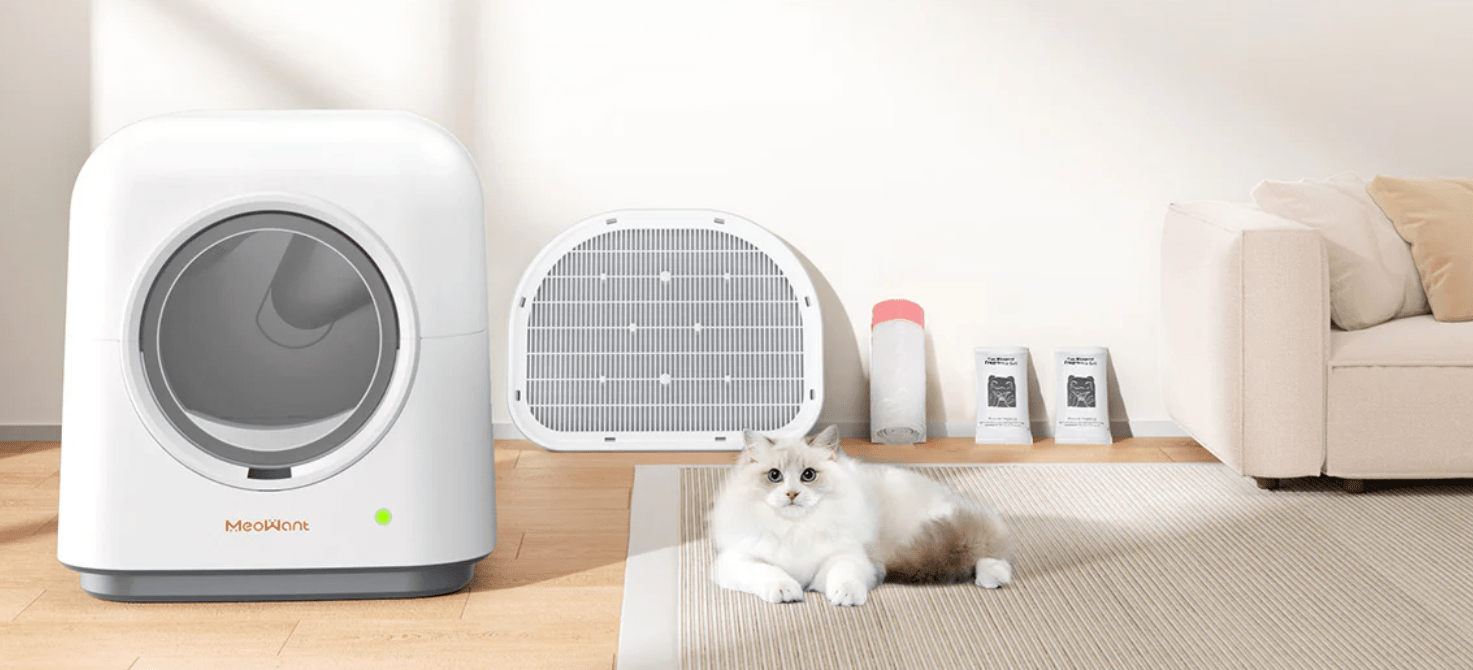
Credit: meowant.com
Frequently Asked Questions
How Often Should You Scoop A Cat’s Litter Box?
Scoop the litter box daily to maintain cleanliness and control odors. Regular scooping encourages cats to use the box consistently and prevents bacterial growth.
When Is It Necessary To Completely Change Cat Litter?
Completely change cat litter and clean the box every 1-2 weeks. This prevents odor buildup and keeps the litter box hygienic for your cat.
Can Infrequent Litter Changes Harm My Cat’s Health?
Yes, infrequent litter changes can cause infections and respiratory issues. A clean litter box promotes your cat’s health and overall well-being.
How Does Litter Type Affect Cleaning Frequency?
Clumping litters usually require less frequent full changes but need daily scooping. Non-clumping litters may need more frequent complete replacement and cleaning.
Conclusion
Changing your cat’s litter box often keeps your home fresh and clean. A clean box helps your cat stay healthy and happy. Scoop daily and replace all litter at least once a week. Watch your cat’s habits; they can tell you when to clean more.
Regular cleaning reduces bad smells and avoids accidents. Simple steps make a big difference for you and your pet. Keep the litter box tidy, and your cat will thank you. Clean habits protect both your cat and your home environment.



Leave a Reply