Are you tired of finding cat litter scattered all over your floor? Keeping cat litter inside the box can feel like a never-ending battle.
But what if you could stop the mess before it starts? You’ll discover simple and effective tips to keep your cat’s litter exactly where it belongs. Imagine a cleaner, fresher space with less time spent cleaning up. Ready to learn how?
Let’s dive in and make your life—and your cat’s—easier.
Choose The Right Litter Box
Choosing the right litter box is essential for keeping the litter inside and preventing messes around your home. A box that fits your cat’s size, preferences, and your cleaning habits makes a huge difference. Let’s look at the key factors to consider so you can pick the perfect one.
Consider Size And Shape
Your cat’s comfort starts with the right size litter box. Too small, and your cat may kick litter out when turning around. Too big, and it might be hard to fit in your space or clean regularly.
Think about your cat’s size and activity level. For example, a large Maine Coon needs more room than a small Siamese. Also, consider shapes like rectangular boxes, which often provide more space, or corner boxes that save room.
Open Vs Covered Boxes
Deciding between an open or covered litter box can impact litter tracking. Open boxes allow your cat to step out freely, reducing litter scatter, but may increase odor spread. Covered boxes contain smells better but sometimes trap litter dust inside.
Ask yourself: Does your cat like privacy? Some cats avoid covered boxes because they feel trapped. Others prefer the seclusion. Try both types if possible and watch your cat’s behavior closely.
Materials And Durability
Look for litter boxes made from sturdy, easy-to-clean materials like heavy-duty plastic. Thin or flimsy boxes can crack over time, causing leaks and messes. A durable box saves you money and frustration.
Also, consider texture. Smooth surfaces prevent litter from sticking, making cleaning faster. Avoid boxes with too many grooves or hard-to-reach corners that trap waste.
Credit: www.tuftandpaw.com
Select Effective Cat Litter
Selecting the right cat litter is crucial to keeping the litter inside the box and maintaining a clean area around it. The type of litter you choose affects odor control, dust levels, and how much litter your cat kicks out. Understanding the differences between litter options helps you find one that fits your cat’s habits and your cleaning preferences.
Clumping Vs Non-clumping
Clumping litter forms solid clumps when it gets wet, making it easier to scoop and maintain a clean box. This can reduce the amount of litter that gets scattered because you only remove the clumps, leaving the rest intact.
Non-clumping litter absorbs moisture but doesn’t form clumps. It may require changing the entire litter more frequently, which can sometimes lead to more mess outside the box. Have you noticed your cat prefers one type over the other? Their preference can influence how effective the litter is at staying in the box.
Odor Control Options
Odor control is a big factor in litter choice. Some litters have built-in deodorizing agents like baking soda or activated charcoal, which help keep smells at bay.
Choosing a litter with strong odor control can encourage your cat to use the box consistently, reducing accidents and mess. Have you tried unscented litters? Sometimes, cats dislike strong fragrances, which can lead to litter being kicked out in protest.
Dust And Tracking Reduction
Dusty litter can cause respiratory issues for both you and your cat and create a dusty mess around the box. Low-dust litters help keep the area cleaner and improve air quality.
Tracking is another concern—some litters stick to your cat’s paws and get spread throughout your home. Look for heavier granules or litter designed to minimize tracking if you’re tired of finding litter pellets in every room.
Position The Litter Box Strategically
Place the litter box in a quiet, low-traffic area to reduce disturbances. This helps keep litter inside the box and encourages your cat to use it consistently.
Positioning the litter box strategically in your home can significantly impact how well your cat uses it. It’s not just about finding a spot that fits in with your decor; it’s about creating a space where your cat feels comfortable and safe. This thoughtful placement can prevent litter box issues and keep your home cleaner.Quiet And Accessible Spots
Cats appreciate quiet and peaceful environments. Placing the litter box in a calm area can make your cat feel more at ease. Imagine if you had to use the bathroom in a bustling area—it’s not ideal! Ensure the spot is easily accessible, especially if you have a senior cat or a kitten. A room that is quiet yet easy to reach is perfect.Avoid High Traffic Areas
High traffic zones can make your cat anxious. Avoid placing the litter box in hallways or near doors that frequently open and close. Your cat needs privacy, just like you do. A secluded corner offers a sense of security and encourages proper litter box use.Consider Multiple Boxes
In multi-cat households, it’s wise to provide more than one litter box. Cats can be territorial, and providing options can prevent conflict and stress. Even in single-cat homes, having an extra box can be beneficial. It ensures your cat never has to wait, which can be crucial if one box is temporarily unpleasant. Remember, your cat’s comfort is a priority!
Credit: www.purina.com
Maintain Cleanliness Regularly
Maintaining cleanliness regularly helps keep the cat litter box fresh and odor-free. A clean box encourages cats to use it properly. It also reduces the spread of bacteria and unpleasant smells in your home.
Consistent cleaning prevents litter from spilling out and keeps the area tidy. It creates a healthy environment for both you and your cat. Let’s explore how to maintain cleanliness step by step.
Daily Scooping Routine
Scoop out clumps and waste every day. Use a sturdy scoop with holes to separate clean litter. Removing waste daily stops bad smells from building up.
Place the scooped waste in a sealed trash bag. Avoid letting waste sit in the box for more than 24 hours. This keeps the litter box inviting for your cat.
Weekly Full Cleaning
Once a week, empty all the litter from the box. Wash the box with warm water and mild soap. Avoid strong chemicals; they can harm your cat or leave scents.
Rinse the box thoroughly and dry it before adding new litter. Cleaning weekly removes bacteria and keeps the box fresh. It also helps spot any cracks or damage in the box.
Replacing Litter Completely
Change all the litter completely every 2 to 4 weeks. This depends on the number of cats and the type of litter used. Old litter loses its ability to absorb moisture and odors.
Use fresh litter to maintain good hygiene. Dispose of the old litter in a sealed bag to control odors. Regular replacement improves litter box cleanliness and your cat’s comfort.
Use Accessories To Contain Litter
Using accessories helps keep cat litter inside the box and off the floor. These tools catch stray litter and make cleaning easier. They reduce mess and keep the area around the litter box tidy.
Litter Mats And Trays
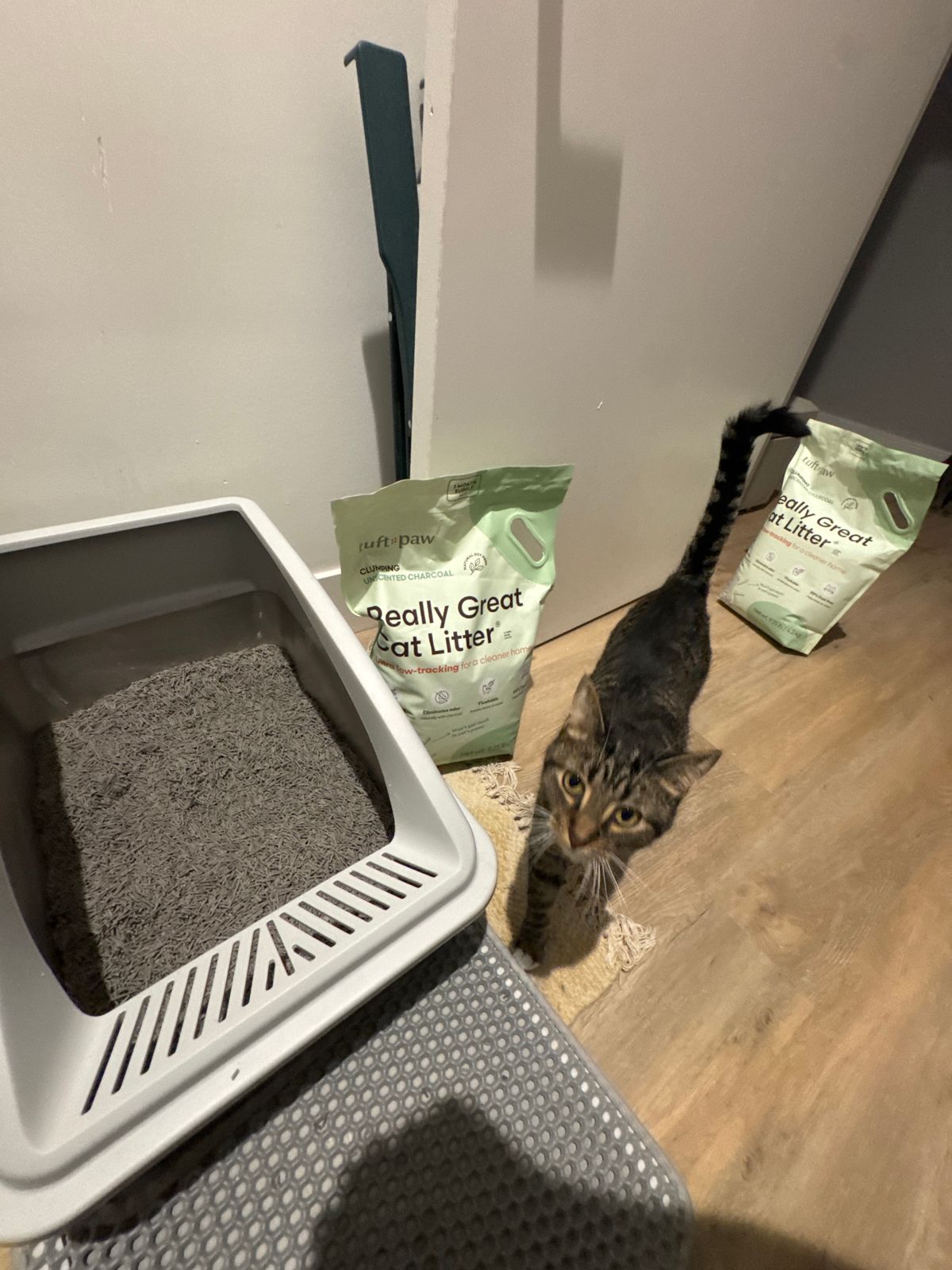
Litter mats trap litter stuck to your cat’s paws. Place them outside the box entrance. They catch granules before your cat walks away. Look for mats with grooves or textures to hold litter well.
Litter trays fit under or around the box. They catch falling litter. These trays have raised edges to prevent spills. Easy to clean trays save time and effort.
Boxes With Higher Sides
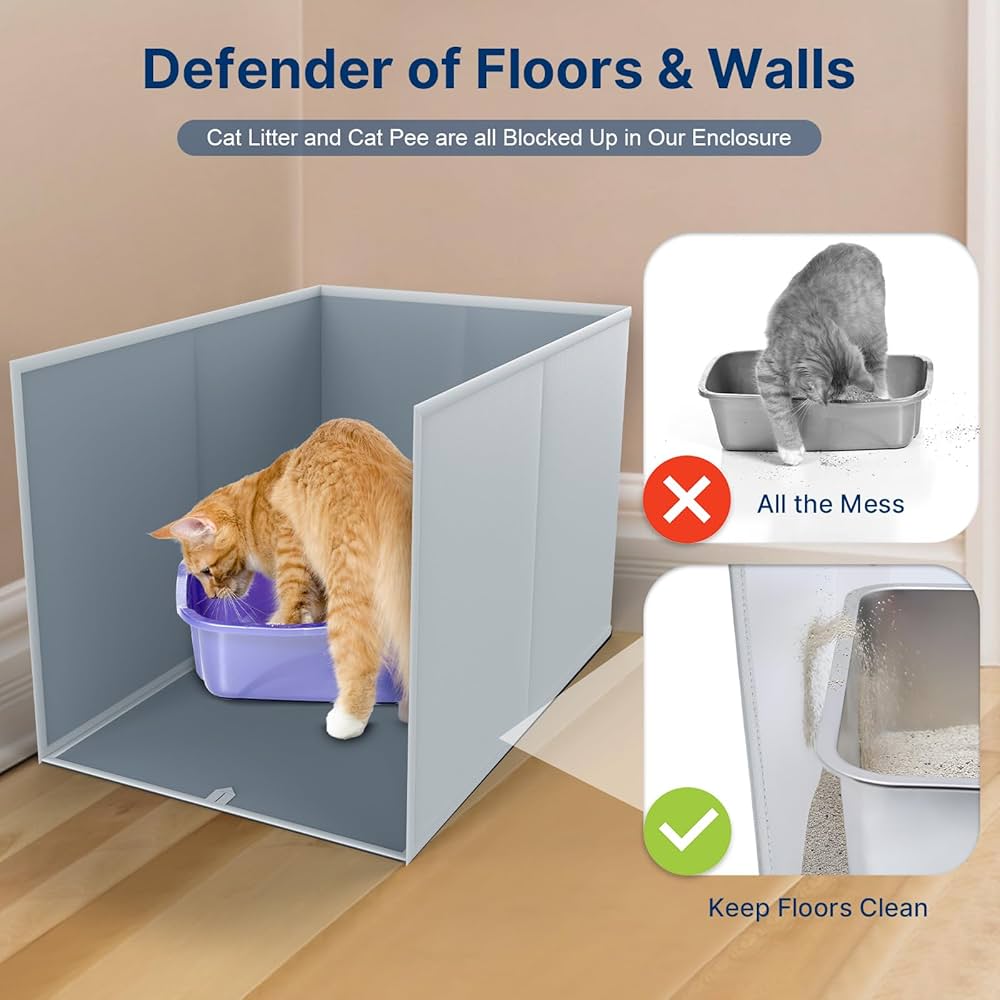
Boxes with tall sides keep litter inside better. They stop litter from spilling when cats dig. High walls also help active cats who kick litter. These boxes reduce tracking and floor mess.
Choose a box with sides tall enough for your cat’s size. It keeps litter contained without feeling cramped.
Liners And Barriers
Liners cover the box interior and make cleaning fast. They stop litter from sticking to the box. This keeps the box cleaner and lasts longer.
Barriers or shields attach to the box edges. They block litter from flying out during digging. Barriers are simple and effective for messy cats.

Credit: www.amazon.com
Train Your Cat Effectively
Training your cat to use the litter box properly helps keep litter inside the box. Cats need clear guidance to understand where to go. Consistency and patience are key. A well-trained cat reduces mess and stress for both of you.
Encourage Proper Use
Place the litter box in a quiet, accessible spot. Make sure it is clean and filled with fresh litter. Show your cat the box after meals and naps. Gently place your cat inside if it seems confused. Praise your cat when it uses the box correctly. Keep the litter box in the same place to avoid confusion.
Discourage Digging Outside
Prevent litter from spreading by limiting where your cat can dig. Use a larger box if your cat digs vigorously. Consider a litter mat to catch stray litter. Avoid punishing your cat; it can cause stress. Redirect digging behavior with toys or scratching posts. Clean any litter outside the box quickly to remove scent clues.
Positive Reinforcement Techniques
Use treats or gentle petting to reward your cat’s good behavior. Praise your cat softly after it uses the litter box. Avoid yelling or negative reactions. Celebrate small progress to build good habits. Keep training sessions short and calm. Positive reinforcement creates a trusting bond and better results.
Manage Litter Tracking
Managing litter tracking helps keep your home clean and your cat happy. Cats often carry litter on their paws outside the box. This causes scattered litter around your house. Controlling this problem reduces mess and saves cleaning time. Focus on simple actions to minimize litter spread.
Regular Paw Cleaning
Check your cat’s paws after using the litter box. Use a soft cloth or pet-safe wipes to remove stuck litter. Cleaning paws regularly prevents litter from dropping around the house. Some cats tolerate gentle paw wiping better than others. Make it part of their routine.
Litter Attractant Reduction
Choose low-tracking litter types like larger granules or crystal litter. Avoid fine or dusty litter that clings to paws easily. Place a litter mat outside the box to catch loose granules. These mats have textured surfaces that trap litter effectively. Keep the mat clean to maintain its function.
Home Cleaning Tips
- Vacuum or sweep floors near the litter box daily.
- Use a handheld vacuum for quick spot cleaning.
- Wash litter mats regularly to remove embedded particles.
- Keep litter boxes in easy-to-clean areas.
- Consider furniture protectors if litter spreads to common spaces.
Address Behavioral Issues
Addressing behavioral issues is key to keeping cat litter in the box. Sometimes, your cat’s habits reflect deeper feelings or health problems. Understanding these causes helps you guide your cat back to good litter box behavior.
Stress And Anxiety Triggers
Cats can act out when they feel stressed or anxious. Changes like new pets, moving furniture, or loud noises might make your cat avoid the litter box.
Notice if your cat starts urinating outside the box after a big change. You can help by creating a calm environment and keeping the litter box in a quiet spot.
Adding extra litter boxes around the house can reduce tension. Have you observed any recent changes that might upset your cat’s routine?
Health-related Problems
Sometimes, a medical issue causes your cat to stop using the litter box. Conditions like urinary tract infections or kidney problems can make them associate the box with pain.
Watch for signs like frequent attempts to urinate, blood in urine, or excessive licking. These symptoms often indicate a health problem rather than bad behavior.
Keeping a close eye on your cat’s bathroom habits can catch problems early. Have you noticed any changes in your cat’s toileting patterns recently?
When To Consult A Vet
If litter box issues continue despite your efforts, it’s time to talk to a vet. Professional advice can uncover hidden health issues or suggest behavior therapy.
Don’t wait if your cat shows signs of pain or distress. A vet visit can provide peace of mind and practical solutions to get your cat comfortable again.
Remember, your cat relies on you to spot problems early. Are you ready to seek help if your cat’s litter habits don’t improve?
Frequently Asked Questions
How Can I Prevent Cat Litter From Spilling Outside?
Use a litter box with high sides or a covered design. Place a mat outside to catch stray litter. Regularly clean and maintain the box to reduce mess.
What Type Of Litter Box Keeps Litter Contained Best?
High-sided or enclosed litter boxes work best to contain litter. They minimize scattering and keep the litter inside. Choose one that fits your cat’s size comfortably.
How Often Should I Clean The Litter Box To Reduce Spills?
Clean the box daily by scooping clumps and waste. Full litter changes weekly help maintain cleanliness. Regular cleaning prevents odors and litter scattering.
Can Using A Litter Mat Reduce Litter Tracking?
Yes, litter mats trap litter from your cat’s paws. Place it just outside the litter box for best results. Mats help keep floors cleaner and reduce litter spread.
Conclusion
Keeping cat litter inside the box takes small steps. Use a litter mat to catch stray bits. Choose a box with high sides to stop spills. Scoop the litter daily for cleanliness. Change the litter often to avoid odors. Place the box in a quiet, low-traffic area.
These simple actions help keep your home tidy. Your cat will also feel more comfortable. A clean litter box means a happy cat and owner. Try these tips to reduce mess and stress. Clean habits make a big difference every day.



Leave a Reply