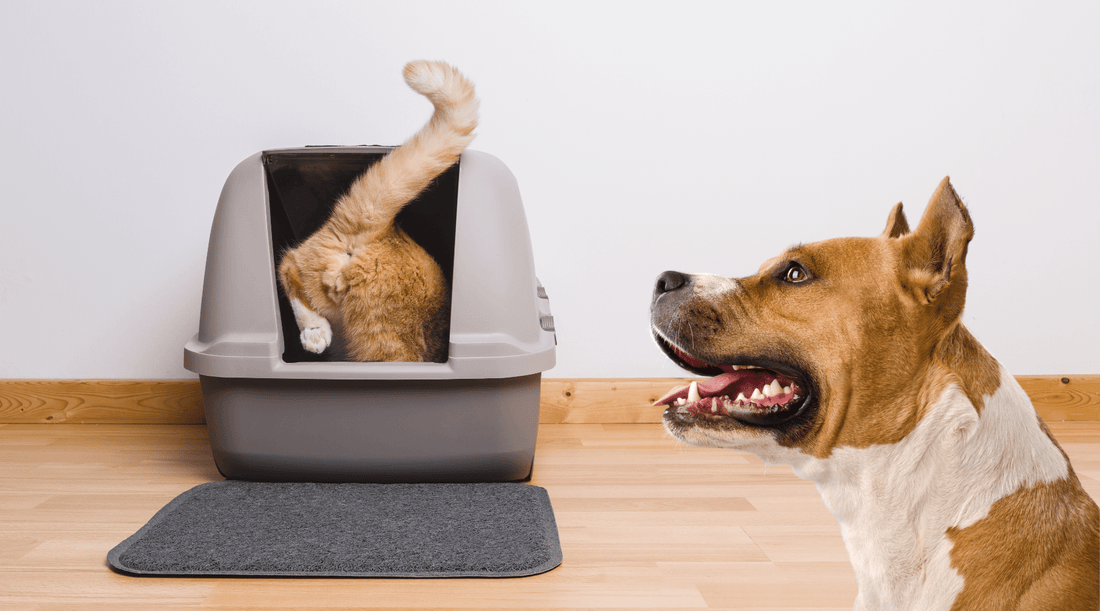
Have you ever caught your dog digging into the cat’s litter box and wondered, “Why does my dog eat cat poop?” It’s a common behavior that many pet owners find puzzling—and a bit gross. But understanding why your dog does this is important for their health and your peace of mind.
You’ll discover the surprising reasons behind this habit and learn simple steps to stop it. Keep reading to find out how you can protect your furry friend and keep your home clean.
Credit: animals.howstuffworks.com
Reasons Behind This Behavior
Understanding why your dog eats cat poop from the litter box can be puzzling and frustrating. This behavior often stems from a mix of physical needs and psychological triggers. Identifying the root cause helps you address the issue effectively and keep your dog healthy and happy.
Nutritional Deficiencies
Sometimes, dogs eat cat poop because their diet lacks essential nutrients. Cat feces contain undigested proteins and fats that might seem appealing to dogs missing these nutrients. Have you checked if your dog’s food meets all their dietary needs recently?
Adding a balanced diet or specific supplements could reduce this behavior. If unsure, a vet visit can help pinpoint any nutritional gaps.
Instinctual Habits
Dogs have natural scavenging instincts inherited from their wild ancestors. Eating feces might be a leftover survival behavior to gain extra nutrients or keep their environment clean. This habit can be stronger in certain breeds or individual dogs.
Understanding this can make you more patient and help you focus on training rather than punishment.
Attraction To Smell And Taste
The smell and taste of cat poop can be surprisingly tempting to dogs. Cat food is rich and protein-heavy, which makes their waste smell and taste more appealing than you might expect. Your dog might prefer this over regular dog food.
Try keeping the litter box in a place your dog cannot reach to break this habit. Also, consider changing your cat’s diet if the smell is too strong.
Seeking Attention
Dogs sometimes eat cat poop to get your attention, especially if you react strongly. Even negative attention can reinforce the behavior if your dog feels ignored otherwise. Have you noticed if your dog only does this when you are around?
Try giving your dog more positive attention and exercise to reduce this attention-seeking behavior.
Boredom And Anxiety
When dogs feel bored or anxious, they may turn to unusual habits like eating cat poop. This can be a way to relieve stress or occupy themselves. If your dog spends long hours alone or lacks stimulation, this might be the cause.
Providing toys, regular walks, and mental challenges can help your dog feel more relaxed and engaged, reducing the urge to eat cat poop.
Health Risks For Dogs
Dogs eating cat poop from the litter box face several health risks. The waste contains harmful elements that can affect your dog’s well-being. Understanding these dangers helps protect your pet from serious problems. Keep a close eye on your dog’s habits to avoid health issues.
Parasites And Infections
Cat feces may contain parasites like roundworms and hookworms. These parasites can infect dogs and cause illness. Infections such as toxoplasmosis can spread through cat poop. These infections may lead to symptoms like vomiting, diarrhea, and weakness. Regular vet checkups can help detect and treat these problems early.
Toxic Substances
Cat poop might have toxic substances from medications or cat food. These toxins can harm your dog’s liver or kidneys. Some chemicals in the litter box can also be dangerous if ingested. Even small amounts of toxins can cause serious health issues. Avoid allowing your dog access to the litter box area.
Digestive Issues
Eating cat feces can upset a dog’s stomach. This behavior often leads to nausea, vomiting, or diarrhea. Digestive problems may cause dehydration and discomfort. Frequent consumption can disturb your dog’s natural gut bacteria. It is important to discourage this habit for your dog’s digestive health.
Preventive Measures
Keeping the litter box clean and placing it in a quiet area can reduce your dog’s interest in cat poop. Offering plenty of toys and treats helps distract your dog from this behavior. Regular vet check-ups ensure no health issues cause this habit.
Preventive Measures Dogs eating cat poop is a common issue. Understanding preventive measures can help maintain harmony in your home. By addressing this behavior, you ensure the well-being of both pets.Proper Diet And Supplements
Ensure your dog gets a balanced diet. Nutrient deficiencies might drive them to eat cat poop. A well-fed dog is less likely to seek it out. Consult your vet for the right supplements. This can fill any nutritional gaps.Litter Box Placement
Place the litter box in a hard-to-reach area. Use gates or barriers that only the cat can access. This keeps the litter box away from curious dogs. High locations are also effective. Ensure your cat can still access the box easily.Use Of Deterrents
Deterrents discourage dogs from approaching the litter box. Consider using pet-safe sprays. They have scents that dogs dislike. You can also cover the litter box with a lid. This makes it less inviting to dogs.Training Techniques
Train your dog with basic commands. Teach “leave it” and “stay” to prevent unwanted behavior. Reward them for ignoring the litter box. Consistent training helps reinforce good habits. Training requires patience and persistence.Providing Mental Stimulation
Engage your dog in fun activities. Mental stimulation reduces their interest in the litter box. Puzzle toys and interactive games keep them occupied. A busy dog is less likely to seek out cat poop. This also strengthens your bond with your pet.
Credit: getodie.com
When To Consult A Veterinarian
Knowing when to consult a veterinarian is crucial if your dog eats cat poop regularly. This behavior might signal an underlying health or behavioral issue. Early professional advice can prevent complications and ensure your pet’s well-being.
Persistent Behavior
If your dog keeps eating cat poop despite your efforts, it may need medical attention. Persistent behavior could mean your dog has a nutritional deficiency or a digestive problem. A vet can help identify the root cause and suggest treatment.
Signs Of Illness
Look for symptoms like vomiting, diarrhea, weight loss, or lethargy along with this habit. These signs might indicate infections or parasites. Immediate veterinary care is necessary to avoid serious health risks.
Behavioral Concerns
Sometimes, eating cat poop relates to anxiety, boredom, or stress. If your dog shows signs of restlessness, destructive behavior, or changes in mood, ask a vet for advice. They may recommend behavioral training or environmental changes.
Credit: animals.howstuffworks.com
Frequently Asked Questions
Why Does My Dog Eat Cat Poop From Litter Box?
Dogs eat cat poop due to curiosity, boredom, or nutritional deficiency. Cat feces contain undigested nutrients, attracting dogs. It’s also a behavioral issue caused by lack of stimulation or anxiety. Addressing diet and providing enrichment can reduce this behavior.
Is Eating Cat Poop Harmful To My Dog?
Yes, eating cat poop can expose dogs to parasites, bacteria, and toxins. It can cause digestive upset or infections. Regular vet check-ups and preventive treatments help protect your dog’s health. Preventing access to the litter box is crucial.
How Can I Stop My Dog From Eating Cat Poop?
To stop this habit, keep litter boxes inaccessible to dogs. Use covered or high-placed litter boxes. Provide plenty of exercise and mental stimulation. Consult your vet for dietary adjustments or behavioral advice if needed.
Does Dog Eating Cat Poop Indicate A Health Problem?
Sometimes, it may indicate nutritional deficiencies or digestive issues. Dogs might crave nutrients missing from their diet. If this behavior is frequent, consult a veterinarian to rule out health problems.
Conclusion
Dogs eating cat poop can seem strange but it is common. They may do it out of curiosity or boredom. Sometimes, they seek nutrients missing from their diet. To stop this, keep the litter box clean and out of reach.
Provide your dog with enough food and playtime. Watch your pet closely for any changes in behavior. Understanding why your dog eats cat poop helps keep both pets safe. Small changes can make a big difference in your home. Take action today for a healthier, happier pet.



Leave a Reply