Has your cat suddenly stopped using the litter box? You’re not alone, and it can be both confusing and frustrating.
When your furry friend changes this important habit, it often signals that something is wrong—whether it’s health, stress, or something in their environment. Understanding why your cat quit using the litter box is the first step to solving the problem quickly.
Keep reading, and you’ll discover the common reasons behind this behavior and how you can help your cat get back on track.
Credit: vetic.in
Common Causes Of Litter Box Avoidance
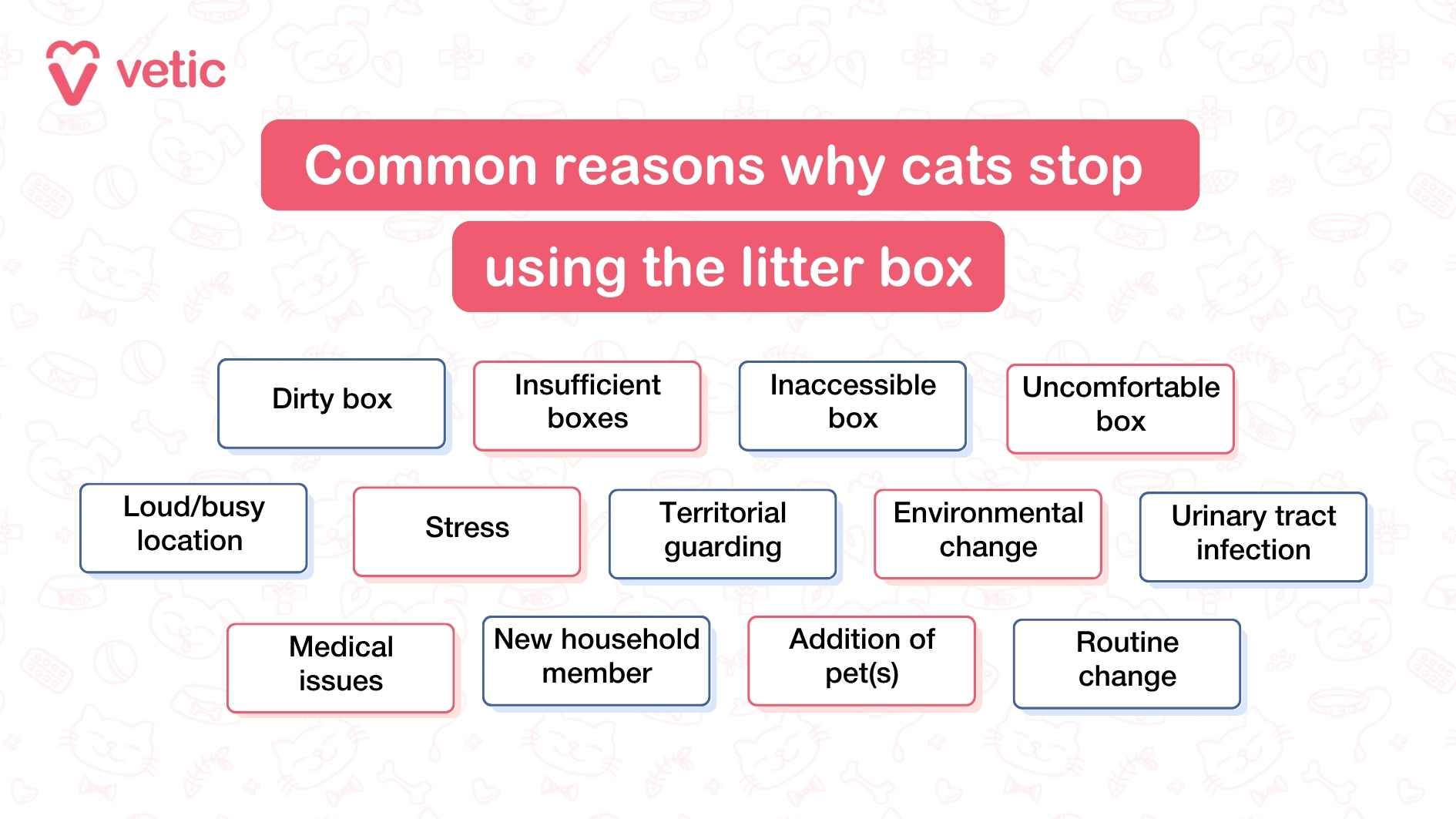
Cats may stop using their litter box for several reasons. Understanding these causes helps solve the problem quickly. Most cats prefer a clean, quiet place for their bathroom needs. Changes in health, environment, or social dynamics can lead to litter box avoidance.
Health Issues Affecting Behavior
Illness or pain often cause cats to avoid the litter box. Urinary tract infections make urination painful. Arthritis can make climbing in and out hard. Digestive problems may cause sudden accidents outside the box. A vet check is essential to rule out medical reasons.
Litter Box Cleanliness Problems
Cats dislike dirty litter boxes. They may refuse to use them if not cleaned daily. Strong odors or old waste can drive cats away. The type of litter matters too. Some cats prefer fine, unscented litter over clumping or scented options.
Stress And Anxiety Factors
Stress can change a cat’s bathroom habits. New pets, visitors, or loud noises cause anxiety. Moving homes or changes in routine also trigger avoidance. Cats seek comfort and may go elsewhere if stressed.
Territorial Disputes With Other Pets
Other pets can make cats feel unsafe using the litter box. Dominant pets may block access or mark territory nearby. Cats avoid conflict by finding new spots. Separate litter boxes in quiet areas help reduce disputes.
Credit: vetic.in
Environmental Triggers
Cats are sensitive to their surroundings. Small changes in the environment can cause stress. This stress may lead them to stop using their litter box. Understanding common environmental triggers helps address this problem quickly. Let’s explore some key factors that affect your cat’s litter habits.
Changes In Household Routine
Sudden shifts in daily routines upset many cats. New work hours or visitors can cause anxiety. Cats thrive on consistency and predictability. When routines change, they may feel unsafe or confused. This discomfort might make them avoid the litter box.
Examples include:
- Altered feeding times
- Increased noise levels
- More people or pets at home
New Furniture Or Scents
Introducing new items in your home affects your cat’s comfort. Fresh furniture or strong smells can be unsettling. Cats rely on familiar scents to mark safe spaces. Unfamiliar odors may cause them to avoid certain areas.
Strong scents from:
- Cleaning products
- Air fresheners
- New carpets or curtains
These can disrupt your cat’s sense of security and litter box habits.
Litter Box Location Concerns
Where the litter box sits matters a lot. Cats prefer quiet, private spots. Placing the box near loud machines or busy areas causes avoidance. Changes in location can confuse or stress your cat. They might look for quieter, safer places to relieve themselves.
Ideal litter box spots are:
- Low traffic areas
- Well-ventilated but private
- Easy for the cat to access
Litter Box Preferences
Cats may stop using the litter box due to changes in the box type, location, or litter texture. Cleaning habits and stress also affect their preferences. Understanding these factors helps solve litter box issues.
Cats are notoriously particular creatures, especially when it comes to their litter boxes. If your feline friend has suddenly stopped using theirs, understanding their litter box preferences might provide some answers. Cats can be finicky about various aspects of their litter box, and even the smallest change can make a significant difference. Let’s dive into the key factors that could affect their litter box usage.Type Of Litter Material
Cats have distinct preferences for the type of litter material. Some cats favor clumping litter for its clean feel, while others might prefer non-clumping options. I once switched my cat’s litter to a new scented variety, only to find her protesting by using the carpet instead. It’s crucial to observe your cat’s reaction to different litter types, as they may have a strong preference for one over the others.Box Size And Shape
The size and shape of the litter box can significantly impact a cat’s willingness to use it. A box that’s too small can be uncomfortable, while an oversized one might feel intimidating. My friend discovered that her elderly cat appreciated a low-sided box, as it was easier to enter and exit. Ensure your cat has ample space to move around, as comfort plays a crucial role in their litter box habits.Covered Vs. Open Boxes
Whether a box is covered or open can be a dealbreaker for many cats. Some appreciate the privacy and security of a covered box, while others feel trapped and prefer the openness of an uncovered one. Consider your cat’s personality and behavior when choosing between these options. If your cat seems hesitant about their current setup, experimenting with both styles could reveal their preference. Understanding your cat’s litter box preferences involves a bit of trial and error, but it’s worth it for their comfort and your home’s cleanliness. What changes can you make today to encourage your cat to happily return to their litter box?Behavioral And Psychological Reasons
Cats may stop using the litter box due to behavioral and psychological reasons. These causes often relate to their feelings and past experiences. Understanding these factors helps solve the problem more gently and effectively.
Past Traumas Or Negative Experiences
Cats remember bad experiences linked to the litter box. A sudden loud noise or pain during bathroom time can scare them away. They might avoid the box because it reminds them of discomfort or fear. Changing the litter or box type too quickly may also stress them out.
Seeking Attention Or Rebellion
Some cats act out to get attention. If they feel ignored, they may urinate outside the box. This behavior is a way to communicate their needs. Sometimes, it looks like rebellion, but it’s really a call for care and interaction.
Age-related Cognitive Decline
Older cats may forget where the litter box is. Memory loss and confusion can cause accidents outside the box. They might also lose control of their bladder. This decline needs patience and special care from owners.
Effective Solutions To Encourage Usage
Encouraging your cat to use the litter box again requires a mix of care and changes. Small adjustments can make a big difference in your cat’s behavior. Understanding their needs helps create a welcoming space for them.
Medical Checkups And Treatments
Health issues often cause cats to avoid the litter box. Urinary tract infections, bladder stones, or pain can make them uncomfortable. A vet visit helps identify and treat these problems. Early treatment prevents further avoidance and keeps your cat healthy.
Improving Cleanliness And Maintenance
Clean litter boxes attract cats to use them regularly. Scoop waste daily and change litter frequently. Use unscented, clumping litter that your cat prefers. Wash the box with mild soap and water every week. A fresh, clean box invites your cat back.
Reducing Stress And Providing Comfort
Stress can cause litter box avoidance. Loud noises, new pets, or changes at home unsettle cats. Create a quiet, safe space for the litter box. Offer hiding spots and cozy resting areas nearby. Spend time playing and bonding to ease anxiety.
Adjusting Litter Box Setup
Placement matters. Put the litter box in a quiet, low-traffic area. Avoid spots near food and water bowls. Try different box types—covered or uncovered—to see what your cat likes. Ensure the box is large enough and easy to enter.
When To Consult A Veterinarian Or Behaviorist
Noticing your cat suddenly stop using the litter box can be frustrating and confusing. Sometimes, the reasons go beyond simple behavioral changes and may signal health or deeper emotional issues. Knowing when to seek help from a veterinarian or a behaviorist can save your cat from discomfort and help restore harmony in your home.
Signs That Indicate A Veterinary Visit Is Necessary
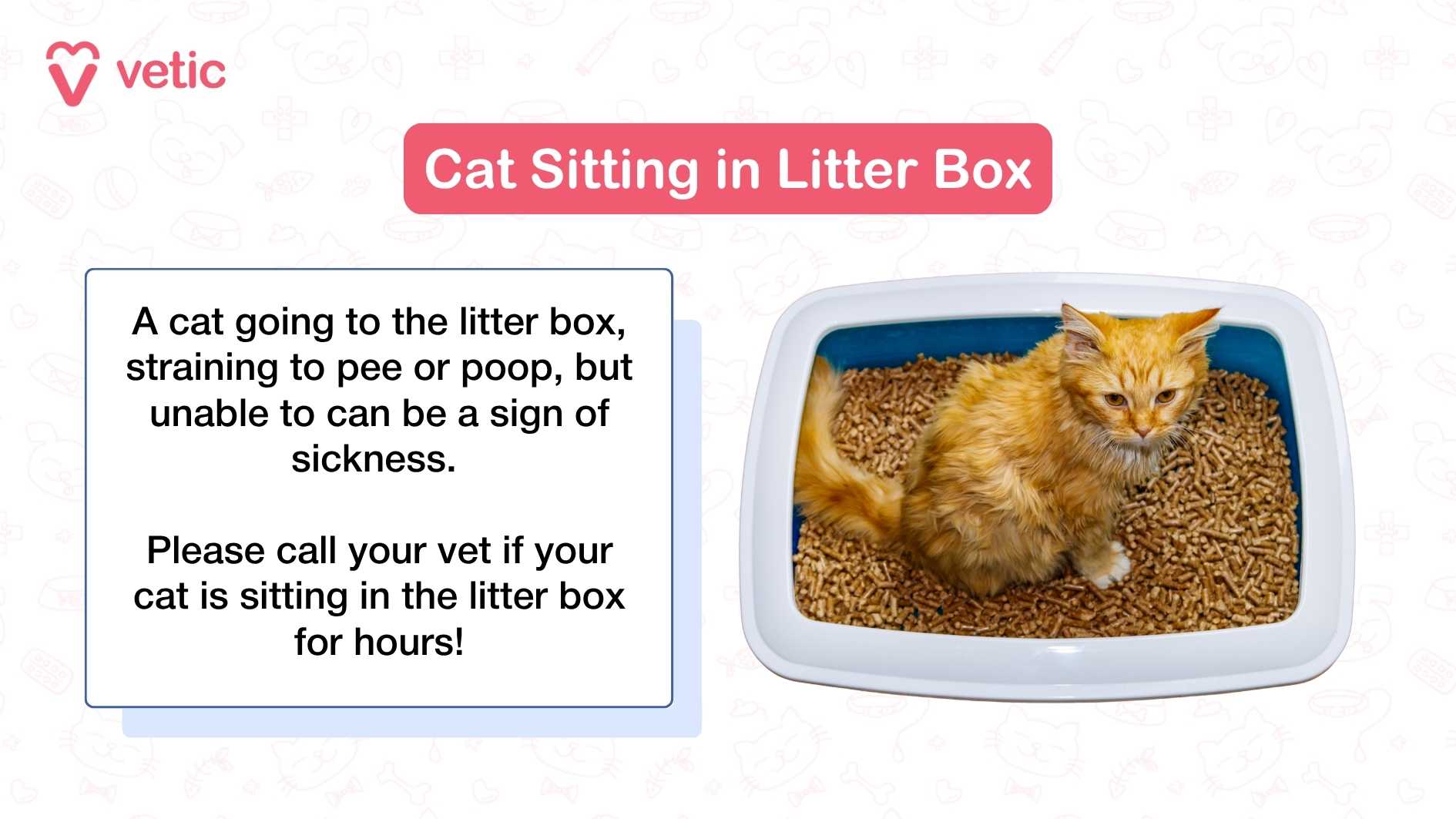
If your cat is avoiding the litter box, first watch for physical symptoms. Look for signs like blood in the urine, frequent urination, or straining to urinate. These could indicate urinary tract infections or kidney problems that require immediate medical attention.
Changes in appetite, lethargy, or vomiting alongside litter box avoidance also call for a vet’s evaluation. Ignoring these symptoms might worsen your cat’s condition. Your vet can run tests and prescribe treatments to ease your cat’s discomfort quickly.
When Behavioral Issues May Be The Root Cause
Once medical causes are ruled out, consider if stress or anxiety is at play. Cats are sensitive to changes such as new pets, moving homes, or loud noises. If your cat starts avoiding the litter box after such changes, consulting a behaviorist could help identify stress triggers.
Behaviorists can offer practical advice tailored to your cat’s personality. They might suggest environmental adjustments or training techniques to encourage litter box use again. Have you noticed if your cat uses the box in certain spots but not others? These details can guide the behaviorist’s approach.
How To Prepare For Your Appointment
Before visiting a veterinarian or behaviorist, keep a detailed diary of your cat’s litter box habits. Note the frequency, locations, and any unusual behavior surrounding elimination. This information gives professionals a clearer picture of the issue.
Also, gather information about recent changes in your cat’s environment, diet, and routine. Being organized helps you make the most of your appointment and speeds up finding a solution. What patterns do you see in your cat’s behavior that you hadn’t considered before?
Credit: vetic.in
Frequently Asked Questions
Why Did My Cat Suddenly Stop Using The Litter Box?
Cats may avoid the litter box due to stress, illness, or dirty litter. Changes in environment or new pets can also cause this behavior. Consulting a vet is essential to rule out medical issues.
How Can I Encourage My Cat To Use The Litter Box Again?
Keep the litter box clean and in a quiet area. Use unscented litter and provide multiple boxes if you have many cats. Reward your cat with treats when it uses the box.
Can Health Problems Cause Litter Box Avoidance In Cats?
Yes, urinary tract infections, kidney disease, and arthritis can make litter box use painful. Always consult a vet if your cat suddenly stops using the box.
What Type Of Litter Box Is Best For Cats?
Cats prefer uncovered, easy-to-access boxes with low sides. The size should be large enough for the cat to turn comfortably. Avoid scented litters as they can deter use.
Conclusion
Cats stop using their litter box for many reasons. Health problems, stress, or a dirty box can cause this. Watch your cat’s behavior closely to find clues. Keep the litter box clean and in a quiet place. Try different types of litter to see what your cat likes.
Patience and care help your cat feel safe again. Solving this issue takes time, but your effort matters. A happy cat means a happy home.

Leave a Reply