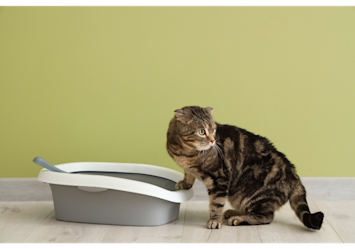
Cleaning your cat’s litter box might not be your favorite task, but it’s one you can’t avoid. A clean litter box means a happier cat and a fresher home for you.
If you want to make this chore quick, easy, and even a little satisfying, you’re in the right place. Keep reading, and you’ll discover simple tips and tricks that will transform how you clean your cat’s litter box—making it less messy and more effective.
Ready to take control of the smell and mess? Let’s dive in!

Credit: catit.ca
Choosing The Right Litter Box
Choosing the right litter box is key to keeping your cat happy and your home clean. The right box fits your cat’s size and habits. It also helps reduce odors and mess. This guide covers types of litter boxes and tips on size and placement.
Types Of Litter Boxes
There are many litter box types. Each suits different cats and homes.
- Open Litter Boxes:Easy to clean and good for cats that like space.
- Covered Litter Boxes:Help control odor and give cats privacy.
- Self-Cleaning Litter Boxes:Save time by automatically removing waste.
- Top-Entry Litter Boxes:Prevent litter tracking and keep dogs out.
Choose a style your cat prefers and fits your cleaning routine.
Size And Placement Tips
Size matters for comfort and cleanliness. The box should be 1.5 times your cat’s length.
Place the litter box in a quiet, low-traffic area. Avoid noisy spots or near food bowls.
Keep the box away from tight corners. Cats like space to enter and turn around.
Have one litter box per cat plus one extra to prevent conflicts.
Selecting The Best Cat Litter
Choosing the right cat litter makes cleaning easier and keeps odors low. Clumping litter helps remove waste quickly and keeps the box fresh. Regular scooping and full litter changes improve hygiene and comfort for your cat.
Selecting the right cat litter is crucial for a clean litter box. It affects odor control, ease of cleaning, and your cat’s comfort. With so many options, finding the perfect litter can be overwhelming. Let’s explore some key considerations.Clumping Vs Non-clumping Litter
Clumping litter forms solid clumps when wet. This makes scooping easy and helps maintain a clean box. It’s convenient for busy pet owners. Non-clumping litter absorbs moisture but doesn’t form clumps. It requires regular complete changes. Some cats prefer the texture of non-clumping litter. Consider your cleaning schedule and your cat’s preference.Scented And Unscented Options
Scented litter can mask odors, but some cats dislike strong smells. It may cause them to avoid the box. Unscented litter relies on regular cleaning to control odors. It’s a safer choice for sensitive cats. Test both options to find what suits your cat best.Daily Cleaning Routine
Keeping a cat litter box clean daily helps maintain a fresh home and happy cat. A simple routine prevents odors and keeps the box inviting. Daily care is quick and easy with the right habits.
Scooping Waste Efficiently
Scooping daily removes clumps and solid waste before they build up. Use a sturdy, slotted scoop to separate clean litter from waste.
- Scoop all clumps and solid waste.
- Tap the scoop gently to shake off excess litter.
- Dispose of waste in a sealed bag or trash can.
- Check corners and edges where waste can hide.
Regular scooping keeps the litter box clean and encourages your cat to use it.
Maintaining Odor Control
Odor control starts with scooping but needs more steps daily. Fresh litter and good airflow reduce bad smells.
- Stir the litter gently to air it out.
- Add a small amount of fresh litter to replace what is removed.
- Use a deodorizer made for cat litter if needed.
- Place the litter box in a well-ventilated area.
Keeping odors low makes your home more pleasant and your cat happier.
Credit: neakasa.com
Deep Cleaning Steps
Deep cleaning your cat’s litter box keeps it fresh and healthy. Regular cleaning stops odors and bacteria buildup. It also helps your cat feel comfortable using the box. Follow these simple steps to deep clean the litter box thoroughly.
Emptying The Litter Box
Start by removing all the litter from the box. Use a scoop or your hands with gloves to clear out clumps and loose litter. Dispose of the old litter in a sealed bag to control odors. Make sure the box is completely empty before moving to the next step.
Washing The Box Properly
Rinse the empty box with warm water. Use mild soap or a pet-safe cleaner to scrub all surfaces. Focus on corners and edges where waste can build up. Avoid harsh chemicals that might harm your cat. Rinse well to remove all soap residues.
Drying And Refilling
Dry the box completely with a clean towel or let it air dry. Moisture can cause clumping issues and odors. Add fresh litter to the box, filling it to the recommended depth. This keeps the box ready and inviting for your cat’s next use.
Tips To Keep The Area Fresh
Keeping the area around your cat’s litter box fresh isn’t just about cleanliness—it also creates a more pleasant environment for both you and your pet. Simple habits and smart tools can make a big difference in controlling odors and maintaining hygiene. Let’s look at practical tips that help you keep that space smelling clean and inviting.
Using Liners And Mats
Liners inside the litter box help catch waste and make cleaning easier. They prevent litter from sticking to the box, reducing buildup and odors. Using a mat outside the box catches stray litter and keeps the floor clean.
Choose mats with a textured surface to trap litter effectively. You can find waterproof options that are easy to shake out or wash. Have you noticed how much less litter gets tracked around when you use a good mat?
Regular Ventilation
Fresh air is one of the best natural ways to keep the litter area smelling good. Open windows or use a small fan nearby to circulate air and prevent odors from settling. Even a few minutes of ventilation daily can make a noticeable difference.
Consider placing the litter box in a well-ventilated room if possible. Have you tried leaving a window cracked open? The airflow can help reduce lingering smells without overpowering your space.
Natural Deodorizers
Instead of harsh chemicals, natural deodorizers can neutralize odors safely. Baking soda sprinkled under the litter absorbs moisture and smells. You can also add a small dish of activated charcoal nearby to trap odors.
Essential oils like lavender or eucalyptus can be used cautiously, but make sure they are safe for cats. Have you experimented with any natural products that worked well in your home? Small changes like these can keep the area fresh without risking your cat’s health.
Preventing Common Problems
Cleaning a cat litter box can bring up some common issues. Preventing these problems saves time and keeps the area fresh. Simple habits help maintain cleanliness and reduce odors. Pay attention to stains, residue, and challenges with multiple cats. These tips make the task easier and more effective.
Avoiding Stains And Residue
Use a litter box liner to protect the container’s surface. Clean the box weekly with mild soap and warm water. Avoid harsh chemicals that can leave harmful residues. Dry the box completely before adding fresh litter. Scoop daily to remove waste and reduce buildup. Regular cleaning stops stains from setting in. Consider switching to clumping litter for easier waste removal. This helps keep the box cleaner longer.
Handling Multiple Cats
Provide one litter box per cat plus one extra. This reduces crowding and territorial issues. Place boxes in different quiet spots around the house. Scoop all boxes at least twice a day. Use high-quality, odor-controlling litter. Monitor each cat’s habits for any changes. Keep spare boxes clean and ready to use. This approach keeps cats happy and the area hygienic.

Credit: www.youtube.com
Frequently Asked Questions
How Often Should I Clean My Cat Litter Box?
Clean the litter box daily by scooping waste. Fully wash and replace litter weekly to prevent odors and bacteria buildup. Regular cleaning keeps your cat healthy and maintains a fresh environment.
What Is The Best Way To Clean A Litter Box?
Use warm water and mild detergent to scrub the box. Avoid harsh chemicals that harm cats. Rinse thoroughly and dry before adding fresh litter to ensure safety and hygiene.
Can I Use Vinegar To Clean The Litter Box?
Yes, vinegar effectively removes odors and disinfects. Mix equal parts water and vinegar for cleaning. Rinse well after use to keep the box safe and odor-free.
How Do I Prevent Litter Box Odors Effectively?
Scoop waste daily and change litter weekly. Use clumping litter or add baking soda to absorb smells. Regular cleaning and proper ventilation reduce persistent odors efficiently.
Conclusion
Cleaning your cat’s litter box keeps your home fresh and your cat happy. Regular scooping stops bad smells and makes cleaning easier. Use mild soap and warm water to wash the box well. Let it dry completely before adding new litter.
Remember, a clean box helps prevent health problems for your cat. Small daily efforts make a big difference. Keep this routine simple and steady for best results. Your cat will thank you with love and good health. Simple steps, great results.

Leave a Reply