If you have a cat, you know how important a clean litter box is—for both you and your furry friend. But how often should you really be cleaning it?
Too little, and odors and bacteria can take over. Too much, and it might feel like a never-ending chore. Finding the right balance isn’t just about hygiene; it can make your cat happier and your home fresher. Keep reading to discover simple, practical tips that will help you keep your cat’s litter box clean without the hassle.
You’ll learn how often to clean it, why timing matters, and easy tricks to make the process quick and stress-free.

Credit: perfectpetzzz.com
Ideal Cleaning Frequency
Knowing how often to clean your cat’s litter box can make a huge difference in your home’s smell and your cat’s health. The ideal cleaning frequency strikes a balance between convenience and maintaining a fresh, hygienic environment. Let’s break down the benefits of daily and weekly cleaning routines so you can find what works best for you and your feline friend.
Daily Scoop Benefits
Scooping your cat’s litter box every day keeps odors at bay and creates a welcoming space for your cat. Cats are very clean animals and may avoid a dirty box, which could lead to accidents elsewhere in your home.
Daily scooping also helps you spot any unusual changes in your cat’s waste quickly, which can be an early sign of health issues. Spending just a few minutes each day on this task saves you from a bigger, more unpleasant cleaning session later.
Weekly Deep Clean Importance
Even with daily scooping, a weekly deep clean is necessary to remove buildup and bacteria that scooping alone can’t handle. This involves completely emptying the box, washing it with mild soap and warm water, and replacing the litter entirely.
Deep cleaning prevents stains and keeps the litter box looking and smelling fresh. It’s also a good opportunity to check for any damage or wear to the box itself, ensuring a safe and comfortable spot for your cat.

Credit: www.petplan.co.uk
Factors Affecting Cleaning Schedule
Knowing how often to clean your cat’s litter box depends on several key factors. These influence not only the frequency but also the approach you should take to keep the area fresh and comfortable for your cat. Understanding these factors helps you create a cleaning routine that fits your home and your pet’s needs.
Number Of Cats
The more cats you have, the more frequently you need to clean the litter box. A single cat might be fine with scooping once a day, but with two or more cats, you may need to scoop multiple times a day.
Multiple cats also increase the chance of litter box odor and mess, which can lead to accidents outside the box. Ask yourself: Are you noticing any signs your cats are avoiding the box? That’s often a clear signal to step up your cleaning routine.
Type Of Litter Used
Different litter types affect cleaning frequency and ease. Clumping litters make it simpler to remove waste daily, while non-clumping litters might require full changes more often.
Some litters control odor better, allowing a slightly longer time between cleanings, but this varies widely. Think about what has worked best for you and your cat—have you noticed certain litters hold up better over time?
Cat’s Health And Habits
Your cat’s health plays a big role in how often you should clean the litter box. Cats with digestive issues or urinary problems may need their boxes cleaned more frequently to prevent discomfort and encourage use.
Behavioral habits matter too. If your cat is picky or avoids a dirty box, you’ll need to clean it more often to keep them comfortable and stress-free. Have you observed changes in your cat’s bathroom habits? That might be your cue to adjust your cleaning schedule.
Signs Your Litter Box Needs Cleaning
Knowing when to clean your cat’s litter box is key to keeping your home fresh. Cats are very sensitive to dirty litter boxes. They often show clear signs that the box needs cleaning. Recognizing these signs helps maintain your cat’s health and comfort. It also keeps your living space odor-free and pleasant.
Unpleasant Odors
A strong, bad smell near the litter box means it needs cleaning. Odors come from urine and feces that build up quickly. Even with clumping litter, smells can linger after a day or two. If you notice a foul odor, it is time to scoop and refresh the litter. Regular cleaning stops smells from spreading around your home.
Visible Waste
Seeing clumps of waste in the litter box means cleaning is overdue. Waste should be scooped daily to keep the box clean. When you find large amounts of solid or wet waste, it shows the box has been ignored. Leaving waste too long causes the litter to become dirty and less effective. Clean litter encourages your cat to use the box consistently.
Changes In Cat Behavior
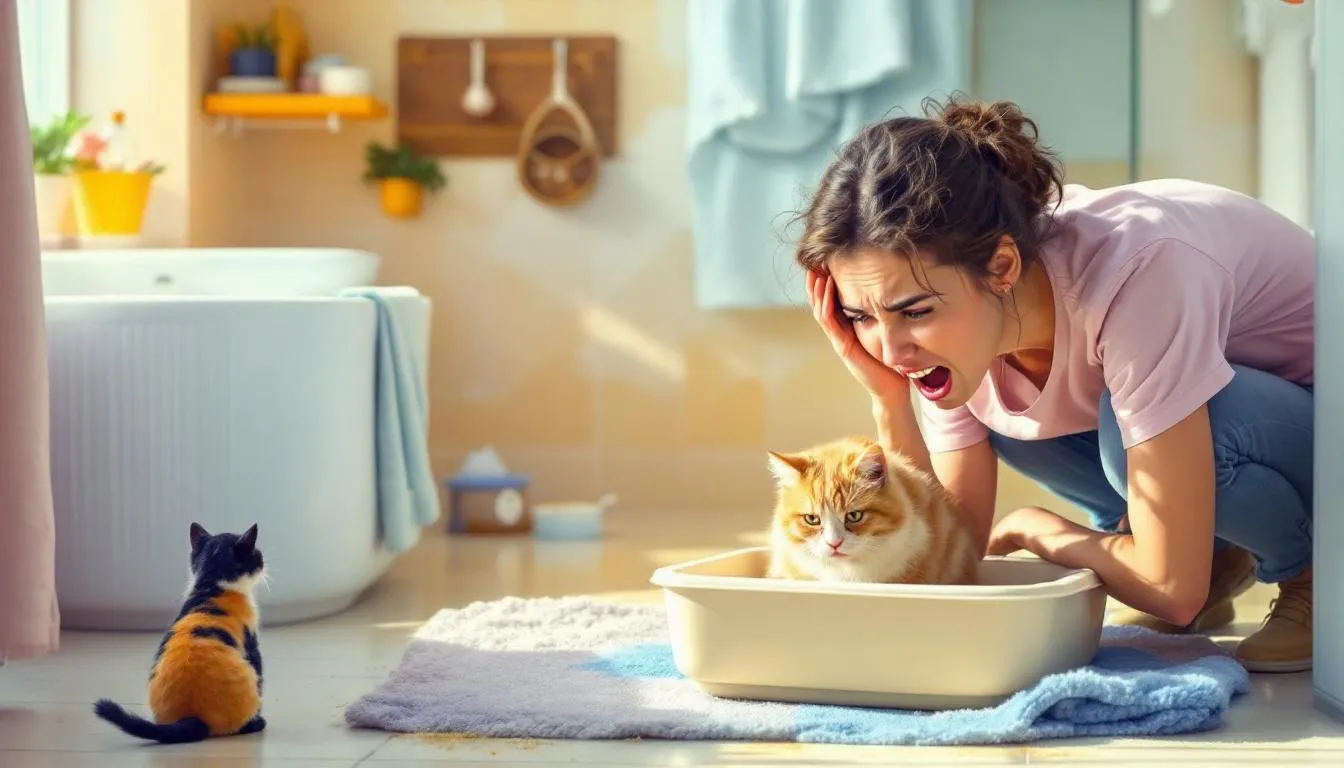
Cats may avoid a dirty litter box. They might start urinating outside the box or scratching furniture. A messy box can stress your cat and affect their health. Watch for signs like hesitation to enter the box or meowing nearby. These behaviors signal the litter box needs attention. Keeping the box clean keeps your cat happy and relaxed.

Credit: www.aol.com
Best Cleaning Practices
Keeping your cat’s litter box clean is essential for both your cat’s health and your home’s freshness. Best cleaning practices go beyond just scooping waste; they involve techniques and products that ensure a hygienic environment. The right approach can make maintenance easier and more effective, saving you time and hassle.
Proper Scooping Techniques
Scoop your cat’s litter box at least once a day to prevent odors and keep your cat comfortable. Use a slotted scoop to remove clumps and solid waste efficiently without wasting clean litter. Make sure to reach the corners and sides, where waste can sometimes stick.
Try scooping after your cat has used the box to catch waste early. If you have multiple cats, consider scooping more frequently to manage the extra use. Have you noticed your cat avoiding the litter box? It might be time to check if it’s clean enough.
Using Safe Cleaning Products
Choose mild, unscented soaps or specialized pet-safe cleaners when washing the litter box. Harsh chemicals or strong fragrances can deter your cat from using the box and may cause health issues. Rinse thoroughly to ensure no residue remains.
Vinegar diluted with water is a natural option that helps neutralize odors without harmful chemicals. Avoid bleach or ammonia-based cleaners because their smell can confuse your cat and make them avoid the box. What cleaning products have you found your cat tolerates best?
Replacing Litter Completely
Even with regular scooping, change all the litter and wash the box every one to two weeks. Completely replacing the litter prevents buildup of bacteria and odors that scooping alone can’t fix. Use warm water and your chosen safe cleaner to scrub the box before adding fresh litter.
If you use clumping litter, monitor how quickly it loses effectiveness and adjust the replacement schedule accordingly. Some litters last longer, but it’s important to keep the box feeling fresh for your cat. Have you noticed a difference in your cat’s behavior after changing the litter completely?
Tips To Keep Litter Box Fresh Longer
Cleaning the cat litter box daily keeps odors away and ensures a fresh environment for your pet. Regular scooping prevents bacteria buildup and helps maintain cleanliness longer.
Keeping your cat’s litter box fresh can be a challenge, but it’s essential for both your pet’s health and your home’s ambiance. Nobody likes the lingering smell of a dirty litter box. With a few strategic tips, you can extend the freshness of your cat’s litter box and keep unpleasant odors at bay. Let’s dive into some practical ways to maintain a fresher litter box for longer.Choosing Odor Control Litters
Select a litter that is specifically designed to control odors. These litters often include ingredients like activated charcoal or baking soda, which help neutralize smells. When purchasing, look for labels that mention odor control to ensure you’re getting the best option for a fresher home environment.Location And Ventilation
Place the litter box in a well-ventilated area. Fresh air circulation helps disperse odors more effectively. Avoid cramped or closed-off spaces like closets, as these can trap smells and exacerbate the problem.Using Liners And Deodorizers
Consider using liners to make cleaning easier and prevent odors from seeping into the litter box itself. Add a deodorizer specifically made for cat litter to enhance freshness. These can be sprinkled into the litter and are a quick way to tackle unwanted smells. By implementing these tips, you’ll find that maintaining a fresh litter box becomes a less daunting task. Your cat will appreciate the cleanliness, and you’ll enjoy a more pleasant home. What other strategies have you found effective in keeping your cat’s litter box fresh?Frequently Asked Questions
How Often Should I Scoop My Cat’s Litter Box?
Scoop the litter box at least once daily. Frequent scooping prevents odor and keeps cats comfortable. Regular cleaning promotes a healthy environment for your pet.
When Is The Best Time To Completely Change Litter?
Change all the litter once a week. Full replacement prevents bacteria buildup and controls odors. Use fresh litter to maintain cleanliness and hygiene.
How Often Should I Wash The Litter Box Itself?
Wash the litter box every 2 to 4 weeks. Use mild soap and warm water. Cleaning removes stains and reduces harmful bacteria, ensuring a fresh environment for your cat.
Can Frequent Cleaning Improve My Cat’s Behavior?
Yes, frequent cleaning reduces odors and discomfort. A clean litter box encourages your cat to use it consistently. This prevents inappropriate elimination and promotes good litter habits.
Conclusion
Cleaning your cat’s litter box often keeps your home fresh and your cat happy. A clean box helps stop bad smells and prevents germs. Scoop waste every day and change all the litter once a week. Watch your cat’s habits to know if you need to clean more.
A tidy litter box makes your pet feel safe and cared for. Small daily actions make a big difference in cleanliness and comfort. Keep a routine, and your cat will thank you with love and good health. Simple steps, great results.

Leave a Reply