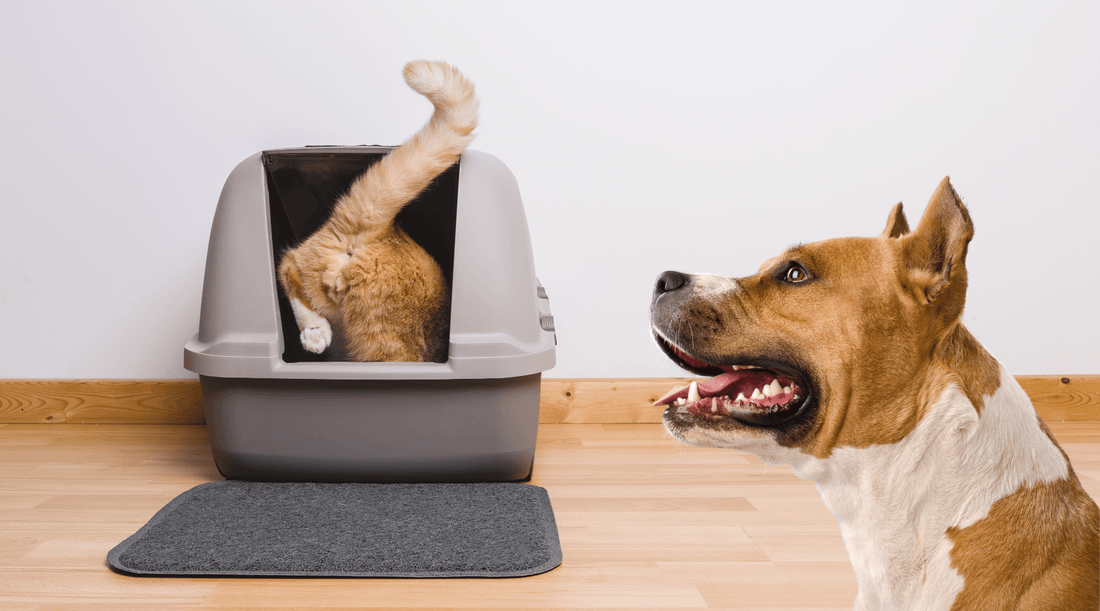
Have you ever wondered why your cat always uses the litter box, while your dog seems to have a mind of its own when it comes to bathroom habits? Understanding this difference can make your life easier and your home cleaner.
If you’ve struggled with training your dog or puzzled over your cat’s neat behavior, you’re not alone. Keep reading, and you’ll discover the surprising reasons behind these habits—and how knowing them can help you better care for your furry friends.
Credit: vetic.in
Cat Litter Box Basics
Understanding the basics of cat litter boxes helps explain why cats naturally choose them, unlike dogs. Cats have unique behaviors that make the litter box an ideal spot for their bathroom needs. Let’s look closer at what drives this preference and why litter boxes work so well for cats.
Natural Instincts Behind Litter Use
Cats instinctively bury their waste. This behavior comes from their wild ancestors who hid their scent to avoid predators. Your cat’s need to cover up their mess is strong, making a litter box filled with loose material very appealing.
Have you noticed how your cat scratches around the litter before doing their business? That’s a natural digging instinct. Dogs, on the other hand, do not have this instinct to bury their waste, which is why they don’t use litter boxes.
Understanding this instinct can help you set up the perfect litter box. Use soft, clumping litter that mimics natural soil. Your cat will feel more comfortable and likely use the box consistently.
Benefits Of Litter Boxes For Cats
Litter boxes offer several benefits that align with your cat’s habits and comfort. They provide a private, secure place for your cat to relieve themselves. This reduces stress and helps maintain your cat’s health.
- Cleanliness:Litter boxes contain odors and mess, keeping your home fresh.
- Convenience:You can place the box anywhere indoors, making it easy for your cat to access at all times.
- Health Monitoring:Using a litter box lets you track your cat’s bathroom habits, which helps detect health issues early.
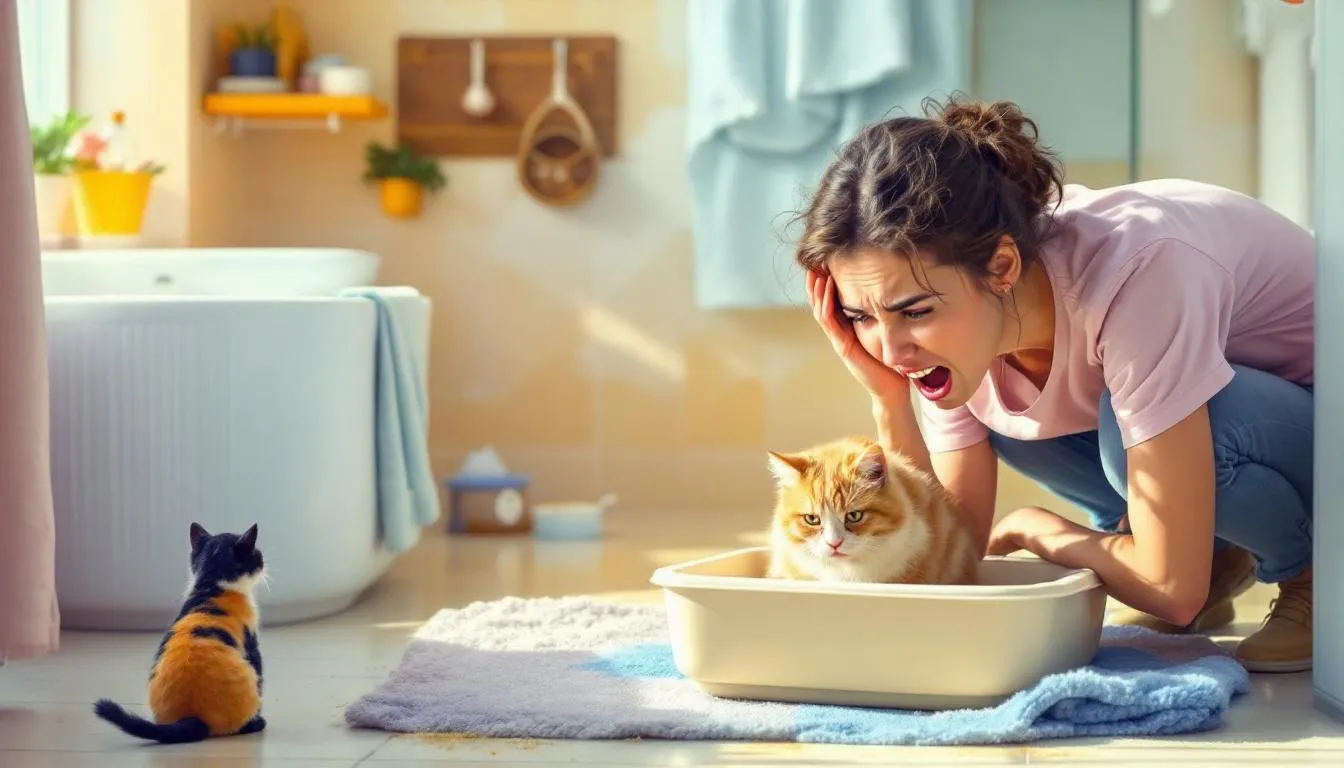
Have you ever thought about how a clean litter box impacts your cat’s behavior? A dirty box might make your cat avoid it, leading to accidents around the house. Regular scooping and changing the litter keep your cat happy and your home clean.
Dog Bathroom Habits
Dogs have different bathroom habits compared to cats. They usually prefer to go outside. This behavior links to their natural instincts and ways of communication. Understanding these habits helps pet owners care for dogs better.
Outdoor Elimination Preferences
Dogs like to eliminate outdoors. They need space and fresh air. Going outside lets them choose spots for bathroom needs. This habit comes from their wild ancestors. Wild dogs marked territory and avoided soiling their dens.
Outdoor elimination helps dogs stay clean. It reduces indoor accidents. Dogs learn to wait for walks or yard time. Owners often train dogs to go outside. This training suits dogs’ natural bathroom habits.
How Dogs Communicate Through Urine
Dogs use urine to send messages. They mark territory by peeing on objects. This helps them show presence to other dogs. Urine marking shares information like age, sex, and health.
This behavior is strong in males but common in females too. Dogs sniff urine to learn about others. It helps them avoid fights and find mates. Urine communication is vital for social dogs.
Evolution And Domestication
Understanding why cats use litter boxes and dogs do not involves exploring their evolution and domestication. These factors shape how each animal behaves in a home environment. Their ancestors and the changes brought by living with humans play big roles.
Wild Ancestors’ Influence On Behavior
Cats descended from solitary hunters who needed to hide their scent. They bury their waste to avoid predators and rivals. This instinct helps them stay safe in the wild. Cats still follow this natural habit in homes. Using a litter box allows them to cover their waste easily.
Dogs come from pack animals with different habits. Wolves mark territory by leaving scent around. They do not bury their waste because it signals ownership. This behavior continues in pet dogs. They often choose outdoor spots to urinate and defecate, marking their space.
Impact Of Domestication On Pets
Cats were domesticated mainly for pest control, keeping many wild traits. Their litter box use suits indoor living. Domestication did not change their instinct to bury waste. It remains strong and easy to train.
Dogs were bred for work and companionship. Their social nature made them outdoor animals originally. They adapted to human schedules but kept outdoor bathroom habits. Training dogs to use indoor potty areas is harder and less natural.
Credit: vetic.in
Training Differences
Training cats and dogs to handle their bathroom needs differs greatly due to their natural behaviors and instincts. Cats naturally prefer a clean, contained space to eliminate, making litter box training easier. Dogs, on the other hand, are more social and territorial, so their training involves outdoor routines and commands.
How Cats Learn To Use Litter Boxes
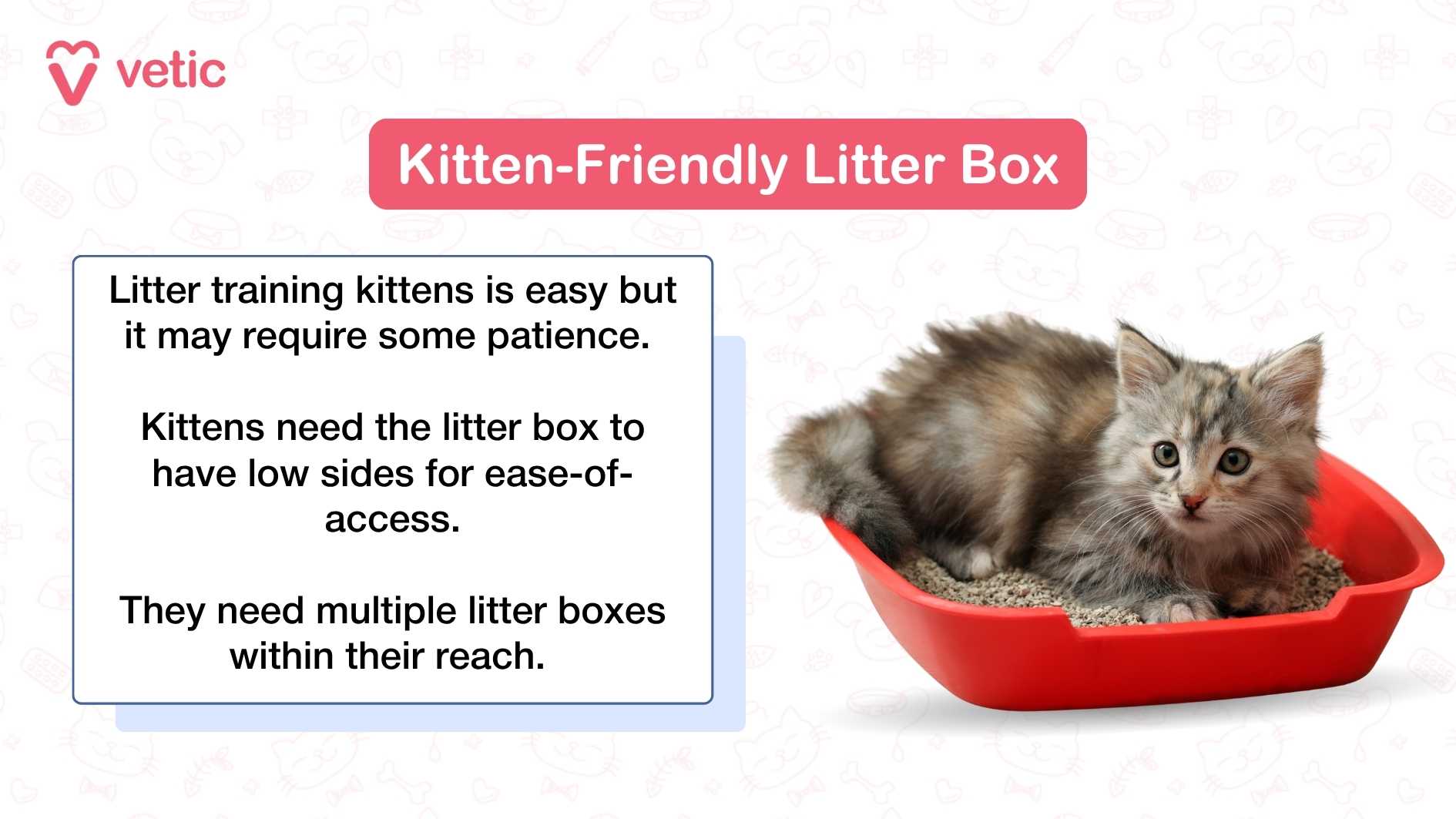
Cats have a natural instinct to bury their waste. This behavior helps them hide their scent from predators. Litter boxes mimic this natural environment. Cats quickly understand that the box is the right place to dig and cover their waste.
Most kittens learn from their mother or by exploring on their own. Owners can help by placing the box in a quiet, accessible spot. Keeping the box clean encourages cats to use it consistently. Positive reinforcement, like gentle praise, helps reinforce this behavior.
Dog Training For Outdoor Bathroom
Dogs need to be trained to go outside. Unlike cats, dogs do not naturally hide their scent. They use bathroom breaks to mark their territory. This makes outdoor training necessary.
Owners teach dogs specific spots to go by using commands and schedules. Consistency is key. Taking dogs out frequently helps build good habits. Rewarding dogs with treats or praise after they go encourages repeat behavior.
Patience is important. Dogs may take weeks to fully learn the routine. Clear communication and routine help dogs understand expectations better.
Environmental Factors
Environmental factors play a big role in why cats prefer litter boxes while dogs typically do not. The way your home is set up and how you live with your pet can shape their bathroom habits. Understanding these can help you better manage your pet’s needs and keep your living space comfortable for everyone.
Space And Living Arrangements
Cats are natural homebodies. They usually feel safe and secure in smaller, confined spaces. A litter box fits perfectly into this kind of environment, offering them a private, consistent spot to do their business.
Dogs, on the other hand, often need more room to roam. They’re used to going outside to eliminate, which matches their preference for open spaces. If your living space lacks a yard or outdoor access, you might notice more accidents inside.
Think about your own living arrangement—do you have easy outdoor access for your dog? How private is the space where your cat’s litter box sits? These details can influence your pet’s behavior more than you realize.
Owner Lifestyle And Pet Habits
Your daily routine impacts your pet’s bathroom habits. Cats usually keep a regular schedule and can manage their needs indoors with a clean litter box. This suits owners who may not have as much time to take pets outside frequently.
Dogs often mirror their owner’s activity level. If you’re someone who enjoys outdoor walks, your dog benefits from frequent bathroom breaks outside. But if you have a busy schedule, your dog might struggle, leading to indoor accidents.
Have you noticed how your pet’s habits change when your routine shifts? Adjusting your schedule or providing more outdoor time can make a big difference in their bathroom behavior.
Health And Hygiene Considerations
Health and hygiene play a big role in why cats use litter boxes while dogs do not. Cats are naturally clean animals and prefer to bury their waste immediately, which helps keep their environment sanitary. Dogs, on the other hand, have different habits and needs when it comes to waste elimination, which affects how owners manage their health and hygiene.
Litter Boxes And Cat Health
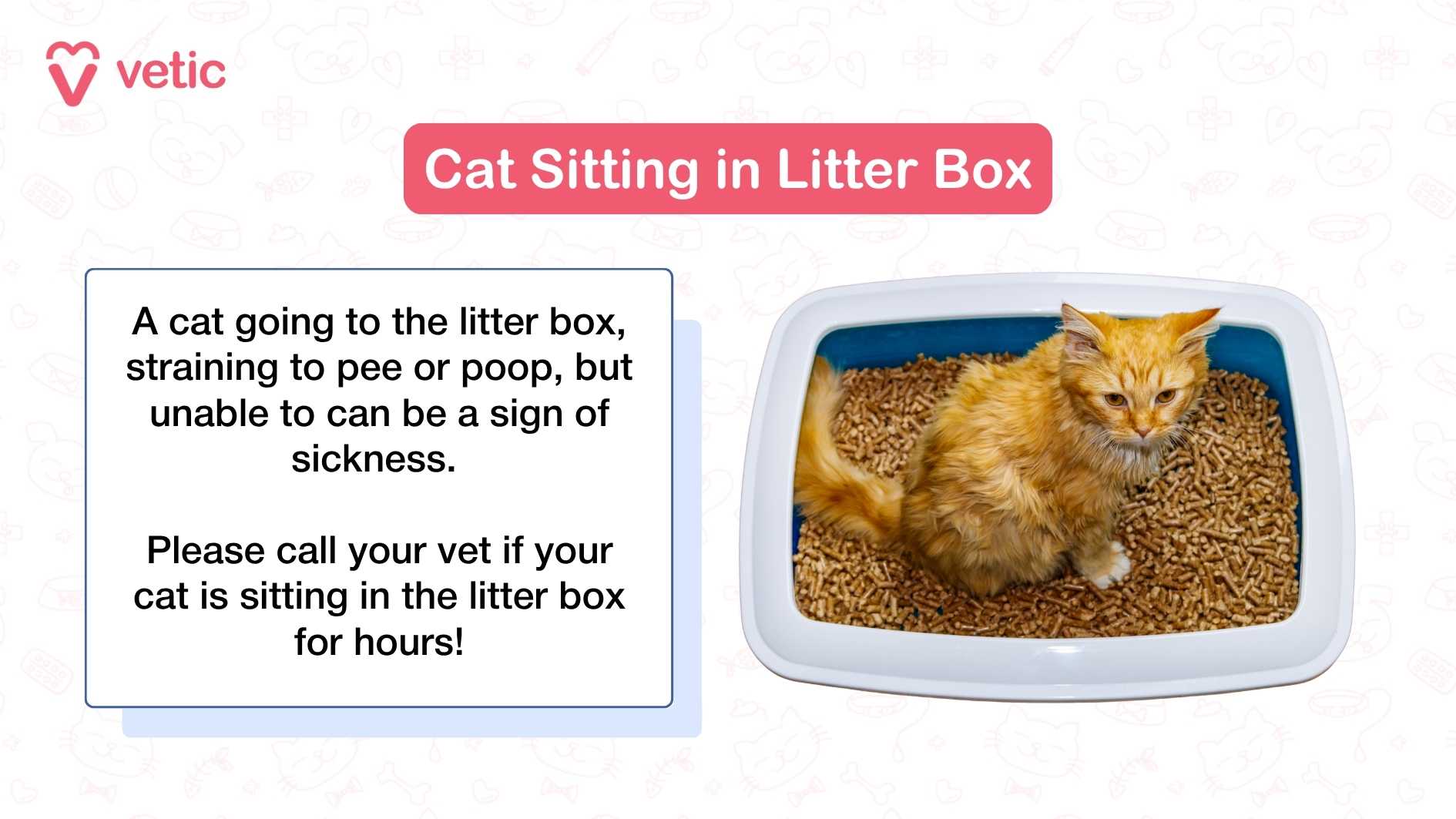
Cats use litter boxes to keep their waste contained in one place. This behavior helps you monitor their health easily by checking for changes in urine color, consistency, or frequency. You can spot early signs of issues like urinary tract infections or dehydration just by observing their litter box habits.
Keeping a clean litter box also reduces the risk of infections and bad odors in your home. Cats are sensitive to dirty environments, and a neglected litter box might lead to accidents outside the box. Regular scooping and changing of litter create a healthy and comfortable space for your cat.
Managing Dog Waste Responsibly
Dogs don’t use litter boxes because they need space to move and sniff, which helps them decide where to go. This means you must take on the responsibility of walking your dog and cleaning up after them.
Picking up dog waste promptly prevents harmful bacteria from contaminating your yard or neighborhood. It also protects other pets and children from potential health risks. Carrying waste bags and having a routine for clean-up shows respect for your community and keeps the environment safe.
Have you ever noticed how dogs often prefer grass or dirt for their bathroom breaks? This natural behavior helps keep your home cleaner but requires your active involvement outside. Managing dog waste well is a simple step that makes a big difference in hygiene for you and your pet.
Surprising Exceptions
Cats naturally bury their waste, making litter boxes a perfect fit. Dogs prefer open spaces and often mark territory instead. Some dogs can learn to use boxes, but it’s not their usual habit.
Cats and dogs have distinct habits that often leave pet owners perplexed. One common question is why cats naturally gravitate towards litter boxes while dogs usually do not. However, there are surprising exceptions to this rule. Understanding these anomalies not only broadens our knowledge of pet behavior but also helps in managing them better.Dogs That Use Indoor Potty Solutions
Believe it or not, some dogs adapt to indoor potty solutions quite efficiently. Small breeds, like Chihuahuas or Pomeranians, often benefit from using pee pads or indoor grass patches. These tools are especially handy for city dwellers or during harsh weather conditions. I’ve noticed that consistent training plays a crucial role. A friend of mine successfully trained her dachshund to use a litter box by rewarding him with treats each time he used it. Could your dog benefit from an indoor potty solution?Cats That Avoid Litter Boxes
While most cats instinctively use litter boxes, some avoid them altogether. Stress, health issues, or an aversion to certain types of litter can be the culprits. For instance, a change in the household, like a new pet, might cause a cat to boycott its litter box. You can often solve this by experimenting with different types of litter or changing the box’s location. My cat once refused her box until I swapped the litter type. Have you noticed any changes in your cat’s behavior that might point to a litter box issue? Addressing these concerns can make a world of difference.
Credit: vetic.in
Frequently Asked Questions
Why Do Cats Prefer Litter Boxes?
Cats instinctively bury their waste to hide scent from predators. Litter boxes mimic this natural behavior, making them appealing. They also appreciate a clean, confined spot to eliminate, which litter boxes provide conveniently indoors.
Why Don’t Dogs Use Litter Boxes Like Cats?
Dogs lack the natural instinct to bury waste. They prefer outdoor elimination due to their social and territorial habits. Dogs often need more space and scent-marking opportunities, making outdoor areas more suitable than litter boxes.
How Does Instinct Affect Cats’ Litter Box Use?
Cats’ hunting and survival instincts drive them to cover waste. This behavior keeps their environment clean and reduces threat detection. Litter boxes satisfy this instinct, making cats comfortable using them indoors.
Can Dogs Be Trained To Use Litter Boxes?
Dogs can be trained, but it’s less common and challenging. Their natural preference is outdoor elimination. Training requires patience and frequent positive reinforcement, but it often doesn’t replace walks or yard time.
Conclusion
Cats use litter boxes because they like clean, private places. Dogs prefer outdoor spots to mark their territory and move around. Both animals have natural habits that suit their needs. Understanding these differences helps pet owners care better for their pets.
Providing the right bathroom space keeps pets happy and healthy. Simple changes can make a big difference in pet training. Each pet is unique and needs patience to learn. Respecting their instincts builds trust and comfort at home.

Leave a Reply