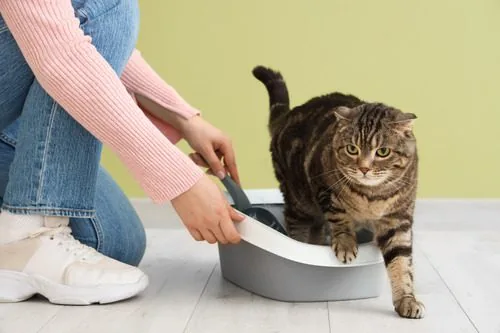
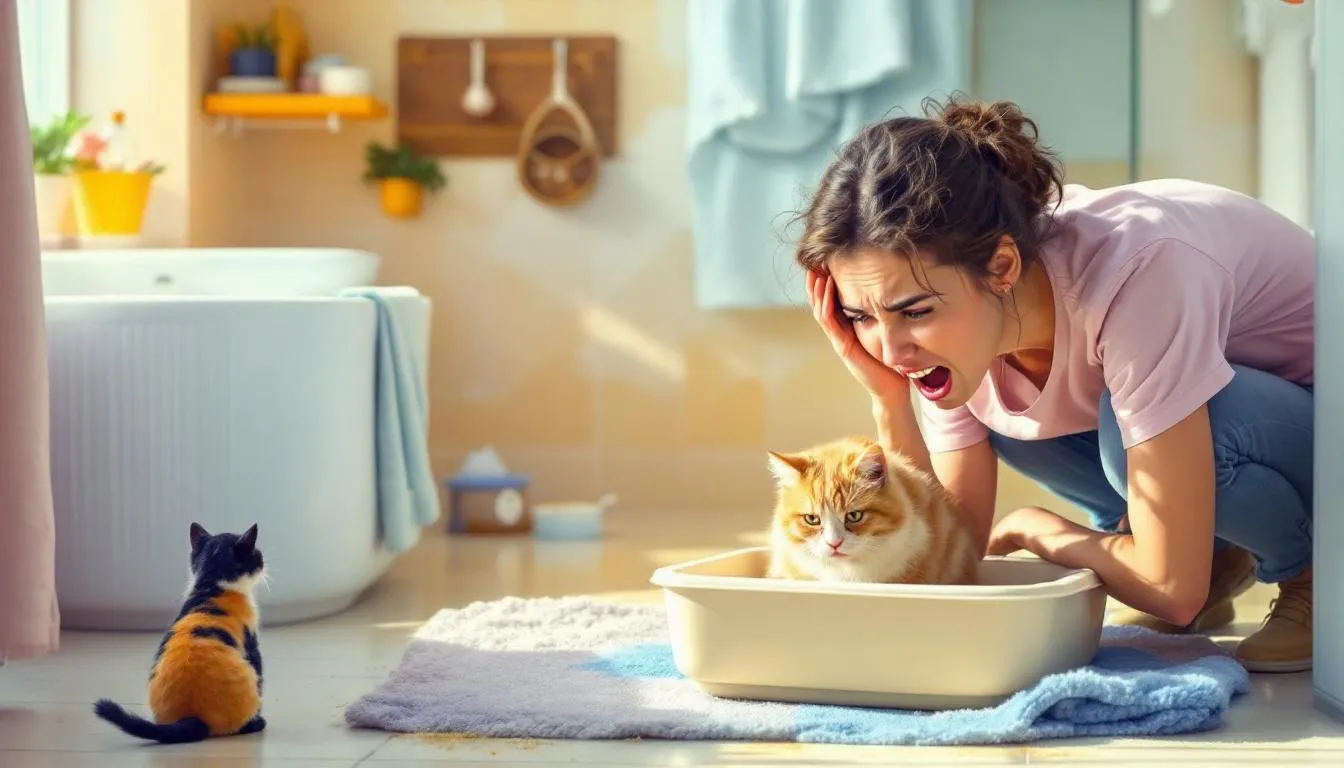
Is your cat leaving unwanted surprises outside the litter box? You’re not alone, and it can be really frustrating.
When your furry friend starts pooping in places they shouldn’t, it disrupts your home and creates stress for both of you. But don’t worry—there are simple, effective ways to solve this problem. You’ll discover easy steps to help your cat use the litter box consistently again.
Keep reading, because understanding why this happens and how to fix it will make your life—and your cat’s life—much happier.
Credit: www.petmd.com
Reasons Cats Avoid Litter Box
Cats may avoid their litter box for several reasons. Understanding these reasons helps solve the problem quickly. Cats are sensitive animals. Small changes or issues can make them stop using the box. Knowing why your cat avoids the litter box is the first step to fix the problem.
Medical Issues
Health problems often cause cats to stop using the litter box. Urinary tract infections cause pain during urination. Arthritis or injury makes moving to the box hard. Digestive issues may lead to accidents outside the box. A vet check-up is important to rule out medical causes.
Litter Box Cleanliness
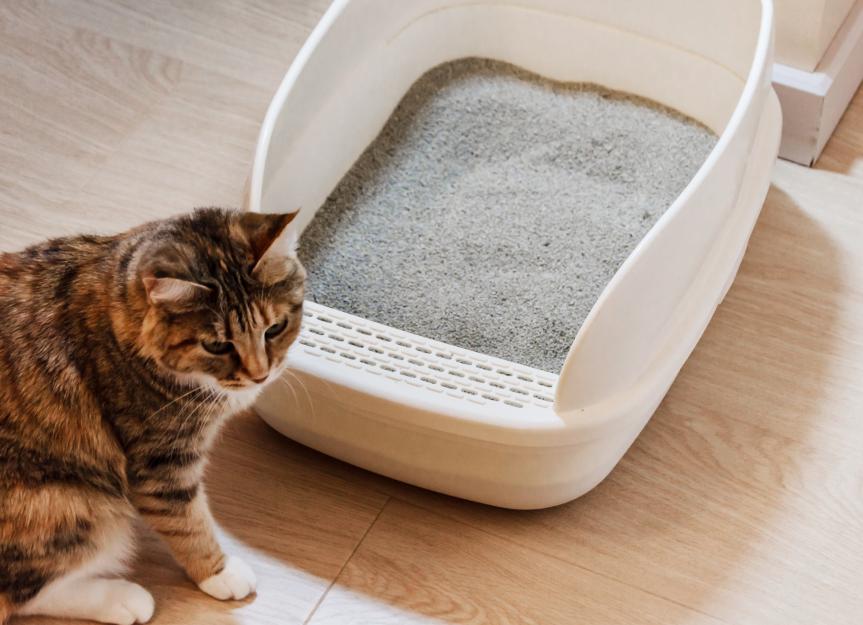
Cats prefer a clean place to do their business. A dirty litter box can repel them quickly. Cats smell strongly and dislike old waste. Cleaning the box daily keeps it fresh. This encourages cats to return to the right spot.
Litter Type Preferences
Not all cats like the same kind of litter. Some prefer fine grains, others coarse. Scented litter can bother sensitive noses. Cats may reject new litter types suddenly. Testing different litters helps find the one your cat likes best.
Stress And Anxiety
Changes in the home can upset cats. New pets, loud noises, or moving furniture cause stress. Anxiety makes cats avoid the litter box. Creating a calm environment helps. Providing hiding places and routine reduces stress.
Territorial Behavior
Cats mark territory with urine or feces. Other cats in the house can trigger this behavior. They may avoid the litter box to mark new spots. Separate litter boxes for each cat reduce conflicts. This helps maintain peace and cleanliness.
Credit: vetic.in
Choosing The Right Litter Box
Choosing the right litter box is a crucial step to stop your cat from pooping outside the box. Cats have unique preferences that affect their comfort and willingness to use the litter box consistently. Paying attention to the box itself can make a surprising difference in your cat’s bathroom habits.
Box Size And Accessibility
Your cat needs enough space to turn around and dig comfortably. A box that is too small can frustrate them, causing accidents outside. Larger cats, especially, require bigger boxes to feel secure.
Also, consider accessibility. Older cats or those with mobility issues might struggle with high-sided boxes. A low-entry box or one with a ramp can be much easier for them to use.
Covered Vs Open Boxes
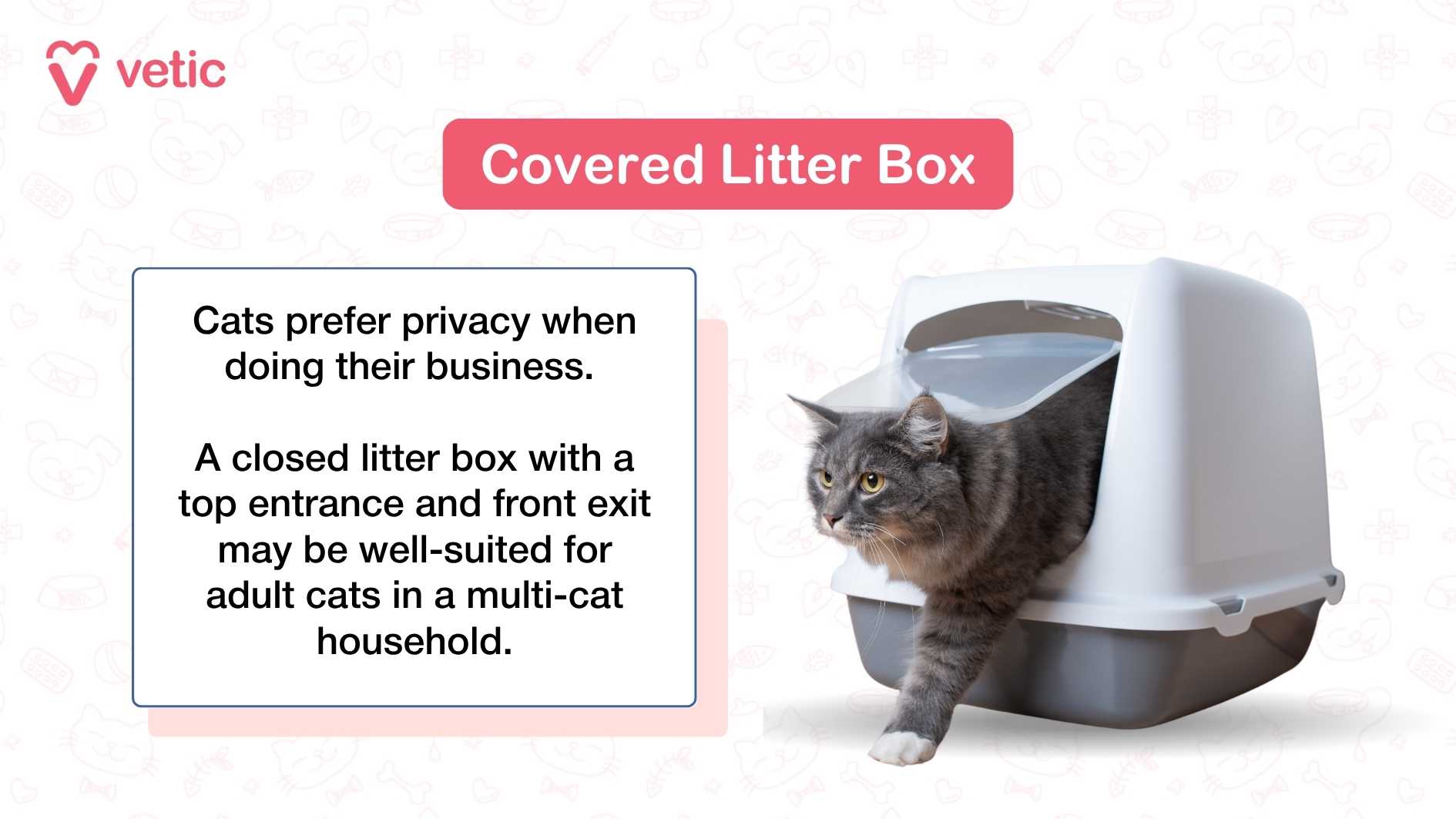
Some cats prefer the privacy of a covered box, while others feel trapped and avoid it. Covered boxes can help contain odors and litter scatter but might trap smells inside, which bothers some cats.
Observe your cat’s behavior. If your cat hesitates near the covered box or seems anxious, try switching to an open one. Personal preference plays a big role here, so don’t be afraid to experiment.
Number Of Boxes Needed
The general rule is one box per cat plus one extra. This rule helps prevent territorial disputes and ensures your cat always has a clean place to go.
If you have a multi-story home, place boxes on different levels. This makes it easier for your cat to access a box quickly and reduces the chance of accidents.
Have you noticed your cat avoiding the box after a fight or stress? Adding an extra box in a quiet location can provide a safe retreat and encourage proper use.
Selecting Suitable Cat Litter
Choosing the right cat litter can encourage your cat to use the box consistently. Soft, unscented litter often feels more comfortable for cats to dig and cover. Keep the litter clean and fresh to prevent accidents outside the box.
Selecting the right cat litter plays a crucial role in litter box training. Cats can be very particular about their litter preferences. Choosing the wrong type might lead them to avoid the litter box altogether. Understanding the various options can help you select the ideal litter for your feline friend. Below are some aspects to consider when choosing suitable cat litter.Texture And Scent Options
Cats have sensitive paws, making texture an important factor. Some cats prefer soft and sandy textures. Others might favor coarser grains. Experiment with different textures to see which your cat prefers. Many litters come with added scents. While some cats might enjoy a fresh scent, others may find it off-putting. Unscented litter is often a safe choice to start with.Clumping Vs Non-clumping
Clumping litter forms solid clumps when wet. This makes it easier to scoop and maintain cleanliness. Non-clumping litter absorbs moisture but doesn’t form clumps. It may require more frequent changes to prevent odors. Consider your cleaning preferences and your cat’s comfort when choosing between these options.Avoiding Harmful Ingredients
Some litters contain chemicals that can be harmful to cats. Check for dust-free and chemical-free labels. Silica gel and natural options like corn or wheat are often safer. Avoid litters with artificial fragrances or dyes. Always prioritize your cat’s health and comfort when selecting litter.Maintaining Litter Box Hygiene
Keeping your cat’s litter box clean is more than just a chore—it’s a key factor in preventing your cat from pooping outside the box. Cats are naturally clean animals, and a dirty litter box can quickly become a deal breaker for them. By maintaining proper hygiene, you create a welcoming environment that encourages your cat to use the box consistently.
Daily Scooping Tips
Scooping waste every day is essential. Even if the litter looks fine, cats can detect odors that you might miss. Removing clumps and solid waste promptly keeps the box fresh and inviting.
Try using a scoop with closely spaced slats to catch all the clumps efficiently. Scoop at least twice a day if you have multiple cats. This habit can drastically reduce the chance that your cat will choose an alternate spot for their business.
Regular Deep Cleaning
Besides daily scooping, deep cleaning the litter box regularly is crucial. Empty the box completely once a week and wash it with mild soap and warm water. Avoid harsh cleaners with strong smells, as these might deter your cat from returning.
Some cat owners use baking soda or white vinegar during cleaning to neutralize odors naturally. Dry the box thoroughly before adding fresh litter. This routine refreshes the box and helps your cat associate it with cleanliness.
Placement Of Litter Box
Where you place the litter box can impact your cat’s willingness to use it. Choose a quiet, low-traffic area where your cat feels safe. Avoid spots near loud appliances or busy hallways.
Make sure the box isn’t too close to your cat’s food and water bowls. Cats prefer separation between their eating and bathroom areas. You might want to experiment with different locations and observe your cat’s preferences to find the perfect spot.
Behavioral Strategies
Behavioral strategies play a key role in helping your cat stop pooping outside the litter box. Understanding your cat’s habits and motivations can guide you to effective solutions. These strategies focus on encouraging good behavior while gently discouraging unwanted actions.
Positive Reinforcement
Reward your cat every time it uses the litter box correctly. Use treats, gentle petting, or soft praise to make the experience enjoyable. Cats respond well to positive attention, so celebrate small wins to build a good habit.
If your cat is hesitant, place treats inside the litter box to create a positive association. Consistency matters—always reward the good behavior immediately.
Discouraging Unwanted Areas
Identify the spots where your cat poops outside the litter box and make them less appealing. You can use double-sided tape, aluminum foil, or commercial pet deterrent sprays on these areas. Cats dislike certain textures and smells, so these simple tools can keep them away.
Clean soiled spots thoroughly to remove lingering odors that might attract your cat again. Have you noticed how your cat reacts to particular smells? Experiment with safe deterrents until you find what works.
Managing Multi-cat Households
In homes with multiple cats, competition can cause litter box issues. Ensure you provide enough litter boxes—ideally one per cat plus one extra—to reduce territorial stress. Place boxes in different quiet locations to give each cat privacy.
Watch for signs of bullying or stress around the boxes. Sometimes, separating cats during litter box time or providing additional resources like feeding stations can ease tension and improve bathroom habits.
When To Consult A Veterinarian
Knowing when to seek veterinary help is crucial if your cat suddenly starts pooping outside the litter box. It’s not always about bad habits or litter box issues. Sometimes, your cat might be trying to tell you there’s a health problem.
Signs Of Health Problems
Watch closely for any changes in your cat’s bathroom habits that might signal illness. Blood in the stool, straining to poop, or frequent attempts with little success are red flags. Sudden accidents outside the box combined with lethargy, loss of appetite, or vomiting should prompt a vet visit immediately.
Even if your cat seems fine otherwise, ongoing litter box avoidance can point to hidden issues like urinary tract infections or digestive troubles. Ignoring these signs can make the problem worse and more painful for your cat. Have you noticed any subtle changes that might be easy to miss?
Professional Behavioral Advice
If your vet rules out medical causes, a behavior expert can help identify why your cat is avoiding the litter box. Stress, anxiety, or changes in the home environment often cause this behavior. A professional can offer tailored strategies to reduce stress and encourage proper litter box use.
Sometimes, small adjustments like adding another litter box or changing the litter type make a big difference. Behavioral specialists also teach you how to read your cat’s body language better, so you can spot early signs of discomfort. Would you be open to trying expert advice to save your relationship with your furry friend?

Credit: smart.dhgate.com
Frequently Asked Questions
Why Is My Cat Pooping Outside The Litter Box?
Cats may poop outside due to stress, illness, or litter box issues. Check for medical problems and ensure cleanliness. Provide multiple boxes and a quiet location to encourage proper use.
How Can I Stop My Cat From Pooping Elsewhere?
Clean the litter box daily and use unscented litter. Reduce stress by keeping a calm environment. Consider adding more litter boxes in different spots around your home.
What Type Of Litter Box Suits Cats Best?
Cats prefer large, clean litter boxes with low sides for easy access. Covered boxes may trap odors but can discourage some cats. Experiment with open and covered styles to find your cat’s preference.
Can Diet Affect My Cat’s Litter Box Habits?
Yes, poor diet can cause digestive issues leading to accidents. Feed a balanced, high-quality diet and consult a vet if problems persist. Proper hydration also supports healthy bowel movements.
Conclusion
Stopping a cat from pooping outside the litter box takes patience. Keep the litter box clean and in a quiet spot. Try different types of litter to find what your cat likes. Watch for signs of illness and visit the vet if needed.
Reward your cat for good behavior. Small changes can make a big difference. Remember, your cat needs time to adjust. Consistency is key to success. You can help your cat feel comfortable and happy.

Leave a Reply