Have you ever wondered if people actually get their cats groomed? You might think cats take care of themselves, but there’s more to it than just licking fur.
Grooming your cat can make a huge difference in their health and happiness. You’ll discover why grooming matters, how it benefits your furry friend, and simple ways you can keep your cat looking and feeling great. Keep reading to find out if grooming is something your cat needs—and why you should care.
Benefits Of Cat Grooming
Cat grooming offers many benefits that improve your pet’s health and happiness. Regular grooming helps keep the coat clean and shiny. It also prevents common problems that cats face with their fur and skin. Grooming is more than just a beauty routine. It supports your cat’s overall well-being.
Improving Coat Health
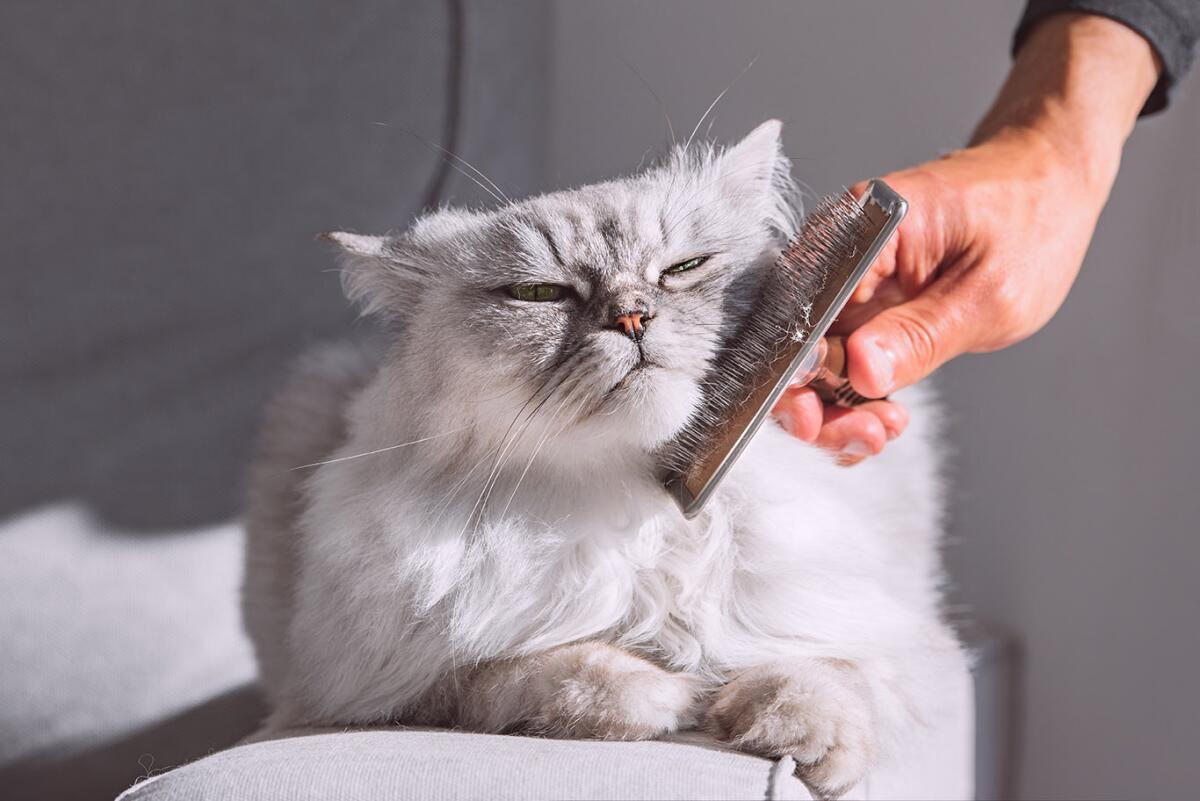
Brushing removes dirt and loose fur from your cat’s coat. It spreads natural oils that make the fur soft and shiny. Grooming prevents mats and tangles, which can cause pain. Healthy fur protects the skin from infections and irritations.
Preventing Hairballs
Cats swallow loose fur while cleaning themselves. This can lead to hairballs that cause discomfort or blockages. Regular grooming reduces the amount of fur your cat swallows. Fewer hairballs mean a happier and healthier cat.
Reducing Shedding
Shedding happens naturally but can fill your home with fur. Grooming catches loose hair before it falls off. This keeps your home cleaner and lowers allergy triggers. It also helps your cat feel cooler and more comfortable.
Enhancing Bonding
Grooming time creates a special connection between you and your cat. Gentle brushing calms your cat and builds trust. This shared time helps your cat feel safe and loved. Grooming strengthens your relationship every day.
Common Grooming Services
Grooming helps cats stay clean and healthy. Many cat owners choose regular grooming services. These services keep cats comfortable and reduce health problems. Common grooming tasks include bathing, brushing, nail trimming, ear cleaning, and haircuts. Each task targets specific care needs for cats.
Bathing And Brushing
Bathing removes dirt, oils, and loose fur from a cat’s coat. It also helps reduce allergies and skin issues. Brushing prevents mats and tangles. It spreads natural oils that keep fur shiny. Regular brushing reduces hairballs and shedding. Groomers use gentle shampoos and soft brushes to protect sensitive skin.
Nail Trimming
Nail trimming keeps claws at a safe length. Long nails can cause pain or injury. Trimming also helps protect furniture and people. Groomers carefully cut nails to avoid hurting the quick. Regular trims keep cats comfortable and prevent scratching problems.
Ear Cleaning
Ear cleaning removes dirt and wax buildup. It stops infections and reduces itching. Groomers use safe, gentle solutions to clean ears. Keeping ears clean helps cats hear well and stay healthy. Regular checks catch problems early before they worsen.
Professional Haircuts
Some cats need haircuts to manage thick or long fur. Haircuts prevent mats and tangles that cause pain. Groomers trim fur to a comfortable length. This helps cats stay cool and clean. Professional cuts also reduce shedding and make grooming easier at home.
When To Choose Professional Grooming
Cats benefit from professional grooming when their fur mats or they shed heavily. Long-haired breeds often need expert care to stay clean and healthy. Regular grooming helps prevent skin problems and keeps cats comfortable.
When should you consider professional grooming for your cat? Some situations call for expert care. Professional groomers have the skills and tools necessary for specific needs. Let’s explore these scenarios in detail.Long-haired Cats
Long-haired cats need regular grooming. Their fur tangles and mats easily. Professionals know how to manage these issues. They use special tools for gentle detangling. This keeps your cat’s coat smooth and healthy.Elderly Or Ill Cats
Elderly or ill cats may struggle with grooming. Their energy levels are often low. Grooming them requires patience and care. Professionals handle them with gentle techniques. This reduces stress and ensures their comfort.Behavioral Challenges
Some cats dislike grooming. They may scratch or bite. A professional groomer knows how to calm them. They have experience with difficult cats. This makes the process safe and stress-free.Special Events And Shows
Cats in shows need to look their best. Professional grooming enhances their appearance. Groomers prepare them according to show standards. This boosts their chances of success in competitions.Diy Grooming Tips
Grooming your cat at home can strengthen your bond and keep your furry friend looking and feeling great. It might seem tricky at first, but with the right approach, you can make grooming a positive experience for both of you. Here are some practical tips to help you get started.
Selecting The Right Tools
Choosing the right grooming tools makes a big difference. Look for brushes designed for your cat’s fur type—slicker brushes work well for long-haired cats, while rubber grooming gloves can be perfect for short-haired breeds.
Invest in a pair of sharp, cat-specific nail clippers to avoid splitting nails. Also, have a soft cloth or cotton balls ready for cleaning your cat’s ears safely.
Safe Brushing Techniques
Start brushing gently in the direction of your cat’s fur growth. Pay close attention to sensitive areas like the belly and tail, as some cats may be ticklish or nervous there.
Keep sessions short and positive. If your cat seems restless, try brushing for just a few minutes at a time and gradually increase as they get more comfortable.
Handling Nails And Ears
Regular nail trims prevent scratching injuries and reduce damage to furniture. Hold your cat’s paw gently but firmly, and clip only the sharp tip of each nail to avoid hitting the quick.
For ears, use a damp cotton ball to wipe away dirt—never insert anything deep inside. If you notice redness, odor, or excessive wax, consult your vet before proceeding further.
Creating A Calm Environment
Your cat picks up on your mood, so staying calm is key. Choose a quiet space with good lighting and minimal distractions for grooming sessions.
Offer treats and soothing words to create a positive association with grooming. Have you noticed how a calm voice and gentle touch can turn a stressful moment into a bonding experience?
Signs Your Cat Needs Grooming
Recognizing when a cat needs grooming is vital for its health and comfort. Cats often hide discomfort, so owners must watch for clear signs. Grooming helps keep their coat clean, skin healthy, and reduces stress. Spotting early signs can prevent bigger problems later.
Matting And Tangles
Matted fur forms tight clumps that pull on the skin. It causes pain and restricts movement. Tangles can trap dirt and moisture, leading to infections. Cats with long or thick fur need extra attention to prevent mats. Regular brushing stops mats from forming.
Excessive Shedding
Shedding is normal but too much can signal a problem. Excessive shedding leaves fur all over the house and can cause bald spots. It may indicate stress, poor diet, or skin issues. Grooming helps remove loose fur and keeps shedding under control.
Unpleasant Odors
A bad smell from your cat’s coat or skin is a warning sign. It can mean dirty fur, skin infections, or dental problems. Regular grooming removes dirt and oils that cause odors. Pay attention to persistent smells as they need prompt care.
Scratching And Discomfort
Frequent scratching or biting at the fur shows discomfort. It may be due to fleas, dry skin, or allergies. Grooming helps spot parasites and soothe irritated skin. If scratching continues, a vet visit is necessary to address the cause.
Common Grooming Challenges
Grooming cats often presents several challenges that owners must face. Cats may not enjoy the process, making grooming a test of patience. Understanding these common issues helps create a calmer experience for both cat and owner.
Dealing With Fear And Anxiety
Many cats feel scared during grooming. Strange tools and unfamiliar touches cause stress. Fear can make cats hide or try to escape. Gentle handling and a quiet space help reduce anxiety. Using soft voices and slow movements calms nervous cats. Giving treats can make grooming less frightening.
Managing Aggressive Behavior
Some cats react by scratching or biting. Aggression often comes from fear or pain. Recognizing warning signs is important. Watch for growling, hissing, or stiff body language. Wearing protective gloves can prevent injuries. Stopping grooming when a cat gets too upset keeps trust strong.
Time And Patience Required
Grooming takes more time than many expect. Cats need breaks during sessions to stay calm. Rushing can cause stress and poor results. Regular, short grooming sessions work better than long ones. Patience helps cats get used to the process. Over time, grooming becomes easier and less stressful.
Choosing A Groomer
Choosing a groomer for your cat is an important decision. The right groomer can keep your cat healthy and happy. A good groomer understands cats and their needs. They handle your pet gently and safely. This section helps you find the best groomer for your furry friend.
Checking Qualifications
Start by checking the groomer’s qualifications. Look for certifications from recognized pet grooming schools. Experience with cats is very important. Ask if the groomer has special training in cat care. Qualified groomers know how to handle different cat breeds and temperaments. They follow safety and hygiene standards strictly.
Reading Reviews
Read reviews from other cat owners. Reviews show real experiences with the groomer. Pay attention to comments about care, friendliness, and results. Look for consistent positive feedback. Negative reviews might reveal problems to avoid. Honest reviews help you trust your choice.
Visiting The Salon
Visit the grooming salon before booking an appointment. Check if the place is clean and organized. See how staff interact with cats. A calm and welcoming environment is best. Ask questions about their grooming process. Notice if your cat feels comfortable and safe.
Costs And Packages
Compare costs and packages from different groomers. Prices vary depending on services and location. Understand what each package includes. Some offer baths, nail trims, and haircuts together. Look for good value, not just the cheapest option. Transparent pricing helps avoid surprises later.
Frequently Asked Questions
Do People Usually Get Cats Professionally Groomed?
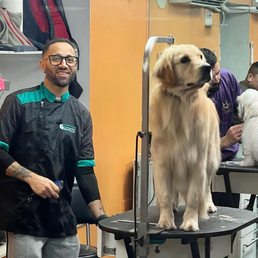
Yes, many cat owners opt for professional grooming to maintain their cats’ hygiene and coat health. Professional groomers handle baths, haircuts, nail trimming, and ear cleaning safely, especially for long-haired or elderly cats.
How Often Should Cats Be Groomed?
Cats generally benefit from grooming every 4 to 6 weeks, especially long-haired breeds. Regular grooming reduces shedding, prevents mats, and promotes skin health. Short-haired cats may need less frequent grooming.
What Are The Benefits Of Grooming Cats?
Grooming cats improves their coat appearance, prevents mats, reduces hairballs, and detects skin problems early. It also strengthens the bond between cats and their owners, promoting overall wellbeing.
Can Grooming Reduce Cat Shedding?
Yes, regular grooming helps remove loose fur, significantly reducing shedding around the home. It also minimizes hairballs by preventing excess fur ingestion during self-grooming.
Conclusion
Cats need grooming to stay clean and healthy. Grooming helps remove dirt and loose fur. It also prevents hairballs and skin problems. Some cats enjoy being brushed, while others may need help. Professional groomers can handle difficult or long-haired cats.
Regular grooming keeps cats comfortable and happy. Taking care of your cat’s coat shows love and attention. So yes, many people get their cats groomed to keep them well cared for. Simple care routines make a big difference in your cat’s life.

Leave a Reply