Grooming your cat isn’t just about keeping them looking good—it’s key to their health and happiness. But if you’re unsure how to do it right, it can feel tricky or even stressful for both of you.
What if you could make grooming a calm, easy routine that your cat actually enjoys? In this guide, you’ll discover simple, effective tips to properly groom your cat, helping you build a stronger bond and keep your furry friend comfortable and clean.
Ready to learn how to make grooming a positive experience every time? Keep reading!
Choosing The Right Grooming Tools
Choosing the right grooming tools helps keep your cat healthy and happy. Using the correct tools makes grooming easier and safer. Each cat’s coat type needs specific brushes and accessories. Picking quality products protects your cat’s skin and fur.
Brush Types For Different Coats
Cats have various coat lengths and textures. Use a slicker brush for long-haired cats. It removes tangles and loose fur gently. Short-haired cats do well with rubber brushes. These help lift dead hair without hurting skin. For thick or double coats, a de-shedding tool works best. It reaches the undercoat and reduces shedding effectively.
Clippers And Nail Trimmers
Trimming nails prevents scratches and injuries. Choose clippers designed for small pets. They give clean cuts without crushing nails. Electric clippers help with thick fur trimming. Only use them if your cat stays calm. Always keep a nail file handy to smooth edges. Avoid cutting too close to the quick to stop bleeding.
Selecting Safe Shampoos
Cats have sensitive skin that needs gentle care. Pick shampoos made specifically for cats. These shampoos avoid harsh chemicals and irritants. Look for products labeled hypoallergenic or natural. Avoid human shampoos, as they can harm your cat. Test a small area first to check for reactions.
Brushing Techniques
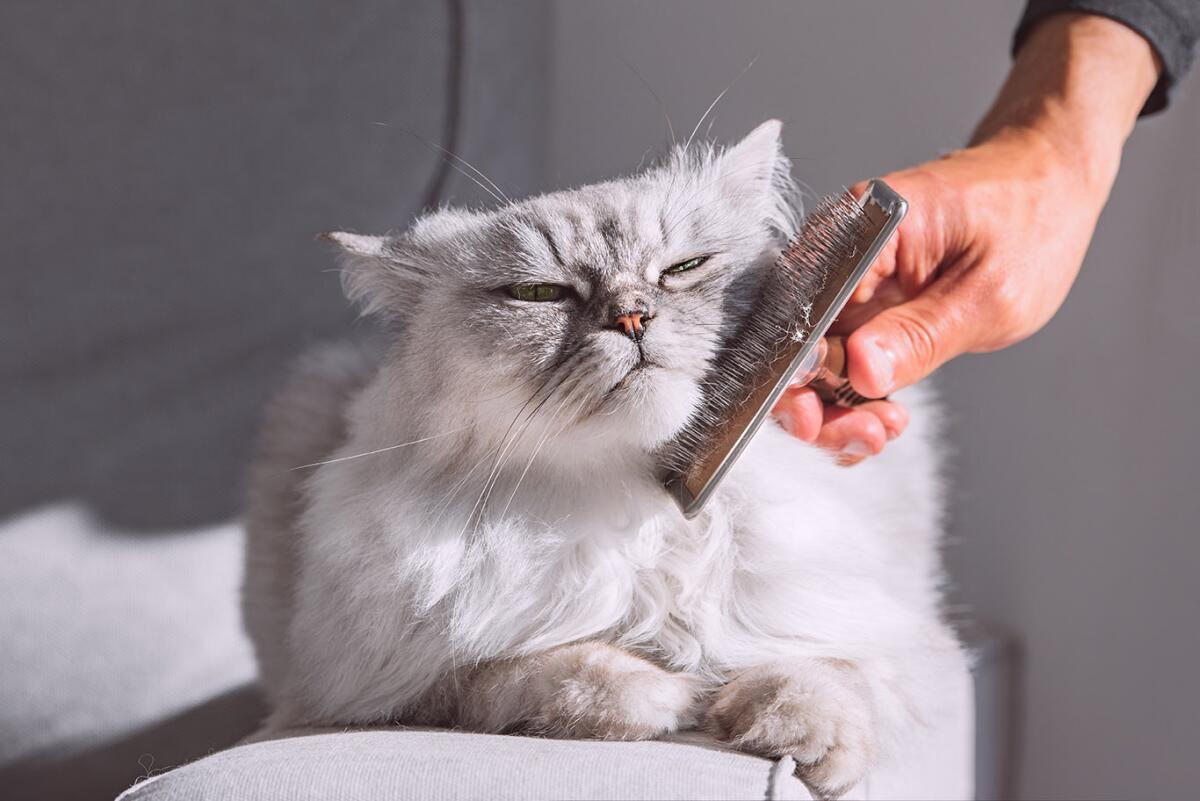
Brushing your cat regularly keeps their coat healthy and shiny. It removes loose fur and dirt. Brushing also helps spot skin problems early. Using the right technique makes grooming pleasant for your cat. Gentle strokes calm your pet and build trust. Choose a brush suited for your cat’s fur type for best results.
Frequency And Timing
Brush your cat daily if they have long fur. Short-haired cats benefit from brushing two to three times a week. Grooming after meals or playtime works well. Cats feel relaxed at these times. Keep sessions short at first and increase time gradually. Watch your cat’s mood to avoid stress.
Handling Matted Fur
Matted fur needs careful attention. Use a wide-toothed comb to gently loosen mats. Hold the fur close to the skin to reduce pulling. Cut large mats only if necessary, with scissors, avoiding the skin. Regular brushing prevents mats from forming. Reward your cat with treats after grooming to create a positive experience.
Reducing Shedding
Shedding can be controlled with regular brushing. Use a de-shedding tool for thick coats. Brush in the direction of hair growth. Remove loose fur gently to avoid skin irritation. Bathing your cat occasionally helps reduce shedding too. Maintain a balanced diet to keep your cat’s coat healthy and less prone to shedding.
Bathing Your Cat
Bathing your cat may seem daunting, but with the right approach, it can be a smooth experience for both of you. Cats generally groom themselves, so baths are only necessary occasionally, such as when they get into something sticky or dirty. Preparing properly and knowing the right steps can reduce stress and keep your cat comfortable throughout the process.
Preparing For Bath Time
Gather everything you need before bringing your cat to the bath area. This includes cat-friendly shampoo, a towel, a cup for rinsing, and a non-slip mat to prevent slipping. Having these ready helps you stay calm and focused, which your cat will sense.
Choose a quiet room where your cat feels safe. Warm water is essential—too hot or too cold can upset your cat. Also, trim your cat’s nails beforehand to avoid scratches during the bath.
Step-by-step Bathing Process
- Start by gently wetting your cat’s fur with lukewarm water, avoiding the head.
- Apply a small amount of cat shampoo and lather carefully, focusing on the body and legs.
- Rinse thoroughly using a cup or gentle spray, ensuring no shampoo residue remains.
- Use a damp cloth to clean your cat’s face and ears, since water can cause discomfort there.
Speak softly and offer reassurance throughout. Have you noticed how your voice can calm your cat during stressful moments? Use it to your advantage here.
Drying And Aftercare
Wrap your cat in a warm towel immediately after the bath to absorb excess water. Gently rub, but avoid vigorous drying that might scare your pet. Some cats tolerate a low-heat blow dryer, but only if introduced slowly and carefully.
After drying, brush your cat’s fur to prevent mats and tangles. This is also a great time to check for any skin issues that might need attention. Remember, patience and calmness during aftercare help your cat feel safe and cared for.
Trimming Nails Safely
Trimming your cat’s nails is important for their health and comfort. Doing it safely keeps your cat calm and prevents injury. It takes patience and the right approach to make nail trimming a smooth experience for both of you.
Identifying The Quick
The quick is the pink part inside your cat’s nail. It contains nerves and blood vessels. Cutting the quick causes pain and bleeding. For cats with light-colored nails, the quick is easy to see. It looks like a small pink line inside the nail.
For cats with dark nails, spotting the quick is harder. Trim small bits at a time. Stop if you see a black dot in the center. This dot signals you are close to the quick.
Tools And Methods
- Use a sharp, small pair of nail clippers made for cats.
- Scissor-style or guillotine-style clippers work well.
- Keep styptic powder or cornstarch nearby to stop bleeding.
- Hold your cat’s paw gently but firmly.
- Trim only the sharp tip of the nail, avoiding the quick.
- Trim nails in a well-lit area for better visibility.
Calming Your Cat During Trims
Choose a quiet, comfortable spot to trim nails. Speak softly to soothe your cat. Gently stroke or hold your cat’s paws before trimming. Take breaks if your cat becomes restless or upset.
Use treats to reward calm behavior. Try trimming after a nap or playtime when your cat is relaxed. Keep sessions short and positive to build trust over time.
Cleaning Ears And Eyes
Grooming your cat involves gently cleaning their ears and eyes. Use a soft cloth to wipe away any dirt or debris. Regular checks ensure their comfort and prevent infections.
Cats are known for their self-cleaning abilities, yet they sometimes need a little help, especially when it comes to their ears and eyes. Keeping these areas clean is crucial to your cat’s overall health. Regular grooming can prevent infections and ensure your feline friend stays comfortable and happy. Let’s dive into the essential steps for maintaining your cat’s ears and eyes.Recognizing Signs Of Infection
A critical part of cleaning your cat’s ears and eyes is being aware of any signs of infection. Redness, swelling, or a foul odor can indicate an ear infection. If you notice excessive discharge or your cat frequently scratching their ears, it’s time to pay attention. For the eyes, look for any unusual tearing or crust around the eyelids. A clear or slightly watery discharge is generally normal, but a colored discharge might signal an issue. Being vigilant helps you catch problems early.Proper Cleaning Techniques
Cleaning your cat’s ears and eyes requires gentle care. Use a soft, damp cloth to wipe around the eyes, avoiding direct contact with the eyeball. For ears, a cotton ball lightly moistened with a vet-recommended ear cleaner works well. Hold your cat gently but firmly, and always use a soft voice to soothe them. Never use cotton swabs inside the ear canal as they can cause injury. Regular cleaning sessions make the process easier over time.When To Consult A Vet
Knowing when to seek professional help is vital. If your cat shows persistent signs of discomfort or if you notice any severe symptoms, consulting a vet is wise. They can provide the appropriate treatment and advice tailored to your cat’s needs. Regular vet check-ups are also an excellent opportunity to discuss any concerns about your cat’s ear and eye health. Remember, a proactive approach can prevent minor issues from becoming major health problems.Maintaining Dental Health
Maintaining your cat’s dental health is essential for their overall well-being. Poor oral care can lead to pain, infections, and even affect their heart or kidneys. Paying attention to their teeth early on helps you avoid bigger problems down the road.
Brushing Your Cat’s Teeth
Brushing your cat’s teeth might sound challenging, but starting slowly makes a big difference. Use a soft-bristled toothbrush designed for cats and a toothpaste made specifically for them—never use human toothpaste.
Try to brush at least a few times a week. Begin by gently rubbing their teeth and gums with your finger to get them comfortable. Then, move on to the brush, focusing on the outer surfaces where plaque builds up most.
Dental Treats And Toys
Dental treats and toys can support your efforts by reducing plaque and tartar naturally. Look for treats that carry the Veterinary Oral Health Council (VOHC) seal—they have proven benefits.
Chewing on specially designed toys also massages gums and helps keep teeth clean. Have you noticed how your cat prefers certain textures? Offering a variety can keep them interested and help maintain oral hygiene.
Regular Vet Checkups
Regular vet visits are crucial for catching dental issues early. Your vet can perform professional cleanings that remove tartar beyond what brushing can achieve.
Ask your vet to check your cat’s mouth during routine visits. Early signs of dental disease include bad breath, red gums, and difficulty eating—don’t wait until these symptoms appear.
Creating A Grooming Routine
Creating a grooming routine helps keep your cat healthy and happy. Regular grooming removes dirt, loose fur, and prevents hairballs. A routine also builds trust between you and your cat. It makes grooming a calm and pleasant experience for both.
Establishing Consistency
Choose a specific time for grooming sessions. Cats feel safer with regular schedules. Keep sessions short at first, about five minutes. Gradually increase time as your cat gets used to it. Consistency helps your cat expect and accept grooming.
Making Grooming Enjoyable
Use gentle strokes and soft brushes during grooming. Speak softly to calm your cat’s nerves. Offer treats or praise to reward good behavior. Change tools if your cat dislikes certain brushes. A positive experience encourages your cat to cooperate.
Adjusting As Your Cat Ages
Older cats may need shorter, gentler grooming. Their skin becomes more sensitive with age. Watch for any discomfort or signs of pain. Use softer brushes and avoid pulling on fur. Adapt the routine to suit your cat’s needs over time.
Frequently Asked Questions
How Often Should I Groom My Cat?
Groom your cat at least once a week to remove loose fur and prevent mats. Long-haired cats may need grooming more frequently, even daily. Regular grooming helps reduce shedding and hairballs, keeping your cat healthy and comfortable.
What Tools Do I Need For Cat Grooming?
Essential grooming tools include a slicker brush, comb, nail clippers, and cat-friendly shampoo. Choose tools based on your cat’s fur type. Using the right equipment ensures effective grooming and a stress-free experience for both you and your cat.
How Can I Make Grooming Stress-free For My Cat?
Start grooming sessions in a calm environment with gentle strokes. Use treats and praise to reward good behavior. Keep sessions short initially and gradually increase time. Patience and consistency help your cat feel relaxed and enjoy grooming.
When Should I Trim My Cat’s Nails?
Trim your cat’s nails every 10 to 14 days to prevent overgrowth and injury. Regular trimming keeps claws healthy and reduces damage to furniture. If you’re unsure, ask a vet or groomer for guidance to avoid hurting your cat.
Conclusion
Proper grooming keeps your cat healthy and happy. Regular brushing prevents mats and reduces shedding. Clean their ears and trim nails carefully to avoid problems. Make grooming a calm and gentle routine for your cat. Watch your cat’s reactions and adjust as needed.
Happy cats often mean less stress for you. Start small, be patient, and enjoy bonding time. Good grooming helps your cat feel loved every day. Simple steps make a big difference in your cat’s life.



Leave a Reply