Grooming your cat can sometimes feel like a battle. If your furry friend is restless, scared, or simply doesn’t like being handled, you might wonder, “What can I give my cat to sedate for grooming?” You want to keep your pet calm and safe, but you also want to avoid anything harmful.
You’ll discover safe options and tips to help make grooming easier for both you and your cat. Keep reading—you’ll learn how to turn stressful grooming sessions into peaceful moments.
Common Reasons Cats Need Sedation
Understanding why cats might need sedation during grooming helps you approach the process with more care and patience. Sedation is not just about making grooming easier; it’s often about protecting your cat’s well-being. Knowing the common reasons behind sedation can guide you in choosing the safest and most effective options for your furry friend.
Stress During Grooming
Many cats experience high levels of stress when being groomed. The unfamiliar sensations of brushing or nail clipping can trigger anxiety, making them restless or fearful. Sedation can calm your cat, allowing grooming to happen without causing trauma or resistance.
Have you noticed your cat hiding or shaking when you bring out the brush? This is a clear sign of stress that might justify sedation to keep both of you safe and relaxed during grooming.
Aggressive Behavior
Some cats react to grooming with aggression, biting or scratching out of fear or discomfort. This behavior can make grooming unsafe for both you and your cat. Sedation helps prevent injury by keeping your cat calm and less reactive.
Think about your own experiences: would you willingly sit still if you felt threatened? Your cat’s aggressive behavior is often a defense mechanism, not defiance. Sedation can break this cycle, making grooming a less traumatic experience.
Medical Conditions
Certain health issues can make grooming painful or difficult for cats. Conditions like arthritis, skin infections, or wounds may cause your cat to resist grooming. Sedation allows necessary care without adding to your cat’s discomfort.
Imagine trying to trim nails with a painful joint; your cat feels the same way. Sedating your cat in these cases is about providing gentle care while minimizing pain and stress.
Natural Sedatives For Cats
Natural sedatives offer a gentle way to calm cats during grooming. They reduce stress without harsh chemicals or strong drugs. Many pet owners prefer natural options to keep their cats safe and comfortable. These remedies work by soothing the nervous system and helping cats relax.
Herbal Remedies
Herbs like valerian root and chamomile help cats feel calm. Valerian root acts as a mild sedative and reduces anxiety. Chamomile has calming and anti-inflammatory properties. These herbs can be given as teas or in small amounts mixed with food. Always check with a vet before giving herbs to your cat.
Aromatherapy Options
Aromatherapy uses natural scents to relax cats. Lavender and frankincense oils are popular choices. These oils can be diffused in the room during grooming sessions. Avoid direct contact with the cat’s skin or nose. Use only pet-safe essential oils in low concentrations to ensure safety.
Supplements And Vitamins
Supplements like L-theanine and melatonin help calm cats naturally. L-theanine is an amino acid that reduces anxiety. Melatonin supports regular sleep patterns and relaxation. Vitamins such as B-complex also promote a calm mood. These supplements come in chewables or capsules designed for cats.
Over-the-counter Options
Finding safe ways to help your cat relax during grooming can make the experience less stressful for both of you. Over-the-counter options offer accessible solutions that can ease your cat’s anxiety without a prescription. These products come in various forms, each with unique benefits you might want to consider before your next grooming session.
Calming Treats
Calming treats are a popular choice because they’re easy to give and often contain natural ingredients like chamomile, valerian root, or L-theanine. These treats can help reduce your cat’s stress levels in a gentle way, allowing grooming to go smoother. Have you noticed your cat’s reaction after a calming treat? Sometimes even a small change in mood can make a big difference during grooming.
Make sure to check the ingredient list carefully. Not all treats are created equal, and some may contain fillers or additives your cat doesn’t need. Giving your cat a treat they enjoy can also serve as a positive distraction while you’re working on grooming.
Pheromone Sprays
Pheromone sprays mimic the natural comforting scents that cats produce, helping them feel safe in unfamiliar or stressful situations. Spraying a bit on your cat’s bedding or around the grooming area can create a calming environment. You might be surprised at how quickly a simple scent can change your cat’s behavior.
These sprays are non-invasive and have no sedative effects, making them a great option if you want to avoid medications altogether. Have you tried using pheromone products in other stressful situations? Their effect during grooming can be just as powerful.
Cbd Products
CBD for pets has gained popularity as a natural way to ease anxiety and promote relaxation. Available in oils, treats, or capsules, CBD products may help your cat stay calm during grooming without making them overly sleepy. However, it’s important to choose products specifically designed for cats and to start with a low dose.
Not all cats respond to CBD in the same way, so observe your pet closely after giving it. Have you talked to your vet about using CBD? Their advice can help you find the right product and dosage to keep your cat comfortable and safe.
Prescription Sedatives
Prescription sedatives can help calm a cat during grooming. These medicines reduce stress and make the process safer and easier. Always use them under a vet’s advice. Self-medicating can harm your pet.
Common Medications
- Gabapentin – often used to reduce anxiety and pain.
- Alprazolam – a mild sedative for short-term use.
- Diazepam – helps relax muscles and calm nerves.
- Acepromazine – a strong sedative used before grooming or vet visits.
Dosage Guidelines
Dosages vary by cat weight, age, and health condition. A vet calculates the right amount. Never guess or double doses. Giving too much can be dangerous. Follow the vet’s instructions closely. Administer sedatives only before grooming, not regularly.
Potential Side Effects
- Drowsiness or excessive sleepiness.
- Loss of coordination or balance problems.
- Changes in appetite or behavior.
- Vomiting or diarrhea in some cases.
- Rare allergic reactions requiring immediate care.
Watch your cat carefully after giving sedatives. Contact your vet if side effects worsen or last long.
Safety Tips For Using Sedatives
Grooming your cat can sometimes be stressful for both you and your pet. Sedatives can help make the process smoother. But, using sedatives requires caution. Follow these safety tips to ensure a safe experience for your feline friend.
Consulting Your Veterinarian
Always talk to your veterinarian before using sedatives. They know your cat’s health history best. Vets can recommend the right sedative and dosage. This helps avoid any harmful effects. Never use human medications on cats. They can be toxic and dangerous.
Monitoring Your Cat
Keep a close watch on your cat after giving a sedative. Look for signs of distress or unusual behavior. Breathing difficulties or excessive drooling are warning signs. If these occur, contact your vet immediately. Ensure your cat is in a quiet, safe space. This helps them relax better.
Avoiding Overdose
Follow the vet’s dosage instructions precisely. Overdosing can be harmful or even fatal. Use a syringe for accurate measurement if needed. Store sedatives out of reach to prevent accidental ingestion. Never guess the dosage. Always prioritize your cat’s safety.
Alternative Grooming Techniques
Finding ways to groom your cat without sedation can feel challenging, especially if your pet is anxious or resistant. Alternative grooming techniques offer gentle approaches that respect your cat’s comfort while keeping them clean and healthy. These methods often reduce stress for both you and your cat, creating a more positive grooming experience.
Professional Groomers
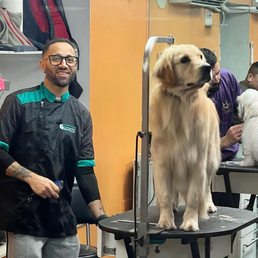
Sometimes the best choice is to let a professional handle grooming. Groomers have experience working with nervous cats and use tools designed to minimize discomfort and resistance. They can spot skin issues or matting early, which might be harder to notice at home.
Have you considered how a groomer’s calm environment and expertise could make grooming less stressful for your cat? Many offer services like gentle brushing or even quiet rooms to help your cat relax. This can be especially helpful if your cat is not used to regular grooming.
At-home Grooming Tips
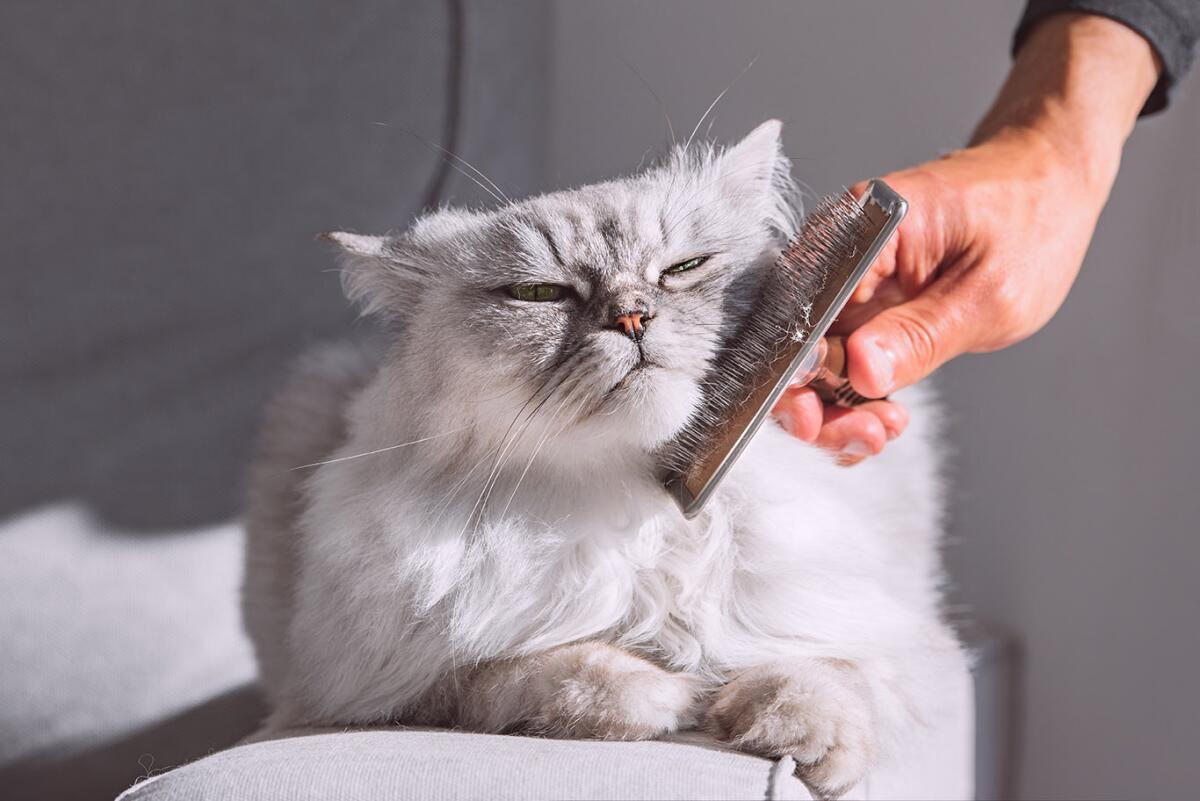
Creating a calm space at home can make grooming easier. Use a soft brush and start with short sessions to help your cat get used to the sensation. Try grooming after a meal or when your cat is sleepy, as they tend to be more relaxed then.
Keep treats nearby to reward your cat’s cooperation. This positive reinforcement builds trust and encourages better behavior over time. Have you noticed how small rewards can change your cat’s attitude toward grooming?
Using Distractions
Distractions can turn grooming into a more enjoyable experience. Play soft music or use catnip toys to keep your cat’s attention away from the grooming tools. You might also try gentle petting alongside brushing to create a soothing atmosphere.
Consider whether your cat responds better to visual distractions like moving toys or to tactile ones like massage. Experimenting with different distractions could uncover the perfect way to reduce stress during grooming. What distractions have you found effective for your cat?
Frequently Asked Questions
What Are Safe Sedatives For Cat Grooming?
Safe sedatives include prescribed medications like gabapentin or trazodone. Always consult a vet before use. Never give human medications without professional advice to avoid harmful effects.
Can I Use Natural Remedies To Sedate My Cat?
Yes, natural remedies like pheromone sprays or calming supplements can help. These methods are gentler and often safer for mild anxiety during grooming.
How Long Do Cat Sedatives Take To Work?
Most sedatives start working within 30 to 60 minutes. The exact time depends on the medication type and your cat’s size and health.
Is Sedation Necessary For Every Cat Grooming Session?
No, sedation is only needed if your cat is highly anxious or aggressive. Gentle techniques and positive reinforcement often reduce stress without drugs.
Conclusion
Sedating a cat for grooming needs care and advice from a vet. Never give your cat medicine without professional guidance. Natural calming methods can help reduce stress during grooming. Always watch your cat’s behavior and comfort closely. Safe grooming keeps your cat happy and healthy.
Take your time and be patient. Your cat will thank you with trust and calm.

Leave a Reply