Are you wondering if grooming your cat might actually be harmful? You love your furry friend and want the best for them, but sometimes it’s hard to know what’s right.
Grooming is often seen as a must-do, but could it have hidden downsides? Keep reading to find out the surprising truth about cat grooming, so you can make the best choices for your pet’s health and happiness.
Benefits Of Grooming Cats
Grooming your cat is more than just a routine chore; it offers several important benefits that improve your pet’s overall well-being. Regular grooming keeps your cat comfortable and healthier in many ways. Have you ever noticed how your cat seems calmer and more relaxed after a good brushing? That’s just one of the positive effects.
Improved Coat Health
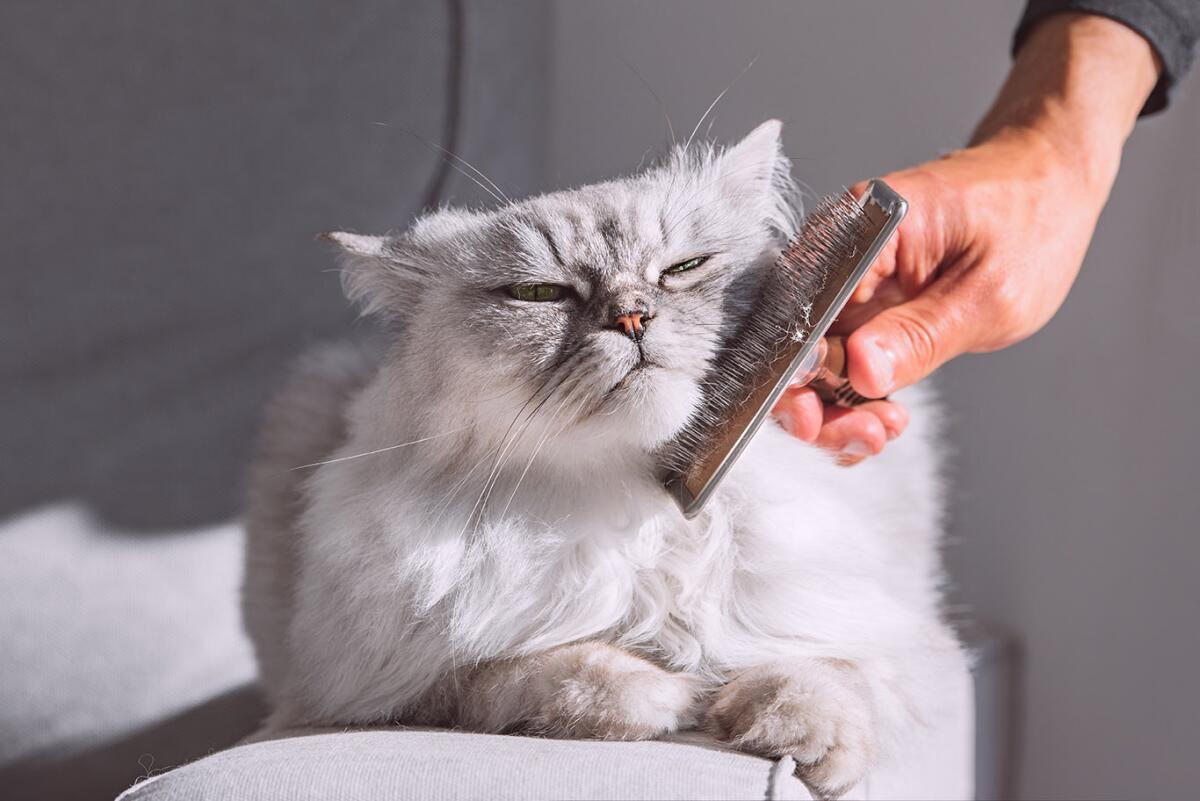
Brushing your cat helps remove dirt, debris, and loose fur from their coat. This keeps their fur shiny and smooth, preventing mats and tangles that can cause discomfort. Cats with long or thick fur especially benefit from regular grooming because it stops their coat from becoming a tangled mess.
Healthy fur is also a sign of a healthy cat. Grooming stimulates natural oils in the skin, which makes the coat soft and glossy. You’ll notice fewer dry patches or flaky skin when you keep up with grooming.
Reduced Shedding And Hairballs
Shedding can be a challenge for cat owners, but grooming helps control it by catching loose hair before it falls around your home. This means less fur on your clothes, furniture, and floors. It also reduces the amount of hair your cat swallows while self-grooming.
Hairballs can be painful and lead to digestive issues. Brushing regularly lowers the risk by removing loose hairs that your cat might otherwise ingest. You’ll likely see fewer hairball-related coughs or vomiting episodes, making life easier for both you and your pet.
Early Detection Of Health Issues
Grooming sessions give you a chance to closely examine your cat’s skin, ears, eyes, and teeth. You can catch signs of fleas, ticks, infections, or lumps early on. This early detection means you can get your cat the care they need before problems become serious.
Have you ever found a suspicious bump or noticed redness during grooming? That moment can be crucial for your cat’s health. Making grooming a habit helps you stay connected to your cat’s condition every day.
Strengthening Bond With Pets
Spending time grooming your cat builds trust and deepens your relationship. Many cats enjoy the gentle attention and feel more secure when you handle them with care. Grooming is a peaceful moment where you both can relax together.
Think about how your cat responds when you stroke or brush them—it’s often a sign of affection and comfort. By making grooming a positive experience, you create a stronger connection that benefits both of you emotionally.
Common Grooming Myths
Many people believe certain things about grooming cats that are not true. These common grooming myths can cause confusion and stop cats from getting the care they need. Understanding the truth helps owners provide better grooming for their pets.
Cats Don’t Need Regular Grooming
Some think cats clean themselves perfectly and do not need help. While cats do groom, they miss hard-to-reach places. Regular grooming removes loose fur and prevents hairballs. It also helps spot health problems early.
Grooming Causes Stress
People worry that grooming makes cats anxious. Proper grooming can be calm and even enjoyable for cats. Gentle brushing and short sessions reduce stress. It also builds trust between cats and owners.
All Cats Groom Themselves Adequately
Not all cats can groom well by themselves. Older cats, sick cats, or long-haired breeds need extra help. Grooming removes dirt, tangles, and dead skin. It keeps their coat healthy and shiny.
Grooming Leads To Skin Problems
Some fear grooming causes skin issues like irritation or cuts. Using the right tools and techniques prevents harm. Regular grooming actually improves skin health by increasing blood flow and removing debris.
Essential Grooming Tools
Grooming your cat requires the right tools to keep them clean and healthy. Using proper grooming tools makes the process easier and more comfortable for your pet. It helps remove loose fur, prevent mats, and maintain their coat’s shine. Choosing the right tools depends on your cat’s fur type and grooming needs.
Types Of Brushes And Combs
Brushes and combs help remove dirt and loose hair from your cat’s coat. Different types suit different fur lengths and textures.
- Slicker brusheswork well for long-haired cats. They remove tangles and mats gently.
- Bristle brushessuit short-haired cats. They smooth the coat and remove loose fur.
- Metal combshelp detangle fur and find small knots. They are good for sensitive areas like behind ears.
Nail Clippers And Trimmers
Keeping your cat’s nails trimmed prevents scratches and damage to furniture. Use clippers made for pets only.
- Guillotine-style clippersare easy to use for most cats.
- Scissor-style trimmersgive more control for thick nails.
- Always trim carefully to avoid cutting the quick, which causes pain.
Shampoos And Wipes
Bathing your cat is not always necessary, but sometimes helpful for dirt or skin issues. Use gentle products made for cats.
- Cat-specific shampoosclean without irritating the skin.
- Waterless shampoosallow quick cleaning without a bath.
- Grooming wipesfreshen fur and remove dirt between baths.
Other Helpful Accessories
Additional items make grooming easier and safer for your cat.
- Grooming gloveshelp remove loose hair while petting.
- Deshedding toolsreduce shedding by reaching undercoat fur.
- Ear and eye cleaning supplieskeep sensitive areas healthy.
- Soft towelsprovide comfort after baths or wipe downs.
Safe Grooming Techniques
Safe grooming techniques keep your cat healthy and happy. Grooming removes dirt and loose fur. It also prevents mats and skin problems. A calm approach makes grooming easier for both of you. Learn the right way to brush, trim nails, bathe, and handle tough grooming moments.
Brushing Tips For Different Coat Types
Cats have various coat types. Short, medium, or long fur needs different brushes. Use a soft bristle brush for short hair. A slicker brush works well for medium coats. Long-haired cats benefit from a wide-toothed comb. Brush gently to avoid hurting the skin. Brush regularly to reduce shedding and mats.
How To Trim Cat Nails Safely
Trim nails to prevent scratches and damage. Use a sharp, small nail clipper made for cats. Hold your cat’s paw firmly but gently. Avoid cutting the pink part called the quick. Cut only the sharp tip. If unsure, trim a little at a time. Reward your cat with treats after trimming.
Bathing Your Cat Without Stress
Bathing is not needed often but helps with dirt and fleas. Use lukewarm water and cat-safe shampoo only. Wet your cat slowly and speak in a calm voice. Avoid getting water in ears and eyes. Rinse thoroughly to remove all soap. Dry your cat with a soft towel and keep warm.
Handling Difficult Grooming Situations
Some cats resist grooming. Stay calm and patient. Use gentle restraint with a towel if needed. Take breaks if your cat gets stressed. Offer treats and praise to build trust. Try grooming in quiet, familiar places. Regular short sessions help your cat get used to grooming.
Signs Grooming Is Needed
Knowing when your cat needs grooming is key to keeping them healthy and happy. Cats are usually good at cleaning themselves, but sometimes they need a little help. Watching for certain signs can tell you when it’s time to step in and groom your furry friend.
Matting And Tangles
Have you ever felt your cat’s fur and noticed clumps or knots? Mats and tangles can form when fur gets twisted and stuck together. These can pull on your cat’s skin and cause discomfort or even pain.
Long-haired cats especially need regular brushing to avoid mats. If you spot any tangles, it’s a clear sign your cat needs grooming soon.
Excessive Shedding
Shedding is normal, but if you find fur all over the house or your cat looks patchy, it may be time to groom. Excessive shedding can happen during seasonal changes or due to stress and health issues.
Brushing helps remove loose fur and keeps your cat’s coat clean. Ask yourself: is your cat shedding more than usual? If yes, a grooming session might be overdue.
Dirty Or Oily Fur
Sometimes your cat’s fur can look dull, dirty, or greasy. This happens when they can’t groom themselves properly, often due to illness or age. Dirt and oil build-up can lead to skin problems or bad smells.
Regular grooming removes dirt and spreads natural oils evenly. If your cat’s coat looks less shiny than usual, it’s a sign to pick up the brush.
Behavioral Changes
Have you noticed your cat hiding more or acting restless? Sometimes behavioral changes hint at grooming needs. Pain from mats or skin irritation can make your cat avoid being touched or groom themselves less.
Pay attention if your cat suddenly stops licking or seems uncomfortable when you try to pet them. These changes could mean your cat needs help with grooming to feel better.
When To Seek Professional Help
Grooming your cat at home is usually a great bonding activity. Yet, some situations require professional help. Knowing when to call in the experts can save your cat stress and discomfort. Here are key situations where professional grooming services become essential.
Dealing With Severe Mats
Severe mats can be painful for cats. Attempting to remove them without experience can hurt your pet. Professionals have tools and techniques to safely remove mats. They ensure your cat remains calm and comfortable during the process.
Health Concerns During Grooming
Notice any unusual skin issues during grooming? Redness, bumps, or parasites need expert attention. A professional groomer can identify these problems. They may recommend a vet if necessary. This ensures your cat’s health stays in check.
Regular Grooming Services
Busy schedule making it hard to groom regularly? Professional groomers offer routine services. They help keep your cat’s coat in top shape. Regular grooming prevents future issues, maintaining your cat’s well-being.
Choosing A Professional Groomer
Finding the right groomer is crucial. Look for experienced and certified professionals. Check online reviews and ask for recommendations. A good groomer makes the experience stress-free for your cat.
Frequently Asked Questions
Is Grooming A Cat Necessary For Its Health?
Grooming helps remove dirt, loose fur, and prevents matting. It promotes healthy skin and reduces hairballs. Regular grooming keeps your cat comfortable and clean.
Can Grooming Stress Out My Cat?
Some cats may feel stressed initially. Gentle handling and short sessions help them relax. Over time, grooming can become a bonding experience.
How Often Should I Groom My Cat?
Frequency depends on your cat’s fur type. Long-haired cats need daily grooming, while short-haired cats can be groomed weekly. Adjust based on your cat’s needs.
Does Grooming Prevent Hairballs In Cats?
Yes, grooming removes loose fur before your cat ingests it. This reduces hairballs and related digestive issues. Regular grooming is key to hairball control.
Conclusion
Grooming your cat helps keep its coat clean and healthy. It also reduces shedding and hairballs. Cats enjoy the attention and bonding time. Regular grooming can spot health problems early. Avoid over-grooming, as it may stress your cat. Use gentle tools and be patient.
Keep grooming sessions short and calm. Overall, grooming is good for most cats. It supports their well-being and happiness. So, grooming your cat is not bad. It’s a caring habit every cat owner should try.

Leave a Reply