If you have a Turkish Van cat, you know how special this breed is. Their unique coat and playful nature make them stand out.
But grooming your Turkish Van can be tricky if you don’t know the right steps. You want your cat to look great and feel comfortable, right? In this guide, you’ll discover simple, effective tips to keep your Turkish Van’s fur shiny and healthy.
By the end, you’ll feel confident handling grooming like a pro—and your cat will thank you for it. Keep reading to learn how to make grooming a stress-free, bonding experience for both of you.
Turkish Van Coat Traits
The Turkish Van cat has a special coat that needs gentle care. Its unique fur makes grooming important for health and shine. Understanding the coat traits helps keep your cat comfortable and looking great.
Fur Texture And Length
The fur of a Turkish Van is semi-long and soft. It feels silky and smooth to touch. The coat is dense near the body but lighter on the tail. This texture helps the cat stay warm without overheating. Regular brushing prevents tangles and mats.
Seasonal Shedding Patterns
Turkish Vans shed more during seasonal changes. They lose old fur mainly in spring and fall. This process prepares their coat for new growth. Shedding can cause loose hairs around the home. Brushing often reduces shedding and keeps fur healthy.
Unique Color Markings
Turkish Vans have striking color patterns. They usually have white bodies with colored patches on the head and tail. These markings make each cat look special. Careful grooming highlights these beautiful colors. Avoid harsh shampoos that can fade the coat’s brightness.
Choosing The Right Grooming Tools
Choosing the right grooming tools is key to keeping your Turkish Van cat’s coat healthy and shiny. Using the proper tools not only makes grooming easier but also ensures your cat stays comfortable and enjoys the process. Let’s look at the essential tools you should have ready for your grooming sessions.
Brush Types For Different Fur
The Turkish Van has a semi-long, water-resistant coat that can be prone to tangling. A slicker brush works wonders for removing loose hair and preventing mats without pulling too hard. For sensitive areas like the face and belly, a soft-bristle brush offers gentle care.
Consider the season too—during shedding time, a de-shedding tool can help manage excess fur. Have you noticed how your cat reacts to different brushes? That feedback helps you pick the best one for regular use.
Combs And Dematting Tools
Fine-toothed combs are perfect for spotting small tangles before they become mats. When mats do appear, a dematting comb or rake designed for cats can carefully work through the knots. It’s important to be patient and gentle to avoid hurting your cat.
Keep in mind that Turkish Vans have thick undercoats, which means occasional dematting is a must. Do you keep a special comb handy for quick touch-ups between full grooming sessions?
Bathing Supplies
Bath time can be tricky with a Turkish Van, but having the right supplies makes a big difference. Use a cat-friendly shampoo formulated to maintain the natural oils in their unique fur. A gentle conditioner can help keep the coat soft and tangle-free.
Don’t forget a non-slip mat for the tub and a large towel for drying. Your cat’s comfort during bath time will encourage cooperation next time you need to clean their beautiful coat.
Daily Grooming Routine
Keeping a Turkish Van cat well-groomed requires a simple daily routine. This routine helps maintain their unique coat and keeps them comfortable. Spend a few minutes each day to care for your cat’s fur. This also builds a strong bond between you and your pet.
Brushing Techniques
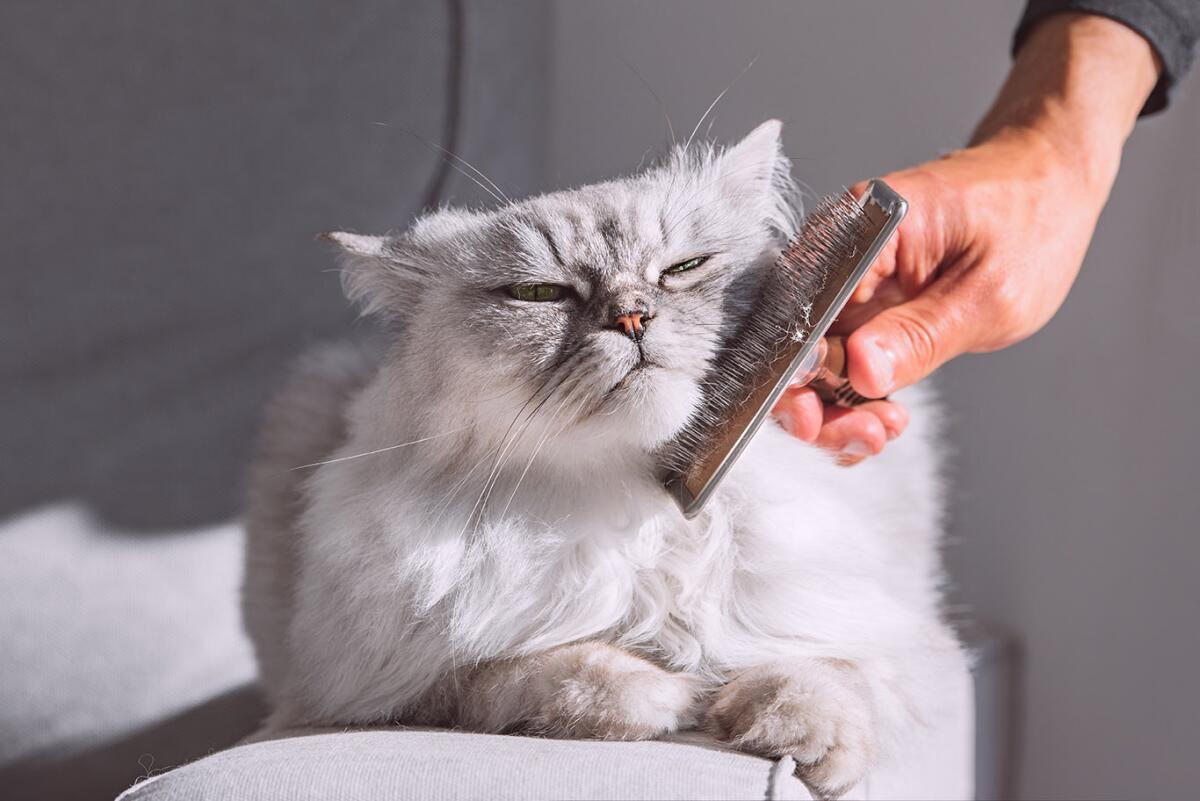
Use a soft-bristle brush or a wide-toothed comb for daily grooming. Brush gently in the direction of the fur growth. Focus on the neck, back, and tail areas. Avoid harsh strokes to prevent skin irritation. Regular brushing reduces shedding and keeps the coat shiny. It also helps spread natural oils across their fur.
Handling Tangles And Mats
Check your cat’s coat for any tangles or mats. Use your fingers or a mat splitter to loosen small knots. For stubborn mats, carefully cut them out with rounded scissors. Take care not to hurt your cat’s skin. Treat tangles gently to avoid causing pain. Consistent brushing prevents mats from forming.
Checking For Skin Issues
Look closely at your cat’s skin during grooming. Watch for redness, bumps, or dry patches. These signs may indicate allergies or infections. Check behind the ears and under the legs carefully. Early detection helps prevent serious problems. Consult a vet if you spot unusual skin changes.
Bathing Your Turkish Van
Bathing your Turkish Van cat can be a unique experience, especially because this breed has a water-loving reputation. Unlike many cats, Turkish Vans often tolerate water well, but knowing the right timing and technique is essential to keep your feline friend comfortable and clean. Let’s dive into how you can make bath time stress-free and effective for both you and your cat.
When To Bathe
Turkish Van cats have semi-long, water-resistant coats that don’t require frequent bathing. Bathing every 4 to 6 weeks is usually enough unless your cat gets into something particularly dirty or smelly.
Look for signs like greasy fur, dirt buildup, or an unpleasant odor. If your cat spends a lot of time outdoors, you may need to bathe them more often.
Is your cat shedding excessively? A bath can help remove loose hair and reduce shedding around your home.
Step-by-step Bathing Guide
- Prepare the area:Use a sink or a small tub with lukewarm water. Place a non-slip mat inside to prevent slipping.
- Brush first:Gently remove tangles and loose hair before the bath to avoid matting when the fur gets wet.
- Wet carefully:Use a cup or sprayer to wet your cat’s coat slowly, avoiding the head and ears initially.
- Apply cat-safe shampoo:Lather gently, focusing on soiled areas. Avoid human shampoos as they can irritate your cat’s skin.
- Rinse thoroughly:Make sure no shampoo remains, as residue can cause itching or dryness.
- Clean the face:Use a damp washcloth to wipe your cat’s face instead of pouring water over it.
- Stay calm:Speak softly and maintain a calm demeanor; your cat will pick up on your mood.
Drying Tips
After the bath, wrap your Turkish Van in a soft, absorbent towel. Gently pat the fur without rubbing to avoid tangling.
If your cat tolerates it, use a hairdryer on the lowest heat and speed setting. Keep the dryer moving and maintain a safe distance to prevent burns.
Choose a warm, draft-free room for drying to help your cat feel comfortable. Have you noticed how some cats enjoy the warmth of the sun after a bath? Your Turkish Van might seek out a cozy spot to finish drying naturally.
Nail And Ear Care
Grooming a Turkish Van cat involves more than just brushing their coat. Regular nail and ear care is crucial for their health. Keeping your cat’s nails trimmed prevents discomfort and damage to furniture. Cleaning their ears helps avoid infections. These tasks are essential for maintaining a happy and healthy cat.
Trimming Nails Safely
Trim your cat’s nails every two to three weeks. Use a cat-specific nail clipper for safety. Press the paw gently to extend the nail. Trim the sharp tip, avoiding the quick, the pink part inside. Cutting the quick can cause pain and bleeding.
If your cat resists, try a few nails at a time. Reward them with treats for good behavior. This makes future trimming easier.
Cleaning Ears Properly
Check your cat’s ears weekly for dirt or wax. Use a vet-recommended ear cleaner and cotton balls. Avoid using cotton swabs, which can harm the ear canal. Gently wipe the visible part of the ear, removing debris.
If you notice redness or a bad smell, consult a vet. These can be signs of an infection. Regular ear cleaning keeps your cat comfortable and prevents health issues.
Diet And Coat Health
Keeping your Turkish Van cat’s coat healthy starts with what you feed them. The right diet doesn’t just keep your furry friend full—it directly impacts the shine and softness of their unique semi-long fur. Paying attention to nutrients and hydration can make a visible difference in their grooming routine.
Nutrients For Shiny Fur
Protein plays a key role in maintaining strong and shiny fur. Look for cat foods rich in high-quality animal protein like chicken, turkey, or fish. These ingredients supply essential amino acids that support hair growth and repair.
Omega-3 and omega-6 fatty acids are equally important. These fats help reduce dryness and inflammation, leaving the coat smooth and glossy. You can find them in fish oil supplements or foods containing salmon or flaxseed.
Vitamins like E and biotin also contribute to coat health. They protect skin cells and improve hair texture. Have you noticed how your cat’s fur looks dull after a diet change? That’s often a sign of missing nutrients.
Hydration Importance
Water is often overlooked but is crucial for your Turkish Van’s skin and fur. Proper hydration keeps the skin elastic and prevents dryness that leads to flaky, brittle fur. Always ensure fresh water is available, especially if your cat eats mostly dry kibble.
Some cats prefer running water, so a cat water fountain can encourage them to drink more. You might also try adding a bit of water or broth to their meals to boost fluid intake. Have you observed your cat’s drinking habits closely? It could explain changes in their coat condition.
Seasonal Grooming Adjustments
Turkish Van cats need special care through the changing seasons. Their unique coat changes thickness and texture with the weather. Adjusting grooming routines helps keep their fur healthy and comfortable all year.
Managing Winter Coat
Winter brings a thick, dense coat to keep the cat warm. Brushing twice a week stops mats and tangles. Use a wide-toothed comb to reach the undercoat gently.
Check for any trapped dirt or debris. Wiping paws after outdoor time prevents ice build-up. Provide a warm, dry place for your cat to rest.
Summer Grooming Tips
Summer coat becomes lighter and shorter. Brush more often to remove loose fur and reduce shedding. A soft bristle brush works well during this time.
Keep your cat hydrated and cool. Regular grooming helps avoid skin irritation from sweat and dirt. Trim the fur around the paws if needed to keep them clean.
Common Grooming Challenges
Grooming a Turkish Van cat presents unique challenges. These cats have a semi-long coat that requires special attention. Maintaining their coat’s health and beauty can be tricky. Owners often face two main issues. Shedding surges and anxious behavior during grooming sessions. Let’s explore these challenges further.
Dealing With Shedding Surges
Turkish Van cats experience shedding surges. This means sudden increases in hair loss. Regular brushing helps control this. Use a gentle brush to remove loose hair. During shedding seasons, increase brushing frequency. This prevents matting and reduces hair around the home. A clean coat also keeps your cat comfortable.
Calming Anxious Cats
Many Turkish Van cats feel anxious during grooming. Create a calm environment to ease this. Choose a quiet room with minimal distractions. Speak softly and gently to your cat. Use slow movements when brushing. This helps in reducing stress. Offering treats can also create positive associations. Patience is key in calming anxious cats.
Frequently Asked Questions
How Often Should I Groom A Turkish Van Cat?
Groom your Turkish Van cat at least twice a week. Regular brushing prevents mats and reduces shedding. Their semi-long coat needs consistent care for a healthy, shiny appearance.
What Grooming Tools Are Best For Turkish Van Cats?
Use a slicker brush and a wide-toothed comb. These tools gently remove loose fur and prevent tangles. Avoid harsh brushes to protect their delicate coat.
How Do I Handle Shedding In Turkish Van Cats?
Regular brushing helps control shedding effectively. Turkish Vans shed seasonally, so increase grooming during these times. A balanced diet also supports healthy skin and fur.
Can Turkish Van Cats Tolerate Baths During Grooming?
Yes, Turkish Vans generally tolerate baths well. Use a mild cat shampoo and warm water. Bathing once a month keeps their coat clean without drying their skin.
Conclusion
Grooming a Turkish Van cat keeps them healthy and happy. Regular brushing prevents mats and reduces shedding. Check their ears and eyes for cleanliness often. Use gentle tools to avoid hurting their soft fur. Spend time with your cat during grooming sessions.
This builds trust and makes grooming easier. A well-groomed Turkish Van shows its beautiful coat. Keep up with grooming to enjoy a loving, clean pet. Simple steps make a big difference in their care. Your cat will thank you with purrs and affection.

Leave a Reply