Is your cat spending too much time licking and grooming? You might think it’s just a normal habit, but constant grooming can be a sign of stress, allergies, or even pain.
If you’ve noticed your furry friend obsessively cleaning themselves, it’s important to understand why this happens and how you can help. You’ll discover simple and effective ways to stop your cat from over-grooming, so they can feel comfortable and happy again.
Keep reading to learn how to bring peace back to your pet’s daily routine.
Reasons For Excessive Grooming
Excessive grooming in cats is more than just a quirky habit—it often signals that something is wrong. Understanding why your cat is over-grooming is the first step to helping them feel comfortable and healthy. Let’s look at some common reasons that might be causing your feline friend to lick or chew themselves nonstop.
Stress And Anxiety
Cats can’t tell you when they’re stressed, but their bodies do. Over-grooming is a common way cats try to soothe themselves when they feel anxious. Changes like moving to a new home, the arrival of a new pet, or loud noises can trigger this behavior.
Have you noticed your cat grooming more after visitors leave or during thunderstorms? These moments might be when your cat feels most unsettled. Recognizing these triggers can help you create a calm environment for them.
Skin Allergies
Just like humans, cats can develop allergies that irritate their skin. Allergies to food, pollen, or dust mites can cause itching, leading your cat to groom excessively to find relief. You might spot red, inflamed, or flaky patches on their skin.
If your cat scratches or licks certain spots repeatedly, it’s worth consulting a vet to identify potential allergens. Changing their diet or environment could make a big difference in their comfort.
Parasites And Infections
Fleas, ticks, and mites are not only annoying but can cause intense itching and discomfort. Cats often groom excessively to try and remove these pests. Sometimes, infections from bites or wounds can also cause your cat to lick the area more than usual.
Regular flea treatments and vet check-ups are key to preventing these problems. If your cat suddenly starts grooming a specific spot, inspect for signs of parasites or infection and act quickly.
Boredom And Behavioral Issues
When cats don’t get enough mental or physical stimulation, they may turn to grooming as a way to pass time. This repetitive behavior can become a habit or even a compulsion. Lack of playtime or interaction can push your cat to over-groom just to entertain themselves.
Think about your cat’s daily routine. Are they getting enough play and attention? Adding new toys, climbing spaces, or interactive games might reduce this behavior and improve their mood.
Identifying The Problem
Constant grooming can signal that your cat is uncomfortable or stressed. Identifying the root cause helps find the right solution. Careful observation and simple checks reveal why your cat grooms too much.
Observing Grooming Patterns
Watch when and how often your cat grooms. Notice if grooming happens more during certain times of day. Look for repeated licking of one spot. Excessive grooming may show as bald patches or redness. Track if grooming increases after play or rest.
Checking For Physical Signs
Examine your cat’s skin closely. Look for cuts, rashes, or swelling. Check for fleas, ticks, or mites. Notice any scabs or sores from scratching. Physical pain or irritation often causes over-grooming. A vet visit may be needed to confirm.
Monitoring Environmental Factors
Consider changes in your cat’s surroundings. New pets, loud noises, or moving furniture can cause stress. Temperature changes might also affect grooming habits. Lack of toys or stimulation leads to boredom and grooming. Keep the environment calm and engaging.
Immediate Steps To Reduce Grooming
Excessive grooming in cats can lead to skin problems and discomfort. Taking immediate steps helps reduce this behavior quickly. Focus on offering alternatives and calming your cat’s environment. These actions make your cat feel safe and distracted from constant licking.
Providing Distractions And Toys
Give your cat toys to keep it busy. Interactive toys like feather wands or laser pointers catch their attention. Puzzle feeders also stimulate their mind and slow down eating. Rotate toys often to keep your cat interested. Play sessions help burn energy and reduce stress.
Creating A Calm Environment
Stress often triggers over-grooming. Make your cat’s space quiet and peaceful. Use soft bedding in a cozy corner. Avoid loud noises and sudden movements. A calm atmosphere helps lower anxiety and stops excessive licking.
Using Protective Clothing
Protective clothing can prevent damage from over-grooming. Soft cat shirts or recovery suits cover itchy or sore spots. These clothes stop your cat from reaching certain areas. They also give wounds time to heal safely.
Diet And Nutrition Adjustments
Adjusting your cat’s diet can help reduce constant grooming. Diet plays a key role in skin and coat health. Poor nutrition may cause itchiness or allergies that lead to over-grooming. Feeding the right food and adding supplements supports healthy skin. This can calm your cat and lower grooming time.
Feeding Hypoallergenic Food
Hypoallergenic food helps cats with food sensitivities. It contains limited ingredients to avoid allergies. Common allergens include beef, dairy, and grains. Switching to hypoallergenic food can reduce skin irritation.
- Choose foods labeled “hypoallergenic” or “limited ingredient.”
- Look for novel protein sources like duck or venison.
- Consult your vet before changing your cat’s diet.
This diet reduces allergic reactions causing itching and licking. It also improves coat condition over time.
Adding Supplements For Skin Health
Supplements can boost your cat’s skin and fur quality. Omega-3 and Omega-6 fatty acids are especially helpful. They reduce inflammation and promote moisture retention.
- Fish oil capsules or liquid drops are good sources.
- Vitamin E supports skin repair and healing.
- Zinc helps maintain healthy skin cells.
Always follow recommended dosages. Check with your vet before starting supplements. Proper nutrition helps stop excessive grooming by soothing the skin.
Medical Treatments And Interventions
When a cat grooms excessively, it might need medical help. Identifying underlying issues is crucial. Medical treatments and interventions can provide relief. Addressing these concerns can significantly improve your cat’s quality of life.
Consulting A Veterinarian
A veterinarian is the first point of contact. They can identify any health issues. It might be allergies, infections, or stress-related. A thorough examination helps in diagnosis. Early detection can prevent further complications.
Medications For Allergies And Infections
Allergies might cause excessive grooming. Antihistamines or other allergy medications can help. Infections require antibiotics. These medications reduce irritation and discomfort. Always follow the vet’s prescription.
Behavioral Therapy Options
Sometimes, grooming is a behavioral issue. Behavioral therapy can address underlying stress. Environmental enrichment might be suggested. Toys, scratching posts, and interactive play can help. Positive reinforcement encourages healthy grooming habits.
Long-term Prevention Strategies
Stopping a cat from constant grooming takes time and patience. Long-term prevention helps keep your cat healthy and happy. It addresses the root causes behind excessive licking or biting.
These strategies focus on health, environment, and daily habits. Consistent care reduces stress and skin problems. Your cat will feel more comfortable and less driven to over-groom.
Regular Vet Checkups
Frequent vet visits catch health issues early. Skin allergies, parasites, or pain often cause over-grooming. Your vet can run tests to find hidden problems.
Follow the vet’s advice on treatments or diet changes. Keep vaccinations and parasite control up to date. Healthy cats groom less out of discomfort.
Maintaining A Stimulating Environment
Boredom and stress lead cats to groom too much. Provide toys, scratching posts, and climbing spaces. Rotate toys to keep your cat interested.
Play with your cat daily to reduce anxiety. Quiet areas with soft bedding help cats relax. A rich environment lowers stress and grooming urges.
Grooming Routine Adjustments
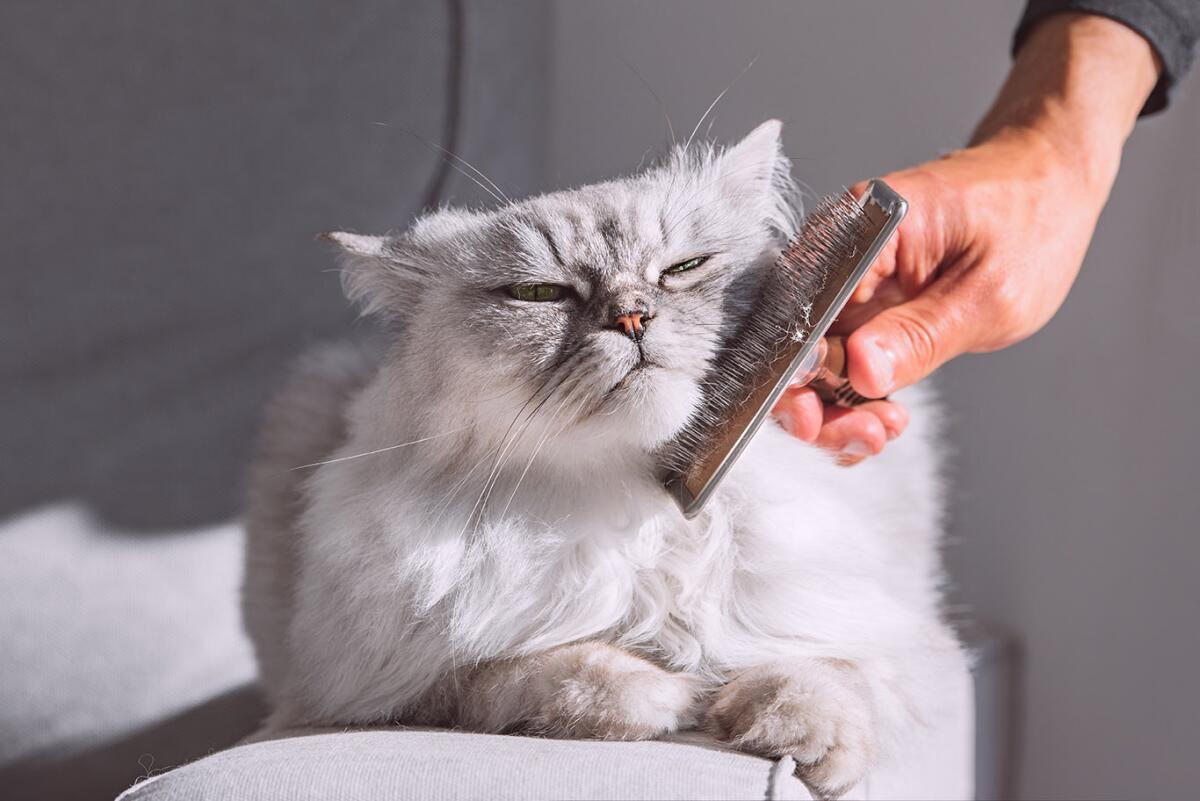
Regular brushing removes loose fur and dirt. It reduces the need for self-grooming. Use gentle brushes suited for your cat’s fur type.
Introduce grooming slowly, making it a calm experience. Reward your cat with treats or praise. A good routine keeps fur healthy and calms your pet.
Frequently Asked Questions
Why Is My Cat Grooming Excessively?
Excessive grooming in cats often signals stress, allergies, or skin issues. It can also indicate parasites or pain. Identifying the cause helps in managing the behavior effectively and keeping your cat healthy and comfortable.
How Can I Reduce My Cat’s Over-grooming?
Provide a calm environment, regular playtime, and proper nutrition. Use vet-recommended treatments for allergies or skin problems. Consult a veterinarian for diagnosis and personalized advice to stop excessive grooming safely.
When Should I See A Vet About Grooming?
If grooming causes hair loss, sores, or behavioral changes, consult a vet immediately. Persistent over-grooming may indicate underlying health or emotional issues needing professional care.
Can Stress Cause A Cat To Groom Too Much?
Yes, stress and anxiety often cause cats to over-groom as a coping mechanism. Reducing stress through environmental enrichment and routine can help minimize this behavior.
Conclusion
Stopping a cat from grooming too much takes time and care. Watch your cat’s behavior closely. Offer toys and attention to reduce stress. Keep your cat’s skin clean and check for allergies. Visit the vet if grooming does not improve.
Small changes can make a big difference. Help your cat feel calm and comfortable. Your patience will help your cat stay healthy and happy.

Leave a Reply