Is your cat grooming itself nonstop, leaving you worried and unsure what to do? When your furry friend spends too much time licking or biting their fur, it can lead to sore spots, hair loss, or even infections.
You want to help your cat feel comfortable and healthy, but stopping this behavior isn’t always easy. You’ll discover simple, effective ways to understand why your cat grooms excessively and how you can gently guide them back to healthy habits.
Keep reading to find out how to protect your cat’s skin and keep them happy without stress.
Reasons Cats Overgroom
Overgrooming in cats can be puzzling and frustrating for any cat owner. It’s more than just a quirky habit—when your cat licks or scratches excessively, it signals something deeper. Understanding why your cat overgrooms helps you address the root cause and protect their health.
Stress And Anxiety
Stress is a common trigger for overgrooming. Cats often lick themselves to calm down, much like humans biting their nails. If your cat recently experienced a change, like moving to a new home or a new pet arrival, watch for grooming spikes.
Have you noticed your cat grooming more after loud noises or when left alone? These are signs of anxiety. Offering comfort and a safe environment can reduce stress-induced grooming.
Allergies And Skin Issues
Allergies can cause itching and irritation, leading to overgrooming. Your cat might be reacting to food ingredients, pollen, or household cleaners. Check for redness, bumps, or hair loss to spot possible allergies.
Sometimes, simple changes like switching to hypoallergenic food or using gentle cleaning products can ease your cat’s discomfort. Have you examined your cat’s environment for potential allergens?
Parasites And Infections
Parasites like fleas and mites are a frequent cause of overgrooming. Even a single flea bite can cause intense itching and excessive licking. Regular parasite prevention and quick treatment are crucial.
Infections from bacteria or fungi can also make your cat’s skin uncomfortable. If you see sores or scabs, a vet visit is important to prevent further damage. Could your cat’s grooming be a signal to check for these issues?
Boredom And Lack Of Stimulation
Sometimes, cats groom themselves excessively simply because they are bored. Without enough playtime or interaction, grooming becomes a way to fill time. Cats need mental and physical activity to stay balanced.
Try adding new toys, climbing spaces, or regular play sessions. Does your cat seem restless or lethargic before grooming bouts? Keeping them engaged can reduce this behavior.
Signs Of Overgrooming
Noticing signs of overgrooming in your cat is the first step to stopping this behavior before it causes serious harm. Overgrooming isn’t just a harmless habit—it often signals discomfort, stress, or an underlying health issue that needs your attention. Recognizing these signs early can help you take action quickly and protect your cat’s well-being.
Bald Spots And Redness
One of the most obvious signs is bald spots on your cat’s fur. You might see areas where the fur is noticeably thinner or completely missing. These patches often appear red or irritated, showing that your cat’s skin is sensitive from too much licking or scratching.
If you spot these, ask yourself: Has your cat been scratching or licking more than usual? Early detection here can save your cat from painful skin problems down the line.
Sores And Scabs
Overgrooming can cause your cat’s skin to break, leading to sores and scabs. These wounds can become infected if left untreated, making your cat uncomfortable and more likely to keep licking the area. You might notice your cat favoring certain spots or reacting when you touch these sore areas.
Keep an eye out for any wounds that don’t heal or seem to get worse. If your cat has these signs, it’s a clear signal to consult your vet right away.
Excessive Licking Behavior
Does your cat spend a lot of time licking certain parts of their body? Excessive licking is a major red flag. It’s not normal for a cat to groom one spot repeatedly to the point of damage.
Try timing your cat’s grooming sessions. If they last longer than usual or seem frantic, it’s worth investigating what’s causing this behavior. Could stress, allergies, or parasites be the trigger? Observing this closely helps you understand your cat’s needs better and find the right solution.
Environmental Changes
Environmental changes can play a big role in helping your cat stop excessive grooming. Cats often groom themselves more when they feel stressed, bored, or uncomfortable. By adjusting their surroundings, you can create a setting that encourages healthier behavior and reduces the urge to over-groom.
Creating A Calm Space
Your cat needs a quiet, safe area where it can relax without interruptions. Choose a spot away from loud noises and heavy foot traffic. Adding soft bedding and a cozy hideout gives your cat a secure retreat.
Have you noticed your cat grooming more when there’s a lot of activity around? Reducing noise and providing a calm space can lower stress levels and help break the grooming cycle.
Providing Enrichment And Toys
Boredom often leads to over-grooming. Keeping your cat entertained with toys and puzzles can distract it and satisfy its natural curiosity.
- Interactive toys like feather wands or laser pointers keep your cat moving.
- Food puzzles make mealtime stimulating and rewarding.
- Scratching posts and climbing trees offer physical and mental exercise.
Try rotating toys regularly to keep things fresh. Have you ever seen your cat suddenly lose interest in a toy? Switching it out can reignite their excitement and reduce self-grooming.
Maintaining Routine And Consistency
Cats thrive on routine. Feeding, playtime, and quiet periods at the same times each day can make your cat feel more secure.
Inconsistent schedules may cause anxiety, leading to increased grooming. Watch how your cat reacts to changes and try to keep daily activities predictable.
Have you considered tracking your cat’s behavior over a week? Noticing patterns can help you adjust your routine to better suit your cat’s needs.
Medical Treatments
Medical treatments play a vital role if your cat’s grooming behavior is excessive or harmful. Sometimes, underlying health issues trigger this behavior. Addressing these problems with proper medical care can bring relief to both you and your cat.
Consulting A Veterinarian
Your first step should be a visit to the vet. Only a professional can accurately diagnose the root cause of your cat’s over-grooming. They will perform a thorough physical exam and may suggest tests like skin scrapings or allergy panels.
Don’t ignore subtle signs like redness, hair loss, or sores. These could point to medical conditions rather than just behavioral quirks. Have you noticed changes in your cat’s appetite or energy? Mention those too, as they help the vet form a clear picture.
Medications For Allergies
Allergies often cause itching that leads to excessive grooming. Your vet might prescribe antihistamines or corticosteroids to reduce inflammation and discomfort. These medicines can provide quick relief and prevent your cat from damaging its skin.
In some cases, allergy shots or special diets are recommended. They target the root cause rather than just symptoms. If your cat’s itching improves with medication, you’ll see a noticeable drop in grooming habits.
Treating Parasites And Infections
Parasites like fleas or mites are common culprits behind excessive grooming. Even a few fleas can cause intense itching, making your cat lick and scratch nonstop. Your vet can prescribe effective flea control treatments and medicated shampoos.
Skin infections, whether bacterial or fungal, also prompt over-grooming. Antibiotics or antifungal medications might be necessary to heal these infections. Have you checked your cat’s coat for unusual spots or scabs? These signs often point to infections needing prompt treatment.
Behavioral Strategies
Behavioral strategies can be a powerful way to help your cat stop excessive grooming. These techniques focus on changing your cat’s habits and redirecting their energy towards more positive activities. By understanding your cat’s behavior, you can guide them gently away from harmful grooming patterns.
Redirecting Attention
When your cat starts grooming excessively, try to divert their focus to something else. Use toys, sounds, or new objects to catch their interest quickly. This change in attention interrupts the grooming cycle and helps break the habit.
For instance, if your cat begins licking a spot on their fur repeatedly, toss a small ball or dangle a feather toy nearby. This shift can surprise your cat and make them pause their grooming. Have you noticed how your cat responds to sudden changes in their environment?
Using Positive Reinforcement
Reward your cat when they stop grooming or engage in healthier behaviors. Use treats, gentle petting, or verbal praise immediately after they stop licking or scratching. This creates a clear connection between good behavior and positive outcomes.
Try rewarding calm moments or when your cat plays instead of grooming. Keep treats handy and deliver rewards consistently to reinforce the behavior you want. What small reward does your cat respond to best?
Implementing Play Sessions
Regular playtime can reduce stress and boredom, two major triggers for over-grooming. Schedule multiple short play sessions throughout the day to keep your cat mentally and physically engaged. Use interactive toys like laser pointers, feather wands, or puzzle feeders to keep them busy.
Playing with your cat not only distracts them from grooming but also strengthens your bond. Notice how your cat’s mood improves after play? This can be a clue to when they might need more attention instead of grooming.
Protective Measures
Protecting your cat from excessive grooming can be challenging. It requires patience and the right tools. Here are some effective protective measures you can try.
Using E-collars
E-Collars are a common solution for excessive grooming. They prevent your cat from reaching certain areas. Choose a soft, comfortable collar. Ensure it fits snugly but isn’t too tight. Gradually introduce it to your cat. Let them get used to wearing it. Monitor your cat’s comfort regularly.
Applying Soothing Sprays
Soothing sprays can calm your cat’s skin. They help reduce irritation and itching. Look for sprays with natural ingredients. Test a small amount on your cat’s skin first. Apply it gently to the affected areas. Be consistent with the application for best results.
Regular Grooming Assistance
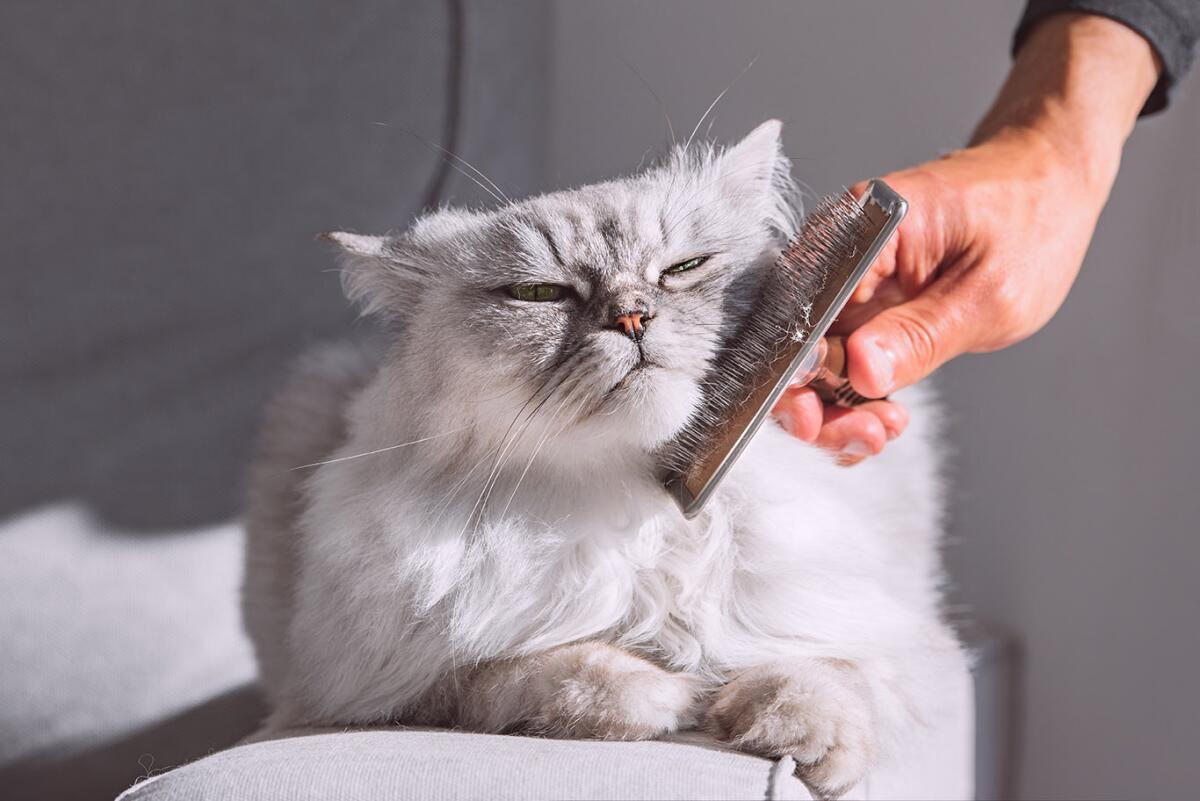
Regular grooming can help manage your cat’s grooming habits. Brush your cat’s fur to remove loose hairs. This can prevent tangles and mats. It also keeps their skin healthy. Use a gentle brush suited for your cat’s coat type. Grooming sessions should be calm and soothing.
Monitoring Progress
Monitoring progress is key to understanding how well your efforts to stop your cat from over-grooming are working. It helps you notice patterns and decide if changes are effective or if new approaches are needed. Without tracking progress, you might miss subtle signs that show improvement or worsening behavior.
Tracking Changes In Behavior
Keep a daily journal or use an app to note your cat’s grooming habits. Record the frequency, duration, and any specific triggers you observe, such as stress or boredom. This clear record helps you see if your cat is grooming less over time or if the problem persists.
Pay attention to small improvements too. Does your cat stop mid-grooming when you intervene? Is it spending more time playing or resting instead? These details guide your next steps and keep you motivated.
Adjusting Strategies As Needed
If progress stalls, don’t hesitate to change tactics. Maybe your cat responds better to interactive toys than to calming sprays, or adding more playtime reduces stress more effectively. Testing different solutions one at a time lets you pinpoint what really helps.
Be patient and flexible. Sometimes, combining several approaches works best—like environmental enrichment plus gentle distraction during grooming episodes. What small change could you try today to see if it makes a difference?
Knowing When To Seek Help
Recognize when your cat’s grooming might need professional attention. If you notice wounds, hair loss, or if your cat seems anxious or in pain, it’s time to consult a vet or animal behaviorist. Early intervention prevents the problem from worsening.
Remember, you’re not alone in this. Experts can offer tailored advice and treatments that you might not think of. Have you considered asking a professional to review your observations and suggest next steps?
Frequently Asked Questions
Why Does My Cat Groom Excessively?
Excessive grooming often signals stress, allergies, or skin problems. Cats may over-groom to self-soothe or due to parasites. Identifying the cause helps address the behavior effectively.
How Can I Reduce My Cat’s Grooming Habits?
Provide mental stimulation, regular play, and a calm environment. Use calming sprays or pheromones. Consult a vet to rule out medical issues causing over-grooming.
When Should I See A Vet For Grooming Issues?
See a vet if your cat has bald spots, sores, or persistent licking. Sudden changes in grooming behavior may indicate health problems needing professional care.
Can Diet Affect My Cat’s Grooming Behavior?
Yes, poor nutrition can cause skin irritation, prompting excessive grooming. A balanced diet with essential fatty acids supports healthy skin and reduces over-grooming.
Conclusion
Stopping your cat from over-grooming needs patience and care. Watch your cat’s behavior closely. Offer toys and attention to keep them busy. Keep your cat’s skin clean and healthy. Sometimes, stress causes grooming problems. Try to create a calm home.
Talk to your vet if grooming gets worse. Small steps can make a big difference. Your cat will feel better and happier soon. Keep loving and caring for your pet every day.

Leave a Reply