Have you ever watched your cat licking its fur for what seems like hours and wondered, “How often should a cat groom himself?” Understanding your cat’s grooming habits is key to keeping him healthy and happy. If you want to know when to step in, what’s normal, and what might be a sign of trouble, you’re in the right place.
Keep reading, because the answer might surprise you—and it could make a big difference to your furry friend’s well-being.
Cat Grooming Basics
Caring for your cat starts with understanding the basics of grooming. Cats are naturally clean animals, but their self-grooming habits vary depending on age, health, and environment. Knowing how often your cat grooms itself can help you spot any unusual behavior or health issues early.
Natural Grooming Habits
Cats usually groom themselves several times a day. You might notice your cat licking its fur, paws, or even behind its ears. This behavior isn’t just about cleanliness; it’s a way for them to relax and feel comfortable.
Long-haired cats may spend more time grooming to prevent mats and tangles. Older or sick cats might groom less, which can be a sign you need to help with brushing. Have you ever watched your cat pause to lick its fur and wondered why it stops suddenly? Sometimes, grooming is interrupted by other needs like hunger or curiosity.
Reasons Cats Groom Themselves
- Cleanliness:Grooming removes dirt and loose hair, keeping their coat healthy.
- Temperature Control:Spreading saliva helps cool them down on hot days.
- Stress Relief:Licking releases endorphins, which calm them during anxiety or after excitement.
- Pest Control:Grooming helps remove fleas and other parasites.
Have you noticed your cat grooming more after a stressful event, like a visit to the vet? This shows how grooming works as a natural way for cats to comfort themselves. Understanding these reasons helps you recognize when your cat’s grooming is normal or if it might need your attention.
Frequency Of Self-grooming
Cats are known for their meticulous grooming habits, but how often do they actually groom themselves? Understanding the frequency of your cat’s self-grooming can help you spot any health issues early and better support their hygiene needs. Let’s look closer at their daily grooming patterns and how these habits can change based on breed and age.
Daily Grooming Patterns
Most cats groom themselves multiple times a day. It’s common to see your cat spending anywhere from 30 minutes to an hour cleaning their fur daily.
This routine helps remove dirt, loose hair, and parasites. It also distributes natural oils, keeping their coat shiny and healthy.
Have you noticed your cat grooming more or less than usual? Changes in grooming frequency can indicate stress, illness, or discomfort.
Variations By Breed And Age
Certain breeds, like Siamese or Persian cats, may groom more frequently because of their fur type. Long-haired cats need more attention to prevent mats and tangles.
Older cats often groom less due to arthritis or dental problems that make self-cleaning painful. Kittens, on the other hand, are still learning and usually groom less effectively.
Understanding these differences helps you decide when to step in with brushing or vet visits. Does your cat’s grooming routine fit their breed and age, or do you see room for improvement?
Signs Of Over-grooming
Noticing your cat spending an unusual amount of time grooming can signal more than just routine cleanliness. Over-grooming might seem like dedication to hygiene, but it often points to hidden problems that need your attention. Recognizing these signs early helps protect your cat’s skin and overall well-being.
Causes Of Excessive Grooming
Excessive grooming is often a response to discomfort or stress. Your cat might lick or bite its fur more than usual due to:
- Allergies from food, pollen, or dust mites
- Parasites like fleas or mites irritating the skin
- Stress or anxiety caused by changes in environment or routine
- Pain or irritation from wounds or infections
Have you ever caught your cat obsessively licking one spot? That behavior could reveal underlying issues worth exploring with your vet.
Identifying Skin Issues
Over-grooming often leads to visible skin problems. Look for:
- Redness or inflammation
- Hair loss or bald patches
- Scabs, sores, or crusty areas
- Dry, flaky skin or unusual bumps
Touch your cat’s fur and skin regularly. Does any area feel warm, tender, or rough? These signs can help you spot trouble before it worsens.
When To Assist Your Cat
Knowing when to step in and help your cat with grooming is key to keeping them healthy and comfortable. Cats are usually great at cleaning themselves, but sometimes they need a little extra care from you. Watching for signs that your cat is struggling with grooming can save them from discomfort and skin problems.
Brushing And Bathing Tips
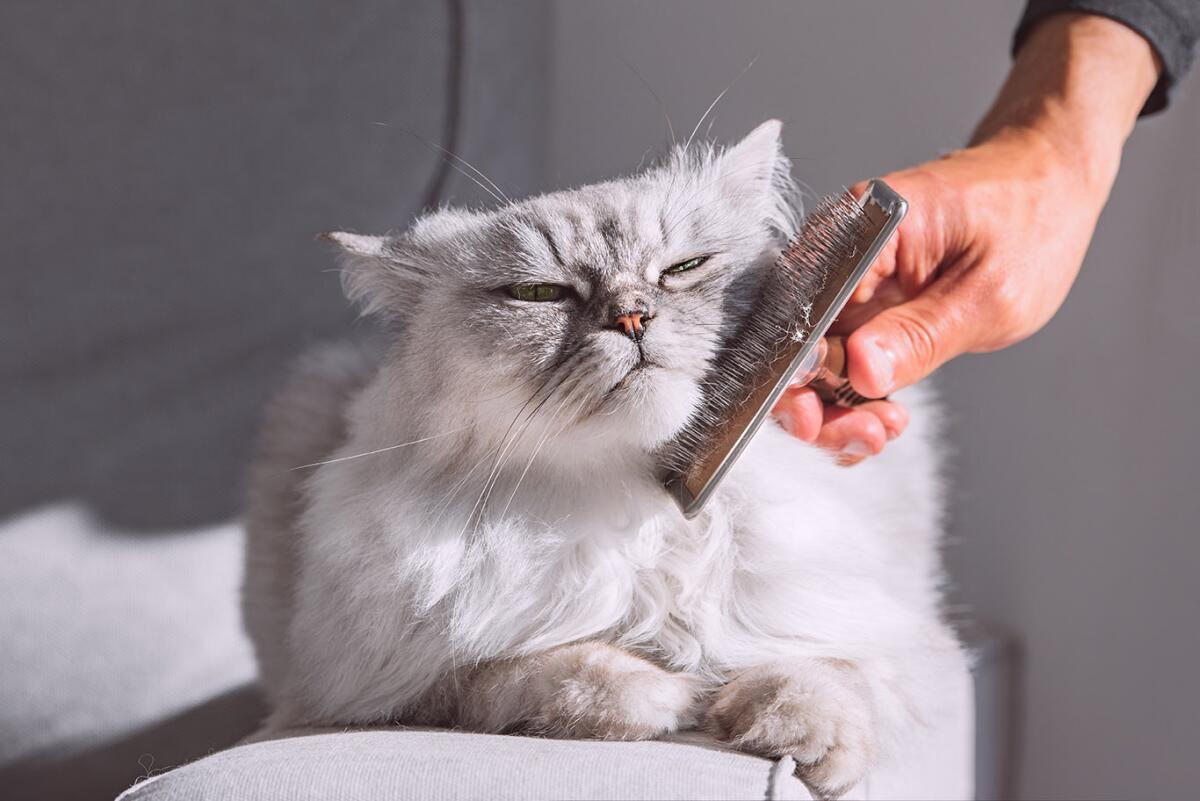
Regular brushing helps remove loose fur and prevents hairballs. Long-haired cats may need daily brushing, while short-haired cats might only need it once or twice a week. Use a gentle brush designed for cats and be patient—make it a calming experience rather than a chore.
Bathing your cat is usually rare, but certain situations like flea infestations or getting into something sticky call for a wash. Use warm water and a cat-specific shampoo. Keep baths short to reduce stress, and always dry your cat thoroughly afterward.
Dealing With Matted Fur
Matted fur can cause pain and skin infections if ignored. You should check your cat’s coat regularly for tangles, especially around the neck, behind the ears, and under the legs. If you find mats, gently work them out with your fingers or a mat splitter.
Sometimes mats are too tough to remove at home. In those cases, it’s safer to seek help from a professional groomer or your vet. Have you ever noticed your cat avoiding grooming certain spots? That could be a sign they have painful mats needing your attention.
Health Benefits Of Grooming
Grooming plays a vital role in a cat’s health. Regular self-grooming offers numerous benefits. It keeps your cat clean and healthy. Grooming is more than just a beauty routine. It’s a natural behavior with health perks.
Maintaining Coat Quality
Grooming helps maintain a cat’s coat quality. It removes dirt and loose hair. This prevents matting and tangles. A well-groomed coat is shiny and smooth. Regular grooming distributes natural oils. This enhances coat shine and softness.
Preventing Parasites
Self-grooming reduces the risk of parasites. Cats remove fleas and ticks through grooming. This keeps their skin healthy and parasite-free. Grooming also helps detect problems early. Finding ticks or fleas early is crucial. It prevents infestations and health issues.
Grooming Challenges In Special Cats
Some cats face special grooming challenges that affect how often they clean themselves. These challenges depend on their age, coat type, or health. Understanding these factors helps owners support their cats better.
Long-haired Cats
Long-haired cats need more grooming than short-haired cats. Their fur can tangle and mat easily. Mats cause discomfort and skin problems. These cats often require daily brushing. They may struggle to groom hard-to-reach areas. Regular grooming prevents hairballs and keeps their coat shiny.
Senior Cats
Older cats groom less often due to less energy. Joint pain or arthritis can limit their movements. They may miss spots or skip grooming sessions. Senior cats need extra help to stay clean. Gentle brushing and checking for skin issues is important. This keeps them comfortable and healthy.
Cats With Health Problems
Health issues can reduce a cat’s grooming ability. Obesity, dental problems, or skin conditions affect grooming habits. Cats in pain may avoid cleaning. Illness can cause a dull coat or hair loss. Owners should monitor grooming closely. Veterinarian advice helps manage these problems effectively.
Frequently Asked Questions
How Often Do Cats Groom Themselves Daily?
Cats typically groom themselves several times a day, usually 3 to 4 sessions. Grooming helps keep their fur clean, removes dirt, and regulates body temperature. It also reduces stress and strengthens their bond with their environment.
Why Do Cats Groom More During Shedding Season?
Cats groom more during shedding to remove loose fur and prevent hairballs. Increased grooming helps maintain a healthy coat and reduces the risk of matting. Seasonal changes trigger shedding, prompting cats to clean more frequently.
Can A Cat’s Grooming Frequency Indicate Health Issues?
Yes, changes in grooming habits can signal health problems. Over-grooming may suggest stress or skin conditions. Under-grooming might indicate pain, obesity, or illness. Monitor grooming patterns and consult a vet if unusual behavior appears.
How Does Grooming Benefit A Cat’s Skin And Coat?
Grooming distributes natural oils across the cat’s fur, keeping it shiny and healthy. It removes dirt, dead skin cells, and loose hair. This process also stimulates blood circulation, promoting overall skin health.
Conclusion
Cats groom themselves daily to stay clean and healthy. Their tongue helps remove dirt and loose fur. Some cats need extra help, especially long-haired ones. Watch your cat’s grooming habits for any changes. Regular brushing supports their natural grooming routine.
Keep an eye on their skin and coat condition. Healthy grooming shows a happy, well-cared-for cat. Simple care can keep your cat comfortable and clean. Trust your cat’s natural grooming but assist when needed. Small efforts make a big difference in your cat’s life.

Leave a Reply